Wuliangye Yibin Porter's Five Forces Analysis

A Must-Have Tool for Decision-Makers
Wuliangye Yibin navigates a complex competitive landscape, influenced by intense rivalry and the ever-present threat of substitutes in the premium baijiu market. Understanding the power dynamics with suppliers and buyers is crucial for sustained profitability.
The complete report reveals the real forces shaping Wuliangye Yibin’s industry—from supplier influence to threat of new entrants. Gain actionable insights to drive smarter decision-making.
Suppliers Bargaining Power

Dependency on Specific Grains
Wuliangye Yibin's core product relies heavily on five specific grains: sorghum, rice, glutinous rice, wheat, and corn. The availability and price fluctuations of these agricultural inputs directly impact the company's cost of goods sold and, consequently, its profitability.
In 2024, global grain markets experienced moderate volatility due to weather patterns and geopolitical events, potentially increasing the bargaining power of suppliers who control these essential raw materials. For instance, a poor sorghum harvest in key producing regions could drive up prices, directly affecting Wuliangye's input costs.
The company's ability to secure stable and cost-effective supplies of these five grains is crucial for maintaining its competitive edge. Any significant disruption or price surge in these commodities can challenge Wuliangye's margin management and overall financial performance.
Proprietary Fermentation Techniques
Wuliangye's proprietary fermentation techniques, the bedrock of its signature strong-aroma baijiu, are deeply intertwined with specialized inputs and a unique microbial environment. These traditional methods, honed over 650 years of production, rely on specific strains of yeast and koji, often cultivated in-house or sourced from highly specialized, long-term partners. This reliance on unique biological components and deeply embedded knowledge creates a significant barrier to entry for potential competitors and grants considerable bargaining power to the few suppliers capable of providing these essential, irreplaceable elements.

Packaging Material Suppliers
Wuliangye Yibin faces moderate bargaining power from its packaging material suppliers, particularly those providing specialized glass bottles and intricate labels for its premium baijiu. The demand for high-quality, aesthetically pleasing packaging is indeed on the rise, as it directly impacts brand perception for luxury goods.
While there might be several suppliers for standard packaging, the market for unique designs and premium materials is more concentrated, giving these specialized suppliers more leverage. For instance, the global glass packaging market was valued at approximately $55 billion in 2023, with a significant portion dedicated to premium segments.
The ability of Wuliangye to switch suppliers for these specialized components is somewhat limited by the need to maintain consistent quality and design integrity, which are crucial for its brand image. This reliance on specific suppliers for critical aesthetic elements can therefore translate into higher input costs for Wuliangye.

Skilled Labor and Traditional Craftsmanship
The bargaining power of suppliers for Wuliangye Yibin is significantly influenced by the scarcity of highly skilled distillers and master blenders. This traditional craftsmanship is absolutely essential for producing their premium baijiu, a process that cannot be easily replicated. The unique production methods demand specific expertise, and the pool of individuals possessing this deep knowledge is quite limited, creating a substantial barrier to entry for new talent.
This specialized labor force, therefore, wields considerable bargaining power. Their irreplaceable skills and the lengthy time required to train new artisans mean Wuliangye Yibin must offer competitive compensation and benefits to retain them. For instance, in 2024, the average salary for master distillers in China's premium spirits industry saw an increase, reflecting the high demand for such specialized roles. The company's reliance on these individuals to maintain product quality and brand reputation directly translates into their strong negotiating position.
- Limited Supply of Master Distillers: The number of individuals with the specific, time-tested knowledge to produce Wuliangye's high-quality baijiu is inherently small.
- High Training Costs and Time: Developing a new master blender or distiller takes many years, making it difficult and expensive for Wuliangye to replace experienced personnel.
- Essential for Product Quality: The unique flavor profiles and consistency of Wuliangye's baijiu are directly tied to the skills of these master craftsmen, giving them leverage.
- Industry Demand: As premium baijiu gains popularity, other distilleries also seek out these skilled individuals, further intensifying competition for their services.
Logistics and Distribution Network Providers
Logistics and distribution network providers hold moderate bargaining power over Wuliangye Yibin. While Wuliangye is a major player, the logistics industry itself is fragmented, offering some choice. However, the specialized nature of transporting high-value baijiu, especially internationally, can concentrate power among a few experienced providers. Wuliangye's strategic expansion into direct-to-customer channels and diversification of its distribution network helps to temper this power by reducing reliance on any single logistics partner.
- Diversified Distribution: Wuliangye's strategy to build its own direct-to-customer sales channels and expand its network of distributors across China and internationally reduces its dependence on any single logistics provider.
- Market Reach: As a leading baijiu producer, Wuliangye's significant sales volume gives it leverage when negotiating with logistics firms, as they represent substantial business.
- Specialized Needs: The requirement for careful handling and temperature control for premium spirits can limit the pool of suitable logistics providers, potentially increasing their bargaining power.
- International Expansion: Wuliangye's growing international presence necessitates partnerships with global logistics companies, where established networks and expertise can give these providers more influence.
Decoding Supplier Power in High-End Spirits
Wuliangye Yibin's reliance on five specific grains—sorghum, rice, glutinous rice, wheat, and corn—makes it susceptible to fluctuations in agricultural markets. In 2024, global grain prices saw moderate volatility due to weather and geopolitical factors, potentially strengthening the hand of suppliers controlling these essential inputs. A poor sorghum harvest, for example, could significantly increase Wuliangye's raw material costs.
The company's unique fermentation process, a 650-year-old tradition, depends on specialized yeast and koji strains. These critical biological components, often sourced from a limited number of long-term partners, are difficult to replicate, granting these specialized suppliers considerable bargaining power due to their unique and essential offerings.
The bargaining power of suppliers for Wuliangye Yibin is notably influenced by the scarcity of master distillers and blenders. These artisans possess irreplaceable skills vital for the premium baijiu production, making them highly valuable. In 2024, demand for such specialized labor in China's premium spirits sector saw rising wages, underscoring the leverage these skilled individuals hold.
| Supplier Category | Bargaining Power Level | Key Factors Influencing Power | 2024 Context/Data |
|---|---|---|---|
| Agricultural Inputs (Grains) | Moderate to High | Scarcity of specific grains, weather impacts, geopolitical events affecting supply chains. | Global grain markets experienced moderate volatility in 2024; specific crop yields directly impact input costs. |
| Specialized Fermentation Inputs (Yeast, Koji) | High | Proprietary nature of strains, limited specialized suppliers, deep historical reliance. | These inputs are crucial for unique flavor profiles and are not easily substituted. |
| Packaging Materials (Premium Bottles, Labels) | Moderate | Concentration in premium segments, need for design consistency, brand image importance. | The global glass packaging market was valued at ~$55 billion in 2023, with premium segments holding significant value. |
| Skilled Labor (Master Distillers/Blenders) | High | Scarcity of specialized knowledge, long training times, essential for product quality. | Master distiller salaries increased in 2024 due to high demand in the premium spirits industry. |
| Logistics and Distribution | Moderate | Fragmentation of industry, specialized transport needs for high-value goods, international expansion complexities. | Wuliangye's diversified distribution network and direct-to-customer sales help mitigate supplier power. |
What is included in the product
 Detailed Word Document
Tailored exclusively for Wuliangye Yibin, this Porter's Five Forces analysis dissects the competitive landscape, evaluating supplier and buyer power, the threat of new entrants and substitutes, and the intensity of rivalry within the baijiu industry.

 Customizable Excel Spreadsheet
Instantly identify and address competitive threats with a detailed breakdown of Wuliangye Yibin's market landscape.
Customers Bargaining Power

Premium Product Positioning
Wuliangye's deliberate positioning in the premium and super-premium baijiu segments significantly dampens customer bargaining power. By emphasizing exceptional quality, traditional craftsmanship, and deep cultural heritage, Wuliangye cultivates a loyal customer base that prioritizes brand prestige and perceived value over mere price. This strategy makes consumers of luxury spirits less sensitive to price fluctuations, as the intrinsic and symbolic value of the product outweighs minor cost increases.
Strong Brand Loyalty and Heritage
Wuliangye's brand equity, built over 650 years of history and deeply embedded in Chinese culture, fosters significant customer loyalty. This heritage translates into a deep connection with consumers, making them less inclined to switch to competitors. As the second most valuable baijiu brand globally, Wuliangye's established reputation and cultural significance significantly reduce the bargaining power of customers by minimizing their perceived need to explore alternatives.

Diverse Customer Segments
Wuliangye Yibin serves a broad spectrum of customers, from affluent individuals and corporate entities seeking premium baijiu for gifting and events to a growing segment in mass-market channels and less developed urban areas. This diverse customer base, encompassing both high-spending and volume-oriented buyers, can exert varied levels of bargaining power.
The company's strategy to balance premium brand growth with expansion into more accessible markets means it must cater to different price sensitivities and purchasing behaviors. While high-net-worth individuals may have less price elasticity, the mass market's sensitivity to price can increase collective bargaining pressure, particularly if substitutes are readily available.
As of recent reports, Wuliangye has seen significant growth in lower-tier cities, indicating an increasing reliance on these expanding customer segments. This broader market penetration, while beneficial for volume, necessitates careful management of pricing strategies to avoid eroding the premium perception and to effectively counter potential price-based demands from a larger, more price-conscious consumer group.

Availability of Alternatives and Substitutes
The bargaining power of customers in the baijiu market, specifically concerning Wuliangye Yibin, is significantly influenced by the availability of alternatives. Competitors like Kweichow Moutai and Luzhou Laojiao offer premium baijiu options, directly challenging Wuliangye's market position. Furthermore, the broader alcoholic beverage market, encompassing spirits like whisky, wine, and beer, presents a vast array of choices for consumers, diluting the singular appeal of baijiu.
Consumer preferences are evolving, particularly among younger demographics, who may exhibit less brand loyalty to traditional baijiu and a greater openness to international spirits. This shift could reduce demand for established baijiu brands. For instance, in 2023, the global spirits market saw continued growth in categories like ready-to-drink (RTD) cocktails and craft beers, indicating a diversification of consumer tastes beyond traditional offerings.
- Availability of Direct Baijiu Competitors: Brands like Moutai and Luzhou Laojiao provide high-quality alternatives, giving consumers choices within the premium baijiu segment.
- Broader Alcoholic Beverage Market: The existence of whisky, wine, beer, and other international spirits offers consumers a wide spectrum of drinking preferences to satisfy.
- Shifting Consumer Preferences: Younger consumers, in particular, are showing a greater interest in diverse alcoholic beverages, potentially impacting traditional baijiu consumption.
- Market Diversification: The rise of RTDs and craft beverages in 2023 highlights a consumer trend towards novelty and variety, which can diminish the bargaining power of established, single-category brands.
Distribution Channel Influence
The bargaining power of customers, particularly through distribution channels, significantly impacts Wuliangye Yibin's pricing and market access. Traditional retailers, while offering broad reach, can exert pressure on margins by demanding favorable terms. In 2024, the continued growth of e-commerce platforms and direct-to-customer (DTC) sales provides Wuliangye with an opportunity to regain pricing control and cultivate deeper customer relationships.
Wuliangye's strategic utilization of e-commerce for global sales, as observed in its operations, allows for more direct engagement with consumers. This shift bypasses some traditional intermediaries, potentially reducing distribution costs and enabling more dynamic pricing strategies. For instance, by leveraging online channels, Wuliangye can gather valuable customer data, facilitating personalized marketing and product development, thereby enhancing its competitive position.
- Distribution Channel Impact: Traditional retail channels can limit Wuliangye's pricing flexibility, while e-commerce and DTC models offer greater control.
- Online Sales Advantage: The increasing reliance on online sales and direct channels empowers Wuliangye to manage customer relationships and pricing more effectively.
- Global E-commerce Reach: Wuliangye's use of e-commerce for international sales broadens its market access and provides direct consumer insights.
Wuliangye's Customer Power: Brand, Substitutes, and Digital Shifts
While Wuliangye's premium branding and deep cultural roots generally limit customer bargaining power, its expanding reach into more accessible markets introduces price sensitivity. The availability of strong direct competitors like Moutai and a broader array of global alcoholic beverages also provides consumers with viable alternatives, potentially increasing their leverage.
Wuliangye's strategic shift towards e-commerce and direct-to-consumer sales in 2024 offers a countermeasure to customer bargaining power by enabling better price control and direct relationship building. This digital transformation allows the company to gather valuable data, personalize offerings, and potentially bypass traditional distribution channels that might exert pricing pressure.
| Factor | Impact on Wuliangye's Customer Bargaining Power | Supporting Data/Observation |
|---|---|---|
| Brand Prestige & Loyalty | Lowers bargaining power | Wuliangye is the second most valuable baijiu brand globally, deeply embedded in Chinese culture. |
| Availability of Substitutes (Direct Baijiu Competitors) | Increases bargaining power | Brands like Kweichow Moutai and Luzhou Laojiao offer premium alternatives. |
| Availability of Substitutes (Broader Beverage Market) | Increases bargaining power | Consumer interest in whisky, wine, beer, and RTDs indicates a diversified market. In 2023, global spirits market saw growth in these categories. |
| Distribution Channels | Mixed impact; E-commerce lowers power | E-commerce and DTC sales in 2024 provide Wuliangye greater pricing control compared to traditional retail. |
| Market Penetration (Lower-Tier Cities) | Potentially increases bargaining power | Growth in lower-tier cities in recent periods necessitates careful pricing to manage price-conscious segments. |
Preview the Actual Deliverable
Wuliangye Yibin Porter's Five Forces Analysis
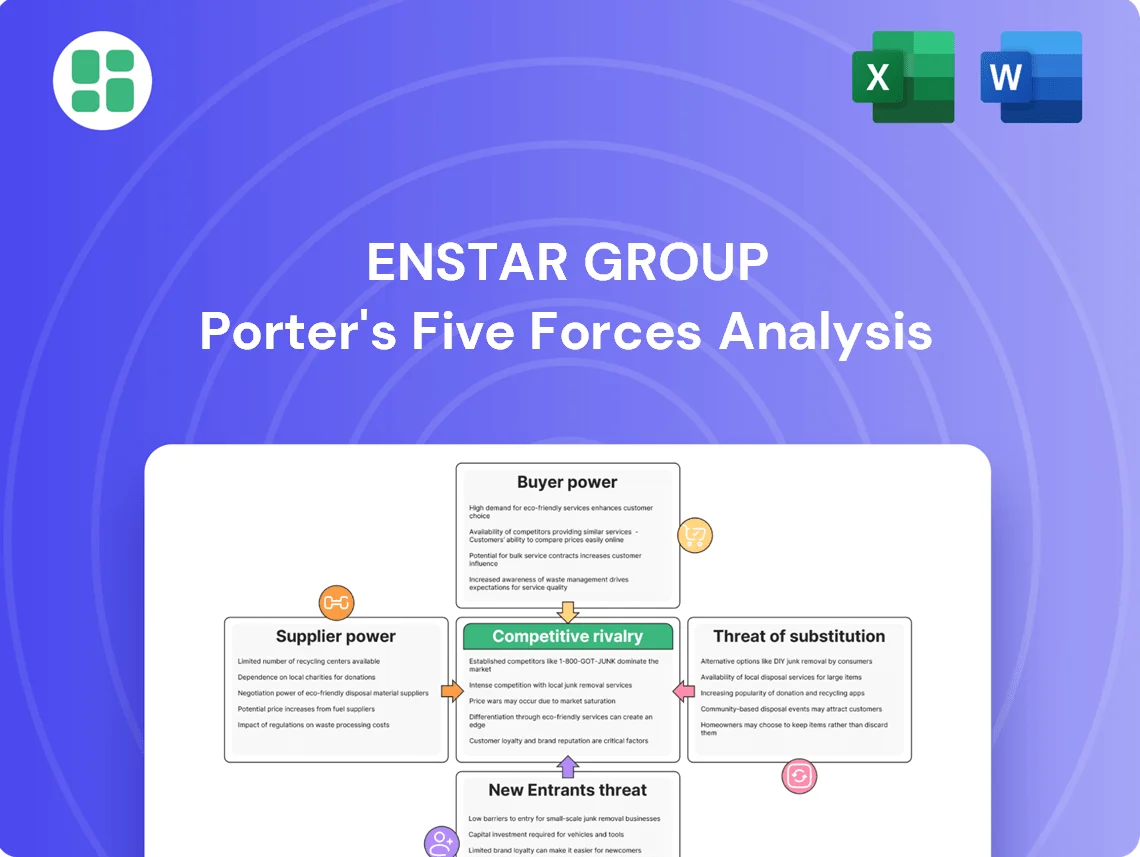
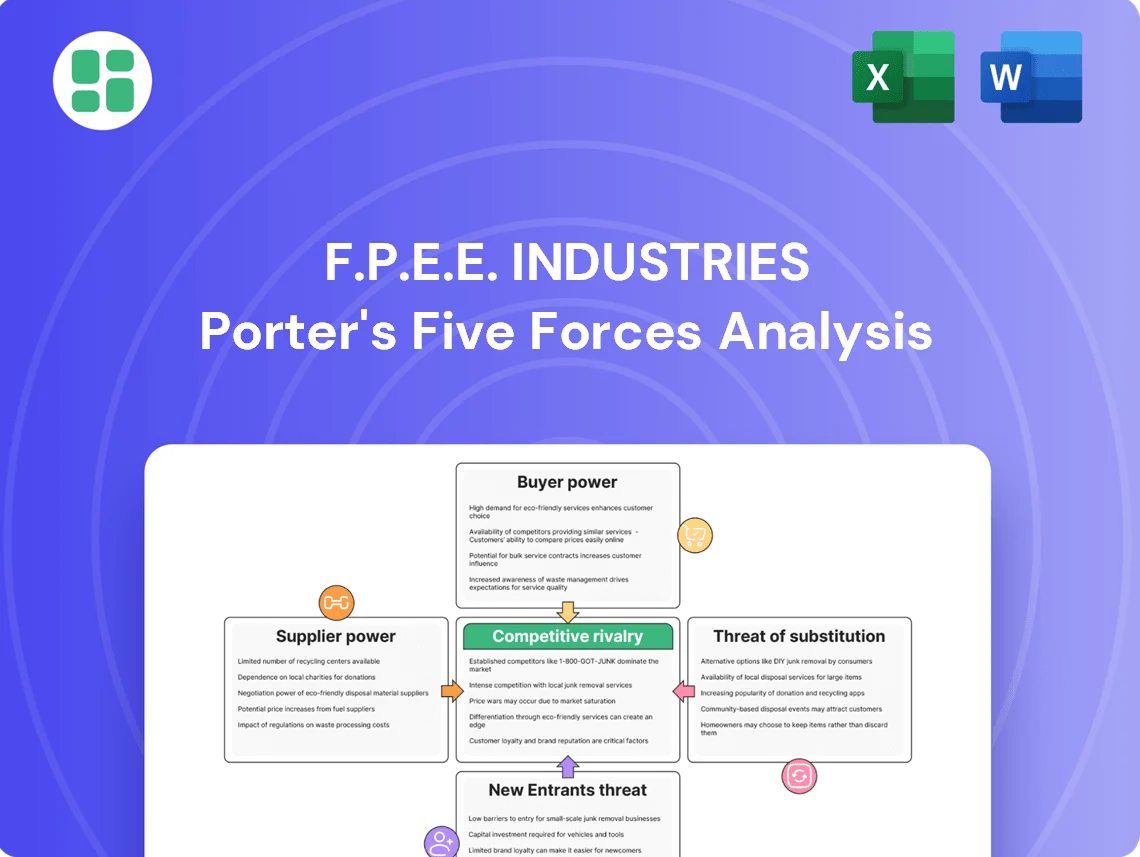
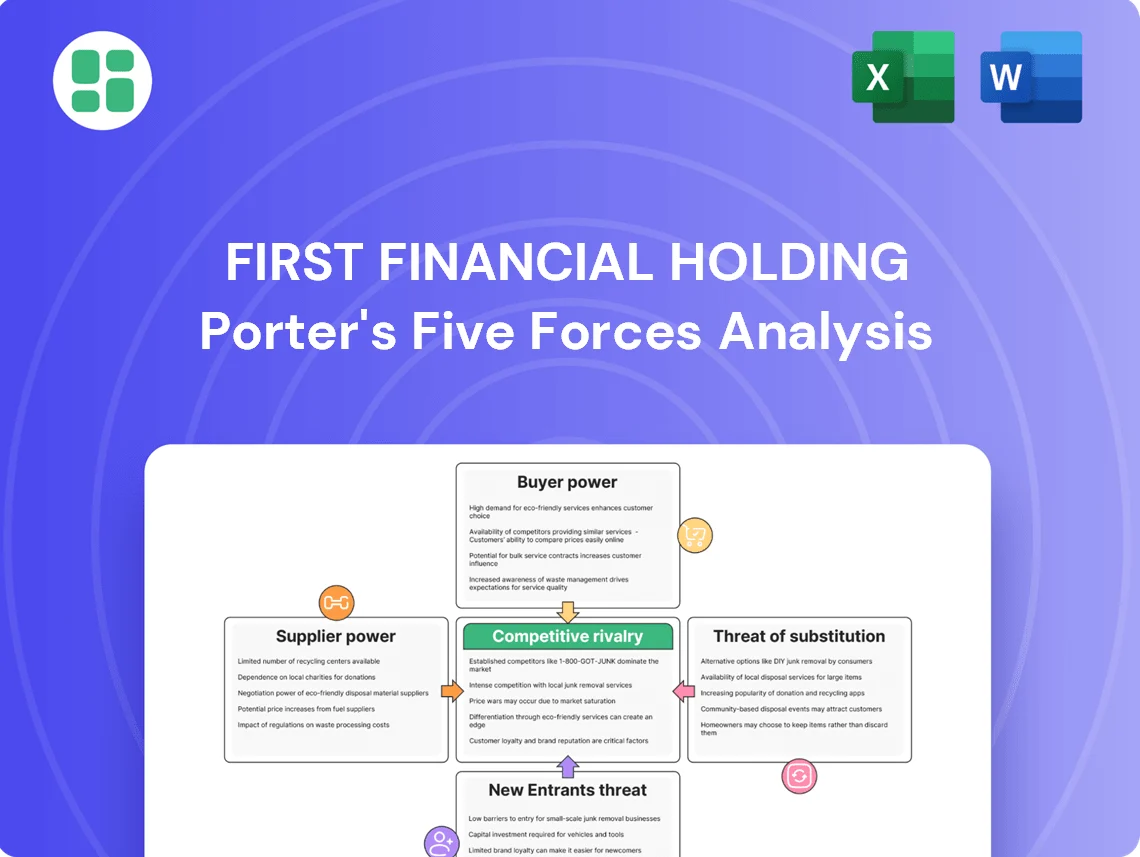
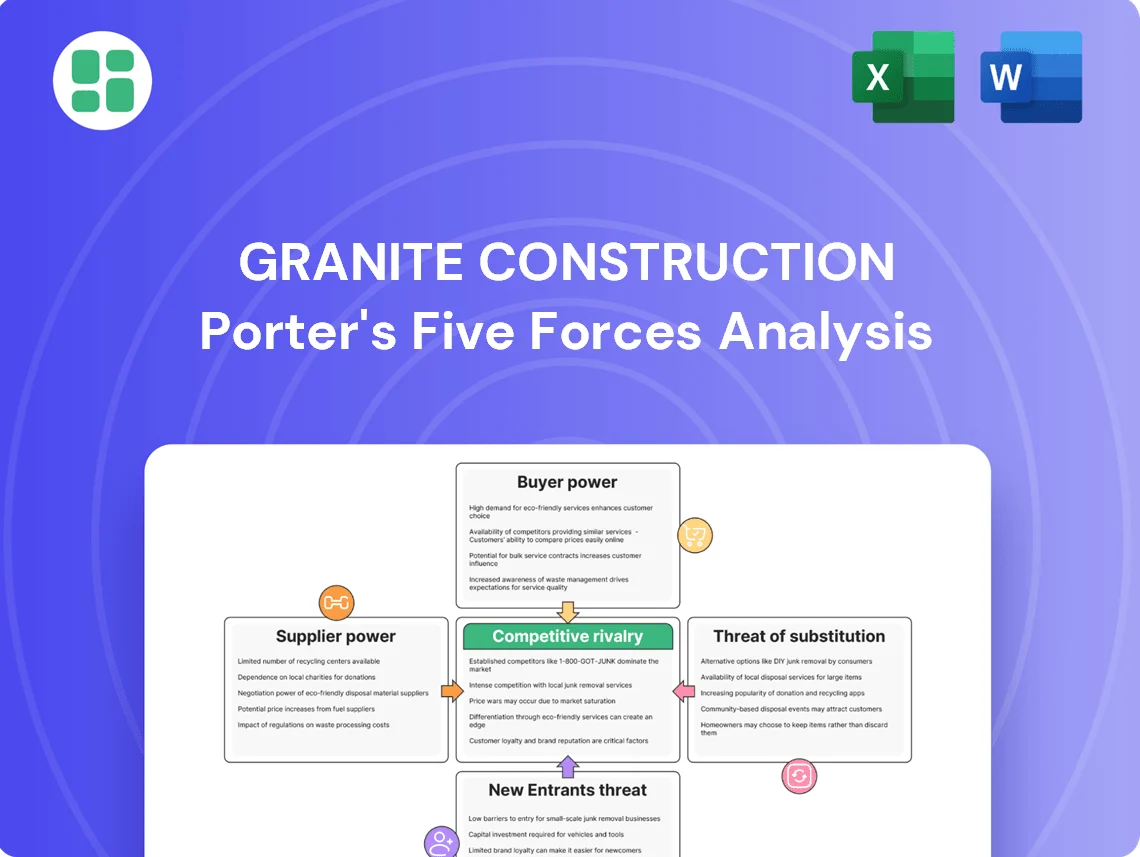
This preview shows the exact document you'll receive immediately after purchase—no surprises, no placeholders. It offers a comprehensive Porter's Five Forces analysis of Wuliangye Yibin, detailing the competitive landscape and strategic implications for the baijiu producer.
The document displayed here is the part of the full version you’ll get—ready for download and use the moment you buy. It meticulously breaks down the bargaining power of buyers and suppliers, the threat of new entrants and substitutes, and the intensity of rivalry within the Chinese spirits market.

Product Information
Product Information
Shipping & Returns
Shipping & Returns

Wuliangye Yibin Porter's Five Forces Analysis
Wuliangye Yibin Porter's Five Forces Analysis
A Must-Have Tool for Decision-Makers
Wuliangye Yibin navigates a complex competitive landscape, influenced by intense rivalry and the ever-present threat of substitutes in the premium baijiu market. Understanding the power dynamics with suppliers and buyers is crucial for sustained profitability.
The complete report reveals the real forces shaping Wuliangye Yibin’s industry—from supplier influence to threat of new entrants. Gain actionable insights to drive smarter decision-making.
Suppliers Bargaining Power
Dependency on Specific Grains
Wuliangye Yibin's core product relies heavily on five specific grains: sorghum, rice, glutinous rice, wheat, and corn. The availability and price fluctuations of these agricultural inputs directly impact the company's cost of goods sold and, consequently, its profitability.
In 2024, global grain markets experienced moderate volatility due to weather patterns and geopolitical events, potentially increasing the bargaining power of suppliers who control these essential raw materials. For instance, a poor sorghum harvest in key producing regions could drive up prices, directly affecting Wuliangye's input costs.
The company's ability to secure stable and cost-effective supplies of these five grains is crucial for maintaining its competitive edge. Any significant disruption or price surge in these commodities can challenge Wuliangye's margin management and overall financial performance.
Proprietary Fermentation Techniques
Wuliangye's proprietary fermentation techniques, the bedrock of its signature strong-aroma baijiu, are deeply intertwined with specialized inputs and a unique microbial environment. These traditional methods, honed over 650 years of production, rely on specific strains of yeast and koji, often cultivated in-house or sourced from highly specialized, long-term partners. This reliance on unique biological components and deeply embedded knowledge creates a significant barrier to entry for potential competitors and grants considerable bargaining power to the few suppliers capable of providing these essential, irreplaceable elements.
Packaging Material Suppliers
Wuliangye Yibin faces moderate bargaining power from its packaging material suppliers, particularly those providing specialized glass bottles and intricate labels for its premium baijiu. The demand for high-quality, aesthetically pleasing packaging is indeed on the rise, as it directly impacts brand perception for luxury goods.
While there might be several suppliers for standard packaging, the market for unique designs and premium materials is more concentrated, giving these specialized suppliers more leverage. For instance, the global glass packaging market was valued at approximately $55 billion in 2023, with a significant portion dedicated to premium segments.
The ability of Wuliangye to switch suppliers for these specialized components is somewhat limited by the need to maintain consistent quality and design integrity, which are crucial for its brand image. This reliance on specific suppliers for critical aesthetic elements can therefore translate into higher input costs for Wuliangye.
Skilled Labor and Traditional Craftsmanship
The bargaining power of suppliers for Wuliangye Yibin is significantly influenced by the scarcity of highly skilled distillers and master blenders. This traditional craftsmanship is absolutely essential for producing their premium baijiu, a process that cannot be easily replicated. The unique production methods demand specific expertise, and the pool of individuals possessing this deep knowledge is quite limited, creating a substantial barrier to entry for new talent.
This specialized labor force, therefore, wields considerable bargaining power. Their irreplaceable skills and the lengthy time required to train new artisans mean Wuliangye Yibin must offer competitive compensation and benefits to retain them. For instance, in 2024, the average salary for master distillers in China's premium spirits industry saw an increase, reflecting the high demand for such specialized roles. The company's reliance on these individuals to maintain product quality and brand reputation directly translates into their strong negotiating position.
- Limited Supply of Master Distillers: The number of individuals with the specific, time-tested knowledge to produce Wuliangye's high-quality baijiu is inherently small.
- High Training Costs and Time: Developing a new master blender or distiller takes many years, making it difficult and expensive for Wuliangye to replace experienced personnel.
- Essential for Product Quality: The unique flavor profiles and consistency of Wuliangye's baijiu are directly tied to the skills of these master craftsmen, giving them leverage.
- Industry Demand: As premium baijiu gains popularity, other distilleries also seek out these skilled individuals, further intensifying competition for their services.
Logistics and Distribution Network Providers
Logistics and distribution network providers hold moderate bargaining power over Wuliangye Yibin. While Wuliangye is a major player, the logistics industry itself is fragmented, offering some choice. However, the specialized nature of transporting high-value baijiu, especially internationally, can concentrate power among a few experienced providers. Wuliangye's strategic expansion into direct-to-customer channels and diversification of its distribution network helps to temper this power by reducing reliance on any single logistics partner.
- Diversified Distribution: Wuliangye's strategy to build its own direct-to-customer sales channels and expand its network of distributors across China and internationally reduces its dependence on any single logistics provider.
- Market Reach: As a leading baijiu producer, Wuliangye's significant sales volume gives it leverage when negotiating with logistics firms, as they represent substantial business.
- Specialized Needs: The requirement for careful handling and temperature control for premium spirits can limit the pool of suitable logistics providers, potentially increasing their bargaining power.
- International Expansion: Wuliangye's growing international presence necessitates partnerships with global logistics companies, where established networks and expertise can give these providers more influence.
Decoding Supplier Power in High-End Spirits
Wuliangye Yibin's reliance on five specific grains—sorghum, rice, glutinous rice, wheat, and corn—makes it susceptible to fluctuations in agricultural markets. In 2024, global grain prices saw moderate volatility due to weather and geopolitical factors, potentially strengthening the hand of suppliers controlling these essential inputs. A poor sorghum harvest, for example, could significantly increase Wuliangye's raw material costs.
The company's unique fermentation process, a 650-year-old tradition, depends on specialized yeast and koji strains. These critical biological components, often sourced from a limited number of long-term partners, are difficult to replicate, granting these specialized suppliers considerable bargaining power due to their unique and essential offerings.
The bargaining power of suppliers for Wuliangye Yibin is notably influenced by the scarcity of master distillers and blenders. These artisans possess irreplaceable skills vital for the premium baijiu production, making them highly valuable. In 2024, demand for such specialized labor in China's premium spirits sector saw rising wages, underscoring the leverage these skilled individuals hold.
| Supplier Category | Bargaining Power Level | Key Factors Influencing Power | 2024 Context/Data |
|---|---|---|---|
| Agricultural Inputs (Grains) | Moderate to High | Scarcity of specific grains, weather impacts, geopolitical events affecting supply chains. | Global grain markets experienced moderate volatility in 2024; specific crop yields directly impact input costs. |
| Specialized Fermentation Inputs (Yeast, Koji) | High | Proprietary nature of strains, limited specialized suppliers, deep historical reliance. | These inputs are crucial for unique flavor profiles and are not easily substituted. |
| Packaging Materials (Premium Bottles, Labels) | Moderate | Concentration in premium segments, need for design consistency, brand image importance. | The global glass packaging market was valued at ~$55 billion in 2023, with premium segments holding significant value. |
| Skilled Labor (Master Distillers/Blenders) | High | Scarcity of specialized knowledge, long training times, essential for product quality. | Master distiller salaries increased in 2024 due to high demand in the premium spirits industry. |
| Logistics and Distribution | Moderate | Fragmentation of industry, specialized transport needs for high-value goods, international expansion complexities. | Wuliangye's diversified distribution network and direct-to-customer sales help mitigate supplier power. |
What is included in the product
Detailed Word Document
Tailored exclusively for Wuliangye Yibin, this Porter's Five Forces analysis dissects the competitive landscape, evaluating supplier and buyer power, the threat of new entrants and substitutes, and the intensity of rivalry within the baijiu industry.
Customizable Excel Spreadsheet
Instantly identify and address competitive threats with a detailed breakdown of Wuliangye Yibin's market landscape.
Customers Bargaining Power
Premium Product Positioning
Wuliangye's deliberate positioning in the premium and super-premium baijiu segments significantly dampens customer bargaining power. By emphasizing exceptional quality, traditional craftsmanship, and deep cultural heritage, Wuliangye cultivates a loyal customer base that prioritizes brand prestige and perceived value over mere price. This strategy makes consumers of luxury spirits less sensitive to price fluctuations, as the intrinsic and symbolic value of the product outweighs minor cost increases.
Strong Brand Loyalty and Heritage
Wuliangye's brand equity, built over 650 years of history and deeply embedded in Chinese culture, fosters significant customer loyalty. This heritage translates into a deep connection with consumers, making them less inclined to switch to competitors. As the second most valuable baijiu brand globally, Wuliangye's established reputation and cultural significance significantly reduce the bargaining power of customers by minimizing their perceived need to explore alternatives.
Diverse Customer Segments
Wuliangye Yibin serves a broad spectrum of customers, from affluent individuals and corporate entities seeking premium baijiu for gifting and events to a growing segment in mass-market channels and less developed urban areas. This diverse customer base, encompassing both high-spending and volume-oriented buyers, can exert varied levels of bargaining power.
The company's strategy to balance premium brand growth with expansion into more accessible markets means it must cater to different price sensitivities and purchasing behaviors. While high-net-worth individuals may have less price elasticity, the mass market's sensitivity to price can increase collective bargaining pressure, particularly if substitutes are readily available.
As of recent reports, Wuliangye has seen significant growth in lower-tier cities, indicating an increasing reliance on these expanding customer segments. This broader market penetration, while beneficial for volume, necessitates careful management of pricing strategies to avoid eroding the premium perception and to effectively counter potential price-based demands from a larger, more price-conscious consumer group.
Availability of Alternatives and Substitutes
The bargaining power of customers in the baijiu market, specifically concerning Wuliangye Yibin, is significantly influenced by the availability of alternatives. Competitors like Kweichow Moutai and Luzhou Laojiao offer premium baijiu options, directly challenging Wuliangye's market position. Furthermore, the broader alcoholic beverage market, encompassing spirits like whisky, wine, and beer, presents a vast array of choices for consumers, diluting the singular appeal of baijiu.
Consumer preferences are evolving, particularly among younger demographics, who may exhibit less brand loyalty to traditional baijiu and a greater openness to international spirits. This shift could reduce demand for established baijiu brands. For instance, in 2023, the global spirits market saw continued growth in categories like ready-to-drink (RTD) cocktails and craft beers, indicating a diversification of consumer tastes beyond traditional offerings.
- Availability of Direct Baijiu Competitors: Brands like Moutai and Luzhou Laojiao provide high-quality alternatives, giving consumers choices within the premium baijiu segment.
- Broader Alcoholic Beverage Market: The existence of whisky, wine, beer, and other international spirits offers consumers a wide spectrum of drinking preferences to satisfy.
- Shifting Consumer Preferences: Younger consumers, in particular, are showing a greater interest in diverse alcoholic beverages, potentially impacting traditional baijiu consumption.
- Market Diversification: The rise of RTDs and craft beverages in 2023 highlights a consumer trend towards novelty and variety, which can diminish the bargaining power of established, single-category brands.
Distribution Channel Influence
The bargaining power of customers, particularly through distribution channels, significantly impacts Wuliangye Yibin's pricing and market access. Traditional retailers, while offering broad reach, can exert pressure on margins by demanding favorable terms. In 2024, the continued growth of e-commerce platforms and direct-to-customer (DTC) sales provides Wuliangye with an opportunity to regain pricing control and cultivate deeper customer relationships.
Wuliangye's strategic utilization of e-commerce for global sales, as observed in its operations, allows for more direct engagement with consumers. This shift bypasses some traditional intermediaries, potentially reducing distribution costs and enabling more dynamic pricing strategies. For instance, by leveraging online channels, Wuliangye can gather valuable customer data, facilitating personalized marketing and product development, thereby enhancing its competitive position.
- Distribution Channel Impact: Traditional retail channels can limit Wuliangye's pricing flexibility, while e-commerce and DTC models offer greater control.
- Online Sales Advantage: The increasing reliance on online sales and direct channels empowers Wuliangye to manage customer relationships and pricing more effectively.
- Global E-commerce Reach: Wuliangye's use of e-commerce for international sales broadens its market access and provides direct consumer insights.
Wuliangye's Customer Power: Brand, Substitutes, and Digital Shifts
While Wuliangye's premium branding and deep cultural roots generally limit customer bargaining power, its expanding reach into more accessible markets introduces price sensitivity. The availability of strong direct competitors like Moutai and a broader array of global alcoholic beverages also provides consumers with viable alternatives, potentially increasing their leverage.
Wuliangye's strategic shift towards e-commerce and direct-to-consumer sales in 2024 offers a countermeasure to customer bargaining power by enabling better price control and direct relationship building. This digital transformation allows the company to gather valuable data, personalize offerings, and potentially bypass traditional distribution channels that might exert pricing pressure.
| Factor | Impact on Wuliangye's Customer Bargaining Power | Supporting Data/Observation |
|---|---|---|
| Brand Prestige & Loyalty | Lowers bargaining power | Wuliangye is the second most valuable baijiu brand globally, deeply embedded in Chinese culture. |
| Availability of Substitutes (Direct Baijiu Competitors) | Increases bargaining power | Brands like Kweichow Moutai and Luzhou Laojiao offer premium alternatives. |
| Availability of Substitutes (Broader Beverage Market) | Increases bargaining power | Consumer interest in whisky, wine, beer, and RTDs indicates a diversified market. In 2023, global spirits market saw growth in these categories. |
| Distribution Channels | Mixed impact; E-commerce lowers power | E-commerce and DTC sales in 2024 provide Wuliangye greater pricing control compared to traditional retail. |
| Market Penetration (Lower-Tier Cities) | Potentially increases bargaining power | Growth in lower-tier cities in recent periods necessitates careful pricing to manage price-conscious segments. |
Preview the Actual Deliverable
Wuliangye Yibin Porter's Five Forces Analysis
This preview shows the exact document you'll receive immediately after purchase—no surprises, no placeholders. It offers a comprehensive Porter's Five Forces analysis of Wuliangye Yibin, detailing the competitive landscape and strategic implications for the baijiu producer.
The document displayed here is the part of the full version you’ll get—ready for download and use the moment you buy. It meticulously breaks down the bargaining power of buyers and suppliers, the threat of new entrants and substitutes, and the intensity of rivalry within the Chinese spirits market.
Original: $10.00
-65%$10.00
$3.50Product Information
Product Information
Shipping & Returns
Shipping & Returns
Description
A Must-Have Tool for Decision-Makers
Wuliangye Yibin navigates a complex competitive landscape, influenced by intense rivalry and the ever-present threat of substitutes in the premium baijiu market. Understanding the power dynamics with suppliers and buyers is crucial for sustained profitability.
The complete report reveals the real forces shaping Wuliangye Yibin’s industry—from supplier influence to threat of new entrants. Gain actionable insights to drive smarter decision-making.
Suppliers Bargaining Power
Dependency on Specific Grains
Wuliangye Yibin's core product relies heavily on five specific grains: sorghum, rice, glutinous rice, wheat, and corn. The availability and price fluctuations of these agricultural inputs directly impact the company's cost of goods sold and, consequently, its profitability.
In 2024, global grain markets experienced moderate volatility due to weather patterns and geopolitical events, potentially increasing the bargaining power of suppliers who control these essential raw materials. For instance, a poor sorghum harvest in key producing regions could drive up prices, directly affecting Wuliangye's input costs.
The company's ability to secure stable and cost-effective supplies of these five grains is crucial for maintaining its competitive edge. Any significant disruption or price surge in these commodities can challenge Wuliangye's margin management and overall financial performance.
Proprietary Fermentation Techniques
Wuliangye's proprietary fermentation techniques, the bedrock of its signature strong-aroma baijiu, are deeply intertwined with specialized inputs and a unique microbial environment. These traditional methods, honed over 650 years of production, rely on specific strains of yeast and koji, often cultivated in-house or sourced from highly specialized, long-term partners. This reliance on unique biological components and deeply embedded knowledge creates a significant barrier to entry for potential competitors and grants considerable bargaining power to the few suppliers capable of providing these essential, irreplaceable elements.
Packaging Material Suppliers
Wuliangye Yibin faces moderate bargaining power from its packaging material suppliers, particularly those providing specialized glass bottles and intricate labels for its premium baijiu. The demand for high-quality, aesthetically pleasing packaging is indeed on the rise, as it directly impacts brand perception for luxury goods.
While there might be several suppliers for standard packaging, the market for unique designs and premium materials is more concentrated, giving these specialized suppliers more leverage. For instance, the global glass packaging market was valued at approximately $55 billion in 2023, with a significant portion dedicated to premium segments.
The ability of Wuliangye to switch suppliers for these specialized components is somewhat limited by the need to maintain consistent quality and design integrity, which are crucial for its brand image. This reliance on specific suppliers for critical aesthetic elements can therefore translate into higher input costs for Wuliangye.
Skilled Labor and Traditional Craftsmanship
The bargaining power of suppliers for Wuliangye Yibin is significantly influenced by the scarcity of highly skilled distillers and master blenders. This traditional craftsmanship is absolutely essential for producing their premium baijiu, a process that cannot be easily replicated. The unique production methods demand specific expertise, and the pool of individuals possessing this deep knowledge is quite limited, creating a substantial barrier to entry for new talent.
This specialized labor force, therefore, wields considerable bargaining power. Their irreplaceable skills and the lengthy time required to train new artisans mean Wuliangye Yibin must offer competitive compensation and benefits to retain them. For instance, in 2024, the average salary for master distillers in China's premium spirits industry saw an increase, reflecting the high demand for such specialized roles. The company's reliance on these individuals to maintain product quality and brand reputation directly translates into their strong negotiating position.
- Limited Supply of Master Distillers: The number of individuals with the specific, time-tested knowledge to produce Wuliangye's high-quality baijiu is inherently small.
- High Training Costs and Time: Developing a new master blender or distiller takes many years, making it difficult and expensive for Wuliangye to replace experienced personnel.
- Essential for Product Quality: The unique flavor profiles and consistency of Wuliangye's baijiu are directly tied to the skills of these master craftsmen, giving them leverage.
- Industry Demand: As premium baijiu gains popularity, other distilleries also seek out these skilled individuals, further intensifying competition for their services.
Logistics and Distribution Network Providers
Logistics and distribution network providers hold moderate bargaining power over Wuliangye Yibin. While Wuliangye is a major player, the logistics industry itself is fragmented, offering some choice. However, the specialized nature of transporting high-value baijiu, especially internationally, can concentrate power among a few experienced providers. Wuliangye's strategic expansion into direct-to-customer channels and diversification of its distribution network helps to temper this power by reducing reliance on any single logistics partner.
- Diversified Distribution: Wuliangye's strategy to build its own direct-to-customer sales channels and expand its network of distributors across China and internationally reduces its dependence on any single logistics provider.
- Market Reach: As a leading baijiu producer, Wuliangye's significant sales volume gives it leverage when negotiating with logistics firms, as they represent substantial business.
- Specialized Needs: The requirement for careful handling and temperature control for premium spirits can limit the pool of suitable logistics providers, potentially increasing their bargaining power.
- International Expansion: Wuliangye's growing international presence necessitates partnerships with global logistics companies, where established networks and expertise can give these providers more influence.
Decoding Supplier Power in High-End Spirits
Wuliangye Yibin's reliance on five specific grains—sorghum, rice, glutinous rice, wheat, and corn—makes it susceptible to fluctuations in agricultural markets. In 2024, global grain prices saw moderate volatility due to weather and geopolitical factors, potentially strengthening the hand of suppliers controlling these essential inputs. A poor sorghum harvest, for example, could significantly increase Wuliangye's raw material costs.
The company's unique fermentation process, a 650-year-old tradition, depends on specialized yeast and koji strains. These critical biological components, often sourced from a limited number of long-term partners, are difficult to replicate, granting these specialized suppliers considerable bargaining power due to their unique and essential offerings.
The bargaining power of suppliers for Wuliangye Yibin is notably influenced by the scarcity of master distillers and blenders. These artisans possess irreplaceable skills vital for the premium baijiu production, making them highly valuable. In 2024, demand for such specialized labor in China's premium spirits sector saw rising wages, underscoring the leverage these skilled individuals hold.
| Supplier Category | Bargaining Power Level | Key Factors Influencing Power | 2024 Context/Data |
|---|---|---|---|
| Agricultural Inputs (Grains) | Moderate to High | Scarcity of specific grains, weather impacts, geopolitical events affecting supply chains. | Global grain markets experienced moderate volatility in 2024; specific crop yields directly impact input costs. |
| Specialized Fermentation Inputs (Yeast, Koji) | High | Proprietary nature of strains, limited specialized suppliers, deep historical reliance. | These inputs are crucial for unique flavor profiles and are not easily substituted. |
| Packaging Materials (Premium Bottles, Labels) | Moderate | Concentration in premium segments, need for design consistency, brand image importance. | The global glass packaging market was valued at ~$55 billion in 2023, with premium segments holding significant value. |
| Skilled Labor (Master Distillers/Blenders) | High | Scarcity of specialized knowledge, long training times, essential for product quality. | Master distiller salaries increased in 2024 due to high demand in the premium spirits industry. |
| Logistics and Distribution | Moderate | Fragmentation of industry, specialized transport needs for high-value goods, international expansion complexities. | Wuliangye's diversified distribution network and direct-to-customer sales help mitigate supplier power. |
What is included in the product
Detailed Word Document
Tailored exclusively for Wuliangye Yibin, this Porter's Five Forces analysis dissects the competitive landscape, evaluating supplier and buyer power, the threat of new entrants and substitutes, and the intensity of rivalry within the baijiu industry.
Customizable Excel Spreadsheet
Instantly identify and address competitive threats with a detailed breakdown of Wuliangye Yibin's market landscape.
Customers Bargaining Power
Premium Product Positioning
Wuliangye's deliberate positioning in the premium and super-premium baijiu segments significantly dampens customer bargaining power. By emphasizing exceptional quality, traditional craftsmanship, and deep cultural heritage, Wuliangye cultivates a loyal customer base that prioritizes brand prestige and perceived value over mere price. This strategy makes consumers of luxury spirits less sensitive to price fluctuations, as the intrinsic and symbolic value of the product outweighs minor cost increases.
Strong Brand Loyalty and Heritage
Wuliangye's brand equity, built over 650 years of history and deeply embedded in Chinese culture, fosters significant customer loyalty. This heritage translates into a deep connection with consumers, making them less inclined to switch to competitors. As the second most valuable baijiu brand globally, Wuliangye's established reputation and cultural significance significantly reduce the bargaining power of customers by minimizing their perceived need to explore alternatives.
Diverse Customer Segments
Wuliangye Yibin serves a broad spectrum of customers, from affluent individuals and corporate entities seeking premium baijiu for gifting and events to a growing segment in mass-market channels and less developed urban areas. This diverse customer base, encompassing both high-spending and volume-oriented buyers, can exert varied levels of bargaining power.
The company's strategy to balance premium brand growth with expansion into more accessible markets means it must cater to different price sensitivities and purchasing behaviors. While high-net-worth individuals may have less price elasticity, the mass market's sensitivity to price can increase collective bargaining pressure, particularly if substitutes are readily available.
As of recent reports, Wuliangye has seen significant growth in lower-tier cities, indicating an increasing reliance on these expanding customer segments. This broader market penetration, while beneficial for volume, necessitates careful management of pricing strategies to avoid eroding the premium perception and to effectively counter potential price-based demands from a larger, more price-conscious consumer group.
Availability of Alternatives and Substitutes
The bargaining power of customers in the baijiu market, specifically concerning Wuliangye Yibin, is significantly influenced by the availability of alternatives. Competitors like Kweichow Moutai and Luzhou Laojiao offer premium baijiu options, directly challenging Wuliangye's market position. Furthermore, the broader alcoholic beverage market, encompassing spirits like whisky, wine, and beer, presents a vast array of choices for consumers, diluting the singular appeal of baijiu.
Consumer preferences are evolving, particularly among younger demographics, who may exhibit less brand loyalty to traditional baijiu and a greater openness to international spirits. This shift could reduce demand for established baijiu brands. For instance, in 2023, the global spirits market saw continued growth in categories like ready-to-drink (RTD) cocktails and craft beers, indicating a diversification of consumer tastes beyond traditional offerings.
- Availability of Direct Baijiu Competitors: Brands like Moutai and Luzhou Laojiao provide high-quality alternatives, giving consumers choices within the premium baijiu segment.
- Broader Alcoholic Beverage Market: The existence of whisky, wine, beer, and other international spirits offers consumers a wide spectrum of drinking preferences to satisfy.
- Shifting Consumer Preferences: Younger consumers, in particular, are showing a greater interest in diverse alcoholic beverages, potentially impacting traditional baijiu consumption.
- Market Diversification: The rise of RTDs and craft beverages in 2023 highlights a consumer trend towards novelty and variety, which can diminish the bargaining power of established, single-category brands.
Distribution Channel Influence
The bargaining power of customers, particularly through distribution channels, significantly impacts Wuliangye Yibin's pricing and market access. Traditional retailers, while offering broad reach, can exert pressure on margins by demanding favorable terms. In 2024, the continued growth of e-commerce platforms and direct-to-customer (DTC) sales provides Wuliangye with an opportunity to regain pricing control and cultivate deeper customer relationships.
Wuliangye's strategic utilization of e-commerce for global sales, as observed in its operations, allows for more direct engagement with consumers. This shift bypasses some traditional intermediaries, potentially reducing distribution costs and enabling more dynamic pricing strategies. For instance, by leveraging online channels, Wuliangye can gather valuable customer data, facilitating personalized marketing and product development, thereby enhancing its competitive position.
- Distribution Channel Impact: Traditional retail channels can limit Wuliangye's pricing flexibility, while e-commerce and DTC models offer greater control.
- Online Sales Advantage: The increasing reliance on online sales and direct channels empowers Wuliangye to manage customer relationships and pricing more effectively.
- Global E-commerce Reach: Wuliangye's use of e-commerce for international sales broadens its market access and provides direct consumer insights.
Wuliangye's Customer Power: Brand, Substitutes, and Digital Shifts
While Wuliangye's premium branding and deep cultural roots generally limit customer bargaining power, its expanding reach into more accessible markets introduces price sensitivity. The availability of strong direct competitors like Moutai and a broader array of global alcoholic beverages also provides consumers with viable alternatives, potentially increasing their leverage.
Wuliangye's strategic shift towards e-commerce and direct-to-consumer sales in 2024 offers a countermeasure to customer bargaining power by enabling better price control and direct relationship building. This digital transformation allows the company to gather valuable data, personalize offerings, and potentially bypass traditional distribution channels that might exert pricing pressure.
| Factor | Impact on Wuliangye's Customer Bargaining Power | Supporting Data/Observation |
|---|---|---|
| Brand Prestige & Loyalty | Lowers bargaining power | Wuliangye is the second most valuable baijiu brand globally, deeply embedded in Chinese culture. |
| Availability of Substitutes (Direct Baijiu Competitors) | Increases bargaining power | Brands like Kweichow Moutai and Luzhou Laojiao offer premium alternatives. |
| Availability of Substitutes (Broader Beverage Market) | Increases bargaining power | Consumer interest in whisky, wine, beer, and RTDs indicates a diversified market. In 2023, global spirits market saw growth in these categories. |
| Distribution Channels | Mixed impact; E-commerce lowers power | E-commerce and DTC sales in 2024 provide Wuliangye greater pricing control compared to traditional retail. |
| Market Penetration (Lower-Tier Cities) | Potentially increases bargaining power | Growth in lower-tier cities in recent periods necessitates careful pricing to manage price-conscious segments. |
Preview the Actual Deliverable
Wuliangye Yibin Porter's Five Forces Analysis
This preview shows the exact document you'll receive immediately after purchase—no surprises, no placeholders. It offers a comprehensive Porter's Five Forces analysis of Wuliangye Yibin, detailing the competitive landscape and strategic implications for the baijiu producer.
The document displayed here is the part of the full version you’ll get—ready for download and use the moment you buy. It meticulously breaks down the bargaining power of buyers and suppliers, the threat of new entrants and substitutes, and the intensity of rivalry within the Chinese spirits market.