SATS Porter's Five Forces Analysis

From Overview to Strategy Blueprint
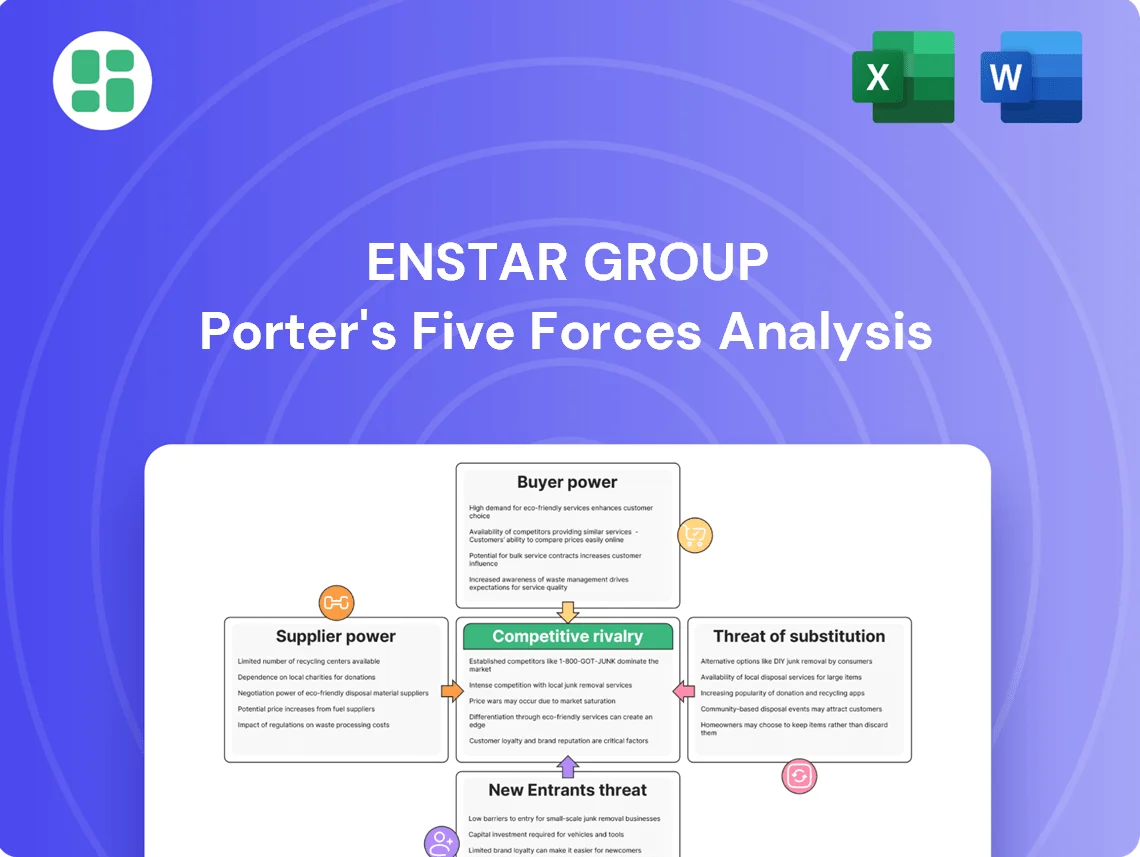
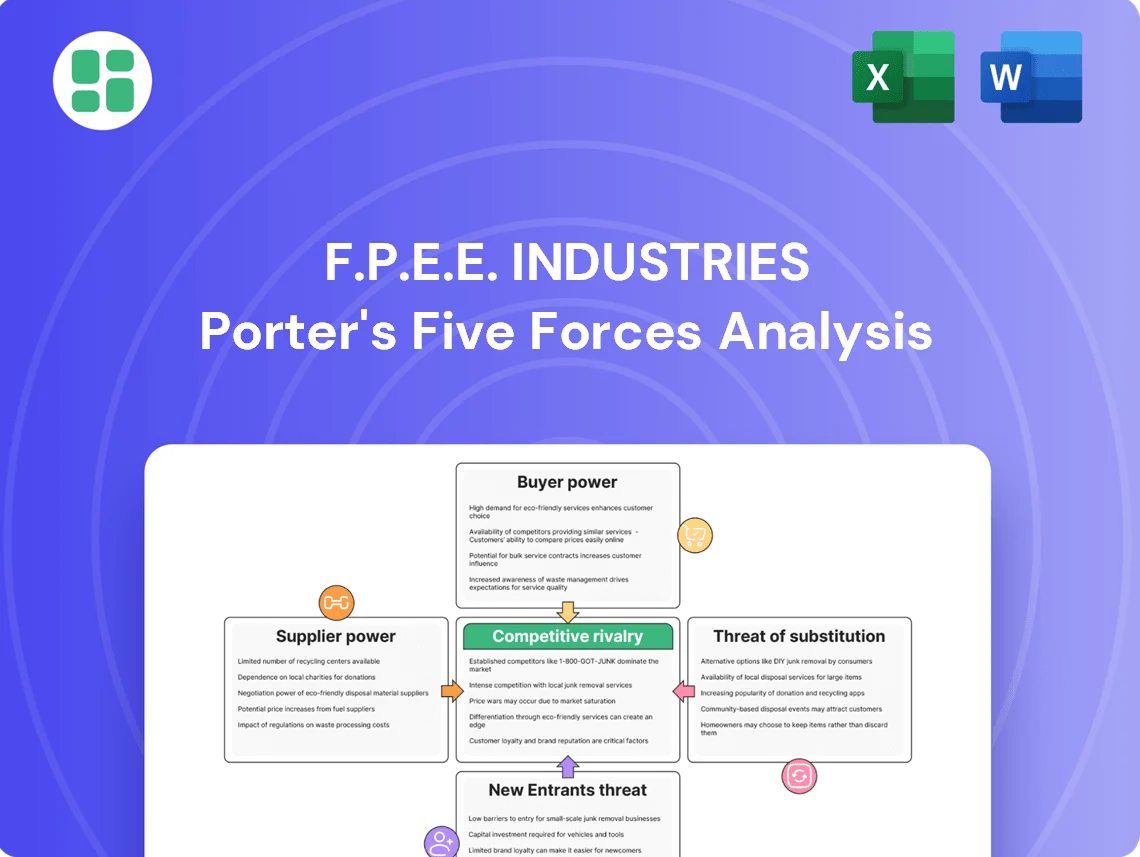
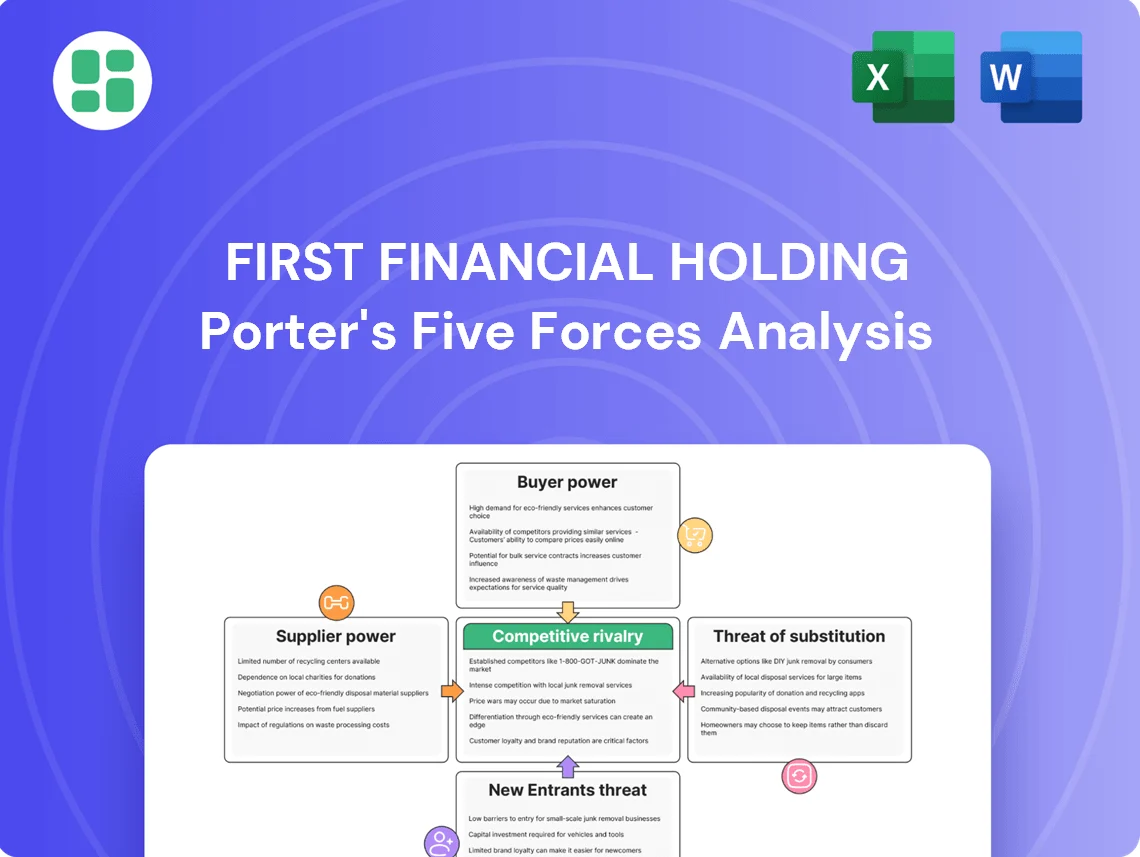
Porter's Five Forces Analysis provides a powerful lens to understand the competitive landscape for SATS. It dissects the bargaining power of buyers and suppliers, the threat of new entrants and substitutes, and the intensity of rivalry within the industry. This framework helps identify key strategic challenges and opportunities.
This brief snapshot only scratches the surface. Unlock the full Porter's Five Forces Analysis to explore SATS’s competitive dynamics, market pressures, and strategic advantages in detail.
Suppliers Bargaining Power

Concentrated Supplier Market
The bargaining power of SATS' suppliers can be considered moderate to high, particularly when the market for specialized fitness equipment, premium IT systems for club management, or high-demand personal training certifications is dominated by a few key players. This concentration means these suppliers can exert considerable influence over pricing and contract terms.
If SATS depends on unique or patented technologies for its operations, the leverage held by those specific suppliers escalates significantly. This reliance on proprietary solutions grants suppliers greater control, potentially leading to increased costs for SATS or less favorable contractual arrangements that could impact profitability.
Switching Costs for SATS
High switching costs significantly bolster supplier bargaining power for SATS. Imagine the expense and operational headache of replacing an entire gym's worth of equipment or migrating a complex membership management system. These substantial investments and the disruption involved make it difficult for SATS to easily change suppliers.
If SATS has committed substantial capital to a particular supplier's technology or has entered into long-term agreements, the cost and effort of switching become prohibitive. This effectively locks SATS into existing supplier relationships, thereby diminishing its leverage in price negotiations and contract terms.

Uniqueness of Supplier Offerings
Suppliers who provide highly unique or proprietary products and services, such as advanced fitness equipment or exclusive class formats, wield significant bargaining power. If SATS heavily relies on these specialized offerings to set itself apart and enhance its customer experience, its options for alternative suppliers become quite limited.
This distinctiveness enables these suppliers to negotiate for higher prices or enforce more stringent contract terms, directly impacting SATS' operational costs and profitability. For instance, a supplier of a patented, high-demand interactive cycling system could dictate terms that SATS must accept due to the system's crucial role in attracting and retaining members.

Threat of Forward Integration by Suppliers
The threat of suppliers integrating forward, meaning they might start their own fitness clubs or directly offer services to consumers, could significantly boost their bargaining power. This scenario, while perhaps less likely for basic equipment makers, poses a real risk if specialized training academies or digital fitness content creators decide to bypass SATS and reach customers directly. Such a move would undoubtedly pressure SATS to agree to less advantageous terms to preserve crucial supplier relationships.
For instance, if a key provider of innovative fitness technology, which SATS relies on for its premium offerings, were to launch its own branded digital fitness platform, it could directly compete for SATS’s customer base. This would shift the power dynamic, potentially forcing SATS to accept higher prices or less favorable delivery schedules for that technology to maintain access. In 2024, the digital fitness market saw substantial growth, with global revenues projected to reach over $20 billion, highlighting the potential for such forward integration by content and platform providers.
- Supplier Forward Integration Risk: Suppliers might launch their own fitness clubs or digital platforms, directly competing with SATS.
- Impact on Bargaining Power: This would increase supplier leverage, potentially leading to less favorable terms for SATS.
- Specific Concerns: Specialized training academies and digital fitness content providers are more likely to pursue this strategy.
- Market Context (2024): The burgeoning digital fitness sector, valued in the tens of billions, presents a fertile ground for such competitive moves.
Importance of SATS to Supplier's Revenue
The bargaining power of suppliers to SATS is influenced by how crucial SATS is to their overall revenue. If SATS accounts for a substantial portion of a supplier's sales, that supplier may be more inclined to offer favorable terms to retain SATS as a client, thereby reducing their bargaining power. For instance, if a key catering supplier for SATS derives 30% of its annual revenue from SATS, they are likely to be more accommodating than a supplier for whom SATS represents only 1% of their business.
Conversely, a supplier that serves a diverse client base, with SATS being a minor customer, possesses greater leverage. This is because the supplier has less dependence on SATS and can afford to be less flexible on pricing or contract terms. In 2023, the global aviation services market saw numerous smaller, specialized suppliers catering to a wide array of airlines and airport operators, allowing them to dictate terms more effectively to individual clients like SATS if their business volume was not significant.
The relative scale of SATS' procurement from a supplier is a critical factor. When SATS places large orders, it can signal importance to the supplier, potentially shifting the balance of power.
- Supplier Dependence: A supplier heavily reliant on SATS for revenue has less bargaining power.
- Client Diversification: Suppliers with many clients have more power over individual customers like SATS.
- Purchase Volume: Larger SATS orders can increase supplier willingness to negotiate.
- Market Conditions (2023): A fragmented supplier market can empower suppliers with less reliance on SATS.
Understanding SATS' Supplier Bargaining Power
The bargaining power of SATS' suppliers is influenced by the concentration of the supplier market and the uniqueness of their offerings. When few suppliers dominate a market for specialized equipment or IT systems, they can command higher prices and stricter terms. This is amplified if SATS relies on proprietary technologies, making switching difficult and costly due to significant investments in existing systems.
High switching costs for SATS, such as replacing specialized fitness equipment or migrating complex membership software, significantly empower suppliers. Suppliers who provide unique, high-demand products, like patented interactive fitness systems, can dictate terms, impacting SATS' operational costs and profitability. For instance, in 2024, the digital fitness market's growth to over $20 billion underscores the potential for platform providers to leverage their unique content.
The threat of supplier forward integration, where suppliers might launch competing services, also increases their leverage. Specialized training academies or digital content creators could bypass SATS to reach customers directly, forcing SATS into less favorable agreements. This dynamic is particularly relevant in the rapidly expanding digital fitness sector.
The degree to which SATS is a significant customer for its suppliers also shapes bargaining power. If SATS represents a large portion of a supplier's revenue, the supplier may be more accommodating. Conversely, suppliers with diversified client bases, where SATS is a minor customer, hold more power, as seen in the fragmented global aviation services market in 2023.
| Factor | Impact on SATS' Supplier Bargaining Power | Example/Market Context (2024) |
| Supplier Market Concentration | Increases Power | Few dominant suppliers for specialized fitness equipment |
| Uniqueness of Offerings | Increases Power | Proprietary IT systems, patented interactive fitness technology |
| Switching Costs | Increases Power | High costs and disruption to replace gym equipment or membership software |
| Supplier Dependence on SATS | Decreases Power | SATS is a major revenue source for the supplier |
| Client Diversification of Supplier | Increases Power | Supplier serves many clients, SATS is a small part of their business |
| Forward Integration Threat | Increases Power | Digital fitness content providers launching own platforms (e.g., global market >$20 billion in 2024) |
What is included in the product
 Detailed Word Document
Uncovers key drivers of competition, customer influence, and market entry risks tailored to SATS, evaluating the impact of existing rivals, new entrants, suppliers, buyers, and substitutes on its profitability.

 Customizable Excel Spreadsheet
Effortlessly identify and prioritize competitive threats with a visual breakdown of each force, enabling targeted strategy development.
Customers Bargaining Power

Low Switching Costs for Members
Customers in the fitness sector often have very low costs associated with switching to a different provider. This makes it quite simple for individuals to move from one gym to another or explore different fitness activities. This ease of transition significantly amplifies the power of the customer.
Consequently, SATS faces pressure to consistently deliver competitive pricing, maintain top-notch facilities, and provide engaging services to keep its members. For instance, the average monthly cost for a gym membership in major cities in 2024 hovered around $50-$70, making price a significant factor for consumers.
Competitors frequently leverage promotions and attractive introductory offers, which can readily entice members to switch their allegiance. This dynamic means SATS must remain vigilant and responsive to market trends and customer preferences to ensure retention and continued growth.
Price Sensitivity of Members
The price sensitivity of SATS' members is a key consideration, especially given the availability of numerous budget-friendly fitness options in the Nordic region. Consumers actively compare prices, seeking the most value, which inherently pressures SATS' pricing structures and profitability.
For instance, in 2023, the average monthly membership fee for fitness centers in Sweden, a key market for SATS, ranged from approximately SEK 300 to SEK 600, with budget gyms often falling at the lower end. This competitive landscape means that even small price increases by SATS could lead members to explore cheaper alternatives, impacting customer retention.
Economic downturns further exacerbate this price sensitivity. During periods of reduced disposable income, consumers are more inclined to cut discretionary spending, making gym memberships a prime target. If SATS faces increased competition from low-cost gyms that offer basic amenities at significantly lower price points, this sensitivity will be amplified, potentially leading to a decline in membership numbers or a need for promotional pricing.

Availability of Alternative Fitness Options
The fitness market in 2024 is characterized by an abundance of choices for consumers. Beyond SATS, individuals can access services from competitors like Pure Fitness, Fitness First, and numerous specialized boutique studios focusing on yoga, CrossFit, or cycling. This extensive network of alternatives directly impacts SATS' bargaining power.
Furthermore, the rise of digital fitness solutions in 2024, including apps like Peloton, Nike Training Club, and countless online class providers, offers a convenient and often more affordable alternative. These digital platforms provide flexibility and variety, allowing consumers to exercise at home, further diminishing the captive audience for traditional gym memberships.
With so many fitness options readily available, customers in 2024 are not reliant on any single provider. This broad spectrum of choices empowers them to seek out the best value, whether that's price, specialized classes, or convenient locations, thereby limiting SATS' capacity to impose unfavorable terms or price increases.

Access to Information and Comparison
Customers today have unprecedented access to information, making it easier than ever to compare fitness providers like SATS. Online platforms, review sites, and social media channels allow potential members to research pricing, service quality, and user experiences across the industry. This transparency directly empowers them to make informed choices and negotiate better terms, putting pressure on SATS to remain competitive.
The ease of online comparison means SATS's pricing and service packages are constantly benchmarked against competitors. For instance, a quick search can reveal that similar gym memberships in major cities might range from $50 to $150 per month, depending on facilities and included services. This readily available data allows customers to identify if SATS's offerings are perceived as high value or overpriced, directly impacting their willingness to pay and their ability to bargain.
- Information Accessibility: Customers can easily access SATS's pricing, membership tiers, and facility details online.
- Competitive Benchmarking: Online reviews and comparison websites allow customers to readily compare SATS against competitors in terms of price and service offerings.
- Influence of Online Feedback: Social media and review platforms can rapidly amplify customer sentiment, affecting SATS's reputation and customer acquisition.
- Informed Decision-Making: Enhanced transparency empowers customers to make more strategic decisions about where to invest their fitness spending.
Member Loyalty and Brand Differentiation
While SATS might face customers with low switching costs, cultivating strong member loyalty is key to managing their bargaining power. This loyalty can be built through exceptional service delivery, distinctive fitness class experiences, fostering a vibrant community atmosphere, and a positive overall brand perception. For instance, a SATS gym that consistently receives high customer satisfaction scores, perhaps reflected in a Net Promoter Score (NPS) above the industry average, demonstrates this loyalty. In 2023, the fitness industry saw a general trend of increasing customer expectations for personalized experiences, making differentiation crucial.
If SATS can effectively differentiate its brand and cultivate a genuine sense of community among its members, it can reduce the likelihood of customers switching to competitors, even if slightly better offers are available elsewhere. This differentiation could manifest in unique training programs or exclusive member events. For example, SATS could highlight its investment in advanced fitness technology or its partnerships with wellness experts, as seen in other leading fitness chains that reported significant membership growth in 2023 due to such initiatives.
- Member Loyalty: Cultivating strong member loyalty through superior service and unique offerings can offset low switching costs.
- Brand Differentiation: SATS can mitigate customer power by creating a distinct brand identity and a sense of community.
- Community Engagement: Active community building can make members less susceptible to competitor offers.
- Customer Perception: A positive brand image and consistent high-quality experiences are vital in retaining members.
Fitness Members Hold the Power: Adapt or Lose
Customers possess significant bargaining power due to low switching costs and abundant fitness alternatives. The widespread availability of gyms, boutique studios, and digital fitness platforms in 2024 means consumers are not tied to any single provider. This forces SATS to remain competitive on price and service to retain members.
The ease of online information access further empowers customers, allowing them to readily compare SATS's offerings against competitors. In 2024, average gym membership costs in major cities ranged from $50-$70 monthly, with budget options often available. This transparency means SATS must constantly justify its value proposition to prevent members from seeking cheaper or more appealing alternatives.
Cultivating member loyalty through superior service, unique experiences, and community building is crucial for SATS to counter this customer power. For instance, SATS's investment in advanced training programs or exclusive member events can differentiate it. In 2023, the fitness industry saw a trend towards personalized experiences, with leading chains reporting growth by meeting these evolving customer expectations.
| Factor | Impact on SATS | 2024 Data/Observation |
|---|---|---|
| Switching Costs | Low | Minimal financial or effort barriers for members to change gyms. |
| Availability of Alternatives | High | Numerous gyms, studios, and digital fitness options provide extensive choice. |
| Information Accessibility | High | Online comparison tools and reviews allow easy benchmarking of SATS against competitors. |
| Price Sensitivity | Moderate to High | Average gym memberships in major cities in 2024 ranged $50-$70, influencing member decisions. |
Same Document Delivered
SATS Porter's Five Forces Analysis
This preview showcases the comprehensive Porter's Five Forces analysis for SATs, detailing the competitive landscape and industry attractiveness. The document you see here is the exact, fully formatted report you'll receive immediately after purchase, ensuring no surprises and immediate usability for your strategic planning.

Product Information
Product Information
Shipping & Returns
Shipping & Returns

SATS Porter's Five Forces Analysis
SATS Porter's Five Forces Analysis
From Overview to Strategy Blueprint
Porter's Five Forces Analysis provides a powerful lens to understand the competitive landscape for SATS. It dissects the bargaining power of buyers and suppliers, the threat of new entrants and substitutes, and the intensity of rivalry within the industry. This framework helps identify key strategic challenges and opportunities.
This brief snapshot only scratches the surface. Unlock the full Porter's Five Forces Analysis to explore SATS’s competitive dynamics, market pressures, and strategic advantages in detail.
Suppliers Bargaining Power
Concentrated Supplier Market
The bargaining power of SATS' suppliers can be considered moderate to high, particularly when the market for specialized fitness equipment, premium IT systems for club management, or high-demand personal training certifications is dominated by a few key players. This concentration means these suppliers can exert considerable influence over pricing and contract terms.
If SATS depends on unique or patented technologies for its operations, the leverage held by those specific suppliers escalates significantly. This reliance on proprietary solutions grants suppliers greater control, potentially leading to increased costs for SATS or less favorable contractual arrangements that could impact profitability.
Switching Costs for SATS
High switching costs significantly bolster supplier bargaining power for SATS. Imagine the expense and operational headache of replacing an entire gym's worth of equipment or migrating a complex membership management system. These substantial investments and the disruption involved make it difficult for SATS to easily change suppliers.
If SATS has committed substantial capital to a particular supplier's technology or has entered into long-term agreements, the cost and effort of switching become prohibitive. This effectively locks SATS into existing supplier relationships, thereby diminishing its leverage in price negotiations and contract terms.
Uniqueness of Supplier Offerings
Suppliers who provide highly unique or proprietary products and services, such as advanced fitness equipment or exclusive class formats, wield significant bargaining power. If SATS heavily relies on these specialized offerings to set itself apart and enhance its customer experience, its options for alternative suppliers become quite limited.
This distinctiveness enables these suppliers to negotiate for higher prices or enforce more stringent contract terms, directly impacting SATS' operational costs and profitability. For instance, a supplier of a patented, high-demand interactive cycling system could dictate terms that SATS must accept due to the system's crucial role in attracting and retaining members.
Threat of Forward Integration by Suppliers
The threat of suppliers integrating forward, meaning they might start their own fitness clubs or directly offer services to consumers, could significantly boost their bargaining power. This scenario, while perhaps less likely for basic equipment makers, poses a real risk if specialized training academies or digital fitness content creators decide to bypass SATS and reach customers directly. Such a move would undoubtedly pressure SATS to agree to less advantageous terms to preserve crucial supplier relationships.
For instance, if a key provider of innovative fitness technology, which SATS relies on for its premium offerings, were to launch its own branded digital fitness platform, it could directly compete for SATS’s customer base. This would shift the power dynamic, potentially forcing SATS to accept higher prices or less favorable delivery schedules for that technology to maintain access. In 2024, the digital fitness market saw substantial growth, with global revenues projected to reach over $20 billion, highlighting the potential for such forward integration by content and platform providers.
- Supplier Forward Integration Risk: Suppliers might launch their own fitness clubs or digital platforms, directly competing with SATS.
- Impact on Bargaining Power: This would increase supplier leverage, potentially leading to less favorable terms for SATS.
- Specific Concerns: Specialized training academies and digital fitness content providers are more likely to pursue this strategy.
- Market Context (2024): The burgeoning digital fitness sector, valued in the tens of billions, presents a fertile ground for such competitive moves.
Importance of SATS to Supplier's Revenue
The bargaining power of suppliers to SATS is influenced by how crucial SATS is to their overall revenue. If SATS accounts for a substantial portion of a supplier's sales, that supplier may be more inclined to offer favorable terms to retain SATS as a client, thereby reducing their bargaining power. For instance, if a key catering supplier for SATS derives 30% of its annual revenue from SATS, they are likely to be more accommodating than a supplier for whom SATS represents only 1% of their business.
Conversely, a supplier that serves a diverse client base, with SATS being a minor customer, possesses greater leverage. This is because the supplier has less dependence on SATS and can afford to be less flexible on pricing or contract terms. In 2023, the global aviation services market saw numerous smaller, specialized suppliers catering to a wide array of airlines and airport operators, allowing them to dictate terms more effectively to individual clients like SATS if their business volume was not significant.
The relative scale of SATS' procurement from a supplier is a critical factor. When SATS places large orders, it can signal importance to the supplier, potentially shifting the balance of power.
- Supplier Dependence: A supplier heavily reliant on SATS for revenue has less bargaining power.
- Client Diversification: Suppliers with many clients have more power over individual customers like SATS.
- Purchase Volume: Larger SATS orders can increase supplier willingness to negotiate.
- Market Conditions (2023): A fragmented supplier market can empower suppliers with less reliance on SATS.
Understanding SATS' Supplier Bargaining Power
The bargaining power of SATS' suppliers is influenced by the concentration of the supplier market and the uniqueness of their offerings. When few suppliers dominate a market for specialized equipment or IT systems, they can command higher prices and stricter terms. This is amplified if SATS relies on proprietary technologies, making switching difficult and costly due to significant investments in existing systems.
High switching costs for SATS, such as replacing specialized fitness equipment or migrating complex membership software, significantly empower suppliers. Suppliers who provide unique, high-demand products, like patented interactive fitness systems, can dictate terms, impacting SATS' operational costs and profitability. For instance, in 2024, the digital fitness market's growth to over $20 billion underscores the potential for platform providers to leverage their unique content.
The threat of supplier forward integration, where suppliers might launch competing services, also increases their leverage. Specialized training academies or digital content creators could bypass SATS to reach customers directly, forcing SATS into less favorable agreements. This dynamic is particularly relevant in the rapidly expanding digital fitness sector.
The degree to which SATS is a significant customer for its suppliers also shapes bargaining power. If SATS represents a large portion of a supplier's revenue, the supplier may be more accommodating. Conversely, suppliers with diversified client bases, where SATS is a minor customer, hold more power, as seen in the fragmented global aviation services market in 2023.
| Factor | Impact on SATS' Supplier Bargaining Power | Example/Market Context (2024) |
| Supplier Market Concentration | Increases Power | Few dominant suppliers for specialized fitness equipment |
| Uniqueness of Offerings | Increases Power | Proprietary IT systems, patented interactive fitness technology |
| Switching Costs | Increases Power | High costs and disruption to replace gym equipment or membership software |
| Supplier Dependence on SATS | Decreases Power | SATS is a major revenue source for the supplier |
| Client Diversification of Supplier | Increases Power | Supplier serves many clients, SATS is a small part of their business |
| Forward Integration Threat | Increases Power | Digital fitness content providers launching own platforms (e.g., global market >$20 billion in 2024) |
What is included in the product
Detailed Word Document
Uncovers key drivers of competition, customer influence, and market entry risks tailored to SATS, evaluating the impact of existing rivals, new entrants, suppliers, buyers, and substitutes on its profitability.
Customizable Excel Spreadsheet
Effortlessly identify and prioritize competitive threats with a visual breakdown of each force, enabling targeted strategy development.
Customers Bargaining Power
Low Switching Costs for Members
Customers in the fitness sector often have very low costs associated with switching to a different provider. This makes it quite simple for individuals to move from one gym to another or explore different fitness activities. This ease of transition significantly amplifies the power of the customer.
Consequently, SATS faces pressure to consistently deliver competitive pricing, maintain top-notch facilities, and provide engaging services to keep its members. For instance, the average monthly cost for a gym membership in major cities in 2024 hovered around $50-$70, making price a significant factor for consumers.
Competitors frequently leverage promotions and attractive introductory offers, which can readily entice members to switch their allegiance. This dynamic means SATS must remain vigilant and responsive to market trends and customer preferences to ensure retention and continued growth.
Price Sensitivity of Members
The price sensitivity of SATS' members is a key consideration, especially given the availability of numerous budget-friendly fitness options in the Nordic region. Consumers actively compare prices, seeking the most value, which inherently pressures SATS' pricing structures and profitability.
For instance, in 2023, the average monthly membership fee for fitness centers in Sweden, a key market for SATS, ranged from approximately SEK 300 to SEK 600, with budget gyms often falling at the lower end. This competitive landscape means that even small price increases by SATS could lead members to explore cheaper alternatives, impacting customer retention.
Economic downturns further exacerbate this price sensitivity. During periods of reduced disposable income, consumers are more inclined to cut discretionary spending, making gym memberships a prime target. If SATS faces increased competition from low-cost gyms that offer basic amenities at significantly lower price points, this sensitivity will be amplified, potentially leading to a decline in membership numbers or a need for promotional pricing.
Availability of Alternative Fitness Options
The fitness market in 2024 is characterized by an abundance of choices for consumers. Beyond SATS, individuals can access services from competitors like Pure Fitness, Fitness First, and numerous specialized boutique studios focusing on yoga, CrossFit, or cycling. This extensive network of alternatives directly impacts SATS' bargaining power.
Furthermore, the rise of digital fitness solutions in 2024, including apps like Peloton, Nike Training Club, and countless online class providers, offers a convenient and often more affordable alternative. These digital platforms provide flexibility and variety, allowing consumers to exercise at home, further diminishing the captive audience for traditional gym memberships.
With so many fitness options readily available, customers in 2024 are not reliant on any single provider. This broad spectrum of choices empowers them to seek out the best value, whether that's price, specialized classes, or convenient locations, thereby limiting SATS' capacity to impose unfavorable terms or price increases.
Access to Information and Comparison
Customers today have unprecedented access to information, making it easier than ever to compare fitness providers like SATS. Online platforms, review sites, and social media channels allow potential members to research pricing, service quality, and user experiences across the industry. This transparency directly empowers them to make informed choices and negotiate better terms, putting pressure on SATS to remain competitive.
The ease of online comparison means SATS's pricing and service packages are constantly benchmarked against competitors. For instance, a quick search can reveal that similar gym memberships in major cities might range from $50 to $150 per month, depending on facilities and included services. This readily available data allows customers to identify if SATS's offerings are perceived as high value or overpriced, directly impacting their willingness to pay and their ability to bargain.
- Information Accessibility: Customers can easily access SATS's pricing, membership tiers, and facility details online.
- Competitive Benchmarking: Online reviews and comparison websites allow customers to readily compare SATS against competitors in terms of price and service offerings.
- Influence of Online Feedback: Social media and review platforms can rapidly amplify customer sentiment, affecting SATS's reputation and customer acquisition.
- Informed Decision-Making: Enhanced transparency empowers customers to make more strategic decisions about where to invest their fitness spending.
Member Loyalty and Brand Differentiation
While SATS might face customers with low switching costs, cultivating strong member loyalty is key to managing their bargaining power. This loyalty can be built through exceptional service delivery, distinctive fitness class experiences, fostering a vibrant community atmosphere, and a positive overall brand perception. For instance, a SATS gym that consistently receives high customer satisfaction scores, perhaps reflected in a Net Promoter Score (NPS) above the industry average, demonstrates this loyalty. In 2023, the fitness industry saw a general trend of increasing customer expectations for personalized experiences, making differentiation crucial.
If SATS can effectively differentiate its brand and cultivate a genuine sense of community among its members, it can reduce the likelihood of customers switching to competitors, even if slightly better offers are available elsewhere. This differentiation could manifest in unique training programs or exclusive member events. For example, SATS could highlight its investment in advanced fitness technology or its partnerships with wellness experts, as seen in other leading fitness chains that reported significant membership growth in 2023 due to such initiatives.
- Member Loyalty: Cultivating strong member loyalty through superior service and unique offerings can offset low switching costs.
- Brand Differentiation: SATS can mitigate customer power by creating a distinct brand identity and a sense of community.
- Community Engagement: Active community building can make members less susceptible to competitor offers.
- Customer Perception: A positive brand image and consistent high-quality experiences are vital in retaining members.
Fitness Members Hold the Power: Adapt or Lose
Customers possess significant bargaining power due to low switching costs and abundant fitness alternatives. The widespread availability of gyms, boutique studios, and digital fitness platforms in 2024 means consumers are not tied to any single provider. This forces SATS to remain competitive on price and service to retain members.
The ease of online information access further empowers customers, allowing them to readily compare SATS's offerings against competitors. In 2024, average gym membership costs in major cities ranged from $50-$70 monthly, with budget options often available. This transparency means SATS must constantly justify its value proposition to prevent members from seeking cheaper or more appealing alternatives.
Cultivating member loyalty through superior service, unique experiences, and community building is crucial for SATS to counter this customer power. For instance, SATS's investment in advanced training programs or exclusive member events can differentiate it. In 2023, the fitness industry saw a trend towards personalized experiences, with leading chains reporting growth by meeting these evolving customer expectations.
| Factor | Impact on SATS | 2024 Data/Observation |
|---|---|---|
| Switching Costs | Low | Minimal financial or effort barriers for members to change gyms. |
| Availability of Alternatives | High | Numerous gyms, studios, and digital fitness options provide extensive choice. |
| Information Accessibility | High | Online comparison tools and reviews allow easy benchmarking of SATS against competitors. |
| Price Sensitivity | Moderate to High | Average gym memberships in major cities in 2024 ranged $50-$70, influencing member decisions. |
Same Document Delivered
SATS Porter's Five Forces Analysis
This preview showcases the comprehensive Porter's Five Forces analysis for SATs, detailing the competitive landscape and industry attractiveness. The document you see here is the exact, fully formatted report you'll receive immediately after purchase, ensuring no surprises and immediate usability for your strategic planning.
Product Information
Product Information
Shipping & Returns
Shipping & Returns
Description
From Overview to Strategy Blueprint
Porter's Five Forces Analysis provides a powerful lens to understand the competitive landscape for SATS. It dissects the bargaining power of buyers and suppliers, the threat of new entrants and substitutes, and the intensity of rivalry within the industry. This framework helps identify key strategic challenges and opportunities.
This brief snapshot only scratches the surface. Unlock the full Porter's Five Forces Analysis to explore SATS’s competitive dynamics, market pressures, and strategic advantages in detail.
Suppliers Bargaining Power
Concentrated Supplier Market
The bargaining power of SATS' suppliers can be considered moderate to high, particularly when the market for specialized fitness equipment, premium IT systems for club management, or high-demand personal training certifications is dominated by a few key players. This concentration means these suppliers can exert considerable influence over pricing and contract terms.
If SATS depends on unique or patented technologies for its operations, the leverage held by those specific suppliers escalates significantly. This reliance on proprietary solutions grants suppliers greater control, potentially leading to increased costs for SATS or less favorable contractual arrangements that could impact profitability.
Switching Costs for SATS
High switching costs significantly bolster supplier bargaining power for SATS. Imagine the expense and operational headache of replacing an entire gym's worth of equipment or migrating a complex membership management system. These substantial investments and the disruption involved make it difficult for SATS to easily change suppliers.
If SATS has committed substantial capital to a particular supplier's technology or has entered into long-term agreements, the cost and effort of switching become prohibitive. This effectively locks SATS into existing supplier relationships, thereby diminishing its leverage in price negotiations and contract terms.
Uniqueness of Supplier Offerings
Suppliers who provide highly unique or proprietary products and services, such as advanced fitness equipment or exclusive class formats, wield significant bargaining power. If SATS heavily relies on these specialized offerings to set itself apart and enhance its customer experience, its options for alternative suppliers become quite limited.
This distinctiveness enables these suppliers to negotiate for higher prices or enforce more stringent contract terms, directly impacting SATS' operational costs and profitability. For instance, a supplier of a patented, high-demand interactive cycling system could dictate terms that SATS must accept due to the system's crucial role in attracting and retaining members.
Threat of Forward Integration by Suppliers
The threat of suppliers integrating forward, meaning they might start their own fitness clubs or directly offer services to consumers, could significantly boost their bargaining power. This scenario, while perhaps less likely for basic equipment makers, poses a real risk if specialized training academies or digital fitness content creators decide to bypass SATS and reach customers directly. Such a move would undoubtedly pressure SATS to agree to less advantageous terms to preserve crucial supplier relationships.
For instance, if a key provider of innovative fitness technology, which SATS relies on for its premium offerings, were to launch its own branded digital fitness platform, it could directly compete for SATS’s customer base. This would shift the power dynamic, potentially forcing SATS to accept higher prices or less favorable delivery schedules for that technology to maintain access. In 2024, the digital fitness market saw substantial growth, with global revenues projected to reach over $20 billion, highlighting the potential for such forward integration by content and platform providers.
- Supplier Forward Integration Risk: Suppliers might launch their own fitness clubs or digital platforms, directly competing with SATS.
- Impact on Bargaining Power: This would increase supplier leverage, potentially leading to less favorable terms for SATS.
- Specific Concerns: Specialized training academies and digital fitness content providers are more likely to pursue this strategy.
- Market Context (2024): The burgeoning digital fitness sector, valued in the tens of billions, presents a fertile ground for such competitive moves.
Importance of SATS to Supplier's Revenue
The bargaining power of suppliers to SATS is influenced by how crucial SATS is to their overall revenue. If SATS accounts for a substantial portion of a supplier's sales, that supplier may be more inclined to offer favorable terms to retain SATS as a client, thereby reducing their bargaining power. For instance, if a key catering supplier for SATS derives 30% of its annual revenue from SATS, they are likely to be more accommodating than a supplier for whom SATS represents only 1% of their business.
Conversely, a supplier that serves a diverse client base, with SATS being a minor customer, possesses greater leverage. This is because the supplier has less dependence on SATS and can afford to be less flexible on pricing or contract terms. In 2023, the global aviation services market saw numerous smaller, specialized suppliers catering to a wide array of airlines and airport operators, allowing them to dictate terms more effectively to individual clients like SATS if their business volume was not significant.
The relative scale of SATS' procurement from a supplier is a critical factor. When SATS places large orders, it can signal importance to the supplier, potentially shifting the balance of power.
- Supplier Dependence: A supplier heavily reliant on SATS for revenue has less bargaining power.
- Client Diversification: Suppliers with many clients have more power over individual customers like SATS.
- Purchase Volume: Larger SATS orders can increase supplier willingness to negotiate.
- Market Conditions (2023): A fragmented supplier market can empower suppliers with less reliance on SATS.
Understanding SATS' Supplier Bargaining Power
The bargaining power of SATS' suppliers is influenced by the concentration of the supplier market and the uniqueness of their offerings. When few suppliers dominate a market for specialized equipment or IT systems, they can command higher prices and stricter terms. This is amplified if SATS relies on proprietary technologies, making switching difficult and costly due to significant investments in existing systems.
High switching costs for SATS, such as replacing specialized fitness equipment or migrating complex membership software, significantly empower suppliers. Suppliers who provide unique, high-demand products, like patented interactive fitness systems, can dictate terms, impacting SATS' operational costs and profitability. For instance, in 2024, the digital fitness market's growth to over $20 billion underscores the potential for platform providers to leverage their unique content.
The threat of supplier forward integration, where suppliers might launch competing services, also increases their leverage. Specialized training academies or digital content creators could bypass SATS to reach customers directly, forcing SATS into less favorable agreements. This dynamic is particularly relevant in the rapidly expanding digital fitness sector.
The degree to which SATS is a significant customer for its suppliers also shapes bargaining power. If SATS represents a large portion of a supplier's revenue, the supplier may be more accommodating. Conversely, suppliers with diversified client bases, where SATS is a minor customer, hold more power, as seen in the fragmented global aviation services market in 2023.
| Factor | Impact on SATS' Supplier Bargaining Power | Example/Market Context (2024) |
| Supplier Market Concentration | Increases Power | Few dominant suppliers for specialized fitness equipment |
| Uniqueness of Offerings | Increases Power | Proprietary IT systems, patented interactive fitness technology |
| Switching Costs | Increases Power | High costs and disruption to replace gym equipment or membership software |
| Supplier Dependence on SATS | Decreases Power | SATS is a major revenue source for the supplier |
| Client Diversification of Supplier | Increases Power | Supplier serves many clients, SATS is a small part of their business |
| Forward Integration Threat | Increases Power | Digital fitness content providers launching own platforms (e.g., global market >$20 billion in 2024) |
What is included in the product
Detailed Word Document
Uncovers key drivers of competition, customer influence, and market entry risks tailored to SATS, evaluating the impact of existing rivals, new entrants, suppliers, buyers, and substitutes on its profitability.
Customizable Excel Spreadsheet
Effortlessly identify and prioritize competitive threats with a visual breakdown of each force, enabling targeted strategy development.
Customers Bargaining Power
Low Switching Costs for Members
Customers in the fitness sector often have very low costs associated with switching to a different provider. This makes it quite simple for individuals to move from one gym to another or explore different fitness activities. This ease of transition significantly amplifies the power of the customer.
Consequently, SATS faces pressure to consistently deliver competitive pricing, maintain top-notch facilities, and provide engaging services to keep its members. For instance, the average monthly cost for a gym membership in major cities in 2024 hovered around $50-$70, making price a significant factor for consumers.
Competitors frequently leverage promotions and attractive introductory offers, which can readily entice members to switch their allegiance. This dynamic means SATS must remain vigilant and responsive to market trends and customer preferences to ensure retention and continued growth.
Price Sensitivity of Members
The price sensitivity of SATS' members is a key consideration, especially given the availability of numerous budget-friendly fitness options in the Nordic region. Consumers actively compare prices, seeking the most value, which inherently pressures SATS' pricing structures and profitability.
For instance, in 2023, the average monthly membership fee for fitness centers in Sweden, a key market for SATS, ranged from approximately SEK 300 to SEK 600, with budget gyms often falling at the lower end. This competitive landscape means that even small price increases by SATS could lead members to explore cheaper alternatives, impacting customer retention.
Economic downturns further exacerbate this price sensitivity. During periods of reduced disposable income, consumers are more inclined to cut discretionary spending, making gym memberships a prime target. If SATS faces increased competition from low-cost gyms that offer basic amenities at significantly lower price points, this sensitivity will be amplified, potentially leading to a decline in membership numbers or a need for promotional pricing.
Availability of Alternative Fitness Options
The fitness market in 2024 is characterized by an abundance of choices for consumers. Beyond SATS, individuals can access services from competitors like Pure Fitness, Fitness First, and numerous specialized boutique studios focusing on yoga, CrossFit, or cycling. This extensive network of alternatives directly impacts SATS' bargaining power.
Furthermore, the rise of digital fitness solutions in 2024, including apps like Peloton, Nike Training Club, and countless online class providers, offers a convenient and often more affordable alternative. These digital platforms provide flexibility and variety, allowing consumers to exercise at home, further diminishing the captive audience for traditional gym memberships.
With so many fitness options readily available, customers in 2024 are not reliant on any single provider. This broad spectrum of choices empowers them to seek out the best value, whether that's price, specialized classes, or convenient locations, thereby limiting SATS' capacity to impose unfavorable terms or price increases.
Access to Information and Comparison
Customers today have unprecedented access to information, making it easier than ever to compare fitness providers like SATS. Online platforms, review sites, and social media channels allow potential members to research pricing, service quality, and user experiences across the industry. This transparency directly empowers them to make informed choices and negotiate better terms, putting pressure on SATS to remain competitive.
The ease of online comparison means SATS's pricing and service packages are constantly benchmarked against competitors. For instance, a quick search can reveal that similar gym memberships in major cities might range from $50 to $150 per month, depending on facilities and included services. This readily available data allows customers to identify if SATS's offerings are perceived as high value or overpriced, directly impacting their willingness to pay and their ability to bargain.
- Information Accessibility: Customers can easily access SATS's pricing, membership tiers, and facility details online.
- Competitive Benchmarking: Online reviews and comparison websites allow customers to readily compare SATS against competitors in terms of price and service offerings.
- Influence of Online Feedback: Social media and review platforms can rapidly amplify customer sentiment, affecting SATS's reputation and customer acquisition.
- Informed Decision-Making: Enhanced transparency empowers customers to make more strategic decisions about where to invest their fitness spending.
Member Loyalty and Brand Differentiation
While SATS might face customers with low switching costs, cultivating strong member loyalty is key to managing their bargaining power. This loyalty can be built through exceptional service delivery, distinctive fitness class experiences, fostering a vibrant community atmosphere, and a positive overall brand perception. For instance, a SATS gym that consistently receives high customer satisfaction scores, perhaps reflected in a Net Promoter Score (NPS) above the industry average, demonstrates this loyalty. In 2023, the fitness industry saw a general trend of increasing customer expectations for personalized experiences, making differentiation crucial.
If SATS can effectively differentiate its brand and cultivate a genuine sense of community among its members, it can reduce the likelihood of customers switching to competitors, even if slightly better offers are available elsewhere. This differentiation could manifest in unique training programs or exclusive member events. For example, SATS could highlight its investment in advanced fitness technology or its partnerships with wellness experts, as seen in other leading fitness chains that reported significant membership growth in 2023 due to such initiatives.
- Member Loyalty: Cultivating strong member loyalty through superior service and unique offerings can offset low switching costs.
- Brand Differentiation: SATS can mitigate customer power by creating a distinct brand identity and a sense of community.
- Community Engagement: Active community building can make members less susceptible to competitor offers.
- Customer Perception: A positive brand image and consistent high-quality experiences are vital in retaining members.
Fitness Members Hold the Power: Adapt or Lose
Customers possess significant bargaining power due to low switching costs and abundant fitness alternatives. The widespread availability of gyms, boutique studios, and digital fitness platforms in 2024 means consumers are not tied to any single provider. This forces SATS to remain competitive on price and service to retain members.
The ease of online information access further empowers customers, allowing them to readily compare SATS's offerings against competitors. In 2024, average gym membership costs in major cities ranged from $50-$70 monthly, with budget options often available. This transparency means SATS must constantly justify its value proposition to prevent members from seeking cheaper or more appealing alternatives.
Cultivating member loyalty through superior service, unique experiences, and community building is crucial for SATS to counter this customer power. For instance, SATS's investment in advanced training programs or exclusive member events can differentiate it. In 2023, the fitness industry saw a trend towards personalized experiences, with leading chains reporting growth by meeting these evolving customer expectations.
| Factor | Impact on SATS | 2024 Data/Observation |
|---|---|---|
| Switching Costs | Low | Minimal financial or effort barriers for members to change gyms. |
| Availability of Alternatives | High | Numerous gyms, studios, and digital fitness options provide extensive choice. |
| Information Accessibility | High | Online comparison tools and reviews allow easy benchmarking of SATS against competitors. |
| Price Sensitivity | Moderate to High | Average gym memberships in major cities in 2024 ranged $50-$70, influencing member decisions. |
Same Document Delivered
SATS Porter's Five Forces Analysis
This preview showcases the comprehensive Porter's Five Forces analysis for SATs, detailing the competitive landscape and industry attractiveness. The document you see here is the exact, fully formatted report you'll receive immediately after purchase, ensuring no surprises and immediate usability for your strategic planning.