L'Oréal Porter's Five Forces Analysis

From Overview to Strategy Blueprint
L'Oréal operates in a dynamic beauty industry, facing intense rivalry, significant buyer power, and the ever-present threat of new entrants. Understanding these forces is crucial for navigating the competitive landscape.
The complete report reveals the real forces shaping L'Oréal’s industry—from supplier influence to threat of new entrants. Gain actionable insights to drive smarter decision-making.
Suppliers Bargaining Power

Raw Material Diversity and Volume
L'Oréal's immense scale and its broad product range necessitate sourcing a vast diversity of raw materials. These include everything from intricate chemical compounds and specialized active ingredients to natural extracts and packaging components. This sheer volume of procurement typically grants L'Oréal considerable bargaining power with its suppliers.
However, this leverage can be challenged when L'Oréal requires highly specialized or patented ingredients. In such cases, the pool of qualified and capable suppliers shrinks significantly, potentially increasing the bargaining power of those few suppliers. For instance, in 2023, L'Oréal reported sourcing from thousands of suppliers globally, but the concentration of suppliers for niche ingredients is a key factor in assessing supplier power.
Supplier Concentration and Specialization
While the beauty industry utilizes a vast array of suppliers for common raw materials, L'Oréal's pursuit of innovative and high-performance formulations significantly shifts bargaining power towards those providing specialized or proprietary ingredients. Suppliers offering unique active compounds, advanced delivery systems, or sustainably sourced, traceable components can command higher prices and more favorable terms due to L'Oréal's reliance on these cutting-edge elements to maintain its market edge.

Switching Costs for Critical Ingredients
Switching suppliers for critical ingredients, especially those that are custom-formulated or essential for L'Oréal's product performance, can be a costly endeavor. These costs aren't just about the price of the ingredient itself but also encompass significant investment in research and development to ensure compatibility, rigorous testing for safety and efficacy, and potential modifications to existing production lines. For instance, a change in a key active ingredient might necessitate extensive reformulation and stability studies, which can easily run into hundreds of thousands of dollars.

Importance of Supplier Innovation
L'Oréal's reliance on suppliers for cutting-edge raw materials and sustainable sourcing methods significantly impacts its product development and brand image. Suppliers who consistently deliver innovative ingredients or demonstrate strong ethical practices, such as those involved in L'Oréal's 2024 sustainability initiatives, wield greater bargaining power.
This innovation translates directly into L'Oréal's ability to differentiate its offerings and maintain market leadership, particularly in the competitive beauty sector. For instance, advancements in biodegradable packaging or novel active ingredients developed by suppliers can become key selling points.
- Supplier Innovation Impact: Suppliers offering novel ingredient technologies and sustainable sourcing practices enhance L'Oréal's product differentiation.
- Ethical Sourcing Advantage: Suppliers demonstrating ethical superiority gain influence by aligning with L'Oréal's corporate responsibility goals.
- Market Leadership Contribution: Supplier innovations are crucial for L'Oréal to maintain its competitive edge and leadership in the beauty industry.
Threat of Forward Integration by Suppliers
While not a frequent occurrence, the possibility of a crucial supplier moving into direct product manufacturing, a move known as forward integration, could indeed present a challenge. This would allow them to capture more of the value chain, potentially impacting L'Oréal's market position.
However, the beauty industry, particularly for a company like L'Oréal, is characterized by significant barriers to entry for new manufacturers. These include the substantial capital required for research and development, the immense effort and cost involved in building a recognizable and trusted brand, and the intricate complexities of establishing and managing a widespread distribution network. These factors collectively make it difficult for suppliers to successfully integrate forward.
Consequently, the threat of suppliers integrating forward and thereby increasing their bargaining power over L'Oréal is generally considered low. This limited threat helps to keep supplier power in check within L'Oréal's operational landscape.
- Low Likelihood of Supplier Forward Integration: The beauty sector's high capital requirements for R&D and manufacturing make it a difficult industry for suppliers to enter directly.
- Brand Building Challenges: Establishing a strong brand identity and consumer trust in the cosmetics market requires significant investment and time, deterring potential supplier entrants.
- Distribution Network Complexity: L'Oréal's established and sophisticated global distribution channels are a major hurdle for any supplier attempting to bypass them through forward integration.
- Limited Impact on Supplier Power: Due to these barriers, the threat of forward integration by suppliers is minimal, thus constraining their overall bargaining power against L'Oréal.
Raw Material Leverage: Shifting Power in Beauty Sourcing
L'Oréal's significant purchasing volume for raw materials generally gives it strong leverage over suppliers. However, this power diminishes when specialized, patented, or sustainably sourced ingredients are required. For example, in 2023, L'Oréal managed a vast supplier network, but the concentration of suppliers for unique active compounds, like those used in advanced skincare formulations, shifts power. Suppliers who innovate and align with L'Oréal's 2024 sustainability goals, such as those providing traceable natural extracts, can command better terms due to the company's reliance on these differentiating elements.
| Supplier Characteristic | Impact on L'Oréal's Bargaining Power | Example (Illustrative) |
|---|---|---|
| High Volume Procurement of Standard Materials | Increases L'Oréal's Power | Sourcing of basic emollients or surfactants |
| Specialized/Patented Ingredients | Decreases L'Oréal's Power | Exclusive rights to a novel anti-aging peptide |
| Sustainable & Ethical Sourcing | Increases Supplier Power | Suppliers meeting L'Oréal's 2024 ethical sourcing criteria for rare botanicals |
| Switching Costs for Key Ingredients | Increases Supplier Power | Costs associated with reformulating a flagship product due to a new active ingredient |
What is included in the product
 Detailed Word Document
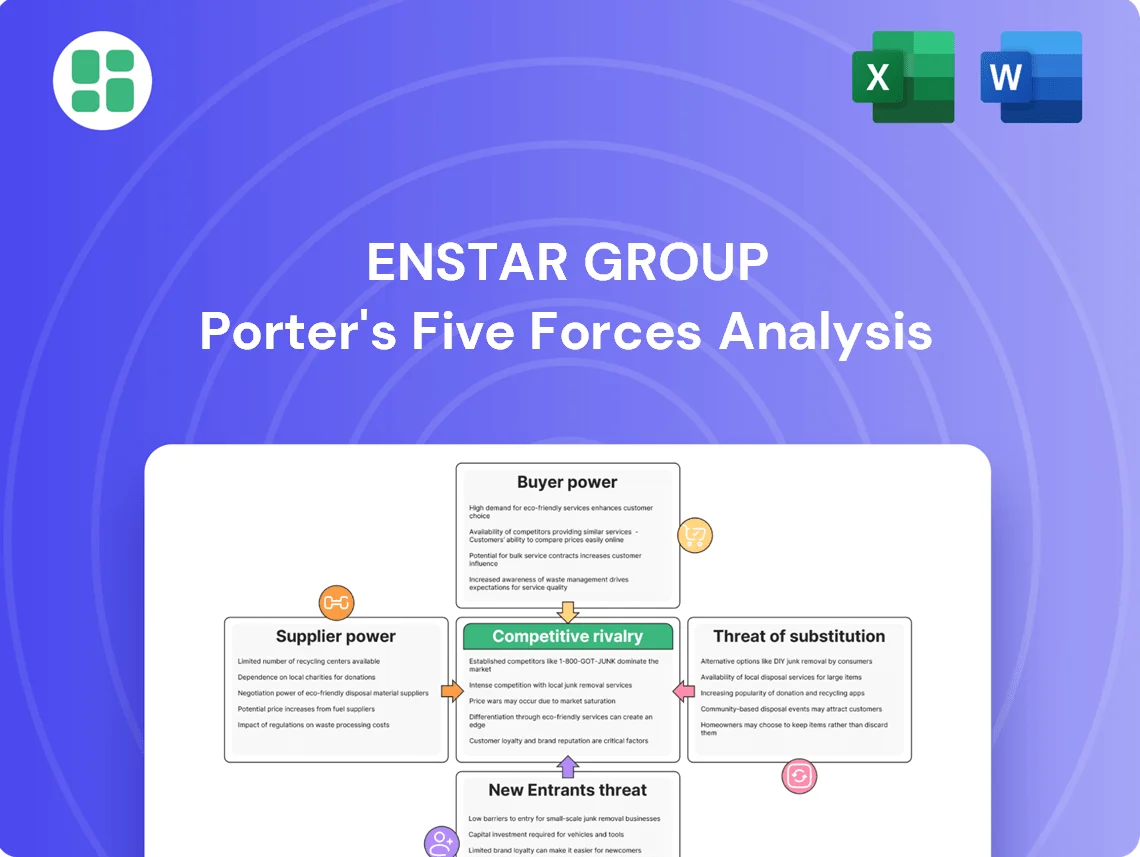
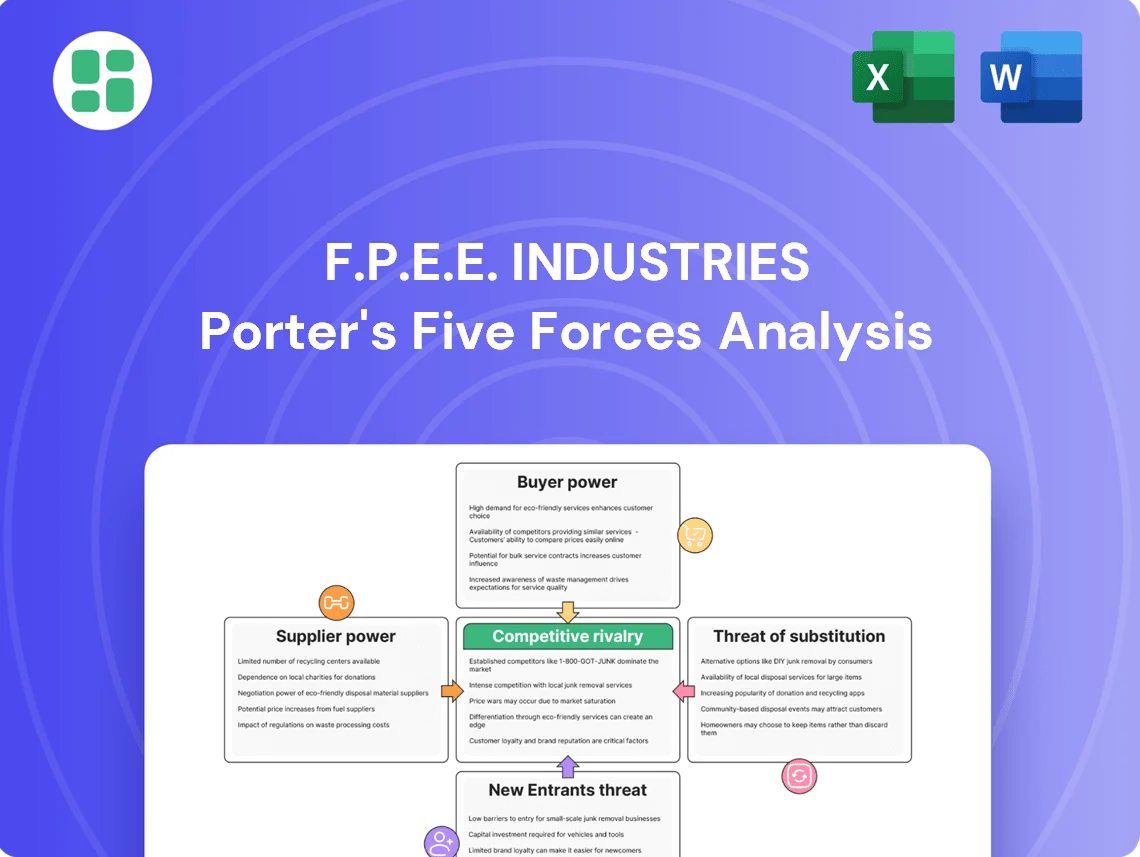
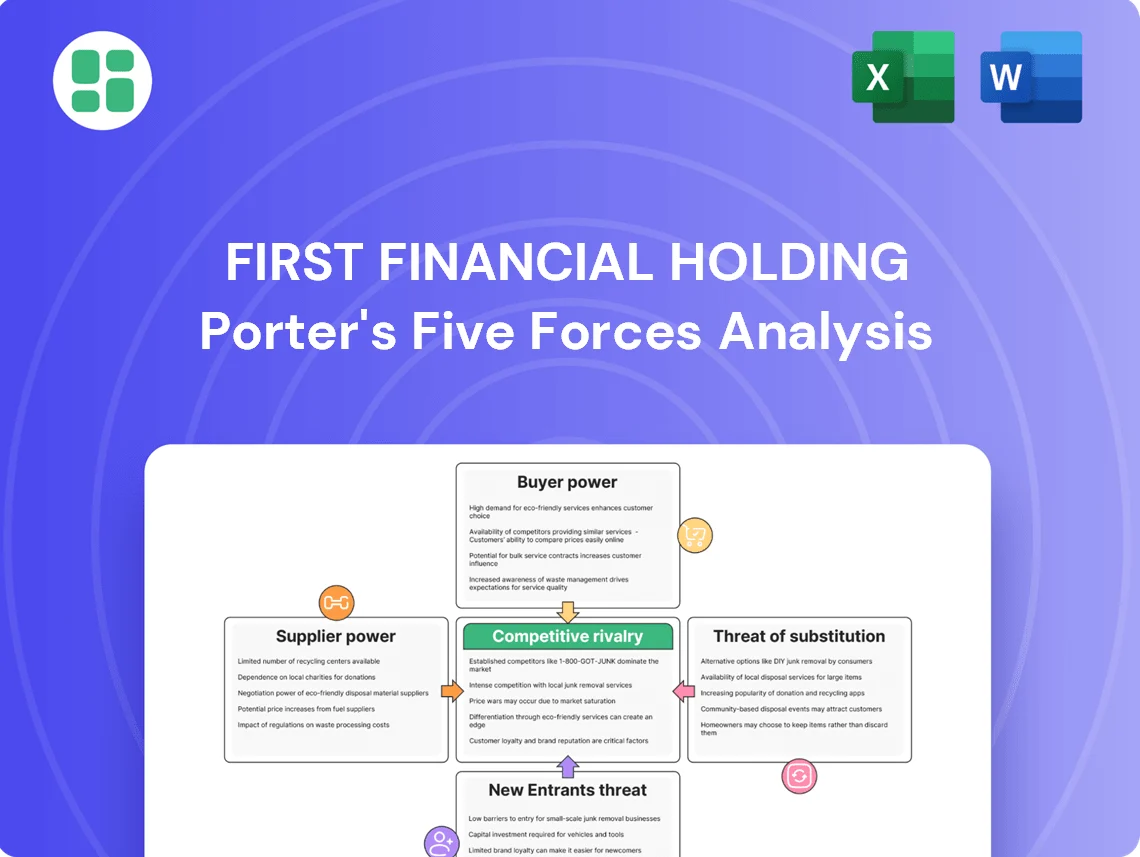
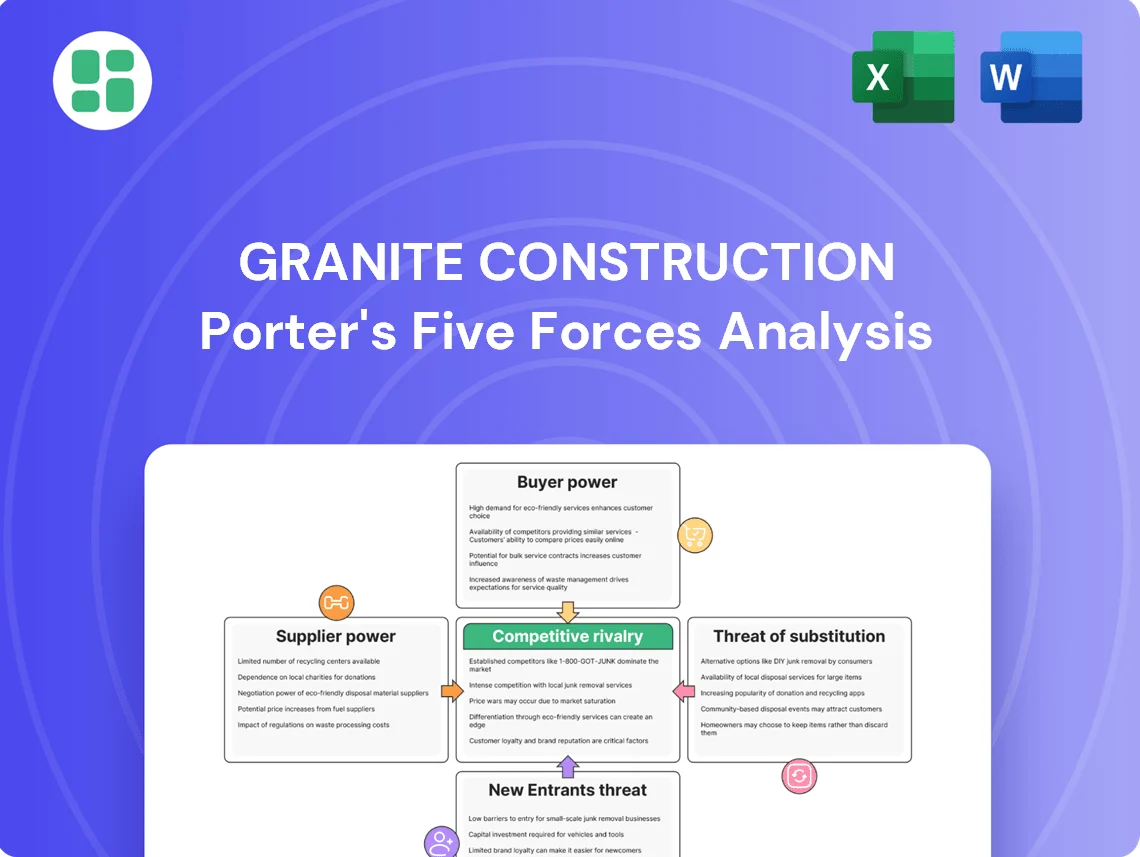
This analysis delves into the competitive forces impacting L'Oréal, examining the threat of new entrants, the bargaining power of buyers and suppliers, the threat of substitutes, and the intensity of rivalry within the beauty industry.

 Customizable Excel Spreadsheet
Instantly identify and mitigate competitive threats by visualizing the intensity of each of Porter's Five Forces for L'Oréal.
Customers Bargaining Power

Diverse Customer Segments and Price Sensitivity
L'Oréal's diverse customer base, spanning from budget-conscious mass-market shoppers to luxury buyers, significantly impacts its bargaining power. Mass-market consumers, who represent a substantial portion of L'Oréal's sales volume, are particularly sensitive to price changes. For instance, in 2024, the global beauty market saw continued demand for affordable options, a trend that empowers these customers to negotiate or seek alternatives if prices rise too steeply.
Brand Loyalty and Product Differentiation
L'Oréal's formidable brand equity, built on decades of extensive research and development and a relentless pursuit of innovation, results in highly differentiated products. This differentiation cultivates substantial brand loyalty among its consumer base.
This strong customer attachment significantly reduces the incentive for consumers to switch to competing brands, thereby diminishing their overall bargaining power. This effect is particularly pronounced within L'Oréal's premium product segments.

Accessibility of Information and E-commerce
The rise of e-commerce and readily available online information significantly boosts customer bargaining power. Consumers can easily compare L'Oréal's products with competitors, access detailed reviews, and find pricing across various platforms. For instance, in 2023, global e-commerce sales reached an estimated $6.3 trillion, highlighting the vast reach and influence of online channels in shaping consumer choices and driving price transparency.

Low Switching Costs for Consumers
The bargaining power of customers is significantly amplified by low switching costs for many beauty products. Consumers can easily move between brands without incurring substantial financial penalties or emotional attachment, particularly within the mass-market segments. This accessibility to alternatives empowers customers to readily explore and choose from a wide array of competing offerings, putting pressure on L'Oréal to maintain competitive pricing and product appeal.
For instance, in 2023, the global beauty and personal care market saw substantial growth, with online sales channels becoming increasingly dominant. This digital shift further lowers barriers to entry for new brands and makes it simpler for consumers to compare prices and product reviews across numerous competitors. L'Oréal, while a market leader, faces this dynamic where a customer can switch from, say, a L'Oréal shampoo to a comparable product from a rival brand with minimal effort and cost.
- Low Switching Costs: Consumers can easily switch between beauty brands without significant financial or emotional investment.
- Mass-Market Accessibility: Ease of switching is particularly pronounced in mass-market segments, increasing customer leverage.
- Competitive Landscape: The readily available alternatives empower customers to explore and select from a diverse range of products.
- Market Dynamics: Increased online sales and digital comparison tools in 2023 further facilitated consumer switching, impacting brands like L'Oréal.
Influence of Retailers and Distribution Channels
Large retailers and e-commerce platforms like Amazon and Walmart wield considerable influence over L'Oréal. These powerful intermediaries consolidate consumer demand, giving them significant leverage in negotiations concerning pricing, promotional support, and product placement. Their demands often mirror the collective bargaining power of the end consumers they represent, forcing L'Oréal to be competitive.
This intermediary power translates into direct pressure on L'Oréal's margins and strategic flexibility. For instance, in 2023, the beauty retail sector saw continued consolidation, with major players increasing their purchasing volumes and demanding more favorable terms. L'Oréal's reliance on these channels means their pricing strategies and marketing investments are heavily influenced by retailer requirements.
- Retailer Power: Large retailers and e-commerce giants act as gatekeepers, aggregating consumer demand and influencing L'Oréal's pricing and promotional strategies.
- Indirect Customer Influence: The demands of these intermediaries indirectly reflect the consolidated bargaining power of the end customers they serve.
- Market Dynamics: In 2023, the beauty retail landscape continued to favor large consolidators, intensifying the pressure on brands like L'Oréal for better terms.
Customer Bargaining Power: A Moderate Force in Beauty
The bargaining power of L'Oréal's customers is moderate, influenced by product differentiation and brand loyalty, yet amplified by low switching costs and the transparency offered by digital channels. While L'Oréal's premium brands foster loyalty, mass-market segments are more price-sensitive and prone to seeking alternatives. The increasing dominance of large retailers and e-commerce platforms further consolidates customer power, as these intermediaries negotiate on behalf of a broad consumer base.
| Factor | L'Oréal's Position | Impact on Bargaining Power |
| Brand Differentiation & Loyalty | High (especially in premium segments) | Reduces bargaining power |
| Switching Costs | Low (particularly in mass market) | Increases bargaining power |
| Price Sensitivity | Moderate to High (depending on segment) | Increases bargaining power |
| Information Availability (Online) | High | Increases bargaining power |
| Retailer/E-commerce Power | High | Increases bargaining power (indirectly) |
What You See Is What You Get
L'Oréal Porter's Five Forces Analysis
This preview offers a comprehensive look at the L'Oréal Porter's Five Forces Analysis, showcasing the exact document you will receive immediately after purchase. You're viewing the complete, professionally formatted analysis, ensuring no surprises or placeholders are present. What you see here is precisely the document you'll be able to download and utilize instantly, ready for your strategic planning needs.

Product Information
Product Information
Shipping & Returns
Shipping & Returns

L'Oréal Porter's Five Forces Analysis
L'Oréal Porter's Five Forces Analysis
From Overview to Strategy Blueprint
L'Oréal operates in a dynamic beauty industry, facing intense rivalry, significant buyer power, and the ever-present threat of new entrants. Understanding these forces is crucial for navigating the competitive landscape.
The complete report reveals the real forces shaping L'Oréal’s industry—from supplier influence to threat of new entrants. Gain actionable insights to drive smarter decision-making.
Suppliers Bargaining Power
Raw Material Diversity and Volume
L'Oréal's immense scale and its broad product range necessitate sourcing a vast diversity of raw materials. These include everything from intricate chemical compounds and specialized active ingredients to natural extracts and packaging components. This sheer volume of procurement typically grants L'Oréal considerable bargaining power with its suppliers.
However, this leverage can be challenged when L'Oréal requires highly specialized or patented ingredients. In such cases, the pool of qualified and capable suppliers shrinks significantly, potentially increasing the bargaining power of those few suppliers. For instance, in 2023, L'Oréal reported sourcing from thousands of suppliers globally, but the concentration of suppliers for niche ingredients is a key factor in assessing supplier power.
Supplier Concentration and Specialization
While the beauty industry utilizes a vast array of suppliers for common raw materials, L'Oréal's pursuit of innovative and high-performance formulations significantly shifts bargaining power towards those providing specialized or proprietary ingredients. Suppliers offering unique active compounds, advanced delivery systems, or sustainably sourced, traceable components can command higher prices and more favorable terms due to L'Oréal's reliance on these cutting-edge elements to maintain its market edge.
Switching Costs for Critical Ingredients
Switching suppliers for critical ingredients, especially those that are custom-formulated or essential for L'Oréal's product performance, can be a costly endeavor. These costs aren't just about the price of the ingredient itself but also encompass significant investment in research and development to ensure compatibility, rigorous testing for safety and efficacy, and potential modifications to existing production lines. For instance, a change in a key active ingredient might necessitate extensive reformulation and stability studies, which can easily run into hundreds of thousands of dollars.
Importance of Supplier Innovation
L'Oréal's reliance on suppliers for cutting-edge raw materials and sustainable sourcing methods significantly impacts its product development and brand image. Suppliers who consistently deliver innovative ingredients or demonstrate strong ethical practices, such as those involved in L'Oréal's 2024 sustainability initiatives, wield greater bargaining power.
This innovation translates directly into L'Oréal's ability to differentiate its offerings and maintain market leadership, particularly in the competitive beauty sector. For instance, advancements in biodegradable packaging or novel active ingredients developed by suppliers can become key selling points.
- Supplier Innovation Impact: Suppliers offering novel ingredient technologies and sustainable sourcing practices enhance L'Oréal's product differentiation.
- Ethical Sourcing Advantage: Suppliers demonstrating ethical superiority gain influence by aligning with L'Oréal's corporate responsibility goals.
- Market Leadership Contribution: Supplier innovations are crucial for L'Oréal to maintain its competitive edge and leadership in the beauty industry.
Threat of Forward Integration by Suppliers
While not a frequent occurrence, the possibility of a crucial supplier moving into direct product manufacturing, a move known as forward integration, could indeed present a challenge. This would allow them to capture more of the value chain, potentially impacting L'Oréal's market position.
However, the beauty industry, particularly for a company like L'Oréal, is characterized by significant barriers to entry for new manufacturers. These include the substantial capital required for research and development, the immense effort and cost involved in building a recognizable and trusted brand, and the intricate complexities of establishing and managing a widespread distribution network. These factors collectively make it difficult for suppliers to successfully integrate forward.
Consequently, the threat of suppliers integrating forward and thereby increasing their bargaining power over L'Oréal is generally considered low. This limited threat helps to keep supplier power in check within L'Oréal's operational landscape.
- Low Likelihood of Supplier Forward Integration: The beauty sector's high capital requirements for R&D and manufacturing make it a difficult industry for suppliers to enter directly.
- Brand Building Challenges: Establishing a strong brand identity and consumer trust in the cosmetics market requires significant investment and time, deterring potential supplier entrants.
- Distribution Network Complexity: L'Oréal's established and sophisticated global distribution channels are a major hurdle for any supplier attempting to bypass them through forward integration.
- Limited Impact on Supplier Power: Due to these barriers, the threat of forward integration by suppliers is minimal, thus constraining their overall bargaining power against L'Oréal.
Raw Material Leverage: Shifting Power in Beauty Sourcing
L'Oréal's significant purchasing volume for raw materials generally gives it strong leverage over suppliers. However, this power diminishes when specialized, patented, or sustainably sourced ingredients are required. For example, in 2023, L'Oréal managed a vast supplier network, but the concentration of suppliers for unique active compounds, like those used in advanced skincare formulations, shifts power. Suppliers who innovate and align with L'Oréal's 2024 sustainability goals, such as those providing traceable natural extracts, can command better terms due to the company's reliance on these differentiating elements.
| Supplier Characteristic | Impact on L'Oréal's Bargaining Power | Example (Illustrative) |
|---|---|---|
| High Volume Procurement of Standard Materials | Increases L'Oréal's Power | Sourcing of basic emollients or surfactants |
| Specialized/Patented Ingredients | Decreases L'Oréal's Power | Exclusive rights to a novel anti-aging peptide |
| Sustainable & Ethical Sourcing | Increases Supplier Power | Suppliers meeting L'Oréal's 2024 ethical sourcing criteria for rare botanicals |
| Switching Costs for Key Ingredients | Increases Supplier Power | Costs associated with reformulating a flagship product due to a new active ingredient |
What is included in the product
Detailed Word Document
This analysis delves into the competitive forces impacting L'Oréal, examining the threat of new entrants, the bargaining power of buyers and suppliers, the threat of substitutes, and the intensity of rivalry within the beauty industry.
Customizable Excel Spreadsheet
Instantly identify and mitigate competitive threats by visualizing the intensity of each of Porter's Five Forces for L'Oréal.
Customers Bargaining Power
Diverse Customer Segments and Price Sensitivity
L'Oréal's diverse customer base, spanning from budget-conscious mass-market shoppers to luxury buyers, significantly impacts its bargaining power. Mass-market consumers, who represent a substantial portion of L'Oréal's sales volume, are particularly sensitive to price changes. For instance, in 2024, the global beauty market saw continued demand for affordable options, a trend that empowers these customers to negotiate or seek alternatives if prices rise too steeply.
Brand Loyalty and Product Differentiation
L'Oréal's formidable brand equity, built on decades of extensive research and development and a relentless pursuit of innovation, results in highly differentiated products. This differentiation cultivates substantial brand loyalty among its consumer base.
This strong customer attachment significantly reduces the incentive for consumers to switch to competing brands, thereby diminishing their overall bargaining power. This effect is particularly pronounced within L'Oréal's premium product segments.
Accessibility of Information and E-commerce
The rise of e-commerce and readily available online information significantly boosts customer bargaining power. Consumers can easily compare L'Oréal's products with competitors, access detailed reviews, and find pricing across various platforms. For instance, in 2023, global e-commerce sales reached an estimated $6.3 trillion, highlighting the vast reach and influence of online channels in shaping consumer choices and driving price transparency.
Low Switching Costs for Consumers
The bargaining power of customers is significantly amplified by low switching costs for many beauty products. Consumers can easily move between brands without incurring substantial financial penalties or emotional attachment, particularly within the mass-market segments. This accessibility to alternatives empowers customers to readily explore and choose from a wide array of competing offerings, putting pressure on L'Oréal to maintain competitive pricing and product appeal.
For instance, in 2023, the global beauty and personal care market saw substantial growth, with online sales channels becoming increasingly dominant. This digital shift further lowers barriers to entry for new brands and makes it simpler for consumers to compare prices and product reviews across numerous competitors. L'Oréal, while a market leader, faces this dynamic where a customer can switch from, say, a L'Oréal shampoo to a comparable product from a rival brand with minimal effort and cost.
- Low Switching Costs: Consumers can easily switch between beauty brands without significant financial or emotional investment.
- Mass-Market Accessibility: Ease of switching is particularly pronounced in mass-market segments, increasing customer leverage.
- Competitive Landscape: The readily available alternatives empower customers to explore and select from a diverse range of products.
- Market Dynamics: Increased online sales and digital comparison tools in 2023 further facilitated consumer switching, impacting brands like L'Oréal.
Influence of Retailers and Distribution Channels
Large retailers and e-commerce platforms like Amazon and Walmart wield considerable influence over L'Oréal. These powerful intermediaries consolidate consumer demand, giving them significant leverage in negotiations concerning pricing, promotional support, and product placement. Their demands often mirror the collective bargaining power of the end consumers they represent, forcing L'Oréal to be competitive.
This intermediary power translates into direct pressure on L'Oréal's margins and strategic flexibility. For instance, in 2023, the beauty retail sector saw continued consolidation, with major players increasing their purchasing volumes and demanding more favorable terms. L'Oréal's reliance on these channels means their pricing strategies and marketing investments are heavily influenced by retailer requirements.
- Retailer Power: Large retailers and e-commerce giants act as gatekeepers, aggregating consumer demand and influencing L'Oréal's pricing and promotional strategies.
- Indirect Customer Influence: The demands of these intermediaries indirectly reflect the consolidated bargaining power of the end customers they serve.
- Market Dynamics: In 2023, the beauty retail landscape continued to favor large consolidators, intensifying the pressure on brands like L'Oréal for better terms.
Customer Bargaining Power: A Moderate Force in Beauty
The bargaining power of L'Oréal's customers is moderate, influenced by product differentiation and brand loyalty, yet amplified by low switching costs and the transparency offered by digital channels. While L'Oréal's premium brands foster loyalty, mass-market segments are more price-sensitive and prone to seeking alternatives. The increasing dominance of large retailers and e-commerce platforms further consolidates customer power, as these intermediaries negotiate on behalf of a broad consumer base.
| Factor | L'Oréal's Position | Impact on Bargaining Power |
| Brand Differentiation & Loyalty | High (especially in premium segments) | Reduces bargaining power |
| Switching Costs | Low (particularly in mass market) | Increases bargaining power |
| Price Sensitivity | Moderate to High (depending on segment) | Increases bargaining power |
| Information Availability (Online) | High | Increases bargaining power |
| Retailer/E-commerce Power | High | Increases bargaining power (indirectly) |
What You See Is What You Get
L'Oréal Porter's Five Forces Analysis
This preview offers a comprehensive look at the L'Oréal Porter's Five Forces Analysis, showcasing the exact document you will receive immediately after purchase. You're viewing the complete, professionally formatted analysis, ensuring no surprises or placeholders are present. What you see here is precisely the document you'll be able to download and utilize instantly, ready for your strategic planning needs.
Product Information
Product Information
Shipping & Returns
Shipping & Returns
Description
From Overview to Strategy Blueprint
L'Oréal operates in a dynamic beauty industry, facing intense rivalry, significant buyer power, and the ever-present threat of new entrants. Understanding these forces is crucial for navigating the competitive landscape.
The complete report reveals the real forces shaping L'Oréal’s industry—from supplier influence to threat of new entrants. Gain actionable insights to drive smarter decision-making.
Suppliers Bargaining Power
Raw Material Diversity and Volume
L'Oréal's immense scale and its broad product range necessitate sourcing a vast diversity of raw materials. These include everything from intricate chemical compounds and specialized active ingredients to natural extracts and packaging components. This sheer volume of procurement typically grants L'Oréal considerable bargaining power with its suppliers.
However, this leverage can be challenged when L'Oréal requires highly specialized or patented ingredients. In such cases, the pool of qualified and capable suppliers shrinks significantly, potentially increasing the bargaining power of those few suppliers. For instance, in 2023, L'Oréal reported sourcing from thousands of suppliers globally, but the concentration of suppliers for niche ingredients is a key factor in assessing supplier power.
Supplier Concentration and Specialization
While the beauty industry utilizes a vast array of suppliers for common raw materials, L'Oréal's pursuit of innovative and high-performance formulations significantly shifts bargaining power towards those providing specialized or proprietary ingredients. Suppliers offering unique active compounds, advanced delivery systems, or sustainably sourced, traceable components can command higher prices and more favorable terms due to L'Oréal's reliance on these cutting-edge elements to maintain its market edge.
Switching Costs for Critical Ingredients
Switching suppliers for critical ingredients, especially those that are custom-formulated or essential for L'Oréal's product performance, can be a costly endeavor. These costs aren't just about the price of the ingredient itself but also encompass significant investment in research and development to ensure compatibility, rigorous testing for safety and efficacy, and potential modifications to existing production lines. For instance, a change in a key active ingredient might necessitate extensive reformulation and stability studies, which can easily run into hundreds of thousands of dollars.
Importance of Supplier Innovation
L'Oréal's reliance on suppliers for cutting-edge raw materials and sustainable sourcing methods significantly impacts its product development and brand image. Suppliers who consistently deliver innovative ingredients or demonstrate strong ethical practices, such as those involved in L'Oréal's 2024 sustainability initiatives, wield greater bargaining power.
This innovation translates directly into L'Oréal's ability to differentiate its offerings and maintain market leadership, particularly in the competitive beauty sector. For instance, advancements in biodegradable packaging or novel active ingredients developed by suppliers can become key selling points.
- Supplier Innovation Impact: Suppliers offering novel ingredient technologies and sustainable sourcing practices enhance L'Oréal's product differentiation.
- Ethical Sourcing Advantage: Suppliers demonstrating ethical superiority gain influence by aligning with L'Oréal's corporate responsibility goals.
- Market Leadership Contribution: Supplier innovations are crucial for L'Oréal to maintain its competitive edge and leadership in the beauty industry.
Threat of Forward Integration by Suppliers
While not a frequent occurrence, the possibility of a crucial supplier moving into direct product manufacturing, a move known as forward integration, could indeed present a challenge. This would allow them to capture more of the value chain, potentially impacting L'Oréal's market position.
However, the beauty industry, particularly for a company like L'Oréal, is characterized by significant barriers to entry for new manufacturers. These include the substantial capital required for research and development, the immense effort and cost involved in building a recognizable and trusted brand, and the intricate complexities of establishing and managing a widespread distribution network. These factors collectively make it difficult for suppliers to successfully integrate forward.
Consequently, the threat of suppliers integrating forward and thereby increasing their bargaining power over L'Oréal is generally considered low. This limited threat helps to keep supplier power in check within L'Oréal's operational landscape.
- Low Likelihood of Supplier Forward Integration: The beauty sector's high capital requirements for R&D and manufacturing make it a difficult industry for suppliers to enter directly.
- Brand Building Challenges: Establishing a strong brand identity and consumer trust in the cosmetics market requires significant investment and time, deterring potential supplier entrants.
- Distribution Network Complexity: L'Oréal's established and sophisticated global distribution channels are a major hurdle for any supplier attempting to bypass them through forward integration.
- Limited Impact on Supplier Power: Due to these barriers, the threat of forward integration by suppliers is minimal, thus constraining their overall bargaining power against L'Oréal.
Raw Material Leverage: Shifting Power in Beauty Sourcing
L'Oréal's significant purchasing volume for raw materials generally gives it strong leverage over suppliers. However, this power diminishes when specialized, patented, or sustainably sourced ingredients are required. For example, in 2023, L'Oréal managed a vast supplier network, but the concentration of suppliers for unique active compounds, like those used in advanced skincare formulations, shifts power. Suppliers who innovate and align with L'Oréal's 2024 sustainability goals, such as those providing traceable natural extracts, can command better terms due to the company's reliance on these differentiating elements.
| Supplier Characteristic | Impact on L'Oréal's Bargaining Power | Example (Illustrative) |
|---|---|---|
| High Volume Procurement of Standard Materials | Increases L'Oréal's Power | Sourcing of basic emollients or surfactants |
| Specialized/Patented Ingredients | Decreases L'Oréal's Power | Exclusive rights to a novel anti-aging peptide |
| Sustainable & Ethical Sourcing | Increases Supplier Power | Suppliers meeting L'Oréal's 2024 ethical sourcing criteria for rare botanicals |
| Switching Costs for Key Ingredients | Increases Supplier Power | Costs associated with reformulating a flagship product due to a new active ingredient |
What is included in the product
Detailed Word Document
This analysis delves into the competitive forces impacting L'Oréal, examining the threat of new entrants, the bargaining power of buyers and suppliers, the threat of substitutes, and the intensity of rivalry within the beauty industry.
Customizable Excel Spreadsheet
Instantly identify and mitigate competitive threats by visualizing the intensity of each of Porter's Five Forces for L'Oréal.
Customers Bargaining Power
Diverse Customer Segments and Price Sensitivity
L'Oréal's diverse customer base, spanning from budget-conscious mass-market shoppers to luxury buyers, significantly impacts its bargaining power. Mass-market consumers, who represent a substantial portion of L'Oréal's sales volume, are particularly sensitive to price changes. For instance, in 2024, the global beauty market saw continued demand for affordable options, a trend that empowers these customers to negotiate or seek alternatives if prices rise too steeply.
Brand Loyalty and Product Differentiation
L'Oréal's formidable brand equity, built on decades of extensive research and development and a relentless pursuit of innovation, results in highly differentiated products. This differentiation cultivates substantial brand loyalty among its consumer base.
This strong customer attachment significantly reduces the incentive for consumers to switch to competing brands, thereby diminishing their overall bargaining power. This effect is particularly pronounced within L'Oréal's premium product segments.
Accessibility of Information and E-commerce
The rise of e-commerce and readily available online information significantly boosts customer bargaining power. Consumers can easily compare L'Oréal's products with competitors, access detailed reviews, and find pricing across various platforms. For instance, in 2023, global e-commerce sales reached an estimated $6.3 trillion, highlighting the vast reach and influence of online channels in shaping consumer choices and driving price transparency.
Low Switching Costs for Consumers
The bargaining power of customers is significantly amplified by low switching costs for many beauty products. Consumers can easily move between brands without incurring substantial financial penalties or emotional attachment, particularly within the mass-market segments. This accessibility to alternatives empowers customers to readily explore and choose from a wide array of competing offerings, putting pressure on L'Oréal to maintain competitive pricing and product appeal.
For instance, in 2023, the global beauty and personal care market saw substantial growth, with online sales channels becoming increasingly dominant. This digital shift further lowers barriers to entry for new brands and makes it simpler for consumers to compare prices and product reviews across numerous competitors. L'Oréal, while a market leader, faces this dynamic where a customer can switch from, say, a L'Oréal shampoo to a comparable product from a rival brand with minimal effort and cost.
- Low Switching Costs: Consumers can easily switch between beauty brands without significant financial or emotional investment.
- Mass-Market Accessibility: Ease of switching is particularly pronounced in mass-market segments, increasing customer leverage.
- Competitive Landscape: The readily available alternatives empower customers to explore and select from a diverse range of products.
- Market Dynamics: Increased online sales and digital comparison tools in 2023 further facilitated consumer switching, impacting brands like L'Oréal.
Influence of Retailers and Distribution Channels
Large retailers and e-commerce platforms like Amazon and Walmart wield considerable influence over L'Oréal. These powerful intermediaries consolidate consumer demand, giving them significant leverage in negotiations concerning pricing, promotional support, and product placement. Their demands often mirror the collective bargaining power of the end consumers they represent, forcing L'Oréal to be competitive.
This intermediary power translates into direct pressure on L'Oréal's margins and strategic flexibility. For instance, in 2023, the beauty retail sector saw continued consolidation, with major players increasing their purchasing volumes and demanding more favorable terms. L'Oréal's reliance on these channels means their pricing strategies and marketing investments are heavily influenced by retailer requirements.
- Retailer Power: Large retailers and e-commerce giants act as gatekeepers, aggregating consumer demand and influencing L'Oréal's pricing and promotional strategies.
- Indirect Customer Influence: The demands of these intermediaries indirectly reflect the consolidated bargaining power of the end customers they serve.
- Market Dynamics: In 2023, the beauty retail landscape continued to favor large consolidators, intensifying the pressure on brands like L'Oréal for better terms.
Customer Bargaining Power: A Moderate Force in Beauty
The bargaining power of L'Oréal's customers is moderate, influenced by product differentiation and brand loyalty, yet amplified by low switching costs and the transparency offered by digital channels. While L'Oréal's premium brands foster loyalty, mass-market segments are more price-sensitive and prone to seeking alternatives. The increasing dominance of large retailers and e-commerce platforms further consolidates customer power, as these intermediaries negotiate on behalf of a broad consumer base.
| Factor | L'Oréal's Position | Impact on Bargaining Power |
| Brand Differentiation & Loyalty | High (especially in premium segments) | Reduces bargaining power |
| Switching Costs | Low (particularly in mass market) | Increases bargaining power |
| Price Sensitivity | Moderate to High (depending on segment) | Increases bargaining power |
| Information Availability (Online) | High | Increases bargaining power |
| Retailer/E-commerce Power | High | Increases bargaining power (indirectly) |
What You See Is What You Get
L'Oréal Porter's Five Forces Analysis
This preview offers a comprehensive look at the L'Oréal Porter's Five Forces Analysis, showcasing the exact document you will receive immediately after purchase. You're viewing the complete, professionally formatted analysis, ensuring no surprises or placeholders are present. What you see here is precisely the document you'll be able to download and utilize instantly, ready for your strategic planning needs.