West Japan Railway Porter's Five Forces Analysis

Go Beyond the Preview—Access the Full Strategic Report
West Japan Railway navigates a complex landscape shaped by intense competition and the threat of substitutes like high-speed buses and air travel. Understanding the bargaining power of its buyers and suppliers is crucial for maintaining profitability.
The full analysis reveals the real forces shaping West Japan Railway’s industry—from supplier influence to threat of new entrants. Gain actionable insights to drive smarter decision-making.
Suppliers Bargaining Power

Specialized Equipment and Technology Providers
Suppliers of highly specialized railway equipment, like rolling stock and signaling systems, hold considerable sway. JR-West's reliance on a small pool of global manufacturers for these critical, safety-intensive components means these providers can command higher prices and longer lead times.
The high switching costs associated with changing suppliers for such specialized technology further solidify their bargaining power. For instance, investing in new signaling systems can run into hundreds of millions of dollars, making a shift a substantial undertaking for JR-West.
Energy and Fuel Suppliers
West Japan Railway (JR-West) faces significant bargaining power from energy and fuel suppliers, as the railway industry is a substantial consumer of electricity and various fuels. These suppliers hold considerable leverage due to the essential nature of their products for JR-West's operations.
Fluctuations in global energy prices, such as oil and electricity, directly translate into increased operational expenses for JR-West. For instance, in fiscal year 2023, JR-West reported energy-related expenses that represent a notable portion of its overall operating costs, highlighting the direct impact of supplier pricing on its bottom line.
While long-term supply contracts can offer a degree of price stability, the underlying market dynamics and the critical need for these energy inputs grant suppliers substantial influence over JR-West’s cost structure and overall profitability.

Construction and Maintenance Contractors
West Japan Railway (JR-West) depends on a variety of construction and specialized maintenance contractors for its vast railway network and numerous real estate and hotel ventures. The need for skilled professionals in railway infrastructure, combined with the limited number of qualified firms in specific regions, can give these suppliers significant leverage.
This leverage allows contractors to negotiate for higher prices and impose specific terms, which can impact JR-West's project budgets and schedules. For instance, in 2024, the construction industry faced ongoing labor shortages, with the Ministry of Land, Infrastructure, Transport and Tourism reporting a 15% increase in average wages for skilled construction workers compared to 2023, directly affecting project costs for companies like JR-West.

Land and Property Owners
Land and property owners, especially those with desirable parcels in urban centers like Osaka and Kyoto, exert considerable influence over West Japan Railway (JR-West). This is particularly true for JR-West's real estate and urban development arms. The limited availability of prime land in these high-demand areas means landowners can command higher prices, directly affecting the cost of new projects and the overall profitability of JR-West's property ventures. For instance, land acquisition costs in major Japanese cities have seen consistent increases. In 2023, average land prices in commercial districts of major Japanese cities rose by approximately 3.5% according to the Ministry of Land, Infrastructure, Transport and Tourism.
- High demand for urban land: Densely populated areas like the Kansai region offer limited opportunities for new development.
- Strategic location value: Properties near JR stations are highly sought after for transit-oriented development, increasing their bargaining power.
- Impact on development costs: Elevated land acquisition prices can squeeze profit margins for JR-West's real estate projects.
Advanced IT and Digital Solution Providers
As West Japan Railway (JR-West) pushes forward with digital transformation, including smart rail systems and enhanced ticketing, providers of advanced IT and digital solutions are gaining significant bargaining power. The increasing reliance on these specialized services for operational efficiency means suppliers of AI, big data analytics, and complex software integration hold considerable sway.
The proprietary nature of some of these essential software systems, coupled with the intricate process of integrating them into existing infrastructure, grants these IT providers leverage. This dependence can translate into higher service fees and increased licensing costs for JR-West, impacting the railway's operational expenses. For instance, in 2024, many large infrastructure projects are seeing IT service costs rise due to specialized expertise and the critical nature of these digital components.
- Increased Demand for Specialized IT: The push for digital modernization in transportation sectors, including Japan's railway networks, drives demand for advanced IT solutions.
- Proprietary Software and Integration Complexity: Suppliers offering unique software and complex integration services can command higher prices due to limited alternatives and the expertise required.
- Dependence on Modernization: JR-West's strategy to modernize operations makes it highly dependent on these IT providers, enhancing their bargaining position.
- Potential for Higher Costs: This leverage can lead to increased service fees and licensing costs for critical digital systems.
Supplier Power Dynamics in Rail Operations
Suppliers of specialized rolling stock and signaling systems wield significant power over JR-West due to the limited number of global manufacturers and high switching costs. For example, the integration of new signaling systems can cost hundreds of millions of dollars, making alternative sourcing a substantial undertaking.
Energy and fuel suppliers also hold considerable leverage, as JR-West is a major consumer of electricity and various fuels. Fluctuations in global energy prices directly impact operational expenses; in fiscal year 2023, energy costs represented a notable portion of JR-West's total operating expenditures, underscoring the suppliers' influence.
Construction and specialized maintenance contractors gain power from the need for skilled labor and limited qualified firms in specific regions, affecting project budgets and schedules. In 2024, skilled construction worker wages saw a 15% increase compared to 2023, according to the Ministry of Land, Infrastructure, Transport and Tourism, directly impacting JR-West's project costs.
Landowners in desirable urban centers like Osaka and Kyoto exert influence, particularly on JR-West's real estate ventures. Limited prime land availability means higher acquisition prices, with average land prices in major Japanese commercial districts rising by approximately 3.5% in 2023.
Providers of advanced IT and digital solutions, such as AI and big data analytics, are gaining power as JR-West modernizes its operations. The proprietary nature of these systems and integration complexity mean higher service fees and licensing costs for JR-West, with IT service costs rising in large infrastructure projects in 2024.
What is included in the product
 Detailed Word Document
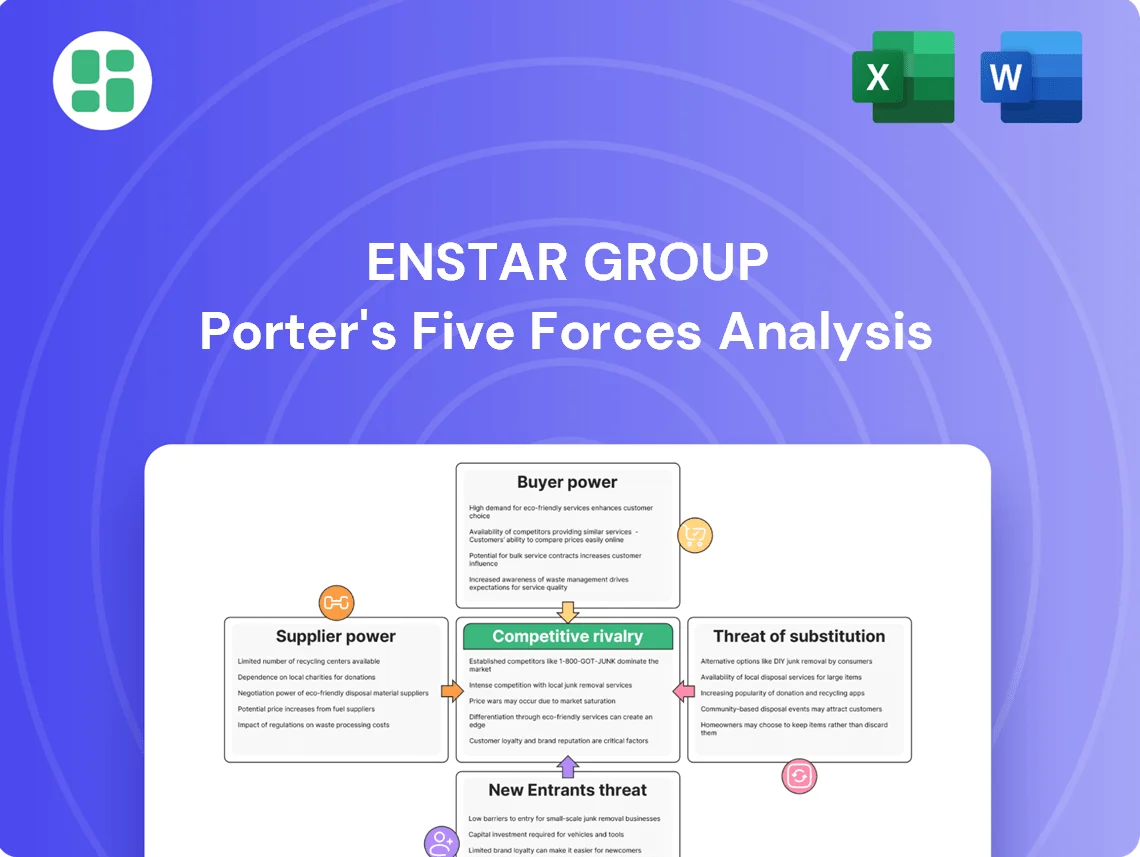
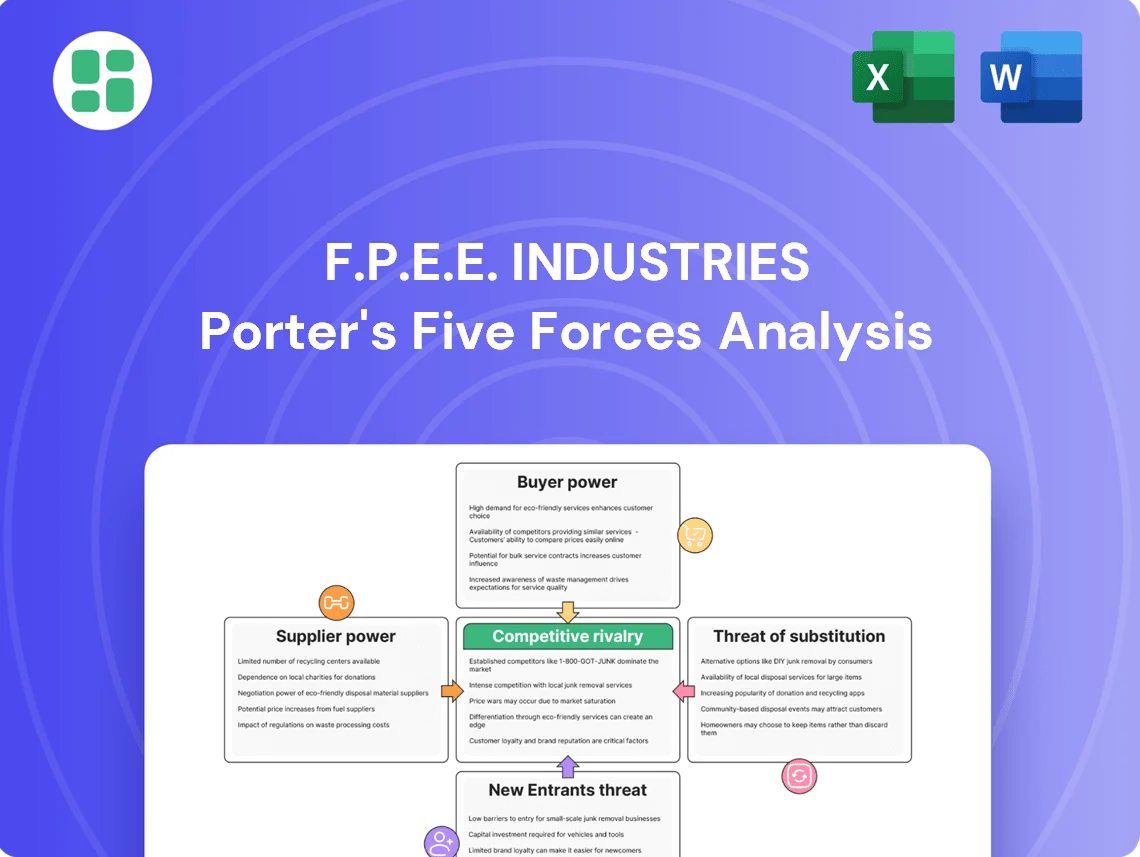
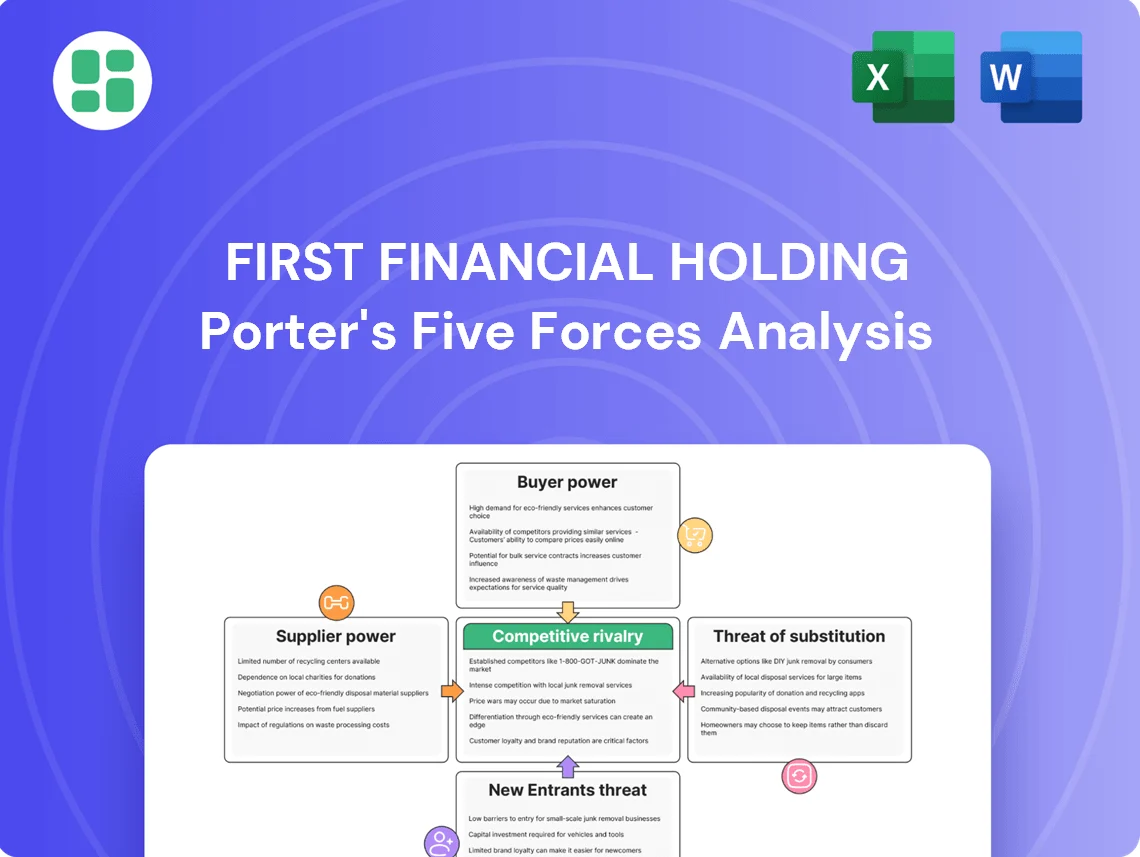
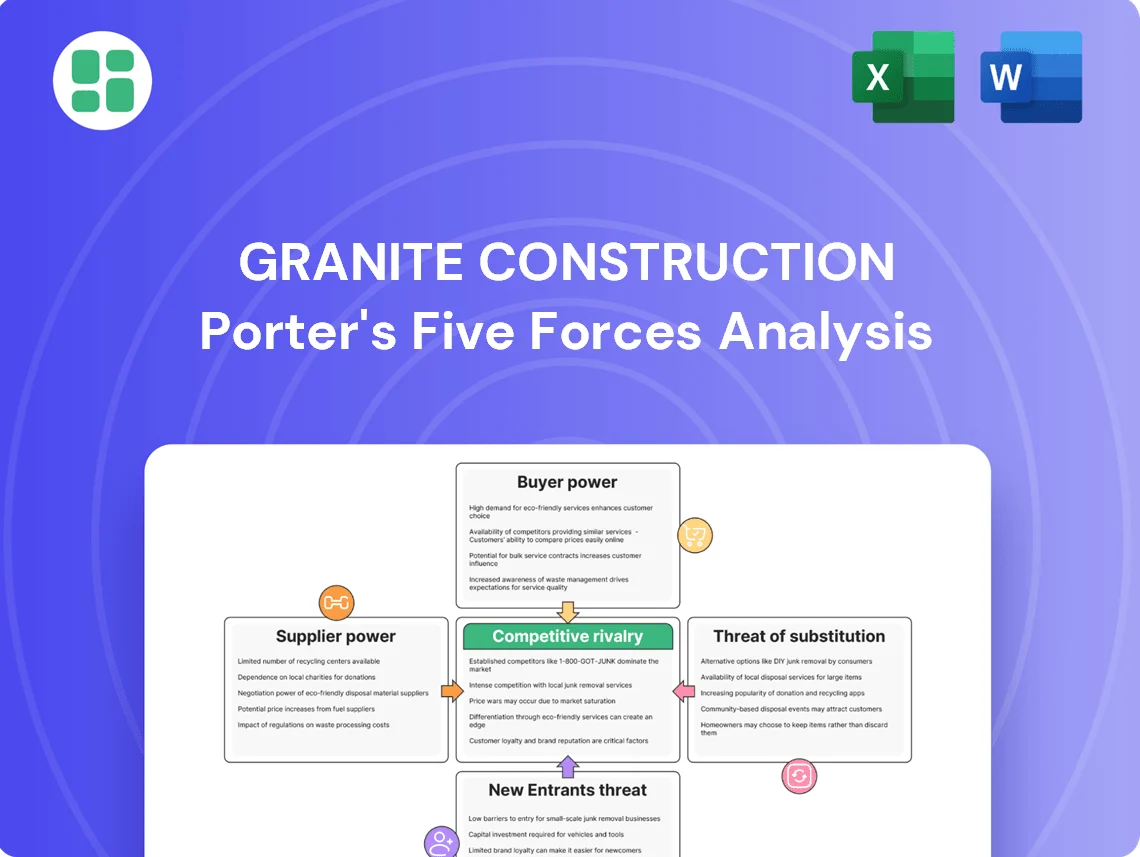
Tailored exclusively for West Japan Railway, this analysis dissects the intensity of rivalry, buyer and supplier power, threat of new entrants, and the impact of substitutes on its operations and profitability.

 Customizable Excel Spreadsheet
Visualize competitive intensity with a dynamic Porter's Five Forces chart, highlighting West Japan Railway's strategic vulnerabilities and opportunities.
Gain actionable insights into the bargaining power of suppliers and buyers, enabling West Japan Railway to negotiate more favorable terms.
Customers Bargaining Power

Commuters and Daily Passengers
Commuters and daily passengers hold significant bargaining power, especially in densely populated urban areas served by West Japan Railway (JR-West). The presence of alternative transportation, including other private railway companies, extensive bus networks, and even the growing popularity of cycling, gives these passengers options. This availability means JR-West must remain competitive on pricing and service frequency to retain its ridership.
For instance, in the Kansai region, where JR-West operates heavily, competition among railway operators is fierce. Many commuters have multiple lines available for their daily travel, making them sensitive to fare increases or service disruptions. In 2023, JR-West reported a substantial increase in passenger revenue, reaching ¥800 billion, indicating a recovery post-pandemic, but the underlying pressure from competitive routes remains a constant factor in their pricing strategies.
Inter-city and Tourist Travelers
Tourists and inter-city travelers, particularly those traveling for leisure, often have a wider array of transportation choices. This includes domestic airlines, long-distance buses, and personal vehicles, all of which serve as viable alternatives to JR-West's rail services. This abundance of substitutes directly amplifies their bargaining power.
Consequently, these travelers exhibit heightened price sensitivity. JR-West must therefore implement competitive pricing strategies, offer attractive travel passes, and develop appealing service packages to secure their business. For instance, in 2023, JR-West's passenger revenue was approximately 1.4 trillion JPY, highlighting the importance of capturing this market segment.

Corporate and Group Clients
Large corporate clients and organized tour groups represent a significant revenue stream for JR-West, giving them substantial bargaining power. These entities often book large volumes of travel or utilize JR-West's extensive hotel and event facilities, allowing them to negotiate favorable terms. In 2024, JR-West reported a substantial increase in group travel bookings, particularly for business conferences and leisure tours, highlighting the importance of these client segments.

Retail and Hotel Consumers
In its retail, shopping center, and hotel operations, West Japan Railway (JR-West) encounters significant competition from a vast array of independent and chain businesses. This broad availability of alternatives for consumers, particularly in the retail and hotel sectors, translates into substantial bargaining power for these customers. For instance, in 2024, the Japanese retail sector continued to see intense price competition, with consumers actively seeking value. JR-West must therefore prioritize competitive pricing strategies, exceptional service quality, and distinctive customer experiences to effectively attract and retain customers in these highly contested markets.
- High Customer Choice: Consumers in Japan's retail and hospitality sectors have numerous options, empowering them to demand better prices and service.
- Price Sensitivity: In 2024, Japanese consumers remained price-conscious, especially in non-essential retail and hotel stays, pressuring companies like JR-West.
- Service Differentiation: To combat this, JR-West's retail and hotel divisions focus on unique offerings and superior customer service to build loyalty.
Low Switching Costs for Short-Term Travel
The bargaining power of customers for West Japan Railway (JR-West) is significantly influenced by low switching costs, particularly for short-term travel. For many short-distance or one-off journeys, customers can easily switch between JR-West and alternative transportation options, including other railway companies or even buses, with minimal financial or logistical hurdles. This ease of switching puts pressure on JR-West to maintain competitive pricing and high service quality.
In 2024, the continued expansion of regional bus networks and the increasing adoption of ride-sharing services in urban and suburban areas surrounding JR-West's operating regions further amplify this customer bargaining power. For instance, a commuter in a major Kansai city might find it just as convenient and potentially cheaper to use a local bus service for a short trip if JR-West experiences delays or price increases. This competitive landscape necessitates continuous investment in customer experience and operational efficiency to retain ridership.
- Low Switching Costs: For many short-distance or one-off journeys, customers face minimal costs when choosing between JR-West and alternative transport.
- Competitive Alternatives: The availability of competing railway lines, extensive bus networks, and ride-sharing services provides readily accessible substitutes.
- Service and Value Imperative: JR-West must consistently offer superior service, punctuality, and value to prevent customer defection and maintain market share.
- Impact on Pricing: Low switching costs empower customers to seek better deals, potentially limiting JR-West's pricing flexibility.
Rail Customers Hold Strong Bargaining Power
The bargaining power of customers for West Japan Railway (JR-West) is substantial, driven by a high degree of choice and low switching costs. Commuters and tourists alike have access to numerous alternative transportation methods, including other railway operators, extensive bus networks, and even personal vehicles. This competitive landscape forces JR-West to remain price-competitive and focus on service quality to retain its customer base.
| Customer Segment | Alternative Options | Impact on JR-West |
|---|---|---|
| Commuters | Other railway lines, buses, cycling | Pressure on fares and service frequency |
| Tourists/Inter-city | Airlines, long-distance buses, cars | Need for competitive pricing and attractive packages |
| Corporate/Groups | Other travel providers | Negotiation power for bulk bookings |
Preview Before You Purchase
West Japan Railway Porter's Five Forces Analysis
This preview showcases the comprehensive Porter's Five Forces analysis for West Japan Railway, detailing the competitive landscape and strategic implications for the company. The document you see here is the exact, professionally formatted analysis you will receive immediately after purchase, providing actionable insights into industry rivalry, buyer and supplier power, and the threat of new entrants and substitutes.

Product Information
Product Information
Shipping & Returns
Shipping & Returns

West Japan Railway Porter's Five Forces Analysis
West Japan Railway Porter's Five Forces Analysis
Go Beyond the Preview—Access the Full Strategic Report
West Japan Railway navigates a complex landscape shaped by intense competition and the threat of substitutes like high-speed buses and air travel. Understanding the bargaining power of its buyers and suppliers is crucial for maintaining profitability.
The full analysis reveals the real forces shaping West Japan Railway’s industry—from supplier influence to threat of new entrants. Gain actionable insights to drive smarter decision-making.
Suppliers Bargaining Power
Specialized Equipment and Technology Providers
Suppliers of highly specialized railway equipment, like rolling stock and signaling systems, hold considerable sway. JR-West's reliance on a small pool of global manufacturers for these critical, safety-intensive components means these providers can command higher prices and longer lead times.
The high switching costs associated with changing suppliers for such specialized technology further solidify their bargaining power. For instance, investing in new signaling systems can run into hundreds of millions of dollars, making a shift a substantial undertaking for JR-West.
Energy and Fuel Suppliers
West Japan Railway (JR-West) faces significant bargaining power from energy and fuel suppliers, as the railway industry is a substantial consumer of electricity and various fuels. These suppliers hold considerable leverage due to the essential nature of their products for JR-West's operations.
Fluctuations in global energy prices, such as oil and electricity, directly translate into increased operational expenses for JR-West. For instance, in fiscal year 2023, JR-West reported energy-related expenses that represent a notable portion of its overall operating costs, highlighting the direct impact of supplier pricing on its bottom line.
While long-term supply contracts can offer a degree of price stability, the underlying market dynamics and the critical need for these energy inputs grant suppliers substantial influence over JR-West’s cost structure and overall profitability.
Construction and Maintenance Contractors
West Japan Railway (JR-West) depends on a variety of construction and specialized maintenance contractors for its vast railway network and numerous real estate and hotel ventures. The need for skilled professionals in railway infrastructure, combined with the limited number of qualified firms in specific regions, can give these suppliers significant leverage.
This leverage allows contractors to negotiate for higher prices and impose specific terms, which can impact JR-West's project budgets and schedules. For instance, in 2024, the construction industry faced ongoing labor shortages, with the Ministry of Land, Infrastructure, Transport and Tourism reporting a 15% increase in average wages for skilled construction workers compared to 2023, directly affecting project costs for companies like JR-West.
Land and Property Owners
Land and property owners, especially those with desirable parcels in urban centers like Osaka and Kyoto, exert considerable influence over West Japan Railway (JR-West). This is particularly true for JR-West's real estate and urban development arms. The limited availability of prime land in these high-demand areas means landowners can command higher prices, directly affecting the cost of new projects and the overall profitability of JR-West's property ventures. For instance, land acquisition costs in major Japanese cities have seen consistent increases. In 2023, average land prices in commercial districts of major Japanese cities rose by approximately 3.5% according to the Ministry of Land, Infrastructure, Transport and Tourism.
- High demand for urban land: Densely populated areas like the Kansai region offer limited opportunities for new development.
- Strategic location value: Properties near JR stations are highly sought after for transit-oriented development, increasing their bargaining power.
- Impact on development costs: Elevated land acquisition prices can squeeze profit margins for JR-West's real estate projects.
Advanced IT and Digital Solution Providers
As West Japan Railway (JR-West) pushes forward with digital transformation, including smart rail systems and enhanced ticketing, providers of advanced IT and digital solutions are gaining significant bargaining power. The increasing reliance on these specialized services for operational efficiency means suppliers of AI, big data analytics, and complex software integration hold considerable sway.
The proprietary nature of some of these essential software systems, coupled with the intricate process of integrating them into existing infrastructure, grants these IT providers leverage. This dependence can translate into higher service fees and increased licensing costs for JR-West, impacting the railway's operational expenses. For instance, in 2024, many large infrastructure projects are seeing IT service costs rise due to specialized expertise and the critical nature of these digital components.
- Increased Demand for Specialized IT: The push for digital modernization in transportation sectors, including Japan's railway networks, drives demand for advanced IT solutions.
- Proprietary Software and Integration Complexity: Suppliers offering unique software and complex integration services can command higher prices due to limited alternatives and the expertise required.
- Dependence on Modernization: JR-West's strategy to modernize operations makes it highly dependent on these IT providers, enhancing their bargaining position.
- Potential for Higher Costs: This leverage can lead to increased service fees and licensing costs for critical digital systems.
Supplier Power Dynamics in Rail Operations
Suppliers of specialized rolling stock and signaling systems wield significant power over JR-West due to the limited number of global manufacturers and high switching costs. For example, the integration of new signaling systems can cost hundreds of millions of dollars, making alternative sourcing a substantial undertaking.
Energy and fuel suppliers also hold considerable leverage, as JR-West is a major consumer of electricity and various fuels. Fluctuations in global energy prices directly impact operational expenses; in fiscal year 2023, energy costs represented a notable portion of JR-West's total operating expenditures, underscoring the suppliers' influence.
Construction and specialized maintenance contractors gain power from the need for skilled labor and limited qualified firms in specific regions, affecting project budgets and schedules. In 2024, skilled construction worker wages saw a 15% increase compared to 2023, according to the Ministry of Land, Infrastructure, Transport and Tourism, directly impacting JR-West's project costs.
Landowners in desirable urban centers like Osaka and Kyoto exert influence, particularly on JR-West's real estate ventures. Limited prime land availability means higher acquisition prices, with average land prices in major Japanese commercial districts rising by approximately 3.5% in 2023.
Providers of advanced IT and digital solutions, such as AI and big data analytics, are gaining power as JR-West modernizes its operations. The proprietary nature of these systems and integration complexity mean higher service fees and licensing costs for JR-West, with IT service costs rising in large infrastructure projects in 2024.
What is included in the product
Detailed Word Document
Tailored exclusively for West Japan Railway, this analysis dissects the intensity of rivalry, buyer and supplier power, threat of new entrants, and the impact of substitutes on its operations and profitability.
Customizable Excel Spreadsheet
Visualize competitive intensity with a dynamic Porter's Five Forces chart, highlighting West Japan Railway's strategic vulnerabilities and opportunities.
Gain actionable insights into the bargaining power of suppliers and buyers, enabling West Japan Railway to negotiate more favorable terms.
Customers Bargaining Power
Commuters and Daily Passengers
Commuters and daily passengers hold significant bargaining power, especially in densely populated urban areas served by West Japan Railway (JR-West). The presence of alternative transportation, including other private railway companies, extensive bus networks, and even the growing popularity of cycling, gives these passengers options. This availability means JR-West must remain competitive on pricing and service frequency to retain its ridership.
For instance, in the Kansai region, where JR-West operates heavily, competition among railway operators is fierce. Many commuters have multiple lines available for their daily travel, making them sensitive to fare increases or service disruptions. In 2023, JR-West reported a substantial increase in passenger revenue, reaching ¥800 billion, indicating a recovery post-pandemic, but the underlying pressure from competitive routes remains a constant factor in their pricing strategies.
Inter-city and Tourist Travelers
Tourists and inter-city travelers, particularly those traveling for leisure, often have a wider array of transportation choices. This includes domestic airlines, long-distance buses, and personal vehicles, all of which serve as viable alternatives to JR-West's rail services. This abundance of substitutes directly amplifies their bargaining power.
Consequently, these travelers exhibit heightened price sensitivity. JR-West must therefore implement competitive pricing strategies, offer attractive travel passes, and develop appealing service packages to secure their business. For instance, in 2023, JR-West's passenger revenue was approximately 1.4 trillion JPY, highlighting the importance of capturing this market segment.
Corporate and Group Clients
Large corporate clients and organized tour groups represent a significant revenue stream for JR-West, giving them substantial bargaining power. These entities often book large volumes of travel or utilize JR-West's extensive hotel and event facilities, allowing them to negotiate favorable terms. In 2024, JR-West reported a substantial increase in group travel bookings, particularly for business conferences and leisure tours, highlighting the importance of these client segments.
Retail and Hotel Consumers
In its retail, shopping center, and hotel operations, West Japan Railway (JR-West) encounters significant competition from a vast array of independent and chain businesses. This broad availability of alternatives for consumers, particularly in the retail and hotel sectors, translates into substantial bargaining power for these customers. For instance, in 2024, the Japanese retail sector continued to see intense price competition, with consumers actively seeking value. JR-West must therefore prioritize competitive pricing strategies, exceptional service quality, and distinctive customer experiences to effectively attract and retain customers in these highly contested markets.
- High Customer Choice: Consumers in Japan's retail and hospitality sectors have numerous options, empowering them to demand better prices and service.
- Price Sensitivity: In 2024, Japanese consumers remained price-conscious, especially in non-essential retail and hotel stays, pressuring companies like JR-West.
- Service Differentiation: To combat this, JR-West's retail and hotel divisions focus on unique offerings and superior customer service to build loyalty.
Low Switching Costs for Short-Term Travel
The bargaining power of customers for West Japan Railway (JR-West) is significantly influenced by low switching costs, particularly for short-term travel. For many short-distance or one-off journeys, customers can easily switch between JR-West and alternative transportation options, including other railway companies or even buses, with minimal financial or logistical hurdles. This ease of switching puts pressure on JR-West to maintain competitive pricing and high service quality.
In 2024, the continued expansion of regional bus networks and the increasing adoption of ride-sharing services in urban and suburban areas surrounding JR-West's operating regions further amplify this customer bargaining power. For instance, a commuter in a major Kansai city might find it just as convenient and potentially cheaper to use a local bus service for a short trip if JR-West experiences delays or price increases. This competitive landscape necessitates continuous investment in customer experience and operational efficiency to retain ridership.
- Low Switching Costs: For many short-distance or one-off journeys, customers face minimal costs when choosing between JR-West and alternative transport.
- Competitive Alternatives: The availability of competing railway lines, extensive bus networks, and ride-sharing services provides readily accessible substitutes.
- Service and Value Imperative: JR-West must consistently offer superior service, punctuality, and value to prevent customer defection and maintain market share.
- Impact on Pricing: Low switching costs empower customers to seek better deals, potentially limiting JR-West's pricing flexibility.
Rail Customers Hold Strong Bargaining Power
The bargaining power of customers for West Japan Railway (JR-West) is substantial, driven by a high degree of choice and low switching costs. Commuters and tourists alike have access to numerous alternative transportation methods, including other railway operators, extensive bus networks, and even personal vehicles. This competitive landscape forces JR-West to remain price-competitive and focus on service quality to retain its customer base.
| Customer Segment | Alternative Options | Impact on JR-West |
|---|---|---|
| Commuters | Other railway lines, buses, cycling | Pressure on fares and service frequency |
| Tourists/Inter-city | Airlines, long-distance buses, cars | Need for competitive pricing and attractive packages |
| Corporate/Groups | Other travel providers | Negotiation power for bulk bookings |
Preview Before You Purchase
West Japan Railway Porter's Five Forces Analysis
This preview showcases the comprehensive Porter's Five Forces analysis for West Japan Railway, detailing the competitive landscape and strategic implications for the company. The document you see here is the exact, professionally formatted analysis you will receive immediately after purchase, providing actionable insights into industry rivalry, buyer and supplier power, and the threat of new entrants and substitutes.
Original: $10.00
-65%$10.00
$3.50Product Information
Product Information
Shipping & Returns
Shipping & Returns
Description
Go Beyond the Preview—Access the Full Strategic Report
West Japan Railway navigates a complex landscape shaped by intense competition and the threat of substitutes like high-speed buses and air travel. Understanding the bargaining power of its buyers and suppliers is crucial for maintaining profitability.
The full analysis reveals the real forces shaping West Japan Railway’s industry—from supplier influence to threat of new entrants. Gain actionable insights to drive smarter decision-making.
Suppliers Bargaining Power
Specialized Equipment and Technology Providers
Suppliers of highly specialized railway equipment, like rolling stock and signaling systems, hold considerable sway. JR-West's reliance on a small pool of global manufacturers for these critical, safety-intensive components means these providers can command higher prices and longer lead times.
The high switching costs associated with changing suppliers for such specialized technology further solidify their bargaining power. For instance, investing in new signaling systems can run into hundreds of millions of dollars, making a shift a substantial undertaking for JR-West.
Energy and Fuel Suppliers
West Japan Railway (JR-West) faces significant bargaining power from energy and fuel suppliers, as the railway industry is a substantial consumer of electricity and various fuels. These suppliers hold considerable leverage due to the essential nature of their products for JR-West's operations.
Fluctuations in global energy prices, such as oil and electricity, directly translate into increased operational expenses for JR-West. For instance, in fiscal year 2023, JR-West reported energy-related expenses that represent a notable portion of its overall operating costs, highlighting the direct impact of supplier pricing on its bottom line.
While long-term supply contracts can offer a degree of price stability, the underlying market dynamics and the critical need for these energy inputs grant suppliers substantial influence over JR-West’s cost structure and overall profitability.
Construction and Maintenance Contractors
West Japan Railway (JR-West) depends on a variety of construction and specialized maintenance contractors for its vast railway network and numerous real estate and hotel ventures. The need for skilled professionals in railway infrastructure, combined with the limited number of qualified firms in specific regions, can give these suppliers significant leverage.
This leverage allows contractors to negotiate for higher prices and impose specific terms, which can impact JR-West's project budgets and schedules. For instance, in 2024, the construction industry faced ongoing labor shortages, with the Ministry of Land, Infrastructure, Transport and Tourism reporting a 15% increase in average wages for skilled construction workers compared to 2023, directly affecting project costs for companies like JR-West.
Land and Property Owners
Land and property owners, especially those with desirable parcels in urban centers like Osaka and Kyoto, exert considerable influence over West Japan Railway (JR-West). This is particularly true for JR-West's real estate and urban development arms. The limited availability of prime land in these high-demand areas means landowners can command higher prices, directly affecting the cost of new projects and the overall profitability of JR-West's property ventures. For instance, land acquisition costs in major Japanese cities have seen consistent increases. In 2023, average land prices in commercial districts of major Japanese cities rose by approximately 3.5% according to the Ministry of Land, Infrastructure, Transport and Tourism.
- High demand for urban land: Densely populated areas like the Kansai region offer limited opportunities for new development.
- Strategic location value: Properties near JR stations are highly sought after for transit-oriented development, increasing their bargaining power.
- Impact on development costs: Elevated land acquisition prices can squeeze profit margins for JR-West's real estate projects.
Advanced IT and Digital Solution Providers
As West Japan Railway (JR-West) pushes forward with digital transformation, including smart rail systems and enhanced ticketing, providers of advanced IT and digital solutions are gaining significant bargaining power. The increasing reliance on these specialized services for operational efficiency means suppliers of AI, big data analytics, and complex software integration hold considerable sway.
The proprietary nature of some of these essential software systems, coupled with the intricate process of integrating them into existing infrastructure, grants these IT providers leverage. This dependence can translate into higher service fees and increased licensing costs for JR-West, impacting the railway's operational expenses. For instance, in 2024, many large infrastructure projects are seeing IT service costs rise due to specialized expertise and the critical nature of these digital components.
- Increased Demand for Specialized IT: The push for digital modernization in transportation sectors, including Japan's railway networks, drives demand for advanced IT solutions.
- Proprietary Software and Integration Complexity: Suppliers offering unique software and complex integration services can command higher prices due to limited alternatives and the expertise required.
- Dependence on Modernization: JR-West's strategy to modernize operations makes it highly dependent on these IT providers, enhancing their bargaining position.
- Potential for Higher Costs: This leverage can lead to increased service fees and licensing costs for critical digital systems.
Supplier Power Dynamics in Rail Operations
Suppliers of specialized rolling stock and signaling systems wield significant power over JR-West due to the limited number of global manufacturers and high switching costs. For example, the integration of new signaling systems can cost hundreds of millions of dollars, making alternative sourcing a substantial undertaking.
Energy and fuel suppliers also hold considerable leverage, as JR-West is a major consumer of electricity and various fuels. Fluctuations in global energy prices directly impact operational expenses; in fiscal year 2023, energy costs represented a notable portion of JR-West's total operating expenditures, underscoring the suppliers' influence.
Construction and specialized maintenance contractors gain power from the need for skilled labor and limited qualified firms in specific regions, affecting project budgets and schedules. In 2024, skilled construction worker wages saw a 15% increase compared to 2023, according to the Ministry of Land, Infrastructure, Transport and Tourism, directly impacting JR-West's project costs.
Landowners in desirable urban centers like Osaka and Kyoto exert influence, particularly on JR-West's real estate ventures. Limited prime land availability means higher acquisition prices, with average land prices in major Japanese commercial districts rising by approximately 3.5% in 2023.
Providers of advanced IT and digital solutions, such as AI and big data analytics, are gaining power as JR-West modernizes its operations. The proprietary nature of these systems and integration complexity mean higher service fees and licensing costs for JR-West, with IT service costs rising in large infrastructure projects in 2024.
What is included in the product
Detailed Word Document
Tailored exclusively for West Japan Railway, this analysis dissects the intensity of rivalry, buyer and supplier power, threat of new entrants, and the impact of substitutes on its operations and profitability.
Customizable Excel Spreadsheet
Visualize competitive intensity with a dynamic Porter's Five Forces chart, highlighting West Japan Railway's strategic vulnerabilities and opportunities.
Gain actionable insights into the bargaining power of suppliers and buyers, enabling West Japan Railway to negotiate more favorable terms.
Customers Bargaining Power
Commuters and Daily Passengers
Commuters and daily passengers hold significant bargaining power, especially in densely populated urban areas served by West Japan Railway (JR-West). The presence of alternative transportation, including other private railway companies, extensive bus networks, and even the growing popularity of cycling, gives these passengers options. This availability means JR-West must remain competitive on pricing and service frequency to retain its ridership.
For instance, in the Kansai region, where JR-West operates heavily, competition among railway operators is fierce. Many commuters have multiple lines available for their daily travel, making them sensitive to fare increases or service disruptions. In 2023, JR-West reported a substantial increase in passenger revenue, reaching ¥800 billion, indicating a recovery post-pandemic, but the underlying pressure from competitive routes remains a constant factor in their pricing strategies.
Inter-city and Tourist Travelers
Tourists and inter-city travelers, particularly those traveling for leisure, often have a wider array of transportation choices. This includes domestic airlines, long-distance buses, and personal vehicles, all of which serve as viable alternatives to JR-West's rail services. This abundance of substitutes directly amplifies their bargaining power.
Consequently, these travelers exhibit heightened price sensitivity. JR-West must therefore implement competitive pricing strategies, offer attractive travel passes, and develop appealing service packages to secure their business. For instance, in 2023, JR-West's passenger revenue was approximately 1.4 trillion JPY, highlighting the importance of capturing this market segment.
Corporate and Group Clients
Large corporate clients and organized tour groups represent a significant revenue stream for JR-West, giving them substantial bargaining power. These entities often book large volumes of travel or utilize JR-West's extensive hotel and event facilities, allowing them to negotiate favorable terms. In 2024, JR-West reported a substantial increase in group travel bookings, particularly for business conferences and leisure tours, highlighting the importance of these client segments.
Retail and Hotel Consumers
In its retail, shopping center, and hotel operations, West Japan Railway (JR-West) encounters significant competition from a vast array of independent and chain businesses. This broad availability of alternatives for consumers, particularly in the retail and hotel sectors, translates into substantial bargaining power for these customers. For instance, in 2024, the Japanese retail sector continued to see intense price competition, with consumers actively seeking value. JR-West must therefore prioritize competitive pricing strategies, exceptional service quality, and distinctive customer experiences to effectively attract and retain customers in these highly contested markets.
- High Customer Choice: Consumers in Japan's retail and hospitality sectors have numerous options, empowering them to demand better prices and service.
- Price Sensitivity: In 2024, Japanese consumers remained price-conscious, especially in non-essential retail and hotel stays, pressuring companies like JR-West.
- Service Differentiation: To combat this, JR-West's retail and hotel divisions focus on unique offerings and superior customer service to build loyalty.
Low Switching Costs for Short-Term Travel
The bargaining power of customers for West Japan Railway (JR-West) is significantly influenced by low switching costs, particularly for short-term travel. For many short-distance or one-off journeys, customers can easily switch between JR-West and alternative transportation options, including other railway companies or even buses, with minimal financial or logistical hurdles. This ease of switching puts pressure on JR-West to maintain competitive pricing and high service quality.
In 2024, the continued expansion of regional bus networks and the increasing adoption of ride-sharing services in urban and suburban areas surrounding JR-West's operating regions further amplify this customer bargaining power. For instance, a commuter in a major Kansai city might find it just as convenient and potentially cheaper to use a local bus service for a short trip if JR-West experiences delays or price increases. This competitive landscape necessitates continuous investment in customer experience and operational efficiency to retain ridership.
- Low Switching Costs: For many short-distance or one-off journeys, customers face minimal costs when choosing between JR-West and alternative transport.
- Competitive Alternatives: The availability of competing railway lines, extensive bus networks, and ride-sharing services provides readily accessible substitutes.
- Service and Value Imperative: JR-West must consistently offer superior service, punctuality, and value to prevent customer defection and maintain market share.
- Impact on Pricing: Low switching costs empower customers to seek better deals, potentially limiting JR-West's pricing flexibility.
Rail Customers Hold Strong Bargaining Power
The bargaining power of customers for West Japan Railway (JR-West) is substantial, driven by a high degree of choice and low switching costs. Commuters and tourists alike have access to numerous alternative transportation methods, including other railway operators, extensive bus networks, and even personal vehicles. This competitive landscape forces JR-West to remain price-competitive and focus on service quality to retain its customer base.
| Customer Segment | Alternative Options | Impact on JR-West |
|---|---|---|
| Commuters | Other railway lines, buses, cycling | Pressure on fares and service frequency |
| Tourists/Inter-city | Airlines, long-distance buses, cars | Need for competitive pricing and attractive packages |
| Corporate/Groups | Other travel providers | Negotiation power for bulk bookings |
Preview Before You Purchase
West Japan Railway Porter's Five Forces Analysis
This preview showcases the comprehensive Porter's Five Forces analysis for West Japan Railway, detailing the competitive landscape and strategic implications for the company. The document you see here is the exact, professionally formatted analysis you will receive immediately after purchase, providing actionable insights into industry rivalry, buyer and supplier power, and the threat of new entrants and substitutes.