Elemaster SpA Porter's Five Forces Analysis

Elevate Your Analysis with the Complete Porter's Five Forces Analysis
Elemaster SpA navigates a competitive landscape shaped by moderate buyer power and the looming threat of substitutes. Understanding the intensity of these forces is crucial for strategic planning.
The complete report reveals the real forces shaping Elemaster SpA’s industry—from supplier influence to threat of new entrants. Gain actionable insights to drive smarter decision-making.
Suppliers Bargaining Power

Specialized Component Dependency
Elemaster's deep involvement in high-tech sectors such as aerospace, defense, medical, and automotive means it often depends on highly specialized, sometimes custom-made electronic components. This specialization creates a scenario where only a handful of suppliers can meet the stringent quality and certification demands for these niche parts.
The limited supplier pool for these critical, niche components grants them significant leverage over Elemaster, potentially driving up prices or extending delivery times. For instance, in 2024, the global semiconductor shortage, a key component for many of Elemaster's target industries, continued to highlight supplier power, with lead times for certain advanced chips extending to over a year.
Furthermore, supply chain disruptions, whether due to geopolitical tensions or natural disasters, can amplify this supplier bargaining power. Elemaster's reliance on these specialized inputs makes it vulnerable to cost increases or production delays when global supply chains face instability, a trend observed throughout 2023 and continuing into 2024.
Semiconductor and Raw Material Volatility
The global electronics manufacturing sector, including Electronic Manufacturing Services (EMS) providers like Elemaster, is grappling with persistent cost increases for critical inputs such as semiconductors and other raw materials. This upward pressure on material expenses directly impacts profitability and operational stability.
A significant factor contributing to this is the concentrated nature of the semiconductor supply chain. For advanced components, many EMS providers rely on a limited number of dominant suppliers. This dependence grants these suppliers considerable bargaining power, allowing them to dictate pricing and influence delivery schedules, which can disrupt production for companies like Elemaster.

High Switching Costs for Elemaster
Elemaster faces significant challenges when switching suppliers for its highly specialized electronic components. These challenges stem from complex qualification procedures, potential redesign necessities, and stringent testing requirements to meet industry standards, all of which translate into substantial costs and time investments.
The intricate nature of qualifying new suppliers, often involving extensive validation and integration processes, can take months. For instance, a single component qualification might involve upwards of 100 hours of engineering time, directly impacting Elemaster's operational efficiency and increasing reliance on existing, trusted suppliers.
This difficulty in switching suppliers grants considerable leverage to incumbent component providers. Their specialized knowledge and established integration within Elemaster's manufacturing processes mean that disruptions from a supplier change could lead to production delays and increased unit costs, thereby strengthening the suppliers' bargaining position.

Geopolitical and Reshoring Impact
Geopolitical shifts and the move towards reshoring manufacturing are significantly reshaping global supply chains. This trend can consolidate supplier power in specific regions, potentially increasing costs for components sourced internationally and limiting Elemaster's supplier options.
For instance, the ongoing trade disputes and the push for localized production in key markets could lead to fewer, more dominant suppliers for critical electronic components. In 2024, many electronics manufacturers reported increased lead times and price volatility for semiconductors due to these supply chain realignments.
- Regional concentration of suppliers: Geopolitical instability can lead to a smaller number of suppliers in politically stable regions, increasing their leverage.
- Increased sourcing costs: Reshoring initiatives, while aiming for resilience, can initially drive up component prices as new, potentially less efficient, domestic supply chains are established.
- Limited negotiation leverage: Elemaster may find its ability to negotiate favorable terms diminished if it becomes reliant on a reduced pool of suppliers due to these global trends.
Supplier's Forward Integration Threat
The threat of a component supplier integrating forward into Electronic Manufacturing Services (EMS) is a theoretical concern that could bolster supplier power, especially if they offer proprietary components. However, this scenario is generally less probable given the intricate and diverse service portfolio required by an EMS provider like Elemaster. The broader EMS industry inherently depends on a wide array of external component suppliers, making such a move a significant undertaking for most.
While the general reliance of the EMS sector on external component sourcing limits this threat, a supplier with unique, high-demand components might consider such a strategy. For instance, a specialized semiconductor manufacturer could potentially offer direct assembly services for their chips, bypassing traditional EMS channels. This would allow them to capture more value and exert greater control over the end-product. However, the capital investment and expertise needed to operate as a full-service EMS provider are substantial, often outweighing the benefits for component specialists.
- Limited Forward Integration: Component suppliers typically lack the broad service capabilities and infrastructure of established EMS providers.
- Proprietary Component Advantage: The threat is most potent when a supplier's components are critical and difficult to substitute.
- Industry Dependence: The EMS market’s structure relies on a diverse supplier base, making widespread forward integration by component makers unlikely.
Supplier Power: Specialized Components and High Switching Costs
Elemaster's reliance on specialized electronic components, often sourced from a limited number of suppliers, grants these suppliers significant bargaining power. This is amplified by the high switching costs associated with qualifying new vendors, which can involve extensive testing and potential redesigns. For example, in 2024, the ongoing global semiconductor shortage continued to demonstrate this supplier leverage, with extended lead times for advanced chips impacting production schedules.
The concentration of suppliers for critical, niche parts, coupled with the difficulty Elemaster faces in finding and integrating alternatives, strengthens the position of existing providers. This dynamic means suppliers can often dictate terms, impacting Elemaster's costs and operational flexibility, a situation exacerbated by global supply chain instabilities observed throughout 2023 and 2024.
The bargaining power of suppliers is a considerable force for Elemaster due to the specialized nature of its components and the high costs associated with switching. This reliance on a select few providers, especially for critical parts like semiconductors, allows suppliers to influence pricing and delivery. In 2024, the semiconductor market's dynamics underscored this, with lead times for certain advanced chips stretching beyond a year, directly impacting Elemaster's ability to secure necessary materials efficiently.
| Factor | Impact on Elemaster | 2024 Data/Trend |
| Supplier Concentration | Limited supplier options increase leverage | Continued reliance on key semiconductor manufacturers |
| Switching Costs | High costs and time for vendor qualification | Qualification processes can exceed 100 engineering hours per component |
| Component Specialization | Few suppliers meet stringent industry demands | Niche aerospace and medical components have very few qualified sources |
| Supply Chain Disruptions | Geopolitical events and reshoring amplify supplier power | Increased lead times and price volatility for semiconductors reported |
What is included in the product
 Detailed Word Document
Uncovers key drivers of competition, customer influence, and market entry risks tailored to Elemaster SpA's position in the electronics manufacturing services sector.

 Customizable Excel Spreadsheet
Instantly visualize the competitive landscape with a dynamic, interactive five forces model, allowing Elemaster SpA to pinpoint and address key strategic pressures with clarity.
Customers Bargaining Power

Diverse Customer Base Mitigates Individual Power
Elemaster SpA's strength lies in its diverse customer base, spanning critical sectors like aerospace, defense, railway, medical, and automotive. This broad reach significantly dilutes the bargaining power of any single customer.
For instance, in 2023, Elemaster reported that no single industry segment accounted for more than 25% of its total revenue, a testament to its diversified market penetration. This spread ensures that the loss or reduced business from one client does not disproportionately impact the company.
By serving multiple high-tech industries, Elemaster avoids over-reliance on any one sector, which inherently limits the leverage individual customers can exert. This strategic diversification is a key factor in managing customer bargaining power.
High Switching Costs for Customers
Elemaster SpA's deep integration into its customers' product development and manufacturing processes significantly raises switching costs. When clients rely on Elemaster for tailored electronic system design, prototyping, and complex manufacturing, the effort and expense to transition to a new provider become substantial.
This dependency, stemming from Elemaster's comprehensive service offering that spans the entire product lifecycle, effectively limits the bargaining power of customers. For instance, a company that has Elemaster involved from the initial concept and testing phases of a critical electronic component would face considerable disruption and cost in re-qualifying a new supplier, impacting their own production timelines and product integrity.

Quality and Reliability Over Price Sensitivity
In sectors like aerospace and defense, where electronic components are mission-critical, customers prioritize unwavering quality and reliability above all else. For instance, the aerospace industry's demand for fault-tolerant systems means that even minor deviations in component performance can have severe consequences. This inherent need for absolute dependability significantly reduces their leverage to negotiate purely on price, as the cost of failure far outweighs any potential savings from cheaper alternatives.

Outsourcing Trend Empowers EMS Providers
The increasing trend of Original Equipment Manufacturers (OEMs) outsourcing their electronics manufacturing services is a significant factor influencing the bargaining power of customers. This shift allows OEMs to concentrate on their core strengths, such as research and development and marketing, which in turn fuels substantial demand for Electronic Manufacturing Services (EMS) providers. This growing demand, particularly for specialized and adaptable manufacturing solutions, can bolster the standing of EMS companies like Elemaster in their dealings with customers.
This outsourcing trend directly impacts customer bargaining power. As more OEMs rely on EMS providers, their ability to negotiate terms can increase due to the sheer volume of business available. However, for EMS providers that offer unique capabilities or operate in niche markets, this dynamic can shift. For instance, the global EMS market was valued at approximately $79.6 billion in 2023 and is projected to grow, indicating a robust demand that can empower capable EMS providers.
- Increased OEM focus on core competencies drives demand for EMS.
- Specialized and scalable solutions strengthen EMS provider positions.
- The global EMS market's growth indicates strong demand for outsourcing.
Customization and Niche Focus
Elemaster SpA's strategy of concentrating on highly customized, niche markets significantly bolsters its position against customer bargaining power. By delivering solutions tailored to specific, often technologically advanced, client requirements, Elemaster creates a high switching cost for its customers.
This deep level of customization, frequently involving proprietary intellectual property, makes it difficult for clients to find alternative suppliers capable of replicating the same bespoke solutions. In 2024, Elemaster continued to emphasize these specialized segments, where clients value unique engineering and production capabilities over price alone.
- Niche Market Dominance: Elemaster's focus on high-tech, custom niches limits the pool of comparable competitors.
- High Switching Costs: Bespoke solutions and intellectual property integration make it costly and time-consuming for customers to change providers.
- Reduced Price Sensitivity: Clients in these specialized markets prioritize performance and unique features over minor price differences.
Strategic Defenses Against Customer Bargaining Power
Elemaster SpA's diverse customer base across critical sectors like aerospace, defense, and automotive significantly dilutes the bargaining power of any single client. For instance, in 2023, no single industry segment represented more than 25% of Elemaster's revenue, showcasing a broad market penetration that limits individual customer leverage.
The company's deep integration into customer product development, coupled with high switching costs for bespoke electronic systems, further constrains customer negotiation power. In mission-critical sectors like aerospace, where reliability is paramount, customers prioritize performance over minor price concessions, as the cost of failure far exceeds potential savings.
The growing trend of Original Equipment Manufacturers (OEMs) outsourcing electronics manufacturing services, a market valued at approximately $79.6 billion in 2023, fuels demand for EMS providers. Elemaster's focus on highly customized, niche markets, where clients value unique capabilities and intellectual property, strengthens its position against customer bargaining power.
| Factor | Impact on Customer Bargaining Power | Elemaster's Mitigation Strategy |
| Customer Diversification | Lowers individual customer leverage | Serves multiple high-tech industries, avoiding sector over-reliance. |
| Switching Costs | Increases costs and disruption for customers to change suppliers | Deep integration in product development and manufacturing of tailored systems. |
| Industry Requirements | Prioritizes reliability and performance over price in critical sectors | Focus on quality and dependability in aerospace, defense, and medical sectors. |
| Outsourcing Trend | Potentially increases customer leverage due to volume | Concentrates on niche, customized solutions where unique capabilities are valued. |
What You See Is What You Get
Elemaster SpA Porter's Five Forces Analysis
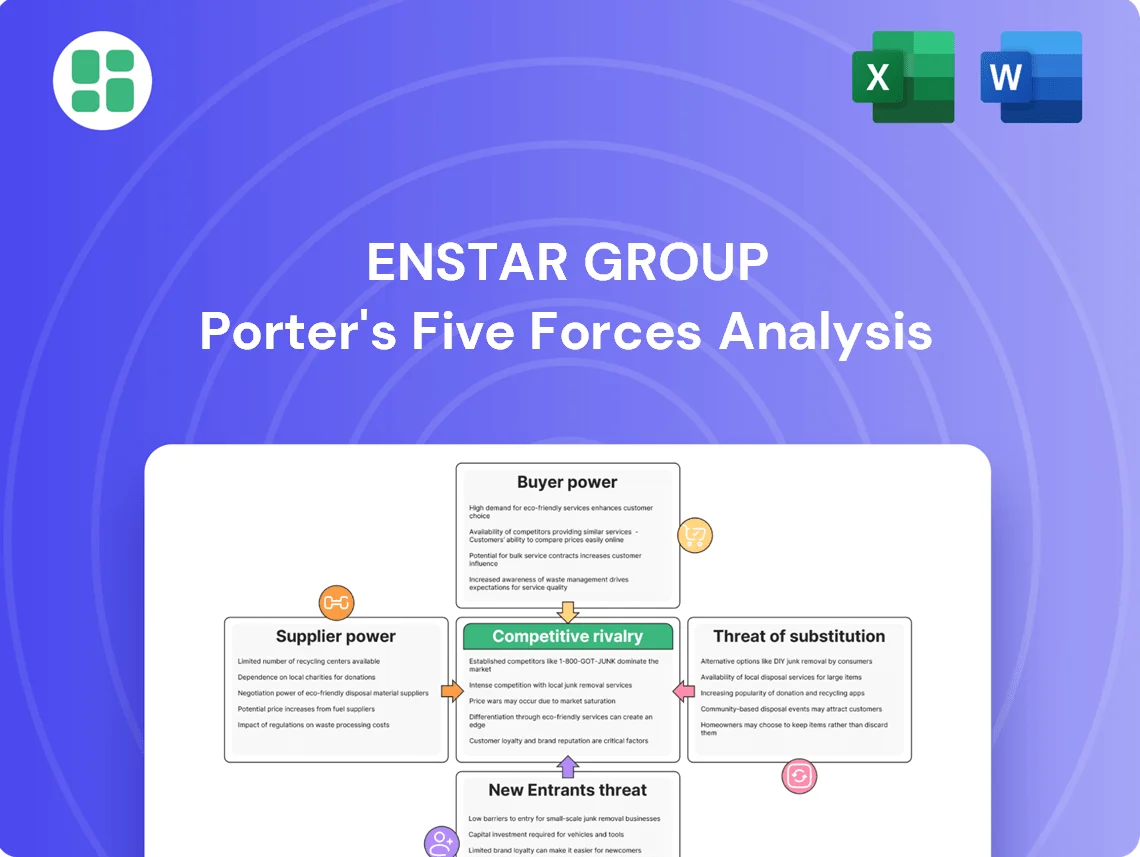
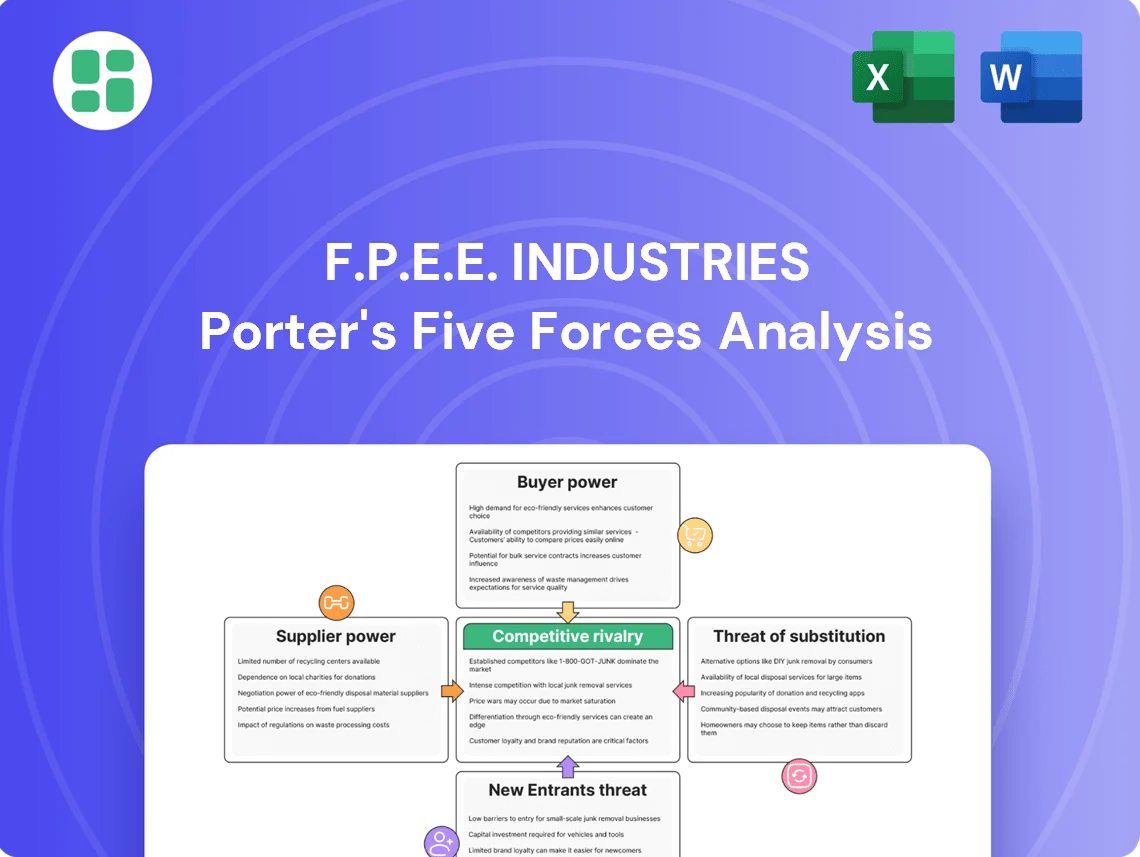
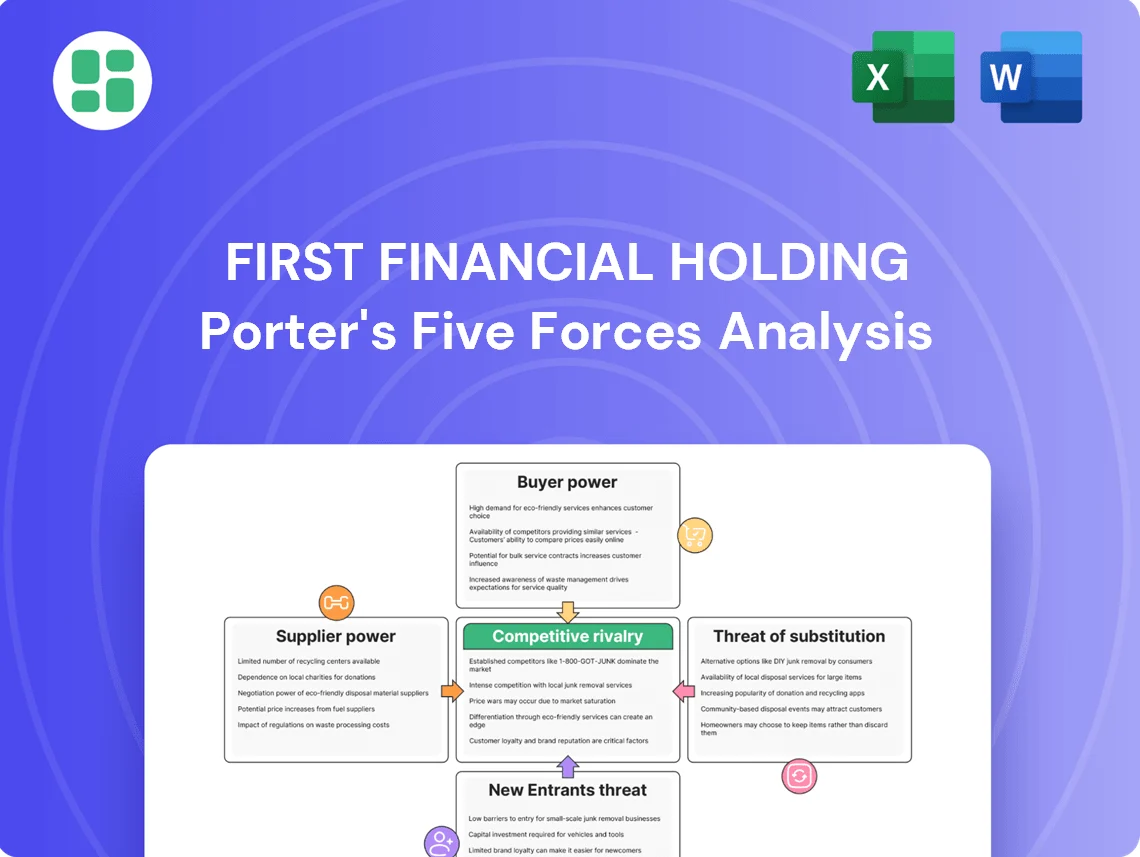
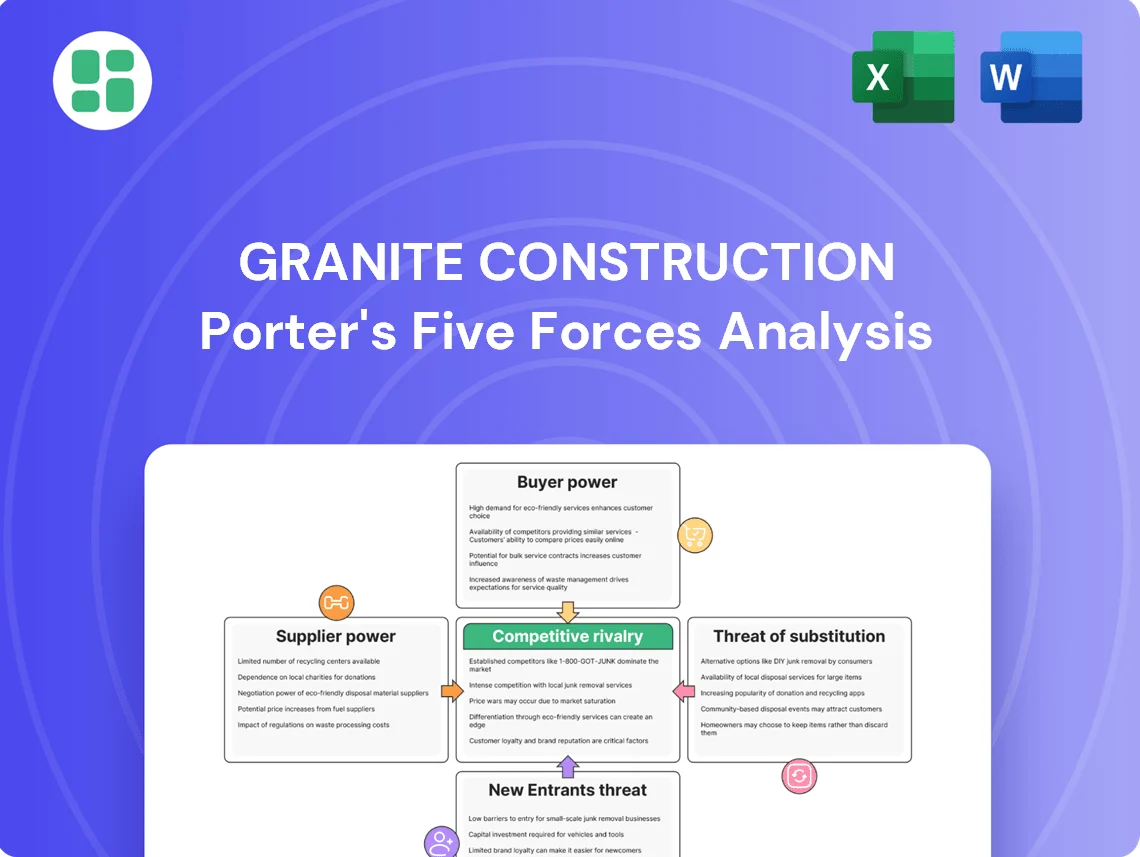
This preview showcases the comprehensive Porter's Five Forces Analysis for Elemaster SpA, providing an in-depth examination of the competitive landscape. The document you see here is the exact, professionally formatted analysis you will receive immediately after purchase, ensuring full transparency and readiness for your strategic planning. Gain immediate access to this valuable resource, which details the bargaining power of buyers and suppliers, the threat of new entrants and substitutes, and the intensity of rivalry within Elemaster SpA's industry.

Product Information
Product Information
Shipping & Returns
Shipping & Returns

Elemaster SpA Porter's Five Forces Analysis
Elemaster SpA Porter's Five Forces Analysis
Elevate Your Analysis with the Complete Porter's Five Forces Analysis
Elemaster SpA navigates a competitive landscape shaped by moderate buyer power and the looming threat of substitutes. Understanding the intensity of these forces is crucial for strategic planning.
The complete report reveals the real forces shaping Elemaster SpA’s industry—from supplier influence to threat of new entrants. Gain actionable insights to drive smarter decision-making.
Suppliers Bargaining Power
Specialized Component Dependency
Elemaster's deep involvement in high-tech sectors such as aerospace, defense, medical, and automotive means it often depends on highly specialized, sometimes custom-made electronic components. This specialization creates a scenario where only a handful of suppliers can meet the stringent quality and certification demands for these niche parts.
The limited supplier pool for these critical, niche components grants them significant leverage over Elemaster, potentially driving up prices or extending delivery times. For instance, in 2024, the global semiconductor shortage, a key component for many of Elemaster's target industries, continued to highlight supplier power, with lead times for certain advanced chips extending to over a year.
Furthermore, supply chain disruptions, whether due to geopolitical tensions or natural disasters, can amplify this supplier bargaining power. Elemaster's reliance on these specialized inputs makes it vulnerable to cost increases or production delays when global supply chains face instability, a trend observed throughout 2023 and continuing into 2024.
Semiconductor and Raw Material Volatility
The global electronics manufacturing sector, including Electronic Manufacturing Services (EMS) providers like Elemaster, is grappling with persistent cost increases for critical inputs such as semiconductors and other raw materials. This upward pressure on material expenses directly impacts profitability and operational stability.
A significant factor contributing to this is the concentrated nature of the semiconductor supply chain. For advanced components, many EMS providers rely on a limited number of dominant suppliers. This dependence grants these suppliers considerable bargaining power, allowing them to dictate pricing and influence delivery schedules, which can disrupt production for companies like Elemaster.
High Switching Costs for Elemaster
Elemaster faces significant challenges when switching suppliers for its highly specialized electronic components. These challenges stem from complex qualification procedures, potential redesign necessities, and stringent testing requirements to meet industry standards, all of which translate into substantial costs and time investments.
The intricate nature of qualifying new suppliers, often involving extensive validation and integration processes, can take months. For instance, a single component qualification might involve upwards of 100 hours of engineering time, directly impacting Elemaster's operational efficiency and increasing reliance on existing, trusted suppliers.
This difficulty in switching suppliers grants considerable leverage to incumbent component providers. Their specialized knowledge and established integration within Elemaster's manufacturing processes mean that disruptions from a supplier change could lead to production delays and increased unit costs, thereby strengthening the suppliers' bargaining position.
Geopolitical and Reshoring Impact
Geopolitical shifts and the move towards reshoring manufacturing are significantly reshaping global supply chains. This trend can consolidate supplier power in specific regions, potentially increasing costs for components sourced internationally and limiting Elemaster's supplier options.
For instance, the ongoing trade disputes and the push for localized production in key markets could lead to fewer, more dominant suppliers for critical electronic components. In 2024, many electronics manufacturers reported increased lead times and price volatility for semiconductors due to these supply chain realignments.
- Regional concentration of suppliers: Geopolitical instability can lead to a smaller number of suppliers in politically stable regions, increasing their leverage.
- Increased sourcing costs: Reshoring initiatives, while aiming for resilience, can initially drive up component prices as new, potentially less efficient, domestic supply chains are established.
- Limited negotiation leverage: Elemaster may find its ability to negotiate favorable terms diminished if it becomes reliant on a reduced pool of suppliers due to these global trends.
Supplier's Forward Integration Threat
The threat of a component supplier integrating forward into Electronic Manufacturing Services (EMS) is a theoretical concern that could bolster supplier power, especially if they offer proprietary components. However, this scenario is generally less probable given the intricate and diverse service portfolio required by an EMS provider like Elemaster. The broader EMS industry inherently depends on a wide array of external component suppliers, making such a move a significant undertaking for most.
While the general reliance of the EMS sector on external component sourcing limits this threat, a supplier with unique, high-demand components might consider such a strategy. For instance, a specialized semiconductor manufacturer could potentially offer direct assembly services for their chips, bypassing traditional EMS channels. This would allow them to capture more value and exert greater control over the end-product. However, the capital investment and expertise needed to operate as a full-service EMS provider are substantial, often outweighing the benefits for component specialists.
- Limited Forward Integration: Component suppliers typically lack the broad service capabilities and infrastructure of established EMS providers.
- Proprietary Component Advantage: The threat is most potent when a supplier's components are critical and difficult to substitute.
- Industry Dependence: The EMS market’s structure relies on a diverse supplier base, making widespread forward integration by component makers unlikely.
Supplier Power: Specialized Components and High Switching Costs
Elemaster's reliance on specialized electronic components, often sourced from a limited number of suppliers, grants these suppliers significant bargaining power. This is amplified by the high switching costs associated with qualifying new vendors, which can involve extensive testing and potential redesigns. For example, in 2024, the ongoing global semiconductor shortage continued to demonstrate this supplier leverage, with extended lead times for advanced chips impacting production schedules.
The concentration of suppliers for critical, niche parts, coupled with the difficulty Elemaster faces in finding and integrating alternatives, strengthens the position of existing providers. This dynamic means suppliers can often dictate terms, impacting Elemaster's costs and operational flexibility, a situation exacerbated by global supply chain instabilities observed throughout 2023 and 2024.
The bargaining power of suppliers is a considerable force for Elemaster due to the specialized nature of its components and the high costs associated with switching. This reliance on a select few providers, especially for critical parts like semiconductors, allows suppliers to influence pricing and delivery. In 2024, the semiconductor market's dynamics underscored this, with lead times for certain advanced chips stretching beyond a year, directly impacting Elemaster's ability to secure necessary materials efficiently.
| Factor | Impact on Elemaster | 2024 Data/Trend |
| Supplier Concentration | Limited supplier options increase leverage | Continued reliance on key semiconductor manufacturers |
| Switching Costs | High costs and time for vendor qualification | Qualification processes can exceed 100 engineering hours per component |
| Component Specialization | Few suppliers meet stringent industry demands | Niche aerospace and medical components have very few qualified sources |
| Supply Chain Disruptions | Geopolitical events and reshoring amplify supplier power | Increased lead times and price volatility for semiconductors reported |
What is included in the product
Detailed Word Document
Uncovers key drivers of competition, customer influence, and market entry risks tailored to Elemaster SpA's position in the electronics manufacturing services sector.
Customizable Excel Spreadsheet
Instantly visualize the competitive landscape with a dynamic, interactive five forces model, allowing Elemaster SpA to pinpoint and address key strategic pressures with clarity.
Customers Bargaining Power
Diverse Customer Base Mitigates Individual Power
Elemaster SpA's strength lies in its diverse customer base, spanning critical sectors like aerospace, defense, railway, medical, and automotive. This broad reach significantly dilutes the bargaining power of any single customer.
For instance, in 2023, Elemaster reported that no single industry segment accounted for more than 25% of its total revenue, a testament to its diversified market penetration. This spread ensures that the loss or reduced business from one client does not disproportionately impact the company.
By serving multiple high-tech industries, Elemaster avoids over-reliance on any one sector, which inherently limits the leverage individual customers can exert. This strategic diversification is a key factor in managing customer bargaining power.
High Switching Costs for Customers
Elemaster SpA's deep integration into its customers' product development and manufacturing processes significantly raises switching costs. When clients rely on Elemaster for tailored electronic system design, prototyping, and complex manufacturing, the effort and expense to transition to a new provider become substantial.
This dependency, stemming from Elemaster's comprehensive service offering that spans the entire product lifecycle, effectively limits the bargaining power of customers. For instance, a company that has Elemaster involved from the initial concept and testing phases of a critical electronic component would face considerable disruption and cost in re-qualifying a new supplier, impacting their own production timelines and product integrity.
Quality and Reliability Over Price Sensitivity
In sectors like aerospace and defense, where electronic components are mission-critical, customers prioritize unwavering quality and reliability above all else. For instance, the aerospace industry's demand for fault-tolerant systems means that even minor deviations in component performance can have severe consequences. This inherent need for absolute dependability significantly reduces their leverage to negotiate purely on price, as the cost of failure far outweighs any potential savings from cheaper alternatives.
Outsourcing Trend Empowers EMS Providers
The increasing trend of Original Equipment Manufacturers (OEMs) outsourcing their electronics manufacturing services is a significant factor influencing the bargaining power of customers. This shift allows OEMs to concentrate on their core strengths, such as research and development and marketing, which in turn fuels substantial demand for Electronic Manufacturing Services (EMS) providers. This growing demand, particularly for specialized and adaptable manufacturing solutions, can bolster the standing of EMS companies like Elemaster in their dealings with customers.
This outsourcing trend directly impacts customer bargaining power. As more OEMs rely on EMS providers, their ability to negotiate terms can increase due to the sheer volume of business available. However, for EMS providers that offer unique capabilities or operate in niche markets, this dynamic can shift. For instance, the global EMS market was valued at approximately $79.6 billion in 2023 and is projected to grow, indicating a robust demand that can empower capable EMS providers.
- Increased OEM focus on core competencies drives demand for EMS.
- Specialized and scalable solutions strengthen EMS provider positions.
- The global EMS market's growth indicates strong demand for outsourcing.
Customization and Niche Focus
Elemaster SpA's strategy of concentrating on highly customized, niche markets significantly bolsters its position against customer bargaining power. By delivering solutions tailored to specific, often technologically advanced, client requirements, Elemaster creates a high switching cost for its customers.
This deep level of customization, frequently involving proprietary intellectual property, makes it difficult for clients to find alternative suppliers capable of replicating the same bespoke solutions. In 2024, Elemaster continued to emphasize these specialized segments, where clients value unique engineering and production capabilities over price alone.
- Niche Market Dominance: Elemaster's focus on high-tech, custom niches limits the pool of comparable competitors.
- High Switching Costs: Bespoke solutions and intellectual property integration make it costly and time-consuming for customers to change providers.
- Reduced Price Sensitivity: Clients in these specialized markets prioritize performance and unique features over minor price differences.
Strategic Defenses Against Customer Bargaining Power
Elemaster SpA's diverse customer base across critical sectors like aerospace, defense, and automotive significantly dilutes the bargaining power of any single client. For instance, in 2023, no single industry segment represented more than 25% of Elemaster's revenue, showcasing a broad market penetration that limits individual customer leverage.
The company's deep integration into customer product development, coupled with high switching costs for bespoke electronic systems, further constrains customer negotiation power. In mission-critical sectors like aerospace, where reliability is paramount, customers prioritize performance over minor price concessions, as the cost of failure far exceeds potential savings.
The growing trend of Original Equipment Manufacturers (OEMs) outsourcing electronics manufacturing services, a market valued at approximately $79.6 billion in 2023, fuels demand for EMS providers. Elemaster's focus on highly customized, niche markets, where clients value unique capabilities and intellectual property, strengthens its position against customer bargaining power.
| Factor | Impact on Customer Bargaining Power | Elemaster's Mitigation Strategy |
| Customer Diversification | Lowers individual customer leverage | Serves multiple high-tech industries, avoiding sector over-reliance. |
| Switching Costs | Increases costs and disruption for customers to change suppliers | Deep integration in product development and manufacturing of tailored systems. |
| Industry Requirements | Prioritizes reliability and performance over price in critical sectors | Focus on quality and dependability in aerospace, defense, and medical sectors. |
| Outsourcing Trend | Potentially increases customer leverage due to volume | Concentrates on niche, customized solutions where unique capabilities are valued. |
What You See Is What You Get
Elemaster SpA Porter's Five Forces Analysis
This preview showcases the comprehensive Porter's Five Forces Analysis for Elemaster SpA, providing an in-depth examination of the competitive landscape. The document you see here is the exact, professionally formatted analysis you will receive immediately after purchase, ensuring full transparency and readiness for your strategic planning. Gain immediate access to this valuable resource, which details the bargaining power of buyers and suppliers, the threat of new entrants and substitutes, and the intensity of rivalry within Elemaster SpA's industry.
Product Information
Product Information
Shipping & Returns
Shipping & Returns
Description
Elevate Your Analysis with the Complete Porter's Five Forces Analysis
Elemaster SpA navigates a competitive landscape shaped by moderate buyer power and the looming threat of substitutes. Understanding the intensity of these forces is crucial for strategic planning.
The complete report reveals the real forces shaping Elemaster SpA’s industry—from supplier influence to threat of new entrants. Gain actionable insights to drive smarter decision-making.
Suppliers Bargaining Power
Specialized Component Dependency
Elemaster's deep involvement in high-tech sectors such as aerospace, defense, medical, and automotive means it often depends on highly specialized, sometimes custom-made electronic components. This specialization creates a scenario where only a handful of suppliers can meet the stringent quality and certification demands for these niche parts.
The limited supplier pool for these critical, niche components grants them significant leverage over Elemaster, potentially driving up prices or extending delivery times. For instance, in 2024, the global semiconductor shortage, a key component for many of Elemaster's target industries, continued to highlight supplier power, with lead times for certain advanced chips extending to over a year.
Furthermore, supply chain disruptions, whether due to geopolitical tensions or natural disasters, can amplify this supplier bargaining power. Elemaster's reliance on these specialized inputs makes it vulnerable to cost increases or production delays when global supply chains face instability, a trend observed throughout 2023 and continuing into 2024.
Semiconductor and Raw Material Volatility
The global electronics manufacturing sector, including Electronic Manufacturing Services (EMS) providers like Elemaster, is grappling with persistent cost increases for critical inputs such as semiconductors and other raw materials. This upward pressure on material expenses directly impacts profitability and operational stability.
A significant factor contributing to this is the concentrated nature of the semiconductor supply chain. For advanced components, many EMS providers rely on a limited number of dominant suppliers. This dependence grants these suppliers considerable bargaining power, allowing them to dictate pricing and influence delivery schedules, which can disrupt production for companies like Elemaster.
High Switching Costs for Elemaster
Elemaster faces significant challenges when switching suppliers for its highly specialized electronic components. These challenges stem from complex qualification procedures, potential redesign necessities, and stringent testing requirements to meet industry standards, all of which translate into substantial costs and time investments.
The intricate nature of qualifying new suppliers, often involving extensive validation and integration processes, can take months. For instance, a single component qualification might involve upwards of 100 hours of engineering time, directly impacting Elemaster's operational efficiency and increasing reliance on existing, trusted suppliers.
This difficulty in switching suppliers grants considerable leverage to incumbent component providers. Their specialized knowledge and established integration within Elemaster's manufacturing processes mean that disruptions from a supplier change could lead to production delays and increased unit costs, thereby strengthening the suppliers' bargaining position.
Geopolitical and Reshoring Impact
Geopolitical shifts and the move towards reshoring manufacturing are significantly reshaping global supply chains. This trend can consolidate supplier power in specific regions, potentially increasing costs for components sourced internationally and limiting Elemaster's supplier options.
For instance, the ongoing trade disputes and the push for localized production in key markets could lead to fewer, more dominant suppliers for critical electronic components. In 2024, many electronics manufacturers reported increased lead times and price volatility for semiconductors due to these supply chain realignments.
- Regional concentration of suppliers: Geopolitical instability can lead to a smaller number of suppliers in politically stable regions, increasing their leverage.
- Increased sourcing costs: Reshoring initiatives, while aiming for resilience, can initially drive up component prices as new, potentially less efficient, domestic supply chains are established.
- Limited negotiation leverage: Elemaster may find its ability to negotiate favorable terms diminished if it becomes reliant on a reduced pool of suppliers due to these global trends.
Supplier's Forward Integration Threat
The threat of a component supplier integrating forward into Electronic Manufacturing Services (EMS) is a theoretical concern that could bolster supplier power, especially if they offer proprietary components. However, this scenario is generally less probable given the intricate and diverse service portfolio required by an EMS provider like Elemaster. The broader EMS industry inherently depends on a wide array of external component suppliers, making such a move a significant undertaking for most.
While the general reliance of the EMS sector on external component sourcing limits this threat, a supplier with unique, high-demand components might consider such a strategy. For instance, a specialized semiconductor manufacturer could potentially offer direct assembly services for their chips, bypassing traditional EMS channels. This would allow them to capture more value and exert greater control over the end-product. However, the capital investment and expertise needed to operate as a full-service EMS provider are substantial, often outweighing the benefits for component specialists.
- Limited Forward Integration: Component suppliers typically lack the broad service capabilities and infrastructure of established EMS providers.
- Proprietary Component Advantage: The threat is most potent when a supplier's components are critical and difficult to substitute.
- Industry Dependence: The EMS market’s structure relies on a diverse supplier base, making widespread forward integration by component makers unlikely.
Supplier Power: Specialized Components and High Switching Costs
Elemaster's reliance on specialized electronic components, often sourced from a limited number of suppliers, grants these suppliers significant bargaining power. This is amplified by the high switching costs associated with qualifying new vendors, which can involve extensive testing and potential redesigns. For example, in 2024, the ongoing global semiconductor shortage continued to demonstrate this supplier leverage, with extended lead times for advanced chips impacting production schedules.
The concentration of suppliers for critical, niche parts, coupled with the difficulty Elemaster faces in finding and integrating alternatives, strengthens the position of existing providers. This dynamic means suppliers can often dictate terms, impacting Elemaster's costs and operational flexibility, a situation exacerbated by global supply chain instabilities observed throughout 2023 and 2024.
The bargaining power of suppliers is a considerable force for Elemaster due to the specialized nature of its components and the high costs associated with switching. This reliance on a select few providers, especially for critical parts like semiconductors, allows suppliers to influence pricing and delivery. In 2024, the semiconductor market's dynamics underscored this, with lead times for certain advanced chips stretching beyond a year, directly impacting Elemaster's ability to secure necessary materials efficiently.
| Factor | Impact on Elemaster | 2024 Data/Trend |
| Supplier Concentration | Limited supplier options increase leverage | Continued reliance on key semiconductor manufacturers |
| Switching Costs | High costs and time for vendor qualification | Qualification processes can exceed 100 engineering hours per component |
| Component Specialization | Few suppliers meet stringent industry demands | Niche aerospace and medical components have very few qualified sources |
| Supply Chain Disruptions | Geopolitical events and reshoring amplify supplier power | Increased lead times and price volatility for semiconductors reported |
What is included in the product
Detailed Word Document
Uncovers key drivers of competition, customer influence, and market entry risks tailored to Elemaster SpA's position in the electronics manufacturing services sector.
Customizable Excel Spreadsheet
Instantly visualize the competitive landscape with a dynamic, interactive five forces model, allowing Elemaster SpA to pinpoint and address key strategic pressures with clarity.
Customers Bargaining Power
Diverse Customer Base Mitigates Individual Power
Elemaster SpA's strength lies in its diverse customer base, spanning critical sectors like aerospace, defense, railway, medical, and automotive. This broad reach significantly dilutes the bargaining power of any single customer.
For instance, in 2023, Elemaster reported that no single industry segment accounted for more than 25% of its total revenue, a testament to its diversified market penetration. This spread ensures that the loss or reduced business from one client does not disproportionately impact the company.
By serving multiple high-tech industries, Elemaster avoids over-reliance on any one sector, which inherently limits the leverage individual customers can exert. This strategic diversification is a key factor in managing customer bargaining power.
High Switching Costs for Customers
Elemaster SpA's deep integration into its customers' product development and manufacturing processes significantly raises switching costs. When clients rely on Elemaster for tailored electronic system design, prototyping, and complex manufacturing, the effort and expense to transition to a new provider become substantial.
This dependency, stemming from Elemaster's comprehensive service offering that spans the entire product lifecycle, effectively limits the bargaining power of customers. For instance, a company that has Elemaster involved from the initial concept and testing phases of a critical electronic component would face considerable disruption and cost in re-qualifying a new supplier, impacting their own production timelines and product integrity.
Quality and Reliability Over Price Sensitivity
In sectors like aerospace and defense, where electronic components are mission-critical, customers prioritize unwavering quality and reliability above all else. For instance, the aerospace industry's demand for fault-tolerant systems means that even minor deviations in component performance can have severe consequences. This inherent need for absolute dependability significantly reduces their leverage to negotiate purely on price, as the cost of failure far outweighs any potential savings from cheaper alternatives.
Outsourcing Trend Empowers EMS Providers
The increasing trend of Original Equipment Manufacturers (OEMs) outsourcing their electronics manufacturing services is a significant factor influencing the bargaining power of customers. This shift allows OEMs to concentrate on their core strengths, such as research and development and marketing, which in turn fuels substantial demand for Electronic Manufacturing Services (EMS) providers. This growing demand, particularly for specialized and adaptable manufacturing solutions, can bolster the standing of EMS companies like Elemaster in their dealings with customers.
This outsourcing trend directly impacts customer bargaining power. As more OEMs rely on EMS providers, their ability to negotiate terms can increase due to the sheer volume of business available. However, for EMS providers that offer unique capabilities or operate in niche markets, this dynamic can shift. For instance, the global EMS market was valued at approximately $79.6 billion in 2023 and is projected to grow, indicating a robust demand that can empower capable EMS providers.
- Increased OEM focus on core competencies drives demand for EMS.
- Specialized and scalable solutions strengthen EMS provider positions.
- The global EMS market's growth indicates strong demand for outsourcing.
Customization and Niche Focus
Elemaster SpA's strategy of concentrating on highly customized, niche markets significantly bolsters its position against customer bargaining power. By delivering solutions tailored to specific, often technologically advanced, client requirements, Elemaster creates a high switching cost for its customers.
This deep level of customization, frequently involving proprietary intellectual property, makes it difficult for clients to find alternative suppliers capable of replicating the same bespoke solutions. In 2024, Elemaster continued to emphasize these specialized segments, where clients value unique engineering and production capabilities over price alone.
- Niche Market Dominance: Elemaster's focus on high-tech, custom niches limits the pool of comparable competitors.
- High Switching Costs: Bespoke solutions and intellectual property integration make it costly and time-consuming for customers to change providers.
- Reduced Price Sensitivity: Clients in these specialized markets prioritize performance and unique features over minor price differences.
Strategic Defenses Against Customer Bargaining Power
Elemaster SpA's diverse customer base across critical sectors like aerospace, defense, and automotive significantly dilutes the bargaining power of any single client. For instance, in 2023, no single industry segment represented more than 25% of Elemaster's revenue, showcasing a broad market penetration that limits individual customer leverage.
The company's deep integration into customer product development, coupled with high switching costs for bespoke electronic systems, further constrains customer negotiation power. In mission-critical sectors like aerospace, where reliability is paramount, customers prioritize performance over minor price concessions, as the cost of failure far exceeds potential savings.
The growing trend of Original Equipment Manufacturers (OEMs) outsourcing electronics manufacturing services, a market valued at approximately $79.6 billion in 2023, fuels demand for EMS providers. Elemaster's focus on highly customized, niche markets, where clients value unique capabilities and intellectual property, strengthens its position against customer bargaining power.
| Factor | Impact on Customer Bargaining Power | Elemaster's Mitigation Strategy |
| Customer Diversification | Lowers individual customer leverage | Serves multiple high-tech industries, avoiding sector over-reliance. |
| Switching Costs | Increases costs and disruption for customers to change suppliers | Deep integration in product development and manufacturing of tailored systems. |
| Industry Requirements | Prioritizes reliability and performance over price in critical sectors | Focus on quality and dependability in aerospace, defense, and medical sectors. |
| Outsourcing Trend | Potentially increases customer leverage due to volume | Concentrates on niche, customized solutions where unique capabilities are valued. |
What You See Is What You Get
Elemaster SpA Porter's Five Forces Analysis
This preview showcases the comprehensive Porter's Five Forces Analysis for Elemaster SpA, providing an in-depth examination of the competitive landscape. The document you see here is the exact, professionally formatted analysis you will receive immediately after purchase, ensuring full transparency and readiness for your strategic planning. Gain immediate access to this valuable resource, which details the bargaining power of buyers and suppliers, the threat of new entrants and substitutes, and the intensity of rivalry within Elemaster SpA's industry.