WuXi Biologics PESTLE Analysis

Your Competitive Advantage Starts with This Report
Uncover the critical political, economic, social, technological, legal, and environmental factors shaping WuXi Biologics's trajectory. Our expertly crafted PESTLE analysis provides a clear roadmap of the external forces influencing this biopharmaceutical giant. Gain a competitive edge by understanding these dynamics to refine your strategy. Download the full PESTLE analysis now for actionable intelligence.
Political factors

Geopolitical Tensions and Trade Policies
Geopolitical tensions, especially between the United States and China, pose a significant challenge for WuXi Biologics. As a company with substantial operations in both countries, any escalation in trade disputes, such as tariffs or export controls, could directly impact its supply chain and client agreements. For instance, in 2023, discussions around potential US restrictions on certain Chinese biotech firms highlighted the sensitivity of this environment.
Government Support and Incentives for Biologics
Governments globally are actively supporting the biotech industry. For instance, the US government's Inflation Reduction Act of 2022, while impacting pricing, also includes provisions for R&D tax credits, which can benefit companies like WuXi Biologics. Similarly, China's 14th Five-Year Plan (2021-2025) prioritizes the development of advanced manufacturing and the biopharmaceutical sector, offering substantial incentives.
WuXi Biologics benefits from these policies, which often include R&D tax credits and grants for developing innovative therapies and expanding manufacturing capacity. These governmental initiatives create a more favorable environment for growth and streamline the regulatory pathways for new biologic drugs.

Drug Pricing Regulations and Healthcare Reforms
Governmental policies on drug pricing and healthcare reforms significantly shape the market for biologics. For instance, in 2024, the U.S. Inflation Reduction Act continued to exert pressure on pharmaceutical companies to negotiate prices for certain high-cost drugs, potentially impacting the commercial success of products WuXi Biologics' clients develop.
Stricter price controls or altered reimbursement policies in major markets like the European Union, where national health systems often negotiate prices, can directly affect the demand for contract research, development, and manufacturing organization (CRDMO) services. Reduced commercial viability for a client's drug means less need for WuXi Biologics' manufacturing capacity.
WuXi Biologics must remain highly attuned to these dynamic regulatory shifts. By understanding evolving landscapes, they can better advise clients on market access strategies and product development pathways, ensuring their services remain valuable in a changing healthcare environment.

Biosecurity and National Security Concerns
The heightened global emphasis on biosecurity and national security, particularly following the COVID-19 pandemic, is intensifying scrutiny of foreign-involved biopharmaceutical operations. This translates to potentially stricter regulatory oversight and data-sharing mandates for companies like WuXi Biologics, impacting its ability to operate freely and form strategic alliances in critical biological manufacturing sectors.
These evolving geopolitical dynamics could manifest in several ways for WuXi Biologics:
- Increased Regulatory Scrutiny: Governments may implement more rigorous checks on foreign biopharmaceutical companies, including site inspections and compliance audits, to ensure national security interests are protected.
- Data Sovereignty Demands: Requirements for data localization and enhanced data protection protocols could become more prevalent, affecting how WuXi Biologics manages sensitive research and manufacturing information.
- Restrictions on Partnerships: Collaboration or investment in companies possessing critical biological manufacturing capabilities might face limitations or require extensive national security reviews.
- Supply Chain Re-evaluation: Nations are increasingly looking to onshore or near-shore critical pharmaceutical manufacturing, potentially impacting WuXi Biologics' role in global supply chains.
Regulatory Harmonization and International Standards
The push for regulatory harmonization among global health authorities, including the FDA, EMA, and China's NMPA, significantly impacts the speed and expense of launching new biologic drugs. WuXi Biologics, as a Contract Research, Development, and Manufacturing Organization (CRDMO), benefits directly from political initiatives aimed at mutual recognition of data or standardized approval processes. For instance, ongoing discussions around the International Council for Harmonisation of Technical Requirements for Pharmaceuticals for Human Use (ICH) guidelines, which many regulatory bodies adopt, aim to streamline clinical trial requirements and Good Manufacturing Practices (GMP).
These efforts can reduce redundant testing and accelerate market entry for WuXi Biologics’ clients. In 2024, the EMA continued its focus on harmonizing digital submission formats, aiming for greater interoperability with other agencies. Conversely, any divergence in regulatory expectations, such as differing requirements for biosimilarity assessments or impurity profiling, can introduce complexity and extend development timelines, increasing costs for WuXi Biologics and its partners.
Key aspects of regulatory harmonization impacting WuXi Biologics include:
- Alignment on Good Manufacturing Practices (GMP): Consistent GMP standards across major markets reduce the need for facility revalidation.
- Data Recognition Agreements: Mutual acceptance of preclinical and clinical study data simplifies global drug submissions.
- Streamlined Biosimilar Pathways: Harmonized guidelines for biosimilar development and approval expedite market access for these complex biologics.
- Harmonization of CMC Requirements: Standardized Chemistry, Manufacturing, and Controls (CMC) documentation reduces submission preparation time.
Biotech's Global Currents: Geopolitics, Policy, and Regulation
Geopolitical tensions, particularly between the US and China, create significant risks for WuXi Biologics, impacting its supply chains and client relationships due to potential trade disputes and export controls. The global push for biosecurity also heightens scrutiny of foreign biopharmaceutical operations, potentially leading to stricter regulations and data-sharing demands.
Governmental support for the biotech sector, including R&D tax credits and incentives for advanced manufacturing, as seen in China's 14th Five-Year Plan and the US Inflation Reduction Act, creates a favorable operating environment. However, drug pricing policies and healthcare reforms in major markets continue to exert pressure on the commercial viability of biologics, directly influencing demand for CRDMO services.
Regulatory harmonization efforts, such as the adoption of ICH guidelines, benefit WuXi Biologics by streamlining drug approvals and reducing development costs for its clients. Conversely, any divergence in regulatory expectations can introduce complexity and extend timelines.
What is included in the product
 Detailed Word Document
This PESTLE analysis examines the impact of Political, Economic, Social, Technological, Environmental, and Legal factors on WuXi Biologics, providing actionable insights for strategic decision-making.

 Customizable Excel Spreadsheet
A clear, actionable PESTLE analysis for WuXi Biologics, presented in a concise, easily digestible format, serves as a powerful pain point reliever by enabling swift identification of external opportunities and threats, thereby streamlining strategic decision-making.
Economic factors

Global R&D Spending in Biopharma
Global R&D spending in biopharma is a critical driver for WuXi Biologics. In 2023, biopharmaceutical R&D expenditure was projected to reach approximately $250 billion, a figure expected to grow as companies invest in novel therapies. This investment directly fuels demand for the contract research, development, and manufacturing organization (CRDMO) services WuXi Biologics provides.
Economic health significantly influences R&D budgets. For instance, a strong global economy in 2024 and 2025 is likely to encourage larger R&D outlays by pharmaceutical majors and increased venture capital funding for emerging biotech firms. This trend benefits WuXi Biologics by expanding its potential client base and project pipeline.
Conversely, economic downturns or tighter credit conditions can curb R&D investment. A slowdown in venture capital, which saw significant growth in earlier years but faced headwinds in late 2023, could reduce the number of early-stage drug programs seeking outsourced development. This would directly impact WuXi Biologics' revenue streams and growth prospects.
Inflationary Pressures and Operational Costs
Global inflationary pressures are a significant concern for WuXi Biologics, potentially driving up operational expenses. This includes the cost of essential inputs like raw materials, energy, and skilled labor, as well as the price of specialized equipment. For instance, the average inflation rate across OECD countries was projected to be 5.5% in 2024, a slight decrease from 2023 but still elevated.
These rising costs can directly impact WuXi Biologics' profitability. If the company cannot fully transfer these increased expenses to its clients through higher service fees, its profit margins could shrink. This delicate balance requires careful financial management and strategic pricing adjustments to maintain competitiveness.
To navigate these inflationary headwinds, WuXi Biologics must implement robust cost management strategies. This involves optimizing procurement processes to secure better rates for materials, exploring energy efficiency measures, and potentially revising its pricing structures to reflect the current economic reality. Proactive measures in these areas are crucial for sustained operational health.

Access to Capital for Biotech Clients
Access to capital is a significant economic factor for WuXi Biologics' clients, particularly small and mid-sized biotech firms. The availability of venture capital, private equity, and public market funding directly impacts their ability to initiate and sustain research and development projects, which in turn drives demand for WuXi Biologics' services.
In 2023, global venture capital funding for biotech saw a notable decline compared to the peak years of 2021 and 2022. For instance, while biotech funding reached over $30 billion in 2021, it dropped to approximately $17 billion in 2023, according to PitchBook data, signaling a tighter environment for early-stage companies.
A contraction in credit markets or a reduced investor appetite for the inherent risks in biotech ventures can directly translate to fewer new projects and slower growth for WuXi Biologics. The company's own expansion is therefore intrinsically linked to the financial health and funding accessibility of its diverse client base within the biotechnology sector.

Currency Exchange Rate Fluctuations
Currency exchange rate fluctuations are a significant economic factor for WuXi Biologics, given its global footprint and diverse customer base. Changes in the value of currencies like the US Dollar, Euro, and Chinese Yuan directly impact the company's reported financial performance and operational costs. For instance, a strengthening US Dollar against the Chinese Yuan could reduce the dollar-denominated cost of services for US clients, potentially impacting WuXi's revenue in Yuan terms.
The company's exposure to these volatilities can affect the competitiveness of its contract research, development, and manufacturing services across different geographical markets. For example, if the Yuan depreciates significantly against the Euro, WuXi's services might become more attractive to European clients seeking cost savings, but this could also increase the cost of imported raw materials or equipment priced in Euros.
To mitigate these risks, WuXi Biologics employs strategies such as currency hedging, which involves financial instruments to lock in exchange rates for future transactions. Natural hedges, like matching revenues and expenses in the same currency, are also crucial for managing this economic factor.
- Revenue Impact: In 2023, WuXi Biologics reported revenue in USD, CNY, and EUR. Fluctuations between these currencies directly alter the reported top-line figures when consolidated.
- Operational Costs: A significant portion of WuXi's capital expenditures and operational expenses, particularly for specialized equipment or raw materials, may be denominated in currencies different from its primary operating currencies, creating exposure.
- Competitiveness: For Q1 2024, the average USD/CNY exchange rate was approximately 7.26. A notable shift in this rate could make WuXi's services comparatively cheaper or more expensive for clients in the US versus China.
Intensifying Competition in CDMO Market
The contract development and manufacturing organization (CDMO) sector is experiencing heightened competition, with both legacy companies and emerging players aggressively pursuing market share. This dynamic environment often translates into downward pressure on pricing and necessitates ongoing investment in cutting-edge technologies and unique service offerings to stand out. WuXi Biologics, to sustain its leadership position, must prioritize innovation and operational efficiency.
The global CDMO market was valued at approximately $16.5 billion in 2023 and is projected to grow significantly, but this growth attracts new entrants and intensifies rivalry among existing ones. For instance, companies like Lonza, Catalent, and Samsung Biologics are also heavily investing in expanding their capacities and capabilities, creating a crowded landscape.
- Market Saturation: As more companies enter the CDMO space, the availability of contracts may become more limited, impacting revenue growth for all players.
- Pricing Wars: Increased competition can lead to a race to the bottom on pricing, squeezing profit margins if not managed strategically.
- Technological Arms Race: Staying ahead requires continuous investment in advanced manufacturing technologies, such as continuous manufacturing and single-use systems, which can be capital-intensive.
- Service Specialization: Differentiating through specialized services, like cell and gene therapy manufacturing, becomes crucial for capturing niche market segments.
Biologics Outlook: Growth, Inflation, Funding
Global economic growth directly influences R&D spending, a key driver for WuXi Biologics. In 2024, the International Monetary Fund projected global GDP growth of 3.2%, a stable figure that supports sustained investment in biopharmaceutical innovation. This economic backdrop generally favors increased outsourcing of research, development, and manufacturing services by pharmaceutical and biotech companies, benefiting WuXi's business model.
Inflationary pressures remain a concern, impacting operational costs. While inflation eased from 2023 highs, it persisted in 2024, affecting raw material, energy, and labor expenses for companies like WuXi Biologics. For instance, the US Consumer Price Index (CPI) showed an annual increase of 3.4% in April 2024, indicating ongoing cost pressures that require careful management and potential price adjustments to clients.
Access to capital for WuXi's clients, particularly emerging biotech firms, is crucial. Venture capital funding for biotech, which saw a dip in 2023, showed signs of recovery in early 2024, though still below peak levels. This availability of funding directly correlates with the number of projects seeking CDMO services, impacting WuXi's pipeline and revenue potential.
Full Version Awaits
WuXi Biologics PESTLE Analysis
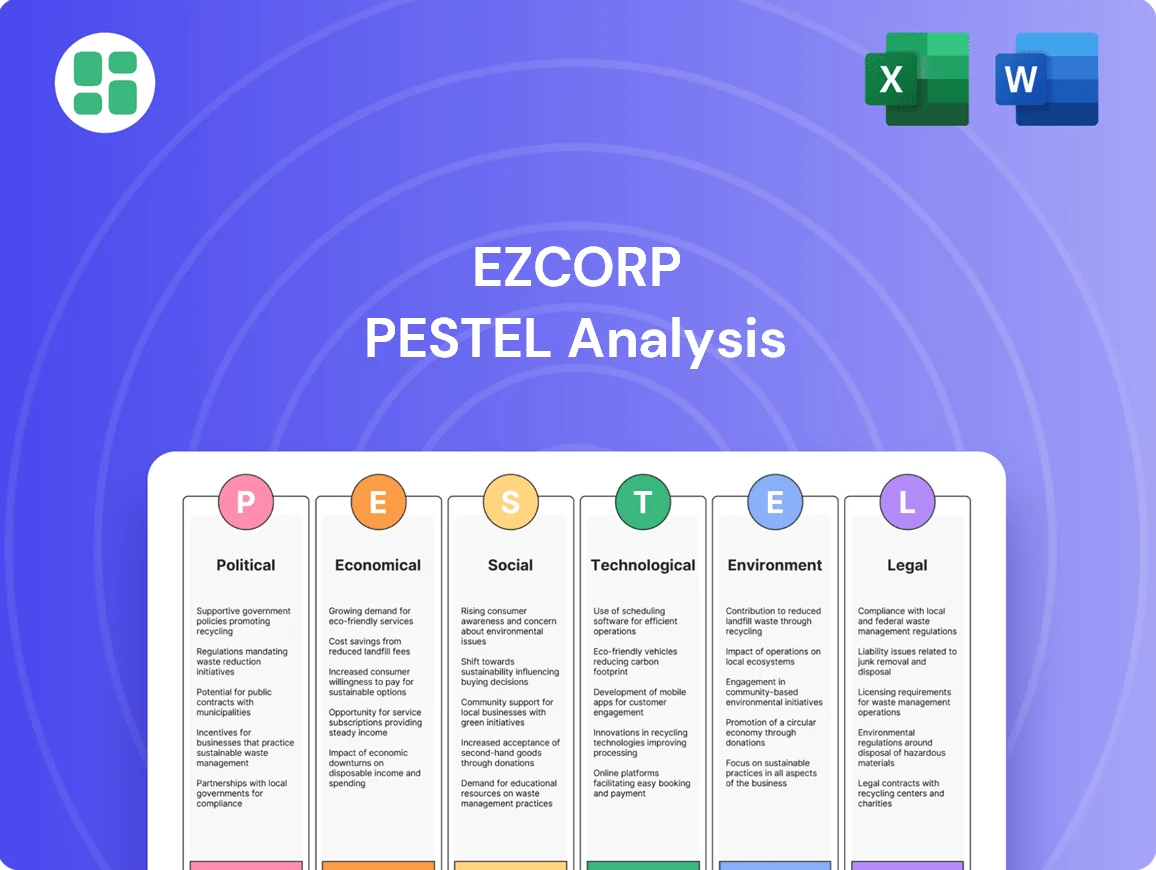
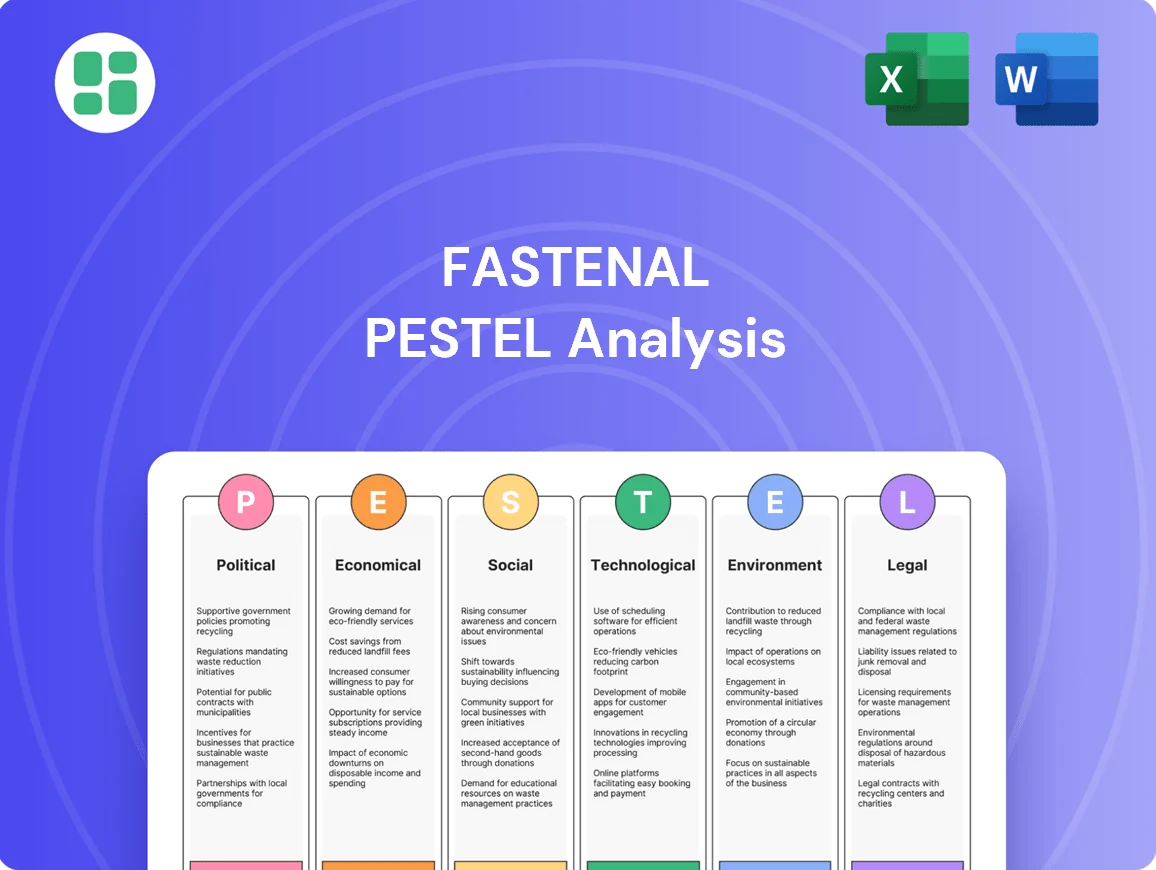
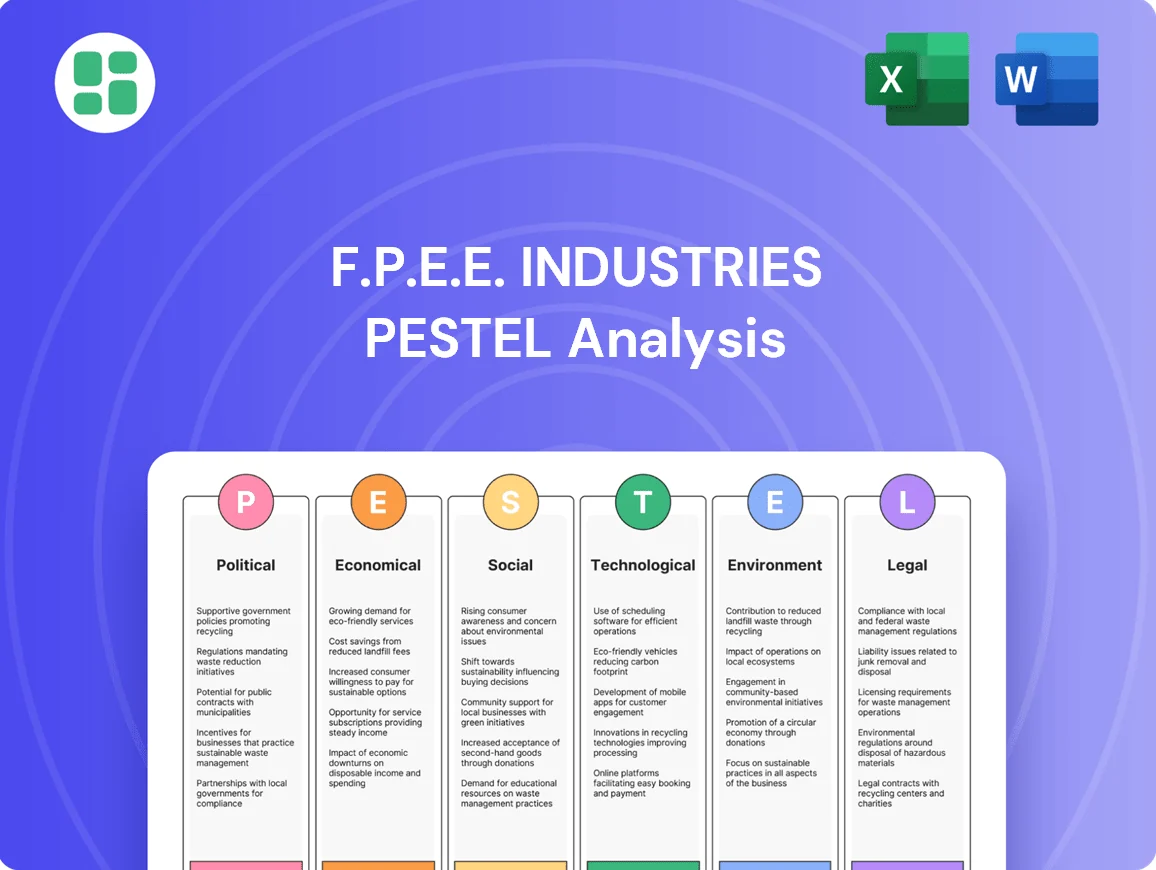
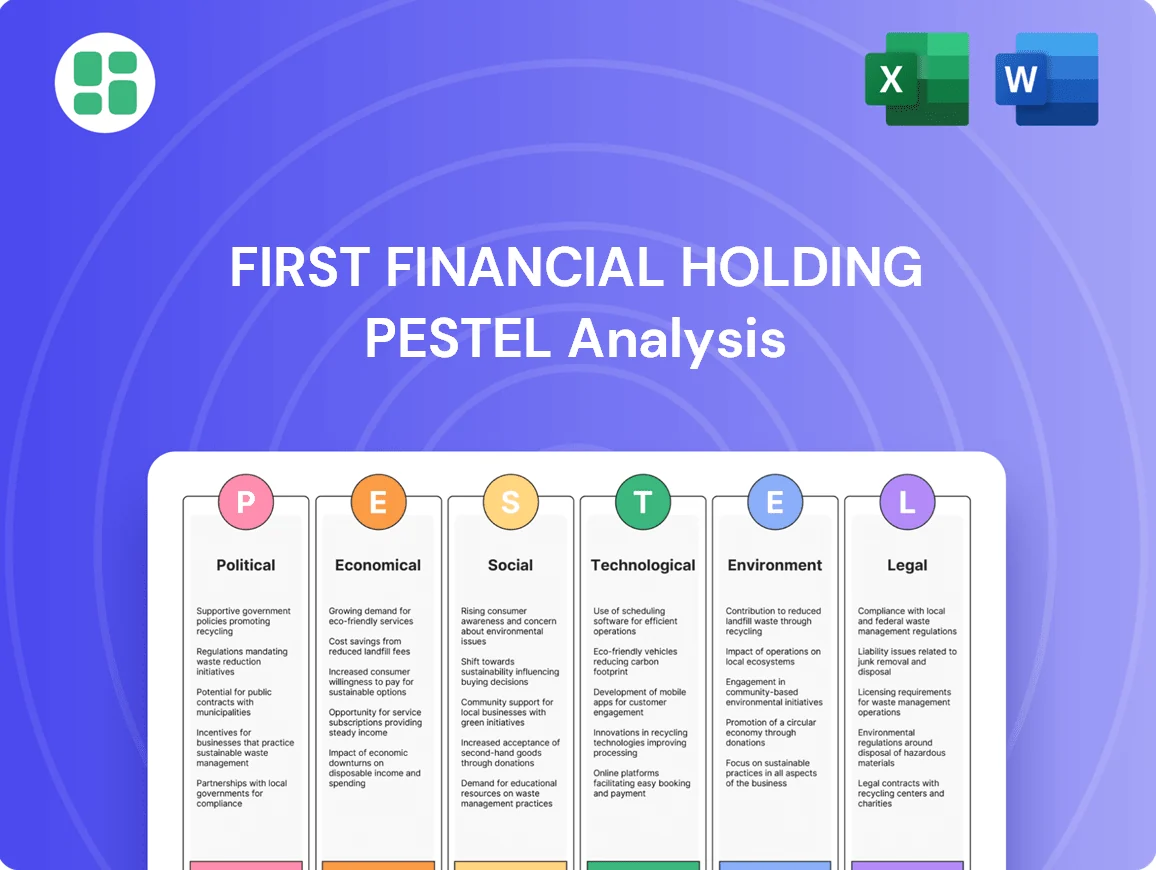
The preview shown here is the exact document you’ll receive after purchase—fully formatted and ready to use. This comprehensive WuXi Biologics PESTLE analysis delves into the Political, Economic, Social, Technological, Legal, and Environmental factors impacting the company. You'll gain a clear understanding of the external forces shaping its strategic landscape.

Product Information
Product Information
Shipping & Returns
Shipping & Returns

WuXi Biologics PESTLE Analysis
WuXi Biologics PESTLE Analysis
Your Competitive Advantage Starts with This Report
Uncover the critical political, economic, social, technological, legal, and environmental factors shaping WuXi Biologics's trajectory. Our expertly crafted PESTLE analysis provides a clear roadmap of the external forces influencing this biopharmaceutical giant. Gain a competitive edge by understanding these dynamics to refine your strategy. Download the full PESTLE analysis now for actionable intelligence.
Political factors
Geopolitical Tensions and Trade Policies
Geopolitical tensions, especially between the United States and China, pose a significant challenge for WuXi Biologics. As a company with substantial operations in both countries, any escalation in trade disputes, such as tariffs or export controls, could directly impact its supply chain and client agreements. For instance, in 2023, discussions around potential US restrictions on certain Chinese biotech firms highlighted the sensitivity of this environment.
Government Support and Incentives for Biologics
Governments globally are actively supporting the biotech industry. For instance, the US government's Inflation Reduction Act of 2022, while impacting pricing, also includes provisions for R&D tax credits, which can benefit companies like WuXi Biologics. Similarly, China's 14th Five-Year Plan (2021-2025) prioritizes the development of advanced manufacturing and the biopharmaceutical sector, offering substantial incentives.
WuXi Biologics benefits from these policies, which often include R&D tax credits and grants for developing innovative therapies and expanding manufacturing capacity. These governmental initiatives create a more favorable environment for growth and streamline the regulatory pathways for new biologic drugs.
Drug Pricing Regulations and Healthcare Reforms
Governmental policies on drug pricing and healthcare reforms significantly shape the market for biologics. For instance, in 2024, the U.S. Inflation Reduction Act continued to exert pressure on pharmaceutical companies to negotiate prices for certain high-cost drugs, potentially impacting the commercial success of products WuXi Biologics' clients develop.
Stricter price controls or altered reimbursement policies in major markets like the European Union, where national health systems often negotiate prices, can directly affect the demand for contract research, development, and manufacturing organization (CRDMO) services. Reduced commercial viability for a client's drug means less need for WuXi Biologics' manufacturing capacity.
WuXi Biologics must remain highly attuned to these dynamic regulatory shifts. By understanding evolving landscapes, they can better advise clients on market access strategies and product development pathways, ensuring their services remain valuable in a changing healthcare environment.
Biosecurity and National Security Concerns
The heightened global emphasis on biosecurity and national security, particularly following the COVID-19 pandemic, is intensifying scrutiny of foreign-involved biopharmaceutical operations. This translates to potentially stricter regulatory oversight and data-sharing mandates for companies like WuXi Biologics, impacting its ability to operate freely and form strategic alliances in critical biological manufacturing sectors.
These evolving geopolitical dynamics could manifest in several ways for WuXi Biologics:
- Increased Regulatory Scrutiny: Governments may implement more rigorous checks on foreign biopharmaceutical companies, including site inspections and compliance audits, to ensure national security interests are protected.
- Data Sovereignty Demands: Requirements for data localization and enhanced data protection protocols could become more prevalent, affecting how WuXi Biologics manages sensitive research and manufacturing information.
- Restrictions on Partnerships: Collaboration or investment in companies possessing critical biological manufacturing capabilities might face limitations or require extensive national security reviews.
- Supply Chain Re-evaluation: Nations are increasingly looking to onshore or near-shore critical pharmaceutical manufacturing, potentially impacting WuXi Biologics' role in global supply chains.
Regulatory Harmonization and International Standards
The push for regulatory harmonization among global health authorities, including the FDA, EMA, and China's NMPA, significantly impacts the speed and expense of launching new biologic drugs. WuXi Biologics, as a Contract Research, Development, and Manufacturing Organization (CRDMO), benefits directly from political initiatives aimed at mutual recognition of data or standardized approval processes. For instance, ongoing discussions around the International Council for Harmonisation of Technical Requirements for Pharmaceuticals for Human Use (ICH) guidelines, which many regulatory bodies adopt, aim to streamline clinical trial requirements and Good Manufacturing Practices (GMP).
These efforts can reduce redundant testing and accelerate market entry for WuXi Biologics’ clients. In 2024, the EMA continued its focus on harmonizing digital submission formats, aiming for greater interoperability with other agencies. Conversely, any divergence in regulatory expectations, such as differing requirements for biosimilarity assessments or impurity profiling, can introduce complexity and extend development timelines, increasing costs for WuXi Biologics and its partners.
Key aspects of regulatory harmonization impacting WuXi Biologics include:
- Alignment on Good Manufacturing Practices (GMP): Consistent GMP standards across major markets reduce the need for facility revalidation.
- Data Recognition Agreements: Mutual acceptance of preclinical and clinical study data simplifies global drug submissions.
- Streamlined Biosimilar Pathways: Harmonized guidelines for biosimilar development and approval expedite market access for these complex biologics.
- Harmonization of CMC Requirements: Standardized Chemistry, Manufacturing, and Controls (CMC) documentation reduces submission preparation time.
Biotech's Global Currents: Geopolitics, Policy, and Regulation
Geopolitical tensions, particularly between the US and China, create significant risks for WuXi Biologics, impacting its supply chains and client relationships due to potential trade disputes and export controls. The global push for biosecurity also heightens scrutiny of foreign biopharmaceutical operations, potentially leading to stricter regulations and data-sharing demands.
Governmental support for the biotech sector, including R&D tax credits and incentives for advanced manufacturing, as seen in China's 14th Five-Year Plan and the US Inflation Reduction Act, creates a favorable operating environment. However, drug pricing policies and healthcare reforms in major markets continue to exert pressure on the commercial viability of biologics, directly influencing demand for CRDMO services.
Regulatory harmonization efforts, such as the adoption of ICH guidelines, benefit WuXi Biologics by streamlining drug approvals and reducing development costs for its clients. Conversely, any divergence in regulatory expectations can introduce complexity and extend timelines.
What is included in the product
Detailed Word Document
This PESTLE analysis examines the impact of Political, Economic, Social, Technological, Environmental, and Legal factors on WuXi Biologics, providing actionable insights for strategic decision-making.
Customizable Excel Spreadsheet
A clear, actionable PESTLE analysis for WuXi Biologics, presented in a concise, easily digestible format, serves as a powerful pain point reliever by enabling swift identification of external opportunities and threats, thereby streamlining strategic decision-making.
Economic factors
Global R&D Spending in Biopharma
Global R&D spending in biopharma is a critical driver for WuXi Biologics. In 2023, biopharmaceutical R&D expenditure was projected to reach approximately $250 billion, a figure expected to grow as companies invest in novel therapies. This investment directly fuels demand for the contract research, development, and manufacturing organization (CRDMO) services WuXi Biologics provides.
Economic health significantly influences R&D budgets. For instance, a strong global economy in 2024 and 2025 is likely to encourage larger R&D outlays by pharmaceutical majors and increased venture capital funding for emerging biotech firms. This trend benefits WuXi Biologics by expanding its potential client base and project pipeline.
Conversely, economic downturns or tighter credit conditions can curb R&D investment. A slowdown in venture capital, which saw significant growth in earlier years but faced headwinds in late 2023, could reduce the number of early-stage drug programs seeking outsourced development. This would directly impact WuXi Biologics' revenue streams and growth prospects.
Inflationary Pressures and Operational Costs
Global inflationary pressures are a significant concern for WuXi Biologics, potentially driving up operational expenses. This includes the cost of essential inputs like raw materials, energy, and skilled labor, as well as the price of specialized equipment. For instance, the average inflation rate across OECD countries was projected to be 5.5% in 2024, a slight decrease from 2023 but still elevated.
These rising costs can directly impact WuXi Biologics' profitability. If the company cannot fully transfer these increased expenses to its clients through higher service fees, its profit margins could shrink. This delicate balance requires careful financial management and strategic pricing adjustments to maintain competitiveness.
To navigate these inflationary headwinds, WuXi Biologics must implement robust cost management strategies. This involves optimizing procurement processes to secure better rates for materials, exploring energy efficiency measures, and potentially revising its pricing structures to reflect the current economic reality. Proactive measures in these areas are crucial for sustained operational health.
Access to Capital for Biotech Clients
Access to capital is a significant economic factor for WuXi Biologics' clients, particularly small and mid-sized biotech firms. The availability of venture capital, private equity, and public market funding directly impacts their ability to initiate and sustain research and development projects, which in turn drives demand for WuXi Biologics' services.
In 2023, global venture capital funding for biotech saw a notable decline compared to the peak years of 2021 and 2022. For instance, while biotech funding reached over $30 billion in 2021, it dropped to approximately $17 billion in 2023, according to PitchBook data, signaling a tighter environment for early-stage companies.
A contraction in credit markets or a reduced investor appetite for the inherent risks in biotech ventures can directly translate to fewer new projects and slower growth for WuXi Biologics. The company's own expansion is therefore intrinsically linked to the financial health and funding accessibility of its diverse client base within the biotechnology sector.
Currency Exchange Rate Fluctuations
Currency exchange rate fluctuations are a significant economic factor for WuXi Biologics, given its global footprint and diverse customer base. Changes in the value of currencies like the US Dollar, Euro, and Chinese Yuan directly impact the company's reported financial performance and operational costs. For instance, a strengthening US Dollar against the Chinese Yuan could reduce the dollar-denominated cost of services for US clients, potentially impacting WuXi's revenue in Yuan terms.
The company's exposure to these volatilities can affect the competitiveness of its contract research, development, and manufacturing services across different geographical markets. For example, if the Yuan depreciates significantly against the Euro, WuXi's services might become more attractive to European clients seeking cost savings, but this could also increase the cost of imported raw materials or equipment priced in Euros.
To mitigate these risks, WuXi Biologics employs strategies such as currency hedging, which involves financial instruments to lock in exchange rates for future transactions. Natural hedges, like matching revenues and expenses in the same currency, are also crucial for managing this economic factor.
- Revenue Impact: In 2023, WuXi Biologics reported revenue in USD, CNY, and EUR. Fluctuations between these currencies directly alter the reported top-line figures when consolidated.
- Operational Costs: A significant portion of WuXi's capital expenditures and operational expenses, particularly for specialized equipment or raw materials, may be denominated in currencies different from its primary operating currencies, creating exposure.
- Competitiveness: For Q1 2024, the average USD/CNY exchange rate was approximately 7.26. A notable shift in this rate could make WuXi's services comparatively cheaper or more expensive for clients in the US versus China.
Intensifying Competition in CDMO Market
The contract development and manufacturing organization (CDMO) sector is experiencing heightened competition, with both legacy companies and emerging players aggressively pursuing market share. This dynamic environment often translates into downward pressure on pricing and necessitates ongoing investment in cutting-edge technologies and unique service offerings to stand out. WuXi Biologics, to sustain its leadership position, must prioritize innovation and operational efficiency.
The global CDMO market was valued at approximately $16.5 billion in 2023 and is projected to grow significantly, but this growth attracts new entrants and intensifies rivalry among existing ones. For instance, companies like Lonza, Catalent, and Samsung Biologics are also heavily investing in expanding their capacities and capabilities, creating a crowded landscape.
- Market Saturation: As more companies enter the CDMO space, the availability of contracts may become more limited, impacting revenue growth for all players.
- Pricing Wars: Increased competition can lead to a race to the bottom on pricing, squeezing profit margins if not managed strategically.
- Technological Arms Race: Staying ahead requires continuous investment in advanced manufacturing technologies, such as continuous manufacturing and single-use systems, which can be capital-intensive.
- Service Specialization: Differentiating through specialized services, like cell and gene therapy manufacturing, becomes crucial for capturing niche market segments.
Biologics Outlook: Growth, Inflation, Funding
Global economic growth directly influences R&D spending, a key driver for WuXi Biologics. In 2024, the International Monetary Fund projected global GDP growth of 3.2%, a stable figure that supports sustained investment in biopharmaceutical innovation. This economic backdrop generally favors increased outsourcing of research, development, and manufacturing services by pharmaceutical and biotech companies, benefiting WuXi's business model.
Inflationary pressures remain a concern, impacting operational costs. While inflation eased from 2023 highs, it persisted in 2024, affecting raw material, energy, and labor expenses for companies like WuXi Biologics. For instance, the US Consumer Price Index (CPI) showed an annual increase of 3.4% in April 2024, indicating ongoing cost pressures that require careful management and potential price adjustments to clients.
Access to capital for WuXi's clients, particularly emerging biotech firms, is crucial. Venture capital funding for biotech, which saw a dip in 2023, showed signs of recovery in early 2024, though still below peak levels. This availability of funding directly correlates with the number of projects seeking CDMO services, impacting WuXi's pipeline and revenue potential.
Full Version Awaits
WuXi Biologics PESTLE Analysis
The preview shown here is the exact document you’ll receive after purchase—fully formatted and ready to use. This comprehensive WuXi Biologics PESTLE analysis delves into the Political, Economic, Social, Technological, Legal, and Environmental factors impacting the company. You'll gain a clear understanding of the external forces shaping its strategic landscape.
Product Information
Product Information
Shipping & Returns
Shipping & Returns
Description
Your Competitive Advantage Starts with This Report
Uncover the critical political, economic, social, technological, legal, and environmental factors shaping WuXi Biologics's trajectory. Our expertly crafted PESTLE analysis provides a clear roadmap of the external forces influencing this biopharmaceutical giant. Gain a competitive edge by understanding these dynamics to refine your strategy. Download the full PESTLE analysis now for actionable intelligence.
Political factors
Geopolitical Tensions and Trade Policies
Geopolitical tensions, especially between the United States and China, pose a significant challenge for WuXi Biologics. As a company with substantial operations in both countries, any escalation in trade disputes, such as tariffs or export controls, could directly impact its supply chain and client agreements. For instance, in 2023, discussions around potential US restrictions on certain Chinese biotech firms highlighted the sensitivity of this environment.
Government Support and Incentives for Biologics
Governments globally are actively supporting the biotech industry. For instance, the US government's Inflation Reduction Act of 2022, while impacting pricing, also includes provisions for R&D tax credits, which can benefit companies like WuXi Biologics. Similarly, China's 14th Five-Year Plan (2021-2025) prioritizes the development of advanced manufacturing and the biopharmaceutical sector, offering substantial incentives.
WuXi Biologics benefits from these policies, which often include R&D tax credits and grants for developing innovative therapies and expanding manufacturing capacity. These governmental initiatives create a more favorable environment for growth and streamline the regulatory pathways for new biologic drugs.
Drug Pricing Regulations and Healthcare Reforms
Governmental policies on drug pricing and healthcare reforms significantly shape the market for biologics. For instance, in 2024, the U.S. Inflation Reduction Act continued to exert pressure on pharmaceutical companies to negotiate prices for certain high-cost drugs, potentially impacting the commercial success of products WuXi Biologics' clients develop.
Stricter price controls or altered reimbursement policies in major markets like the European Union, where national health systems often negotiate prices, can directly affect the demand for contract research, development, and manufacturing organization (CRDMO) services. Reduced commercial viability for a client's drug means less need for WuXi Biologics' manufacturing capacity.
WuXi Biologics must remain highly attuned to these dynamic regulatory shifts. By understanding evolving landscapes, they can better advise clients on market access strategies and product development pathways, ensuring their services remain valuable in a changing healthcare environment.
Biosecurity and National Security Concerns
The heightened global emphasis on biosecurity and national security, particularly following the COVID-19 pandemic, is intensifying scrutiny of foreign-involved biopharmaceutical operations. This translates to potentially stricter regulatory oversight and data-sharing mandates for companies like WuXi Biologics, impacting its ability to operate freely and form strategic alliances in critical biological manufacturing sectors.
These evolving geopolitical dynamics could manifest in several ways for WuXi Biologics:
- Increased Regulatory Scrutiny: Governments may implement more rigorous checks on foreign biopharmaceutical companies, including site inspections and compliance audits, to ensure national security interests are protected.
- Data Sovereignty Demands: Requirements for data localization and enhanced data protection protocols could become more prevalent, affecting how WuXi Biologics manages sensitive research and manufacturing information.
- Restrictions on Partnerships: Collaboration or investment in companies possessing critical biological manufacturing capabilities might face limitations or require extensive national security reviews.
- Supply Chain Re-evaluation: Nations are increasingly looking to onshore or near-shore critical pharmaceutical manufacturing, potentially impacting WuXi Biologics' role in global supply chains.
Regulatory Harmonization and International Standards
The push for regulatory harmonization among global health authorities, including the FDA, EMA, and China's NMPA, significantly impacts the speed and expense of launching new biologic drugs. WuXi Biologics, as a Contract Research, Development, and Manufacturing Organization (CRDMO), benefits directly from political initiatives aimed at mutual recognition of data or standardized approval processes. For instance, ongoing discussions around the International Council for Harmonisation of Technical Requirements for Pharmaceuticals for Human Use (ICH) guidelines, which many regulatory bodies adopt, aim to streamline clinical trial requirements and Good Manufacturing Practices (GMP).
These efforts can reduce redundant testing and accelerate market entry for WuXi Biologics’ clients. In 2024, the EMA continued its focus on harmonizing digital submission formats, aiming for greater interoperability with other agencies. Conversely, any divergence in regulatory expectations, such as differing requirements for biosimilarity assessments or impurity profiling, can introduce complexity and extend development timelines, increasing costs for WuXi Biologics and its partners.
Key aspects of regulatory harmonization impacting WuXi Biologics include:
- Alignment on Good Manufacturing Practices (GMP): Consistent GMP standards across major markets reduce the need for facility revalidation.
- Data Recognition Agreements: Mutual acceptance of preclinical and clinical study data simplifies global drug submissions.
- Streamlined Biosimilar Pathways: Harmonized guidelines for biosimilar development and approval expedite market access for these complex biologics.
- Harmonization of CMC Requirements: Standardized Chemistry, Manufacturing, and Controls (CMC) documentation reduces submission preparation time.
Biotech's Global Currents: Geopolitics, Policy, and Regulation
Geopolitical tensions, particularly between the US and China, create significant risks for WuXi Biologics, impacting its supply chains and client relationships due to potential trade disputes and export controls. The global push for biosecurity also heightens scrutiny of foreign biopharmaceutical operations, potentially leading to stricter regulations and data-sharing demands.
Governmental support for the biotech sector, including R&D tax credits and incentives for advanced manufacturing, as seen in China's 14th Five-Year Plan and the US Inflation Reduction Act, creates a favorable operating environment. However, drug pricing policies and healthcare reforms in major markets continue to exert pressure on the commercial viability of biologics, directly influencing demand for CRDMO services.
Regulatory harmonization efforts, such as the adoption of ICH guidelines, benefit WuXi Biologics by streamlining drug approvals and reducing development costs for its clients. Conversely, any divergence in regulatory expectations can introduce complexity and extend timelines.
What is included in the product
Detailed Word Document
This PESTLE analysis examines the impact of Political, Economic, Social, Technological, Environmental, and Legal factors on WuXi Biologics, providing actionable insights for strategic decision-making.
Customizable Excel Spreadsheet
A clear, actionable PESTLE analysis for WuXi Biologics, presented in a concise, easily digestible format, serves as a powerful pain point reliever by enabling swift identification of external opportunities and threats, thereby streamlining strategic decision-making.
Economic factors
Global R&D Spending in Biopharma
Global R&D spending in biopharma is a critical driver for WuXi Biologics. In 2023, biopharmaceutical R&D expenditure was projected to reach approximately $250 billion, a figure expected to grow as companies invest in novel therapies. This investment directly fuels demand for the contract research, development, and manufacturing organization (CRDMO) services WuXi Biologics provides.
Economic health significantly influences R&D budgets. For instance, a strong global economy in 2024 and 2025 is likely to encourage larger R&D outlays by pharmaceutical majors and increased venture capital funding for emerging biotech firms. This trend benefits WuXi Biologics by expanding its potential client base and project pipeline.
Conversely, economic downturns or tighter credit conditions can curb R&D investment. A slowdown in venture capital, which saw significant growth in earlier years but faced headwinds in late 2023, could reduce the number of early-stage drug programs seeking outsourced development. This would directly impact WuXi Biologics' revenue streams and growth prospects.
Inflationary Pressures and Operational Costs
Global inflationary pressures are a significant concern for WuXi Biologics, potentially driving up operational expenses. This includes the cost of essential inputs like raw materials, energy, and skilled labor, as well as the price of specialized equipment. For instance, the average inflation rate across OECD countries was projected to be 5.5% in 2024, a slight decrease from 2023 but still elevated.
These rising costs can directly impact WuXi Biologics' profitability. If the company cannot fully transfer these increased expenses to its clients through higher service fees, its profit margins could shrink. This delicate balance requires careful financial management and strategic pricing adjustments to maintain competitiveness.
To navigate these inflationary headwinds, WuXi Biologics must implement robust cost management strategies. This involves optimizing procurement processes to secure better rates for materials, exploring energy efficiency measures, and potentially revising its pricing structures to reflect the current economic reality. Proactive measures in these areas are crucial for sustained operational health.
Access to Capital for Biotech Clients
Access to capital is a significant economic factor for WuXi Biologics' clients, particularly small and mid-sized biotech firms. The availability of venture capital, private equity, and public market funding directly impacts their ability to initiate and sustain research and development projects, which in turn drives demand for WuXi Biologics' services.
In 2023, global venture capital funding for biotech saw a notable decline compared to the peak years of 2021 and 2022. For instance, while biotech funding reached over $30 billion in 2021, it dropped to approximately $17 billion in 2023, according to PitchBook data, signaling a tighter environment for early-stage companies.
A contraction in credit markets or a reduced investor appetite for the inherent risks in biotech ventures can directly translate to fewer new projects and slower growth for WuXi Biologics. The company's own expansion is therefore intrinsically linked to the financial health and funding accessibility of its diverse client base within the biotechnology sector.
Currency Exchange Rate Fluctuations
Currency exchange rate fluctuations are a significant economic factor for WuXi Biologics, given its global footprint and diverse customer base. Changes in the value of currencies like the US Dollar, Euro, and Chinese Yuan directly impact the company's reported financial performance and operational costs. For instance, a strengthening US Dollar against the Chinese Yuan could reduce the dollar-denominated cost of services for US clients, potentially impacting WuXi's revenue in Yuan terms.
The company's exposure to these volatilities can affect the competitiveness of its contract research, development, and manufacturing services across different geographical markets. For example, if the Yuan depreciates significantly against the Euro, WuXi's services might become more attractive to European clients seeking cost savings, but this could also increase the cost of imported raw materials or equipment priced in Euros.
To mitigate these risks, WuXi Biologics employs strategies such as currency hedging, which involves financial instruments to lock in exchange rates for future transactions. Natural hedges, like matching revenues and expenses in the same currency, are also crucial for managing this economic factor.
- Revenue Impact: In 2023, WuXi Biologics reported revenue in USD, CNY, and EUR. Fluctuations between these currencies directly alter the reported top-line figures when consolidated.
- Operational Costs: A significant portion of WuXi's capital expenditures and operational expenses, particularly for specialized equipment or raw materials, may be denominated in currencies different from its primary operating currencies, creating exposure.
- Competitiveness: For Q1 2024, the average USD/CNY exchange rate was approximately 7.26. A notable shift in this rate could make WuXi's services comparatively cheaper or more expensive for clients in the US versus China.
Intensifying Competition in CDMO Market
The contract development and manufacturing organization (CDMO) sector is experiencing heightened competition, with both legacy companies and emerging players aggressively pursuing market share. This dynamic environment often translates into downward pressure on pricing and necessitates ongoing investment in cutting-edge technologies and unique service offerings to stand out. WuXi Biologics, to sustain its leadership position, must prioritize innovation and operational efficiency.
The global CDMO market was valued at approximately $16.5 billion in 2023 and is projected to grow significantly, but this growth attracts new entrants and intensifies rivalry among existing ones. For instance, companies like Lonza, Catalent, and Samsung Biologics are also heavily investing in expanding their capacities and capabilities, creating a crowded landscape.
- Market Saturation: As more companies enter the CDMO space, the availability of contracts may become more limited, impacting revenue growth for all players.
- Pricing Wars: Increased competition can lead to a race to the bottom on pricing, squeezing profit margins if not managed strategically.
- Technological Arms Race: Staying ahead requires continuous investment in advanced manufacturing technologies, such as continuous manufacturing and single-use systems, which can be capital-intensive.
- Service Specialization: Differentiating through specialized services, like cell and gene therapy manufacturing, becomes crucial for capturing niche market segments.
Biologics Outlook: Growth, Inflation, Funding
Global economic growth directly influences R&D spending, a key driver for WuXi Biologics. In 2024, the International Monetary Fund projected global GDP growth of 3.2%, a stable figure that supports sustained investment in biopharmaceutical innovation. This economic backdrop generally favors increased outsourcing of research, development, and manufacturing services by pharmaceutical and biotech companies, benefiting WuXi's business model.
Inflationary pressures remain a concern, impacting operational costs. While inflation eased from 2023 highs, it persisted in 2024, affecting raw material, energy, and labor expenses for companies like WuXi Biologics. For instance, the US Consumer Price Index (CPI) showed an annual increase of 3.4% in April 2024, indicating ongoing cost pressures that require careful management and potential price adjustments to clients.
Access to capital for WuXi's clients, particularly emerging biotech firms, is crucial. Venture capital funding for biotech, which saw a dip in 2023, showed signs of recovery in early 2024, though still below peak levels. This availability of funding directly correlates with the number of projects seeking CDMO services, impacting WuXi's pipeline and revenue potential.
Full Version Awaits
WuXi Biologics PESTLE Analysis
The preview shown here is the exact document you’ll receive after purchase—fully formatted and ready to use. This comprehensive WuXi Biologics PESTLE analysis delves into the Political, Economic, Social, Technological, Legal, and Environmental factors impacting the company. You'll gain a clear understanding of the external forces shaping its strategic landscape.