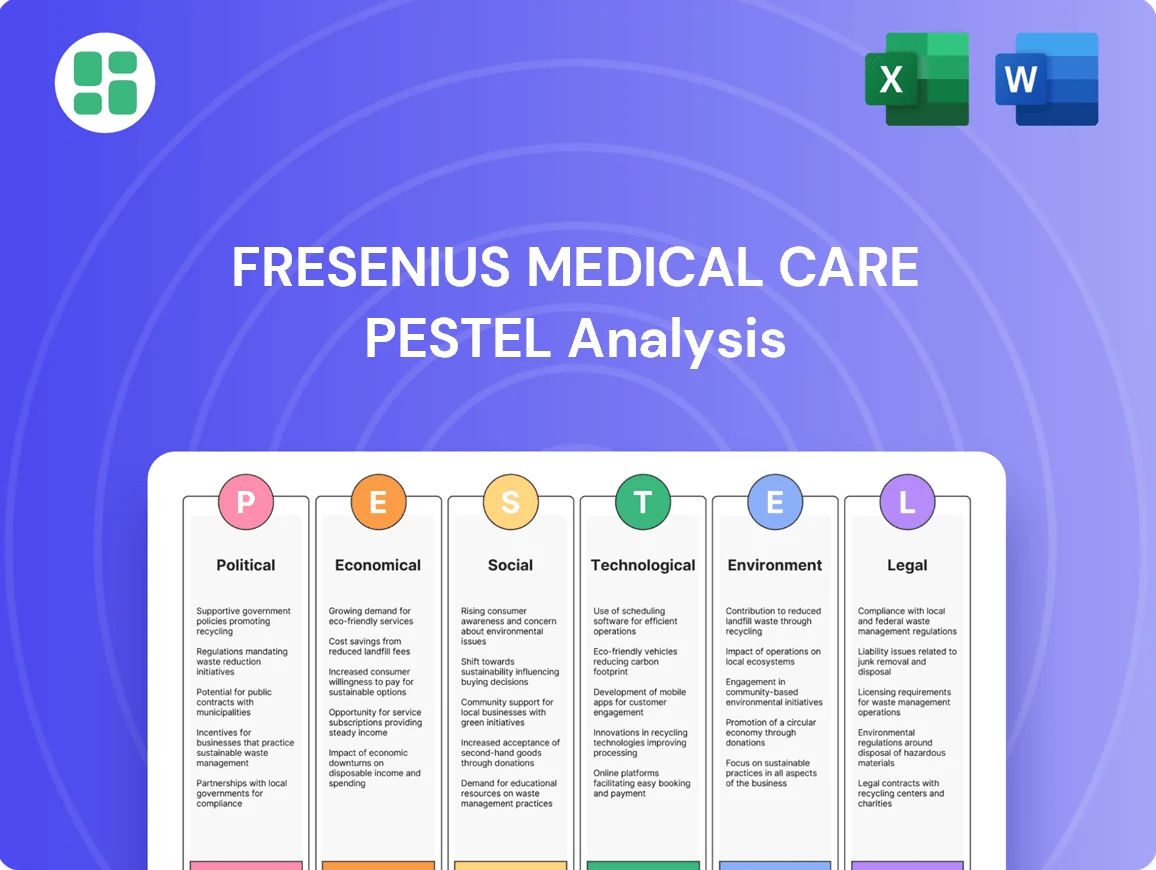
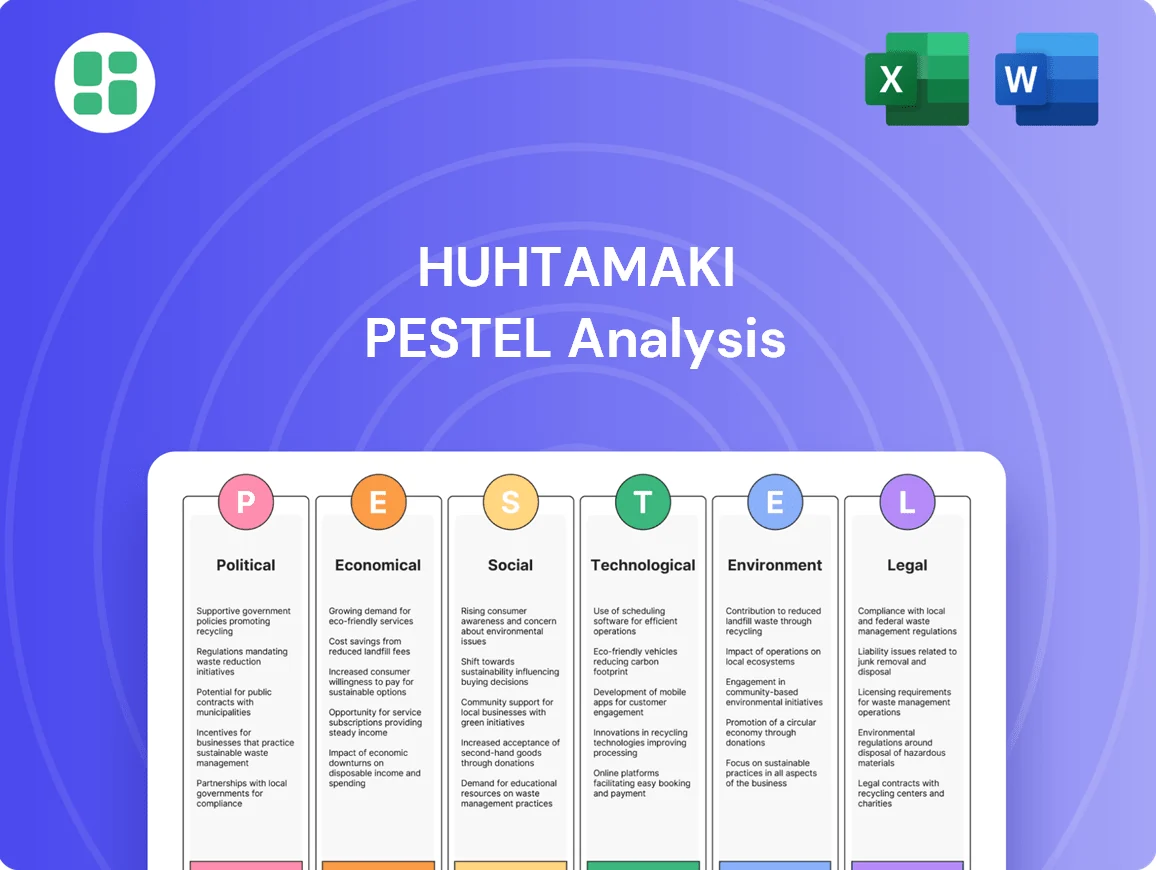
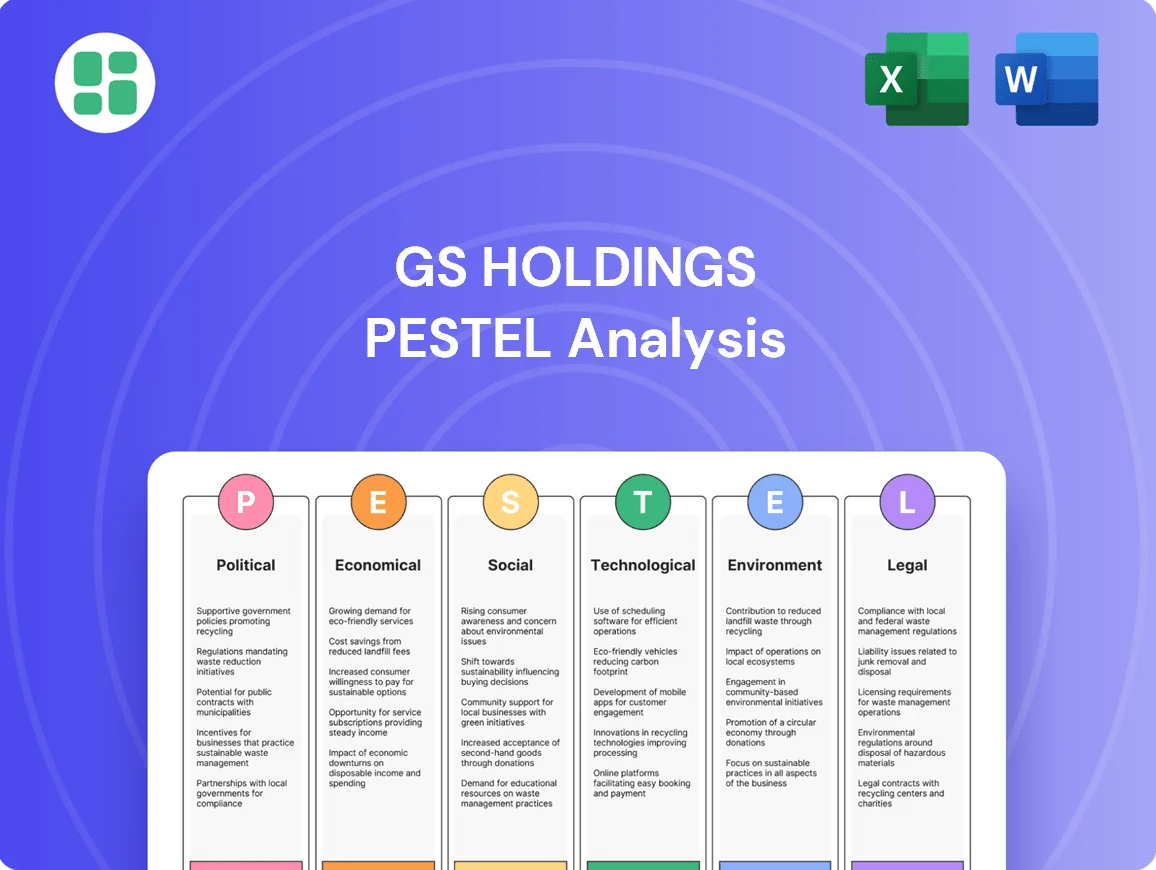
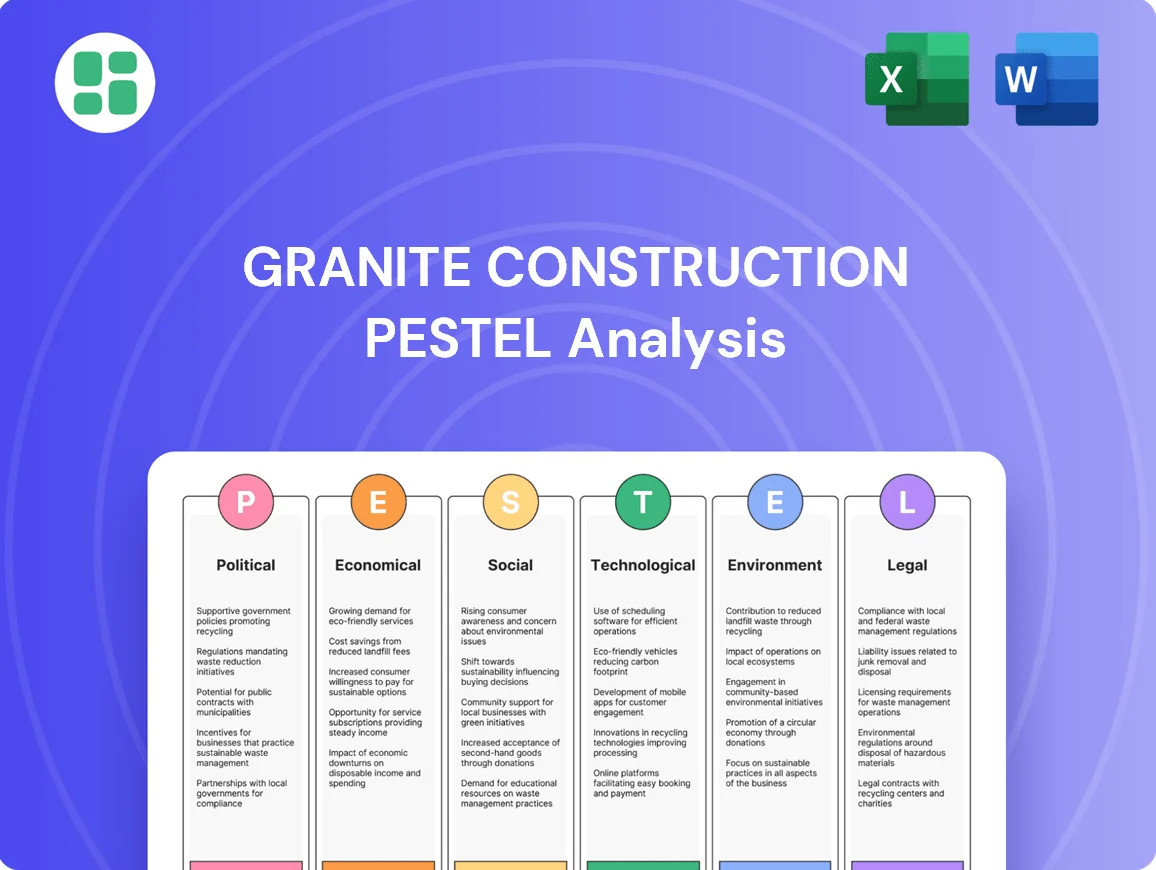
SiS International Holdings PESTLE Analysis

Your Competitive Advantage Starts with This Report
Uncover the critical political, economic, social, technological, legal, and environmental factors shaping SiS International Holdings's trajectory. Our meticulously researched PESTLE analysis provides a strategic roadmap, highlighting opportunities and potential pitfalls in the dynamic global market. Empower your decision-making by downloading the full, actionable report today and gain a significant competitive advantage.
Political factors

Government IT Policies and Digital Transformation Initiatives
Governments worldwide are heavily prioritizing digital transformation, channeling significant funds into IT infrastructure upgrades. For instance, the United States' Bipartisan Infrastructure Law, enacted in 2021, allocates billions towards broadband expansion and digital equity initiatives, directly boosting demand for IT hardware and services. SiS International Holdings, as a key distributor, is well-positioned to capitalize on these public sector investments.
These government-led digital initiatives, such as the development of smart cities and the expansion of e-governance platforms, create substantial opportunities for IT solution providers. For example, the European Union's Digital Decade targets aim to enhance digital skills and public services, driving demand for integrated hardware, software, and IT consulting. This trend is expected to continue, with global government spending on IT projected to reach over $670 billion in 2024, according to Gartner.
Trade Policies and Tariffs
Changes in international trade policies and tariffs on IT components directly impact SiS International Holdings' supply chain and the cost of goods sold. For instance, the ongoing trade tensions between the United States and China, a major hub for electronics manufacturing, can lead to increased import duties on essential components, as seen with tariffs imposed in previous years. These protectionist measures can inflate operational expenses and potentially disrupt the availability of key products for SiS.
SiS International Holdings' operational footprint across Hong Kong, Japan, and Thailand offers some resilience against localized trade disputes. However, the company remains susceptible to broader global trade dynamics. For example, shifts in import/export regulations in Southeast Asia, a significant region for electronics assembly and distribution, could necessitate adjustments to sourcing strategies and logistics, impacting overall efficiency and profitability throughout 2024 and into 2025.

Cybersecurity Regulations and Data Governance
The increasing focus on cybersecurity regulations and data governance presents a significant political factor for SiS International Holdings. New laws, such as Hong Kong's proposed Protection of Critical Infrastructures (Computer Systems) Bill, mandate stricter data protection and operational security for businesses. This regulatory landscape, especially prevalent in key Asia-Pacific markets like Singapore and Thailand, requires substantial investment in compliance for SiS's IT solutions division.
While compliance is a hurdle, these evolving regulations also act as a catalyst for growth. Governments are actively pushing for enhanced digital security, directly increasing the market demand for sophisticated cybersecurity solutions and managed services that SiS International Holdings is well-positioned to provide. For instance, the global cybersecurity market was valued at approximately $217 billion in 2024 and is projected to grow significantly, fueled by these regulatory pressures.

Political Stability and Geopolitical Tensions
Political stability across SiS International Holdings' primary markets—Hong Kong, Japan, and Thailand—is a critical factor. Geopolitical tensions, such as those arising from regional disputes or global power shifts, can significantly dampen business confidence and consumer spending on IT goods. For instance, heightened tensions in the South China Sea in late 2024 could potentially disrupt shipping routes crucial for SiS's supply chain operations.
SiS International Holdings must remain vigilant regarding these evolving political landscapes. Any significant political instability or escalation of geopolitical conflicts could directly impact market demand for their IT products and services. Furthermore, such events might necessitate agile adjustments to their business strategies to mitigate risks and ensure operational continuity, especially concerning inventory management and market access.
- Hong Kong's Political Climate: While Hong Kong has maintained a degree of stability following recent political shifts, ongoing scrutiny of its autonomy continues to be a factor for international businesses operating there.
- Japan's Geopolitical Position: Japan's proximity to several active geopolitical hotspots requires constant monitoring of regional security dynamics, which can influence business investment sentiment.
- Thailand's Political Landscape: Thailand has experienced periods of political transition; however, the current government has focused on economic recovery and attracting foreign investment, aiming for greater stability.
- Global Trade Relations: Broader geopolitical tensions, such as ongoing trade disputes between major economic blocs, can indirectly affect SiS by influencing global IT component pricing and availability.
Government Support for Local IT Industries
Governments globally are increasingly recognizing the strategic importance of their domestic IT sectors. For instance, the South Korean government, through its Ministry of Science and ICT, has consistently provided significant funding and incentives for local tech companies, aiming to foster innovation and global competitiveness. This support can manifest as direct subsidies for research and development or attractive tax breaks for IT firms. Such initiatives can create a more challenging environment for international distributors like SiS International Holdings by bolstering the capabilities and market share of local players.
Conversely, in markets where local IT industries are less developed or receive minimal government backing, international distributors may find greater opportunities for expansion. For example, in many emerging economies in Southeast Asia, the IT infrastructure is still maturing, and there's a reliance on established international distributors to supply hardware and provide services. SiS International Holdings, with its extensive network, could leverage these situations to penetrate new markets and establish a strong foothold before local competition becomes significant.
The nature and extent of government support can vary dramatically. While some nations offer robust aid, others may have limited or no specific policies favoring local IT industries. This disparity creates a dynamic landscape for global distributors. For instance, the Indian government's Make in India initiative, while broadly promoting manufacturing, has specific provisions that could indirectly benefit local IT component manufacturers, potentially impacting import dynamics for companies like SiS. Understanding these nuances is crucial for strategic planning.
Key considerations for SiS International Holdings regarding government support include:
- Analyzing government IT sector policies: Monitoring subsidies, tax incentives, and procurement preferences in key markets.
- Assessing local competitive landscape: Evaluating the strength and government backing of domestic IT players.
- Identifying markets with less developed local IT industries: Spotting opportunities for market penetration and growth.
- Adapting strategies to policy changes: Remaining agile to navigate evolving government support mechanisms.
Public Sector IT: Billions in Spending, Navigating Global Dynamics
Governmental focus on digital transformation continues to drive demand for IT infrastructure, with significant public sector investment expected. For example, the US Bipartisan Infrastructure Law allocates billions to broadband expansion, directly benefiting IT distributors.
Global government IT spending is projected to exceed $670 billion in 2024, underscoring the opportunities presented by e-governance and smart city initiatives. SiS International Holdings can leverage these trends, particularly in regions with strong government digital agendas.
Trade policies and geopolitical tensions remain critical factors influencing SiS International Holdings' supply chain and costs. For instance, tariffs on electronics components, a recurring issue in US-China trade relations, can inflate expenses and affect product availability throughout 2024-2025.
Cybersecurity regulations and data governance are increasingly stringent, requiring compliance investments from IT solution providers. The global cybersecurity market, valued at approximately $217 billion in 2024, highlights the growing demand for robust security solutions.
What is included in the product
 Detailed Word Document
This PESTLE analysis provides a comprehensive examination of the external macro-environmental factors impacting SiS International Holdings, covering Political, Economic, Social, Technological, Environmental, and Legal dimensions.
It offers actionable insights and forward-looking perspectives to aid strategic decision-making and identify potential opportunities and threats within SiS International Holdings' operating landscape.

 Customizable Excel Spreadsheet
A PESTLE analysis for SiS International Holdings provides a clear, summarized view of external factors, acting as a pain point reliever by simplifying complex market dynamics for strategic decision-making.
Economic factors

Global and Regional Economic Growth
The overall health of global and regional economies significantly impacts IT spending. A strong economic outlook, with global GDP growth projected to remain resilient in 2025, typically boosts demand for IT products and services, which is beneficial for companies like SiS International Holdings. Conversely, economic downturns can curb spending and negatively affect revenues.
Inflation and Interest Rates
High inflation in 2024, with the US CPI reaching 3.4% in April, directly impacts SiS International Holdings by increasing operational costs, from raw material procurement to labor expenses. This persistent inflation erodes profit margins if not passed on to consumers.
Rising interest rates, exemplified by the Federal Reserve's benchmark rate holding steady in the 5.25%-5.50% range through mid-2024, make capital more expensive. This can hinder SiS International Holdings' ability to finance new projects or for its clients to secure loans for expansion, potentially slowing market growth.
However, projections for 2025, such as those from the Congressional Budget Office anticipating a slight decrease in inflation and a potential pause or reduction in interest rates, offer a more optimistic outlook for investment and business confidence.

Supply Chain Costs and Disruptions
Fluctuations in global supply chain costs, particularly for shipping and electronic components, directly impact SiS International Holdings' profitability. For instance, the Drewry World Container Index saw significant volatility throughout 2023 and into early 2024, with spot rates on major East-West trade lanes experiencing sharp increases due to capacity constraints and rising demand. These cost pressures in the distribution segment can squeeze margins if not effectively passed on to consumers.
Geopolitical events and natural disasters pose substantial risks, potentially causing product shortages and delivery delays for SiS International Holdings. For example, ongoing tensions in key manufacturing regions or extreme weather events impacting major shipping routes can disrupt the flow of goods. The semiconductor shortage experienced globally through 2022 and 2023 serves as a prime example, highlighting how such disruptions can cripple electronics distribution.
Consequently, SiS International Holdings' ability to manage its supply chain efficiently is paramount in mitigating these economic risks. By optimizing logistics, diversifying sourcing, and maintaining robust inventory management, the company can better absorb cost increases and minimize the impact of potential disruptions, thereby safeguarding its financial performance in the distribution segment.

Currency Exchange Rate Volatility
Currency exchange rate volatility presents a significant challenge for SiS International Holdings, given its operations across multiple markets like Hong Kong, Japan, and Thailand. Fluctuations in the Hong Kong Dollar (HKD), Japanese Yen (JPY), and Thai Baht (THB) directly influence the company's reported financial performance. For instance, a strengthening HKD against the JPY could negatively impact profits when translating JPY-denominated earnings back into HKD.
The impact of these currency swings can be substantial. For example, in 2024, many emerging market currencies experienced significant depreciation against the US Dollar, a trend that could have affected companies with substantial revenues in those regions. SiS International Holdings must actively manage these risks through sophisticated hedging techniques to safeguard its profitability and maintain stable financial results in the face of unpredictable global currency movements.
To mitigate the effects of currency volatility, SiS International Holdings likely employs a range of financial instruments. These can include forward contracts, currency options, and currency swaps. The effectiveness of these strategies is crucial, especially considering the economic uncertainties that often lead to sharp currency movements. For example, geopolitical events or shifts in monetary policy can trigger rapid depreciation or appreciation of currencies, directly impacting a multinational company's bottom line.
- Impact on Revenue: A weaker JPY relative to the HKD in 2024 could have reduced the HKD value of sales made in Japan.
- Cost Management: Conversely, if SiS imports raw materials in a strong currency, a weaker local currency could increase those costs.
- Profitability Erosion: Unfavorable exchange rate movements can directly shrink profit margins, even if sales volumes remain constant.
- Hedging Necessity: Robust hedging strategies are essential to neutralize the financial impact of currency fluctuations and ensure predictable earnings.
Consumer and Business Spending on IT
Consumer and business spending on IT remains a critical economic factor, directly impacting companies like SiS International Holdings. The ongoing shift towards hybrid work models and aggressive digital transformation initiatives are compelling organizations to upgrade their technological infrastructure. This sustained demand for new IT products and solutions is a significant tailwind for the sector.
Advanced technologies, particularly artificial intelligence (AI), are further accelerating IT investment. Businesses are increasingly adopting AI-powered solutions to enhance efficiency, drive innovation, and gain a competitive edge. This trend is expected to continue fueling robust spending in the IT market through 2025.
SiS International Holdings, with its strategic focus on both IT distribution and the provision of IT solutions, is well-positioned to benefit from these economic trends. The company's ability to supply a wide range of IT hardware and software, coupled with its expertise in delivering integrated solutions, allows it to capture value across the entire IT spending spectrum.
- Global IT spending is projected to reach $1.5 trillion in 2024, an increase of 6.8% from 2023, according to Gartner.
- The enterprise software segment is expected to see the strongest growth, driven by demand for cloud-based solutions and AI integration.
- Hybrid work arrangements are estimated to involve over 70% of the workforce in developed economies by 2025, necessitating ongoing investment in collaboration tools and secure network infrastructure.
Navigating Economic Headwinds Amidst Robust IT Market Growth
Global economic growth, while showing resilience, faces headwinds from persistent inflation and elevated interest rates. For SiS International Holdings, this translates to increased operational costs and more expensive capital, potentially impacting investment and client spending. Projections for 2025 suggest a slight easing of inflation and interest rates, offering a more favorable environment.
Supply chain disruptions and currency volatility remain critical economic factors for SiS International Holdings. Fluctuations in shipping costs and component prices directly affect profitability, while exchange rate movements, particularly for currencies like the JPY and THB against the HKD, can significantly impact reported earnings. Effective management of these economic variables is crucial for stable financial performance.
The IT market is experiencing robust growth driven by digital transformation and AI adoption, benefiting companies like SiS International Holdings. Global IT spending is projected to grow, with enterprise software leading the charge. Hybrid work models continue to necessitate ongoing investment in IT infrastructure, creating sustained demand for SiS's distribution and solutions offerings.
Preview Before You Purchase
SiS International Holdings PESTLE Analysis
The preview shown here is the exact document you’ll receive after purchase—fully formatted and ready to use. This comprehensive PESTLE analysis for SiS International Holdings breaks down the Political, Economic, Social, Technological, Legal, and Environmental factors impacting the company. It provides a detailed overview of the external forces shaping SiS International Holdings' strategic landscape.

Product Information
Product Information
Shipping & Returns
Shipping & Returns

SiS International Holdings PESTLE Analysis
SiS International Holdings PESTLE Analysis
Your Competitive Advantage Starts with This Report
Uncover the critical political, economic, social, technological, legal, and environmental factors shaping SiS International Holdings's trajectory. Our meticulously researched PESTLE analysis provides a strategic roadmap, highlighting opportunities and potential pitfalls in the dynamic global market. Empower your decision-making by downloading the full, actionable report today and gain a significant competitive advantage.
Political factors
Government IT Policies and Digital Transformation Initiatives
Governments worldwide are heavily prioritizing digital transformation, channeling significant funds into IT infrastructure upgrades. For instance, the United States' Bipartisan Infrastructure Law, enacted in 2021, allocates billions towards broadband expansion and digital equity initiatives, directly boosting demand for IT hardware and services. SiS International Holdings, as a key distributor, is well-positioned to capitalize on these public sector investments.
These government-led digital initiatives, such as the development of smart cities and the expansion of e-governance platforms, create substantial opportunities for IT solution providers. For example, the European Union's Digital Decade targets aim to enhance digital skills and public services, driving demand for integrated hardware, software, and IT consulting. This trend is expected to continue, with global government spending on IT projected to reach over $670 billion in 2024, according to Gartner.
Trade Policies and Tariffs
Changes in international trade policies and tariffs on IT components directly impact SiS International Holdings' supply chain and the cost of goods sold. For instance, the ongoing trade tensions between the United States and China, a major hub for electronics manufacturing, can lead to increased import duties on essential components, as seen with tariffs imposed in previous years. These protectionist measures can inflate operational expenses and potentially disrupt the availability of key products for SiS.
SiS International Holdings' operational footprint across Hong Kong, Japan, and Thailand offers some resilience against localized trade disputes. However, the company remains susceptible to broader global trade dynamics. For example, shifts in import/export regulations in Southeast Asia, a significant region for electronics assembly and distribution, could necessitate adjustments to sourcing strategies and logistics, impacting overall efficiency and profitability throughout 2024 and into 2025.
Cybersecurity Regulations and Data Governance
The increasing focus on cybersecurity regulations and data governance presents a significant political factor for SiS International Holdings. New laws, such as Hong Kong's proposed Protection of Critical Infrastructures (Computer Systems) Bill, mandate stricter data protection and operational security for businesses. This regulatory landscape, especially prevalent in key Asia-Pacific markets like Singapore and Thailand, requires substantial investment in compliance for SiS's IT solutions division.
While compliance is a hurdle, these evolving regulations also act as a catalyst for growth. Governments are actively pushing for enhanced digital security, directly increasing the market demand for sophisticated cybersecurity solutions and managed services that SiS International Holdings is well-positioned to provide. For instance, the global cybersecurity market was valued at approximately $217 billion in 2024 and is projected to grow significantly, fueled by these regulatory pressures.
Political Stability and Geopolitical Tensions
Political stability across SiS International Holdings' primary markets—Hong Kong, Japan, and Thailand—is a critical factor. Geopolitical tensions, such as those arising from regional disputes or global power shifts, can significantly dampen business confidence and consumer spending on IT goods. For instance, heightened tensions in the South China Sea in late 2024 could potentially disrupt shipping routes crucial for SiS's supply chain operations.
SiS International Holdings must remain vigilant regarding these evolving political landscapes. Any significant political instability or escalation of geopolitical conflicts could directly impact market demand for their IT products and services. Furthermore, such events might necessitate agile adjustments to their business strategies to mitigate risks and ensure operational continuity, especially concerning inventory management and market access.
- Hong Kong's Political Climate: While Hong Kong has maintained a degree of stability following recent political shifts, ongoing scrutiny of its autonomy continues to be a factor for international businesses operating there.
- Japan's Geopolitical Position: Japan's proximity to several active geopolitical hotspots requires constant monitoring of regional security dynamics, which can influence business investment sentiment.
- Thailand's Political Landscape: Thailand has experienced periods of political transition; however, the current government has focused on economic recovery and attracting foreign investment, aiming for greater stability.
- Global Trade Relations: Broader geopolitical tensions, such as ongoing trade disputes between major economic blocs, can indirectly affect SiS by influencing global IT component pricing and availability.
Government Support for Local IT Industries
Governments globally are increasingly recognizing the strategic importance of their domestic IT sectors. For instance, the South Korean government, through its Ministry of Science and ICT, has consistently provided significant funding and incentives for local tech companies, aiming to foster innovation and global competitiveness. This support can manifest as direct subsidies for research and development or attractive tax breaks for IT firms. Such initiatives can create a more challenging environment for international distributors like SiS International Holdings by bolstering the capabilities and market share of local players.
Conversely, in markets where local IT industries are less developed or receive minimal government backing, international distributors may find greater opportunities for expansion. For example, in many emerging economies in Southeast Asia, the IT infrastructure is still maturing, and there's a reliance on established international distributors to supply hardware and provide services. SiS International Holdings, with its extensive network, could leverage these situations to penetrate new markets and establish a strong foothold before local competition becomes significant.
The nature and extent of government support can vary dramatically. While some nations offer robust aid, others may have limited or no specific policies favoring local IT industries. This disparity creates a dynamic landscape for global distributors. For instance, the Indian government's Make in India initiative, while broadly promoting manufacturing, has specific provisions that could indirectly benefit local IT component manufacturers, potentially impacting import dynamics for companies like SiS. Understanding these nuances is crucial for strategic planning.
Key considerations for SiS International Holdings regarding government support include:
- Analyzing government IT sector policies: Monitoring subsidies, tax incentives, and procurement preferences in key markets.
- Assessing local competitive landscape: Evaluating the strength and government backing of domestic IT players.
- Identifying markets with less developed local IT industries: Spotting opportunities for market penetration and growth.
- Adapting strategies to policy changes: Remaining agile to navigate evolving government support mechanisms.
Public Sector IT: Billions in Spending, Navigating Global Dynamics
Governmental focus on digital transformation continues to drive demand for IT infrastructure, with significant public sector investment expected. For example, the US Bipartisan Infrastructure Law allocates billions to broadband expansion, directly benefiting IT distributors.
Global government IT spending is projected to exceed $670 billion in 2024, underscoring the opportunities presented by e-governance and smart city initiatives. SiS International Holdings can leverage these trends, particularly in regions with strong government digital agendas.
Trade policies and geopolitical tensions remain critical factors influencing SiS International Holdings' supply chain and costs. For instance, tariffs on electronics components, a recurring issue in US-China trade relations, can inflate expenses and affect product availability throughout 2024-2025.
Cybersecurity regulations and data governance are increasingly stringent, requiring compliance investments from IT solution providers. The global cybersecurity market, valued at approximately $217 billion in 2024, highlights the growing demand for robust security solutions.
What is included in the product
Detailed Word Document
This PESTLE analysis provides a comprehensive examination of the external macro-environmental factors impacting SiS International Holdings, covering Political, Economic, Social, Technological, Environmental, and Legal dimensions.
It offers actionable insights and forward-looking perspectives to aid strategic decision-making and identify potential opportunities and threats within SiS International Holdings' operating landscape.
Customizable Excel Spreadsheet
A PESTLE analysis for SiS International Holdings provides a clear, summarized view of external factors, acting as a pain point reliever by simplifying complex market dynamics for strategic decision-making.
Economic factors
Global and Regional Economic Growth
The overall health of global and regional economies significantly impacts IT spending. A strong economic outlook, with global GDP growth projected to remain resilient in 2025, typically boosts demand for IT products and services, which is beneficial for companies like SiS International Holdings. Conversely, economic downturns can curb spending and negatively affect revenues.
Inflation and Interest Rates
High inflation in 2024, with the US CPI reaching 3.4% in April, directly impacts SiS International Holdings by increasing operational costs, from raw material procurement to labor expenses. This persistent inflation erodes profit margins if not passed on to consumers.
Rising interest rates, exemplified by the Federal Reserve's benchmark rate holding steady in the 5.25%-5.50% range through mid-2024, make capital more expensive. This can hinder SiS International Holdings' ability to finance new projects or for its clients to secure loans for expansion, potentially slowing market growth.
However, projections for 2025, such as those from the Congressional Budget Office anticipating a slight decrease in inflation and a potential pause or reduction in interest rates, offer a more optimistic outlook for investment and business confidence.
Supply Chain Costs and Disruptions
Fluctuations in global supply chain costs, particularly for shipping and electronic components, directly impact SiS International Holdings' profitability. For instance, the Drewry World Container Index saw significant volatility throughout 2023 and into early 2024, with spot rates on major East-West trade lanes experiencing sharp increases due to capacity constraints and rising demand. These cost pressures in the distribution segment can squeeze margins if not effectively passed on to consumers.
Geopolitical events and natural disasters pose substantial risks, potentially causing product shortages and delivery delays for SiS International Holdings. For example, ongoing tensions in key manufacturing regions or extreme weather events impacting major shipping routes can disrupt the flow of goods. The semiconductor shortage experienced globally through 2022 and 2023 serves as a prime example, highlighting how such disruptions can cripple electronics distribution.
Consequently, SiS International Holdings' ability to manage its supply chain efficiently is paramount in mitigating these economic risks. By optimizing logistics, diversifying sourcing, and maintaining robust inventory management, the company can better absorb cost increases and minimize the impact of potential disruptions, thereby safeguarding its financial performance in the distribution segment.
Currency Exchange Rate Volatility
Currency exchange rate volatility presents a significant challenge for SiS International Holdings, given its operations across multiple markets like Hong Kong, Japan, and Thailand. Fluctuations in the Hong Kong Dollar (HKD), Japanese Yen (JPY), and Thai Baht (THB) directly influence the company's reported financial performance. For instance, a strengthening HKD against the JPY could negatively impact profits when translating JPY-denominated earnings back into HKD.
The impact of these currency swings can be substantial. For example, in 2024, many emerging market currencies experienced significant depreciation against the US Dollar, a trend that could have affected companies with substantial revenues in those regions. SiS International Holdings must actively manage these risks through sophisticated hedging techniques to safeguard its profitability and maintain stable financial results in the face of unpredictable global currency movements.
To mitigate the effects of currency volatility, SiS International Holdings likely employs a range of financial instruments. These can include forward contracts, currency options, and currency swaps. The effectiveness of these strategies is crucial, especially considering the economic uncertainties that often lead to sharp currency movements. For example, geopolitical events or shifts in monetary policy can trigger rapid depreciation or appreciation of currencies, directly impacting a multinational company's bottom line.
- Impact on Revenue: A weaker JPY relative to the HKD in 2024 could have reduced the HKD value of sales made in Japan.
- Cost Management: Conversely, if SiS imports raw materials in a strong currency, a weaker local currency could increase those costs.
- Profitability Erosion: Unfavorable exchange rate movements can directly shrink profit margins, even if sales volumes remain constant.
- Hedging Necessity: Robust hedging strategies are essential to neutralize the financial impact of currency fluctuations and ensure predictable earnings.
Consumer and Business Spending on IT
Consumer and business spending on IT remains a critical economic factor, directly impacting companies like SiS International Holdings. The ongoing shift towards hybrid work models and aggressive digital transformation initiatives are compelling organizations to upgrade their technological infrastructure. This sustained demand for new IT products and solutions is a significant tailwind for the sector.
Advanced technologies, particularly artificial intelligence (AI), are further accelerating IT investment. Businesses are increasingly adopting AI-powered solutions to enhance efficiency, drive innovation, and gain a competitive edge. This trend is expected to continue fueling robust spending in the IT market through 2025.
SiS International Holdings, with its strategic focus on both IT distribution and the provision of IT solutions, is well-positioned to benefit from these economic trends. The company's ability to supply a wide range of IT hardware and software, coupled with its expertise in delivering integrated solutions, allows it to capture value across the entire IT spending spectrum.
- Global IT spending is projected to reach $1.5 trillion in 2024, an increase of 6.8% from 2023, according to Gartner.
- The enterprise software segment is expected to see the strongest growth, driven by demand for cloud-based solutions and AI integration.
- Hybrid work arrangements are estimated to involve over 70% of the workforce in developed economies by 2025, necessitating ongoing investment in collaboration tools and secure network infrastructure.
Navigating Economic Headwinds Amidst Robust IT Market Growth
Global economic growth, while showing resilience, faces headwinds from persistent inflation and elevated interest rates. For SiS International Holdings, this translates to increased operational costs and more expensive capital, potentially impacting investment and client spending. Projections for 2025 suggest a slight easing of inflation and interest rates, offering a more favorable environment.
Supply chain disruptions and currency volatility remain critical economic factors for SiS International Holdings. Fluctuations in shipping costs and component prices directly affect profitability, while exchange rate movements, particularly for currencies like the JPY and THB against the HKD, can significantly impact reported earnings. Effective management of these economic variables is crucial for stable financial performance.
The IT market is experiencing robust growth driven by digital transformation and AI adoption, benefiting companies like SiS International Holdings. Global IT spending is projected to grow, with enterprise software leading the charge. Hybrid work models continue to necessitate ongoing investment in IT infrastructure, creating sustained demand for SiS's distribution and solutions offerings.
Preview Before You Purchase
SiS International Holdings PESTLE Analysis
The preview shown here is the exact document you’ll receive after purchase—fully formatted and ready to use. This comprehensive PESTLE analysis for SiS International Holdings breaks down the Political, Economic, Social, Technological, Legal, and Environmental factors impacting the company. It provides a detailed overview of the external forces shaping SiS International Holdings' strategic landscape.
Original: $10.00
-65%$10.00
$3.50Product Information
Product Information
Shipping & Returns
Shipping & Returns
Description
Your Competitive Advantage Starts with This Report
Uncover the critical political, economic, social, technological, legal, and environmental factors shaping SiS International Holdings's trajectory. Our meticulously researched PESTLE analysis provides a strategic roadmap, highlighting opportunities and potential pitfalls in the dynamic global market. Empower your decision-making by downloading the full, actionable report today and gain a significant competitive advantage.
Political factors
Government IT Policies and Digital Transformation Initiatives
Governments worldwide are heavily prioritizing digital transformation, channeling significant funds into IT infrastructure upgrades. For instance, the United States' Bipartisan Infrastructure Law, enacted in 2021, allocates billions towards broadband expansion and digital equity initiatives, directly boosting demand for IT hardware and services. SiS International Holdings, as a key distributor, is well-positioned to capitalize on these public sector investments.
These government-led digital initiatives, such as the development of smart cities and the expansion of e-governance platforms, create substantial opportunities for IT solution providers. For example, the European Union's Digital Decade targets aim to enhance digital skills and public services, driving demand for integrated hardware, software, and IT consulting. This trend is expected to continue, with global government spending on IT projected to reach over $670 billion in 2024, according to Gartner.
Trade Policies and Tariffs
Changes in international trade policies and tariffs on IT components directly impact SiS International Holdings' supply chain and the cost of goods sold. For instance, the ongoing trade tensions between the United States and China, a major hub for electronics manufacturing, can lead to increased import duties on essential components, as seen with tariffs imposed in previous years. These protectionist measures can inflate operational expenses and potentially disrupt the availability of key products for SiS.
SiS International Holdings' operational footprint across Hong Kong, Japan, and Thailand offers some resilience against localized trade disputes. However, the company remains susceptible to broader global trade dynamics. For example, shifts in import/export regulations in Southeast Asia, a significant region for electronics assembly and distribution, could necessitate adjustments to sourcing strategies and logistics, impacting overall efficiency and profitability throughout 2024 and into 2025.
Cybersecurity Regulations and Data Governance
The increasing focus on cybersecurity regulations and data governance presents a significant political factor for SiS International Holdings. New laws, such as Hong Kong's proposed Protection of Critical Infrastructures (Computer Systems) Bill, mandate stricter data protection and operational security for businesses. This regulatory landscape, especially prevalent in key Asia-Pacific markets like Singapore and Thailand, requires substantial investment in compliance for SiS's IT solutions division.
While compliance is a hurdle, these evolving regulations also act as a catalyst for growth. Governments are actively pushing for enhanced digital security, directly increasing the market demand for sophisticated cybersecurity solutions and managed services that SiS International Holdings is well-positioned to provide. For instance, the global cybersecurity market was valued at approximately $217 billion in 2024 and is projected to grow significantly, fueled by these regulatory pressures.
Political Stability and Geopolitical Tensions
Political stability across SiS International Holdings' primary markets—Hong Kong, Japan, and Thailand—is a critical factor. Geopolitical tensions, such as those arising from regional disputes or global power shifts, can significantly dampen business confidence and consumer spending on IT goods. For instance, heightened tensions in the South China Sea in late 2024 could potentially disrupt shipping routes crucial for SiS's supply chain operations.
SiS International Holdings must remain vigilant regarding these evolving political landscapes. Any significant political instability or escalation of geopolitical conflicts could directly impact market demand for their IT products and services. Furthermore, such events might necessitate agile adjustments to their business strategies to mitigate risks and ensure operational continuity, especially concerning inventory management and market access.
- Hong Kong's Political Climate: While Hong Kong has maintained a degree of stability following recent political shifts, ongoing scrutiny of its autonomy continues to be a factor for international businesses operating there.
- Japan's Geopolitical Position: Japan's proximity to several active geopolitical hotspots requires constant monitoring of regional security dynamics, which can influence business investment sentiment.
- Thailand's Political Landscape: Thailand has experienced periods of political transition; however, the current government has focused on economic recovery and attracting foreign investment, aiming for greater stability.
- Global Trade Relations: Broader geopolitical tensions, such as ongoing trade disputes between major economic blocs, can indirectly affect SiS by influencing global IT component pricing and availability.
Government Support for Local IT Industries
Governments globally are increasingly recognizing the strategic importance of their domestic IT sectors. For instance, the South Korean government, through its Ministry of Science and ICT, has consistently provided significant funding and incentives for local tech companies, aiming to foster innovation and global competitiveness. This support can manifest as direct subsidies for research and development or attractive tax breaks for IT firms. Such initiatives can create a more challenging environment for international distributors like SiS International Holdings by bolstering the capabilities and market share of local players.
Conversely, in markets where local IT industries are less developed or receive minimal government backing, international distributors may find greater opportunities for expansion. For example, in many emerging economies in Southeast Asia, the IT infrastructure is still maturing, and there's a reliance on established international distributors to supply hardware and provide services. SiS International Holdings, with its extensive network, could leverage these situations to penetrate new markets and establish a strong foothold before local competition becomes significant.
The nature and extent of government support can vary dramatically. While some nations offer robust aid, others may have limited or no specific policies favoring local IT industries. This disparity creates a dynamic landscape for global distributors. For instance, the Indian government's Make in India initiative, while broadly promoting manufacturing, has specific provisions that could indirectly benefit local IT component manufacturers, potentially impacting import dynamics for companies like SiS. Understanding these nuances is crucial for strategic planning.
Key considerations for SiS International Holdings regarding government support include:
- Analyzing government IT sector policies: Monitoring subsidies, tax incentives, and procurement preferences in key markets.
- Assessing local competitive landscape: Evaluating the strength and government backing of domestic IT players.
- Identifying markets with less developed local IT industries: Spotting opportunities for market penetration and growth.
- Adapting strategies to policy changes: Remaining agile to navigate evolving government support mechanisms.
Public Sector IT: Billions in Spending, Navigating Global Dynamics
Governmental focus on digital transformation continues to drive demand for IT infrastructure, with significant public sector investment expected. For example, the US Bipartisan Infrastructure Law allocates billions to broadband expansion, directly benefiting IT distributors.
Global government IT spending is projected to exceed $670 billion in 2024, underscoring the opportunities presented by e-governance and smart city initiatives. SiS International Holdings can leverage these trends, particularly in regions with strong government digital agendas.
Trade policies and geopolitical tensions remain critical factors influencing SiS International Holdings' supply chain and costs. For instance, tariffs on electronics components, a recurring issue in US-China trade relations, can inflate expenses and affect product availability throughout 2024-2025.
Cybersecurity regulations and data governance are increasingly stringent, requiring compliance investments from IT solution providers. The global cybersecurity market, valued at approximately $217 billion in 2024, highlights the growing demand for robust security solutions.
What is included in the product
Detailed Word Document
This PESTLE analysis provides a comprehensive examination of the external macro-environmental factors impacting SiS International Holdings, covering Political, Economic, Social, Technological, Environmental, and Legal dimensions.
It offers actionable insights and forward-looking perspectives to aid strategic decision-making and identify potential opportunities and threats within SiS International Holdings' operating landscape.
Customizable Excel Spreadsheet
A PESTLE analysis for SiS International Holdings provides a clear, summarized view of external factors, acting as a pain point reliever by simplifying complex market dynamics for strategic decision-making.
Economic factors
Global and Regional Economic Growth
The overall health of global and regional economies significantly impacts IT spending. A strong economic outlook, with global GDP growth projected to remain resilient in 2025, typically boosts demand for IT products and services, which is beneficial for companies like SiS International Holdings. Conversely, economic downturns can curb spending and negatively affect revenues.
Inflation and Interest Rates
High inflation in 2024, with the US CPI reaching 3.4% in April, directly impacts SiS International Holdings by increasing operational costs, from raw material procurement to labor expenses. This persistent inflation erodes profit margins if not passed on to consumers.
Rising interest rates, exemplified by the Federal Reserve's benchmark rate holding steady in the 5.25%-5.50% range through mid-2024, make capital more expensive. This can hinder SiS International Holdings' ability to finance new projects or for its clients to secure loans for expansion, potentially slowing market growth.
However, projections for 2025, such as those from the Congressional Budget Office anticipating a slight decrease in inflation and a potential pause or reduction in interest rates, offer a more optimistic outlook for investment and business confidence.
Supply Chain Costs and Disruptions
Fluctuations in global supply chain costs, particularly for shipping and electronic components, directly impact SiS International Holdings' profitability. For instance, the Drewry World Container Index saw significant volatility throughout 2023 and into early 2024, with spot rates on major East-West trade lanes experiencing sharp increases due to capacity constraints and rising demand. These cost pressures in the distribution segment can squeeze margins if not effectively passed on to consumers.
Geopolitical events and natural disasters pose substantial risks, potentially causing product shortages and delivery delays for SiS International Holdings. For example, ongoing tensions in key manufacturing regions or extreme weather events impacting major shipping routes can disrupt the flow of goods. The semiconductor shortage experienced globally through 2022 and 2023 serves as a prime example, highlighting how such disruptions can cripple electronics distribution.
Consequently, SiS International Holdings' ability to manage its supply chain efficiently is paramount in mitigating these economic risks. By optimizing logistics, diversifying sourcing, and maintaining robust inventory management, the company can better absorb cost increases and minimize the impact of potential disruptions, thereby safeguarding its financial performance in the distribution segment.
Currency Exchange Rate Volatility
Currency exchange rate volatility presents a significant challenge for SiS International Holdings, given its operations across multiple markets like Hong Kong, Japan, and Thailand. Fluctuations in the Hong Kong Dollar (HKD), Japanese Yen (JPY), and Thai Baht (THB) directly influence the company's reported financial performance. For instance, a strengthening HKD against the JPY could negatively impact profits when translating JPY-denominated earnings back into HKD.
The impact of these currency swings can be substantial. For example, in 2024, many emerging market currencies experienced significant depreciation against the US Dollar, a trend that could have affected companies with substantial revenues in those regions. SiS International Holdings must actively manage these risks through sophisticated hedging techniques to safeguard its profitability and maintain stable financial results in the face of unpredictable global currency movements.
To mitigate the effects of currency volatility, SiS International Holdings likely employs a range of financial instruments. These can include forward contracts, currency options, and currency swaps. The effectiveness of these strategies is crucial, especially considering the economic uncertainties that often lead to sharp currency movements. For example, geopolitical events or shifts in monetary policy can trigger rapid depreciation or appreciation of currencies, directly impacting a multinational company's bottom line.
- Impact on Revenue: A weaker JPY relative to the HKD in 2024 could have reduced the HKD value of sales made in Japan.
- Cost Management: Conversely, if SiS imports raw materials in a strong currency, a weaker local currency could increase those costs.
- Profitability Erosion: Unfavorable exchange rate movements can directly shrink profit margins, even if sales volumes remain constant.
- Hedging Necessity: Robust hedging strategies are essential to neutralize the financial impact of currency fluctuations and ensure predictable earnings.
Consumer and Business Spending on IT
Consumer and business spending on IT remains a critical economic factor, directly impacting companies like SiS International Holdings. The ongoing shift towards hybrid work models and aggressive digital transformation initiatives are compelling organizations to upgrade their technological infrastructure. This sustained demand for new IT products and solutions is a significant tailwind for the sector.
Advanced technologies, particularly artificial intelligence (AI), are further accelerating IT investment. Businesses are increasingly adopting AI-powered solutions to enhance efficiency, drive innovation, and gain a competitive edge. This trend is expected to continue fueling robust spending in the IT market through 2025.
SiS International Holdings, with its strategic focus on both IT distribution and the provision of IT solutions, is well-positioned to benefit from these economic trends. The company's ability to supply a wide range of IT hardware and software, coupled with its expertise in delivering integrated solutions, allows it to capture value across the entire IT spending spectrum.
- Global IT spending is projected to reach $1.5 trillion in 2024, an increase of 6.8% from 2023, according to Gartner.
- The enterprise software segment is expected to see the strongest growth, driven by demand for cloud-based solutions and AI integration.
- Hybrid work arrangements are estimated to involve over 70% of the workforce in developed economies by 2025, necessitating ongoing investment in collaboration tools and secure network infrastructure.
Navigating Economic Headwinds Amidst Robust IT Market Growth
Global economic growth, while showing resilience, faces headwinds from persistent inflation and elevated interest rates. For SiS International Holdings, this translates to increased operational costs and more expensive capital, potentially impacting investment and client spending. Projections for 2025 suggest a slight easing of inflation and interest rates, offering a more favorable environment.
Supply chain disruptions and currency volatility remain critical economic factors for SiS International Holdings. Fluctuations in shipping costs and component prices directly affect profitability, while exchange rate movements, particularly for currencies like the JPY and THB against the HKD, can significantly impact reported earnings. Effective management of these economic variables is crucial for stable financial performance.
The IT market is experiencing robust growth driven by digital transformation and AI adoption, benefiting companies like SiS International Holdings. Global IT spending is projected to grow, with enterprise software leading the charge. Hybrid work models continue to necessitate ongoing investment in IT infrastructure, creating sustained demand for SiS's distribution and solutions offerings.
Preview Before You Purchase
SiS International Holdings PESTLE Analysis
The preview shown here is the exact document you’ll receive after purchase—fully formatted and ready to use. This comprehensive PESTLE analysis for SiS International Holdings breaks down the Political, Economic, Social, Technological, Legal, and Environmental factors impacting the company. It provides a detailed overview of the external forces shaping SiS International Holdings' strategic landscape.