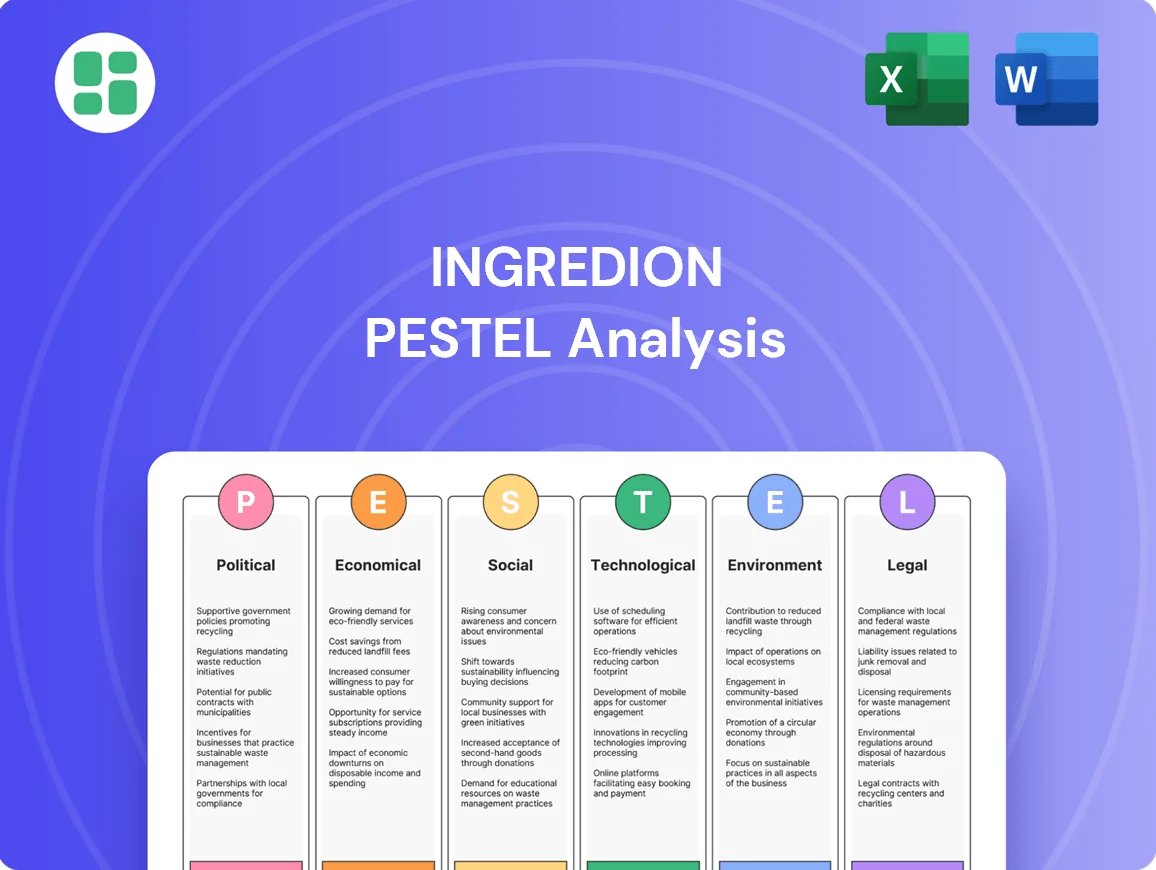
Phoenix Publishing & Media(PPM) PESTLE Analysis

Skip the Research. Get the Strategy.
Navigate the complex external forces shaping Phoenix Publishing & Media (PPM) with our comprehensive PESTLE analysis. Understand how political shifts, economic volatility, and evolving social trends are impacting their operations and strategic direction. Don't get left behind; download the full version now to gain actionable intelligence and secure your competitive advantage.
Political factors

Government Control and Censorship
Phoenix Publishing & Media Group (PPM) operates as a state-owned cultural enterprise in China, placing it directly under significant government oversight and censorship. The Chinese Communist Party (CCP) exercises stringent control over media to uphold social stability and ensure content adheres to the party's directives, a critical factor for any media entity in the region.
This governmental influence permeates all facets of publishing, from the initial stages of content creation through to final distribution. Consequently, PPM's ability to produce and disseminate a wide range of materials is directly shaped by these policies, impacting its editorial freedom and market reach.
State-Owned Enterprise (SOE) Status and Government Support
As a state-owned enterprise, Phoenix Publishing & Media (PPM) benefits significantly from direct government backing, including financial assistance and favorable policies. This government support fosters a stable operating environment and grants PPM advantages in securing resources, unlike its private sector counterparts.
PPM's recognized leadership in China's national cultural system reform, coupled with its consistent ranking among the nation's top cultural enterprises, underscores the government's endorsement and strategic alignment.

Cultural Policy and Promotion of Traditional Values
The Chinese government's emphasis on cultural policy, particularly the promotion of traditional values, directly impacts entities like Phoenix Publishing & Media (PPM). In 2024, China continued to invest heavily in cultural industries, with government support often channeled towards projects that reinforce national identity and heritage. PPM's role as a major cultural conglomerate means its content, from educational resources to cultural real estate, is strategically positioned to align with these national objectives.
This alignment offers PPM significant opportunities for growth and preferential treatment. For instance, government subsidies and favorable policies in 2024 often targeted cultural preservation and dissemination initiatives. PPM's ability to integrate traditional values into its diverse business segments, such as publishing and media production, can unlock access to new markets and funding streams that prioritize cultural alignment.

Regulation of Digital Content and Online Platforms
Governments worldwide are increasingly focusing on regulating digital content and online platforms. This trend is driven by the rapid expansion of the digital economy and concerns over issues like intellectual property, data privacy, and the spread of misinformation. For Phoenix Publishing & Media (PPM), this means adapting to new rules governing how they create, distribute, and monetize digital content, especially as they expand into educational services.
These regulations can significantly impact PPM's operations and strategic planning. For instance, stricter data privacy laws, such as those mirroring GDPR or similar national frameworks, require robust data handling procedures. In 2024, many countries continued to refine and enforce these regulations, with significant fines levied against non-compliant tech companies. PPM must ensure its digital platforms and content adhere to these evolving legal landscapes to avoid penalties and maintain user trust.
Key regulatory areas that PPM needs to monitor include:
- Intellectual Property Protection: Ensuring digital content is legally sourced and protected against piracy.
- Data Privacy: Complying with regulations concerning the collection, storage, and use of user data.
- Content Moderation: Adhering to guidelines for content review, particularly for educational materials and user-generated content on their platforms.
- Platform Accountability: Understanding the responsibilities of online platforms in managing and distributing content.
International Media Relations and Content Exchange Policies
The Chinese government's approach to international media relations directly shapes Phoenix Publishing & Media's (PPM) global activities, particularly concerning copyright and cross-border partnerships. In 2024, China continued to emphasize controlled cultural exchange, impacting the ease of content import and export for companies like PPM. This policy landscape influences PPM's ability to secure international rights and distribute its own publications overseas.
PPM has been proactive in fostering international cooperation, a strategy supported by government initiatives aimed at boosting cultural soft power. For instance, in 2024, PPM participated in major international book fairs, showcasing Chinese literature and securing rights for foreign titles. These engagements are crucial for expanding PPM's global footprint and diversifying its content offerings, often aligning with national objectives for cultural diplomacy.
The exchange of media content is increasingly viewed through the lens of national strategy. PPM's collaborations, such as those facilitating the introduction of foreign academic works into the Chinese market or promoting Chinese digital media abroad, are directly influenced by these overarching policies. The volume of cross-border copyright transactions in the publishing sector, a key area for PPM, saw continued government oversight in 2024, with specific regulations governing digital content distribution.
- Government Oversight: Chinese policies on international media relations directly affect PPM's cross-border content acquisition and distribution strategies.
- Cultural Diplomacy: PPM's participation in international book fairs in 2024 served national goals for cultural exchange and soft power projection.
- Content Exchange Volume: The flow of copyright trade, particularly in digital formats, remained a key area of government regulation impacting PPM's international business.
China's State Control Shapes Phoenix Publishing & Media's 2024 Growth
Phoenix Publishing & Media (PPM) operates under strict government control in China, influencing all content creation and distribution. The Chinese Communist Party's emphasis on social stability and adherence to party directives means PPM's editorial freedom and market reach are directly shaped by state policies. In 2024, China's cultural policy continued to prioritize traditional values, with significant government investment in cultural industries, positioning PPM to align with national objectives for growth and preferential treatment.
What is included in the product
 Detailed Word Document
This PESTLE analysis meticulously examines the Political, Economic, Social, Technological, Environmental, and Legal forces impacting Phoenix Publishing & Media (PPM), offering a comprehensive understanding of its external operating landscape.
It provides actionable insights into how these macro-environmental factors present both strategic challenges and opportunities for PPM's growth and sustainability.

 Customizable Excel Spreadsheet
A PESTLE analysis for Phoenix Publishing & Media (PPM) serves as a pain point reliever by offering a structured framework to anticipate and address external challenges, enabling proactive strategy development.
This analysis provides a clear, summarized view of the external landscape, helping PPM navigate complexities and make informed decisions to mitigate potential risks and capitalize on opportunities.
Economic factors

Disposable Income and Consumer Spending on Cultural Products
Changes in how much money consumers have left after taxes and essential bills, and how they choose to spend it, directly affect how much demand there is for things like books, magazines, and digital media. This is a key economic factor for companies like Phoenix Publishing & Media (PPM).
China's per capita disposable income has been on a steady upward trend, reaching an estimated RMB 39,000 in 2023 and projected to continue growing into 2024. However, consumer spending patterns have shown increased caution in certain areas, which can influence the book retail market. For instance, while overall retail sales grew, spending on certain discretionary cultural products might see varied performance.
PPM's business model, which includes educational services and cultural real estate alongside traditional media, provides a degree of stability. This diversification can help offset potential dips in spending on specific media categories by leveraging growth in other, perhaps more resilient, sectors of the cultural economy.
Economic Growth and its Impact on Advertising Revenue
China's overall economic growth is a critical driver for Phoenix Publishing & Media's (PPM) advertising revenue, especially impacting its newspaper and periodical divisions. A robust economy generally translates to increased spending by businesses on advertising, directly boosting PPM's top line.
While the newspaper publishing sector globally faces headwinds from digital media, advertising revenue remains a vital component for its survival. For PPM, this means that even as readership shifts, the ability of newspapers to attract advertisers is paramount to their financial health.
In 2023, China's GDP grew by 5.2%, signaling a positive economic environment that should support advertising spending. However, PPM's strategic diversification across various media platforms is crucial for buffering against the specific challenges within the traditional newspaper advertising market.

Inflation and Cost of Raw Materials
Rising costs for essential materials like newsprint paper directly squeeze Phoenix Publishing & Media's (PPM) profit margins in its printing and traditional publishing divisions. For instance, the global price of pulp, a key component of paper, saw significant volatility in 2023 and early 2024, with some reports indicating increases of up to 15% year-over-year for certain grades. This upward trend necessitates careful cost management to preserve profitability amid broader economic challenges.
Furthermore, the publishing industry, including PPM, contends with profit erosion stemming from intense low-price competition prevalent in online sales channels. The digital marketplace often forces publishers to adopt aggressive pricing strategies to remain competitive, which can further compress margins already strained by rising input costs. Navigating this dual pressure of increased raw material expenses and aggressive online pricing is a critical strategic imperative for PPM's sustained financial health.

Competition from Private Sector Media Companies
Phoenix Publishing & Media (PPM) faces a dynamic competitive landscape. Traditional private publishers continue to vie for market share, but the emergence of new media companies, especially those focused on digital content, presents a significant challenge. This shift is particularly evident in how content is consumed and sold.
The book sales market is undergoing a transformation. Online retail has become a dominant channel, and increasingly, short-video e-commerce platforms are capturing significant market share. This trend intensifies competition and exerts downward pressure on pricing, forcing PPM to adapt its strategies to remain competitive in these evolving sales environments.
- Digital Content Dominance: The global digital publishing market was valued at approximately $22.1 billion in 2023 and is projected to grow, indicating a strong shift towards digital media consumption that PPM must address.
- E-commerce Growth: E-commerce sales for books have seen substantial growth, with some reports suggesting online channels account for over 50% of book sales in developed markets, directly impacting traditional retail models.
- Platform Competition: Short-video platforms are increasingly being used for book discovery and sales, with some influencers driving significant book purchases, creating new competitive channels for PPM.
- Pricing Pressures: The ease of price comparison online and the prevalence of discounts in e-commerce can lead to significant pricing pressures for publishers like PPM, impacting profit margins.
Investment in Cultural Industries and Real Estate
Phoenix Publishing & Media's (PPM) strategic push into cultural real estate and related industries is closely tied to the dynamics of China's property market. Despite a general slowdown, government efforts to stimulate domestic consumption and ensure the completion of existing housing projects are expected to foster a market rebound in 2025.
This focus on cultural real estate and industries is a core component of PPM's ambition to become a diversified cultural conglomerate, leveraging synergies between content creation and physical spaces.
- Government Support: China's State Council announced measures in late 2023 to stabilize the property market, including potential interest rate adjustments and support for developers facing liquidity issues, aiming for a more balanced growth trajectory by 2025.
- Domestic Demand Focus: Policies encouraging domestic spending, particularly in cultural consumption, could indirectly benefit real estate projects linked to entertainment and leisure.
- Project Completion: A key government priority is ensuring the delivery of pre-sold housing, which could lead to increased construction activity and a more stable environment for related investments by 2025.
Publishing & Real Estate: Economic Headwinds and Strategic Buffers
Consumer spending power, influenced by disposable income and inflation, directly impacts demand for Phoenix Publishing & Media's (PPM) diverse offerings. China's GDP growth of 5.2% in 2023 suggests a generally favorable environment for advertising revenue, a key income stream for PPM's newspaper and periodical divisions.
However, rising input costs, such as a potential 15% year-over-year increase in pulp prices for newsprint in early 2024, squeeze profit margins. This is compounded by intense online competition and aggressive pricing strategies, particularly in the book sales market where e-commerce now accounts for over 50% of sales in some developed markets.
PPM's diversification into cultural real estate, supported by government measures to stabilize the property market in late 2023, offers a potential buffer. Policies encouraging domestic consumption could also benefit these ventures, aiming for a more balanced market by 2025.
Preview the Actual Deliverable
Phoenix Publishing & Media(PPM) PESTLE Analysis
The preview you see here is the exact Phoenix Publishing & Media (PPM) PESTLE Analysis document you’ll receive after purchase—fully formatted and ready to use. This comprehensive analysis explores the Political, Economic, Social, Technological, Legal, and Environmental factors impacting PPM. You'll gain valuable insights into the strategic landscape PPM operates within, enabling informed decision-making.

Product Information
Product Information
Shipping & Returns
Shipping & Returns

Phoenix Publishing & Media(PPM) PESTLE Analysis
Phoenix Publishing & Media(PPM) PESTLE Analysis
Skip the Research. Get the Strategy.
Navigate the complex external forces shaping Phoenix Publishing & Media (PPM) with our comprehensive PESTLE analysis. Understand how political shifts, economic volatility, and evolving social trends are impacting their operations and strategic direction. Don't get left behind; download the full version now to gain actionable intelligence and secure your competitive advantage.
Political factors
Government Control and Censorship
Phoenix Publishing & Media Group (PPM) operates as a state-owned cultural enterprise in China, placing it directly under significant government oversight and censorship. The Chinese Communist Party (CCP) exercises stringent control over media to uphold social stability and ensure content adheres to the party's directives, a critical factor for any media entity in the region.
This governmental influence permeates all facets of publishing, from the initial stages of content creation through to final distribution. Consequently, PPM's ability to produce and disseminate a wide range of materials is directly shaped by these policies, impacting its editorial freedom and market reach.
State-Owned Enterprise (SOE) Status and Government Support
As a state-owned enterprise, Phoenix Publishing & Media (PPM) benefits significantly from direct government backing, including financial assistance and favorable policies. This government support fosters a stable operating environment and grants PPM advantages in securing resources, unlike its private sector counterparts.
PPM's recognized leadership in China's national cultural system reform, coupled with its consistent ranking among the nation's top cultural enterprises, underscores the government's endorsement and strategic alignment.
Cultural Policy and Promotion of Traditional Values
The Chinese government's emphasis on cultural policy, particularly the promotion of traditional values, directly impacts entities like Phoenix Publishing & Media (PPM). In 2024, China continued to invest heavily in cultural industries, with government support often channeled towards projects that reinforce national identity and heritage. PPM's role as a major cultural conglomerate means its content, from educational resources to cultural real estate, is strategically positioned to align with these national objectives.
This alignment offers PPM significant opportunities for growth and preferential treatment. For instance, government subsidies and favorable policies in 2024 often targeted cultural preservation and dissemination initiatives. PPM's ability to integrate traditional values into its diverse business segments, such as publishing and media production, can unlock access to new markets and funding streams that prioritize cultural alignment.
Regulation of Digital Content and Online Platforms
Governments worldwide are increasingly focusing on regulating digital content and online platforms. This trend is driven by the rapid expansion of the digital economy and concerns over issues like intellectual property, data privacy, and the spread of misinformation. For Phoenix Publishing & Media (PPM), this means adapting to new rules governing how they create, distribute, and monetize digital content, especially as they expand into educational services.
These regulations can significantly impact PPM's operations and strategic planning. For instance, stricter data privacy laws, such as those mirroring GDPR or similar national frameworks, require robust data handling procedures. In 2024, many countries continued to refine and enforce these regulations, with significant fines levied against non-compliant tech companies. PPM must ensure its digital platforms and content adhere to these evolving legal landscapes to avoid penalties and maintain user trust.
Key regulatory areas that PPM needs to monitor include:
- Intellectual Property Protection: Ensuring digital content is legally sourced and protected against piracy.
- Data Privacy: Complying with regulations concerning the collection, storage, and use of user data.
- Content Moderation: Adhering to guidelines for content review, particularly for educational materials and user-generated content on their platforms.
- Platform Accountability: Understanding the responsibilities of online platforms in managing and distributing content.
International Media Relations and Content Exchange Policies
The Chinese government's approach to international media relations directly shapes Phoenix Publishing & Media's (PPM) global activities, particularly concerning copyright and cross-border partnerships. In 2024, China continued to emphasize controlled cultural exchange, impacting the ease of content import and export for companies like PPM. This policy landscape influences PPM's ability to secure international rights and distribute its own publications overseas.
PPM has been proactive in fostering international cooperation, a strategy supported by government initiatives aimed at boosting cultural soft power. For instance, in 2024, PPM participated in major international book fairs, showcasing Chinese literature and securing rights for foreign titles. These engagements are crucial for expanding PPM's global footprint and diversifying its content offerings, often aligning with national objectives for cultural diplomacy.
The exchange of media content is increasingly viewed through the lens of national strategy. PPM's collaborations, such as those facilitating the introduction of foreign academic works into the Chinese market or promoting Chinese digital media abroad, are directly influenced by these overarching policies. The volume of cross-border copyright transactions in the publishing sector, a key area for PPM, saw continued government oversight in 2024, with specific regulations governing digital content distribution.
- Government Oversight: Chinese policies on international media relations directly affect PPM's cross-border content acquisition and distribution strategies.
- Cultural Diplomacy: PPM's participation in international book fairs in 2024 served national goals for cultural exchange and soft power projection.
- Content Exchange Volume: The flow of copyright trade, particularly in digital formats, remained a key area of government regulation impacting PPM's international business.
China's State Control Shapes Phoenix Publishing & Media's 2024 Growth
Phoenix Publishing & Media (PPM) operates under strict government control in China, influencing all content creation and distribution. The Chinese Communist Party's emphasis on social stability and adherence to party directives means PPM's editorial freedom and market reach are directly shaped by state policies. In 2024, China's cultural policy continued to prioritize traditional values, with significant government investment in cultural industries, positioning PPM to align with national objectives for growth and preferential treatment.
What is included in the product
Detailed Word Document
This PESTLE analysis meticulously examines the Political, Economic, Social, Technological, Environmental, and Legal forces impacting Phoenix Publishing & Media (PPM), offering a comprehensive understanding of its external operating landscape.
It provides actionable insights into how these macro-environmental factors present both strategic challenges and opportunities for PPM's growth and sustainability.
Customizable Excel Spreadsheet
A PESTLE analysis for Phoenix Publishing & Media (PPM) serves as a pain point reliever by offering a structured framework to anticipate and address external challenges, enabling proactive strategy development.
This analysis provides a clear, summarized view of the external landscape, helping PPM navigate complexities and make informed decisions to mitigate potential risks and capitalize on opportunities.
Economic factors
Disposable Income and Consumer Spending on Cultural Products
Changes in how much money consumers have left after taxes and essential bills, and how they choose to spend it, directly affect how much demand there is for things like books, magazines, and digital media. This is a key economic factor for companies like Phoenix Publishing & Media (PPM).
China's per capita disposable income has been on a steady upward trend, reaching an estimated RMB 39,000 in 2023 and projected to continue growing into 2024. However, consumer spending patterns have shown increased caution in certain areas, which can influence the book retail market. For instance, while overall retail sales grew, spending on certain discretionary cultural products might see varied performance.
PPM's business model, which includes educational services and cultural real estate alongside traditional media, provides a degree of stability. This diversification can help offset potential dips in spending on specific media categories by leveraging growth in other, perhaps more resilient, sectors of the cultural economy.
Economic Growth and its Impact on Advertising Revenue
China's overall economic growth is a critical driver for Phoenix Publishing & Media's (PPM) advertising revenue, especially impacting its newspaper and periodical divisions. A robust economy generally translates to increased spending by businesses on advertising, directly boosting PPM's top line.
While the newspaper publishing sector globally faces headwinds from digital media, advertising revenue remains a vital component for its survival. For PPM, this means that even as readership shifts, the ability of newspapers to attract advertisers is paramount to their financial health.
In 2023, China's GDP grew by 5.2%, signaling a positive economic environment that should support advertising spending. However, PPM's strategic diversification across various media platforms is crucial for buffering against the specific challenges within the traditional newspaper advertising market.
Inflation and Cost of Raw Materials
Rising costs for essential materials like newsprint paper directly squeeze Phoenix Publishing & Media's (PPM) profit margins in its printing and traditional publishing divisions. For instance, the global price of pulp, a key component of paper, saw significant volatility in 2023 and early 2024, with some reports indicating increases of up to 15% year-over-year for certain grades. This upward trend necessitates careful cost management to preserve profitability amid broader economic challenges.
Furthermore, the publishing industry, including PPM, contends with profit erosion stemming from intense low-price competition prevalent in online sales channels. The digital marketplace often forces publishers to adopt aggressive pricing strategies to remain competitive, which can further compress margins already strained by rising input costs. Navigating this dual pressure of increased raw material expenses and aggressive online pricing is a critical strategic imperative for PPM's sustained financial health.
Competition from Private Sector Media Companies
Phoenix Publishing & Media (PPM) faces a dynamic competitive landscape. Traditional private publishers continue to vie for market share, but the emergence of new media companies, especially those focused on digital content, presents a significant challenge. This shift is particularly evident in how content is consumed and sold.
The book sales market is undergoing a transformation. Online retail has become a dominant channel, and increasingly, short-video e-commerce platforms are capturing significant market share. This trend intensifies competition and exerts downward pressure on pricing, forcing PPM to adapt its strategies to remain competitive in these evolving sales environments.
- Digital Content Dominance: The global digital publishing market was valued at approximately $22.1 billion in 2023 and is projected to grow, indicating a strong shift towards digital media consumption that PPM must address.
- E-commerce Growth: E-commerce sales for books have seen substantial growth, with some reports suggesting online channels account for over 50% of book sales in developed markets, directly impacting traditional retail models.
- Platform Competition: Short-video platforms are increasingly being used for book discovery and sales, with some influencers driving significant book purchases, creating new competitive channels for PPM.
- Pricing Pressures: The ease of price comparison online and the prevalence of discounts in e-commerce can lead to significant pricing pressures for publishers like PPM, impacting profit margins.
Investment in Cultural Industries and Real Estate
Phoenix Publishing & Media's (PPM) strategic push into cultural real estate and related industries is closely tied to the dynamics of China's property market. Despite a general slowdown, government efforts to stimulate domestic consumption and ensure the completion of existing housing projects are expected to foster a market rebound in 2025.
This focus on cultural real estate and industries is a core component of PPM's ambition to become a diversified cultural conglomerate, leveraging synergies between content creation and physical spaces.
- Government Support: China's State Council announced measures in late 2023 to stabilize the property market, including potential interest rate adjustments and support for developers facing liquidity issues, aiming for a more balanced growth trajectory by 2025.
- Domestic Demand Focus: Policies encouraging domestic spending, particularly in cultural consumption, could indirectly benefit real estate projects linked to entertainment and leisure.
- Project Completion: A key government priority is ensuring the delivery of pre-sold housing, which could lead to increased construction activity and a more stable environment for related investments by 2025.
Publishing & Real Estate: Economic Headwinds and Strategic Buffers
Consumer spending power, influenced by disposable income and inflation, directly impacts demand for Phoenix Publishing & Media's (PPM) diverse offerings. China's GDP growth of 5.2% in 2023 suggests a generally favorable environment for advertising revenue, a key income stream for PPM's newspaper and periodical divisions.
However, rising input costs, such as a potential 15% year-over-year increase in pulp prices for newsprint in early 2024, squeeze profit margins. This is compounded by intense online competition and aggressive pricing strategies, particularly in the book sales market where e-commerce now accounts for over 50% of sales in some developed markets.
PPM's diversification into cultural real estate, supported by government measures to stabilize the property market in late 2023, offers a potential buffer. Policies encouraging domestic consumption could also benefit these ventures, aiming for a more balanced market by 2025.
Preview the Actual Deliverable
Phoenix Publishing & Media(PPM) PESTLE Analysis
The preview you see here is the exact Phoenix Publishing & Media (PPM) PESTLE Analysis document you’ll receive after purchase—fully formatted and ready to use. This comprehensive analysis explores the Political, Economic, Social, Technological, Legal, and Environmental factors impacting PPM. You'll gain valuable insights into the strategic landscape PPM operates within, enabling informed decision-making.
Original: $10.00
-65%$10.00
$3.50Product Information
Product Information
Shipping & Returns
Shipping & Returns
Description
Skip the Research. Get the Strategy.
Navigate the complex external forces shaping Phoenix Publishing & Media (PPM) with our comprehensive PESTLE analysis. Understand how political shifts, economic volatility, and evolving social trends are impacting their operations and strategic direction. Don't get left behind; download the full version now to gain actionable intelligence and secure your competitive advantage.
Political factors
Government Control and Censorship
Phoenix Publishing & Media Group (PPM) operates as a state-owned cultural enterprise in China, placing it directly under significant government oversight and censorship. The Chinese Communist Party (CCP) exercises stringent control over media to uphold social stability and ensure content adheres to the party's directives, a critical factor for any media entity in the region.
This governmental influence permeates all facets of publishing, from the initial stages of content creation through to final distribution. Consequently, PPM's ability to produce and disseminate a wide range of materials is directly shaped by these policies, impacting its editorial freedom and market reach.
State-Owned Enterprise (SOE) Status and Government Support
As a state-owned enterprise, Phoenix Publishing & Media (PPM) benefits significantly from direct government backing, including financial assistance and favorable policies. This government support fosters a stable operating environment and grants PPM advantages in securing resources, unlike its private sector counterparts.
PPM's recognized leadership in China's national cultural system reform, coupled with its consistent ranking among the nation's top cultural enterprises, underscores the government's endorsement and strategic alignment.
Cultural Policy and Promotion of Traditional Values
The Chinese government's emphasis on cultural policy, particularly the promotion of traditional values, directly impacts entities like Phoenix Publishing & Media (PPM). In 2024, China continued to invest heavily in cultural industries, with government support often channeled towards projects that reinforce national identity and heritage. PPM's role as a major cultural conglomerate means its content, from educational resources to cultural real estate, is strategically positioned to align with these national objectives.
This alignment offers PPM significant opportunities for growth and preferential treatment. For instance, government subsidies and favorable policies in 2024 often targeted cultural preservation and dissemination initiatives. PPM's ability to integrate traditional values into its diverse business segments, such as publishing and media production, can unlock access to new markets and funding streams that prioritize cultural alignment.
Regulation of Digital Content and Online Platforms
Governments worldwide are increasingly focusing on regulating digital content and online platforms. This trend is driven by the rapid expansion of the digital economy and concerns over issues like intellectual property, data privacy, and the spread of misinformation. For Phoenix Publishing & Media (PPM), this means adapting to new rules governing how they create, distribute, and monetize digital content, especially as they expand into educational services.
These regulations can significantly impact PPM's operations and strategic planning. For instance, stricter data privacy laws, such as those mirroring GDPR or similar national frameworks, require robust data handling procedures. In 2024, many countries continued to refine and enforce these regulations, with significant fines levied against non-compliant tech companies. PPM must ensure its digital platforms and content adhere to these evolving legal landscapes to avoid penalties and maintain user trust.
Key regulatory areas that PPM needs to monitor include:
- Intellectual Property Protection: Ensuring digital content is legally sourced and protected against piracy.
- Data Privacy: Complying with regulations concerning the collection, storage, and use of user data.
- Content Moderation: Adhering to guidelines for content review, particularly for educational materials and user-generated content on their platforms.
- Platform Accountability: Understanding the responsibilities of online platforms in managing and distributing content.
International Media Relations and Content Exchange Policies
The Chinese government's approach to international media relations directly shapes Phoenix Publishing & Media's (PPM) global activities, particularly concerning copyright and cross-border partnerships. In 2024, China continued to emphasize controlled cultural exchange, impacting the ease of content import and export for companies like PPM. This policy landscape influences PPM's ability to secure international rights and distribute its own publications overseas.
PPM has been proactive in fostering international cooperation, a strategy supported by government initiatives aimed at boosting cultural soft power. For instance, in 2024, PPM participated in major international book fairs, showcasing Chinese literature and securing rights for foreign titles. These engagements are crucial for expanding PPM's global footprint and diversifying its content offerings, often aligning with national objectives for cultural diplomacy.
The exchange of media content is increasingly viewed through the lens of national strategy. PPM's collaborations, such as those facilitating the introduction of foreign academic works into the Chinese market or promoting Chinese digital media abroad, are directly influenced by these overarching policies. The volume of cross-border copyright transactions in the publishing sector, a key area for PPM, saw continued government oversight in 2024, with specific regulations governing digital content distribution.
- Government Oversight: Chinese policies on international media relations directly affect PPM's cross-border content acquisition and distribution strategies.
- Cultural Diplomacy: PPM's participation in international book fairs in 2024 served national goals for cultural exchange and soft power projection.
- Content Exchange Volume: The flow of copyright trade, particularly in digital formats, remained a key area of government regulation impacting PPM's international business.
China's State Control Shapes Phoenix Publishing & Media's 2024 Growth
Phoenix Publishing & Media (PPM) operates under strict government control in China, influencing all content creation and distribution. The Chinese Communist Party's emphasis on social stability and adherence to party directives means PPM's editorial freedom and market reach are directly shaped by state policies. In 2024, China's cultural policy continued to prioritize traditional values, with significant government investment in cultural industries, positioning PPM to align with national objectives for growth and preferential treatment.
What is included in the product
Detailed Word Document
This PESTLE analysis meticulously examines the Political, Economic, Social, Technological, Environmental, and Legal forces impacting Phoenix Publishing & Media (PPM), offering a comprehensive understanding of its external operating landscape.
It provides actionable insights into how these macro-environmental factors present both strategic challenges and opportunities for PPM's growth and sustainability.
Customizable Excel Spreadsheet
A PESTLE analysis for Phoenix Publishing & Media (PPM) serves as a pain point reliever by offering a structured framework to anticipate and address external challenges, enabling proactive strategy development.
This analysis provides a clear, summarized view of the external landscape, helping PPM navigate complexities and make informed decisions to mitigate potential risks and capitalize on opportunities.
Economic factors
Disposable Income and Consumer Spending on Cultural Products
Changes in how much money consumers have left after taxes and essential bills, and how they choose to spend it, directly affect how much demand there is for things like books, magazines, and digital media. This is a key economic factor for companies like Phoenix Publishing & Media (PPM).
China's per capita disposable income has been on a steady upward trend, reaching an estimated RMB 39,000 in 2023 and projected to continue growing into 2024. However, consumer spending patterns have shown increased caution in certain areas, which can influence the book retail market. For instance, while overall retail sales grew, spending on certain discretionary cultural products might see varied performance.
PPM's business model, which includes educational services and cultural real estate alongside traditional media, provides a degree of stability. This diversification can help offset potential dips in spending on specific media categories by leveraging growth in other, perhaps more resilient, sectors of the cultural economy.
Economic Growth and its Impact on Advertising Revenue
China's overall economic growth is a critical driver for Phoenix Publishing & Media's (PPM) advertising revenue, especially impacting its newspaper and periodical divisions. A robust economy generally translates to increased spending by businesses on advertising, directly boosting PPM's top line.
While the newspaper publishing sector globally faces headwinds from digital media, advertising revenue remains a vital component for its survival. For PPM, this means that even as readership shifts, the ability of newspapers to attract advertisers is paramount to their financial health.
In 2023, China's GDP grew by 5.2%, signaling a positive economic environment that should support advertising spending. However, PPM's strategic diversification across various media platforms is crucial for buffering against the specific challenges within the traditional newspaper advertising market.
Inflation and Cost of Raw Materials
Rising costs for essential materials like newsprint paper directly squeeze Phoenix Publishing & Media's (PPM) profit margins in its printing and traditional publishing divisions. For instance, the global price of pulp, a key component of paper, saw significant volatility in 2023 and early 2024, with some reports indicating increases of up to 15% year-over-year for certain grades. This upward trend necessitates careful cost management to preserve profitability amid broader economic challenges.
Furthermore, the publishing industry, including PPM, contends with profit erosion stemming from intense low-price competition prevalent in online sales channels. The digital marketplace often forces publishers to adopt aggressive pricing strategies to remain competitive, which can further compress margins already strained by rising input costs. Navigating this dual pressure of increased raw material expenses and aggressive online pricing is a critical strategic imperative for PPM's sustained financial health.
Competition from Private Sector Media Companies
Phoenix Publishing & Media (PPM) faces a dynamic competitive landscape. Traditional private publishers continue to vie for market share, but the emergence of new media companies, especially those focused on digital content, presents a significant challenge. This shift is particularly evident in how content is consumed and sold.
The book sales market is undergoing a transformation. Online retail has become a dominant channel, and increasingly, short-video e-commerce platforms are capturing significant market share. This trend intensifies competition and exerts downward pressure on pricing, forcing PPM to adapt its strategies to remain competitive in these evolving sales environments.
- Digital Content Dominance: The global digital publishing market was valued at approximately $22.1 billion in 2023 and is projected to grow, indicating a strong shift towards digital media consumption that PPM must address.
- E-commerce Growth: E-commerce sales for books have seen substantial growth, with some reports suggesting online channels account for over 50% of book sales in developed markets, directly impacting traditional retail models.
- Platform Competition: Short-video platforms are increasingly being used for book discovery and sales, with some influencers driving significant book purchases, creating new competitive channels for PPM.
- Pricing Pressures: The ease of price comparison online and the prevalence of discounts in e-commerce can lead to significant pricing pressures for publishers like PPM, impacting profit margins.
Investment in Cultural Industries and Real Estate
Phoenix Publishing & Media's (PPM) strategic push into cultural real estate and related industries is closely tied to the dynamics of China's property market. Despite a general slowdown, government efforts to stimulate domestic consumption and ensure the completion of existing housing projects are expected to foster a market rebound in 2025.
This focus on cultural real estate and industries is a core component of PPM's ambition to become a diversified cultural conglomerate, leveraging synergies between content creation and physical spaces.
- Government Support: China's State Council announced measures in late 2023 to stabilize the property market, including potential interest rate adjustments and support for developers facing liquidity issues, aiming for a more balanced growth trajectory by 2025.
- Domestic Demand Focus: Policies encouraging domestic spending, particularly in cultural consumption, could indirectly benefit real estate projects linked to entertainment and leisure.
- Project Completion: A key government priority is ensuring the delivery of pre-sold housing, which could lead to increased construction activity and a more stable environment for related investments by 2025.
Publishing & Real Estate: Economic Headwinds and Strategic Buffers
Consumer spending power, influenced by disposable income and inflation, directly impacts demand for Phoenix Publishing & Media's (PPM) diverse offerings. China's GDP growth of 5.2% in 2023 suggests a generally favorable environment for advertising revenue, a key income stream for PPM's newspaper and periodical divisions.
However, rising input costs, such as a potential 15% year-over-year increase in pulp prices for newsprint in early 2024, squeeze profit margins. This is compounded by intense online competition and aggressive pricing strategies, particularly in the book sales market where e-commerce now accounts for over 50% of sales in some developed markets.
PPM's diversification into cultural real estate, supported by government measures to stabilize the property market in late 2023, offers a potential buffer. Policies encouraging domestic consumption could also benefit these ventures, aiming for a more balanced market by 2025.
Preview the Actual Deliverable
Phoenix Publishing & Media(PPM) PESTLE Analysis
The preview you see here is the exact Phoenix Publishing & Media (PPM) PESTLE Analysis document you’ll receive after purchase—fully formatted and ready to use. This comprehensive analysis explores the Political, Economic, Social, Technological, Legal, and Environmental factors impacting PPM. You'll gain valuable insights into the strategic landscape PPM operates within, enabling informed decision-making.