Odlo PESTLE Analysis

Plan Smarter. Present Sharper. Compete Stronger.
Discover the critical political, economic, social, technological, environmental, and legal factors shaping Odlo's future. Our PESTLE analysis provides a strategic roadmap, highlighting opportunities and threats you can leverage. Download the full version now to gain a competitive edge and make informed decisions.
Political factors

Government Regulations on Sustainability
Governments, particularly in the European Union, are tightening regulations on textile waste, with mandates for separate collection and Extended Producer Responsibility (EPR) schemes set to be in place by 2025. These initiatives are designed to curb the environmental impact of the fashion sector by promoting reuse and recycling.
These evolving policies directly influence Odlo's operational strategies, requiring adjustments in product lifecycle management and compliance with new waste disposal and material sourcing standards. For instance, the EU's Circular Economy Action Plan, updated in 2023, emphasizes sustainable textiles, pushing brands towards greater accountability for their products' end-of-life.
International Trade Policies and Tariffs
Odlo's operational costs and market competitiveness are directly influenced by international trade policies. For instance, the European Union, a key market for Odlo, has maintained various trade agreements, but potential shifts in global trade dynamics, such as increased protectionism or new tariffs on performance apparel or its synthetic materials, could raise import expenses for raw materials or export duties on finished products, impacting profitability.
The company must remain agile in its sourcing and distribution to navigate the complexities of international trade. In 2024, global trade saw continued adjustments, with some nations exploring more localized supply chains. Odlo's ability to adapt its manufacturing locations and sales channels in response to evolving trade relations between Asia (a major production hub) and Europe or North America will be crucial in managing financial risks and ensuring consistent market access.

Labor Laws and Ethical Sourcing Compliance
Global supply chains are facing increasing scrutiny regarding labor practices and human rights. Brands like Odlo must ensure fair working conditions and ethical sourcing to maintain their reputation and avoid legal issues. For instance, in 2024, reports highlighted that 70% of consumers are more likely to purchase from brands with transparent and ethical supply chains.
Adherence to international standards, such as those advocated by organizations like the Fair Wear Foundation, is paramount. This commitment is vital for maintaining brand integrity and mitigating risks associated with non-compliance, which can lead to significant financial penalties and reputational damage.

Consumer Protection and Product Safety Regulations
Consumer protection and product safety regulations significantly shape Odlo's operations. Strict laws regarding product safety, quality, and clear labeling directly impact design, manufacturing, and marketing strategies. For instance, compliance with evolving directives, such as those promoting circular economy principles and transparency on substances, is crucial for market access and maintaining consumer confidence in 2024 and beyond.
These regulations necessitate rigorous adherence to standards. Odlo must ensure its apparel meets safety benchmarks and provides accurate information to consumers. This includes detailed labeling on recyclability and the presence of any potentially harmful substances, a requirement becoming increasingly common across major European markets.
- Product Safety Compliance: Odlo must adhere to international and regional safety standards for all its apparel, ensuring no harmful chemicals are used.
- Labeling Requirements: Clear and informative labeling regarding material composition, care instructions, and end-of-life recyclability is mandated by many consumer protection laws.
- Circular Economy Directives: Regulations like France's Anti-waste and Circular Economy Law (AGEC Law) influence product design and material sourcing, pushing for more sustainable and traceable supply chains.
Geopolitical Stability and Supply Chain Resilience
Geopolitical instability, particularly in regions crucial for textile manufacturing and sourcing, poses a significant risk to Odlo's supply chain. For instance, ongoing tensions in Eastern Europe and parts of Asia, major hubs for apparel production, could lead to production halts or significant shipping delays. Odlo must proactively assess these risks by diversifying its manufacturing base, potentially exploring partnerships in more stable regions to mitigate the impact of localized conflicts or trade disputes on its operations and product availability.
Ensuring supply chain resilience is paramount. Odlo's strategy should involve strengthening relationships with key suppliers in politically stable environments and potentially increasing inventory levels for critical components. For example, as of early 2025, many apparel companies are re-evaluating their reliance on single-source suppliers in politically volatile areas, a trend Odlo is likely observing and adapting to. This proactive approach helps maintain consistent product flow and manage cost fluctuations stemming from geopolitical disruptions.
Key considerations for Odlo include:
- Diversification of Sourcing: Reducing dependence on any single country or region for raw materials and finished goods.
- Supplier Relationship Management: Building strong, long-term partnerships with suppliers in stable geopolitical zones.
- Contingency Planning: Developing robust plans to address potential disruptions, including alternative logistics and production sites.
- Market Intelligence: Continuously monitoring geopolitical developments that could impact global trade and supply routes.
Business Agility: Navigating 2025 Regulations, Trade, and Geopolitical Risks
Government regulations are increasingly focused on sustainability and circular economy principles, impacting Odlo's material sourcing and waste management strategies, with new EU mandates for textile waste expected by 2025.
International trade policies and potential protectionist measures could affect Odlo's import costs for raw materials and export duties, necessitating agile supply chain adjustments as global trade dynamics evolve in 2024.
Consumer protection laws demand rigorous adherence to product safety, quality, and transparent labeling, with directives promoting circularity influencing design and sourcing decisions for market access and consumer trust.
Geopolitical instability in key manufacturing regions presents supply chain risks, prompting companies like Odlo to diversify sourcing and strengthen partnerships in more stable environments as of early 2025.
What is included in the product
 Detailed Word Document
This Odlo PESTLE analysis thoroughly examines the Political, Economic, Social, Technological, Environmental, and Legal factors impacting the brand, offering a comprehensive understanding of its external operating landscape.

 Customizable Excel Spreadsheet
A clear, actionable summary of Odlo's PESTLE factors, designed to streamline strategic discussions and proactively address potential market challenges.
Economic factors

Global Sportswear Market Growth
The global sportswear market is on a strong upward trajectory. By 2025, the activewear segment alone is anticipated to hit USD 412.14 billion, with continued growth expected beyond that. This expansion signals a fertile ground for companies like Odlo to capture a larger slice of the market.
This growth is largely fueled by increasing global health consciousness and a widespread adoption of active lifestyles. As more people prioritize fitness and well-being, the demand for high-quality, functional sportswear naturally rises, directly benefiting brands that can meet these evolving consumer needs.
Consumer Disposable Income and Spending Habits
Rising inflation in 2024 and early 2025 is a significant economic pressure, potentially curbing consumer spending on non-essential goods like premium sportswear. For instance, the US Consumer Price Index (CPI) saw a notable increase throughout 2023 and into 2024, impacting discretionary budgets.
Despite these pressures, Odlo's strategic focus on high-quality, performance-driven apparel is likely to buffer its sales. Consumers often prioritize durability and functionality in their sportswear purchases, even during economic downturns, suggesting that Odlo's innovative product lines can maintain their appeal and market share.

Currency Exchange Rate Fluctuations
Currency exchange rate fluctuations significantly impact Odlo's profitability as an international sportswear company. For instance, a strengthening Swiss Franc (CHF) against major currencies like the Euro (EUR) or US Dollar (USD) can increase the cost of imported raw materials and manufacturing, while simultaneously reducing the value of revenues earned in those foreign currencies when converted back to CHF. In 2024, the EUR/CHF exchange rate has seen volatility, with the Euro trading around 0.95 CHF for much of the year, presenting ongoing challenges for companies like Odlo that operate across multiple currency zones.
To mitigate these risks, Odlo may employ strategic financial instruments such as currency hedging to lock in exchange rates for future transactions, thereby stabilizing costs and revenues. Alternatively, implementing localized pricing strategies in different markets can help to absorb some of the impact of currency movements, ensuring competitive pricing while protecting profit margins. For example, if the USD weakens against the CHF, Odlo might adjust USD-denominated prices upwards to maintain its CHF revenue targets.

E-commerce and Direct-to-Consumer (D2C) Channel Expansion
The expansion of e-commerce and direct-to-consumer (D2C) channels presents significant opportunities for sportswear brands like Odlo. These digital avenues allow for direct engagement with customers, fostering brand loyalty and providing valuable data. In 2024, global e-commerce sales are projected to reach $7.5 trillion, underscoring the immense potential for brands to bypass traditional retail intermediaries. Odlo's investment in its digital infrastructure is key to capturing this growth and offering a more personalized customer journey.
Leveraging D2C models allows Odlo to control the brand narrative and customer experience from start to finish. This direct relationship can lead to higher profit margins by cutting out wholesale markups. The sportswear market, in particular, has seen a strong shift towards online purchasing, with digital channels becoming increasingly dominant for many consumers seeking convenience and a wider selection.
- Global E-commerce Growth: Projected to reach $7.5 trillion in 2024, indicating a substantial market for D2C expansion.
- Digital Investment: Brands are prioritizing robust online platforms and digital marketing to enhance customer reach and personalization.
- D2C Advantages: Offers improved profit margins and direct customer data collection for targeted strategies.
- Consumer Shift: Increasing preference for online channels in the sportswear sector for convenience and product variety.
Intensified Competitive Landscape
The sportswear market is experiencing a significant surge in competition, with emerging brands effectively challenging established players through innovative products and precise marketing strategies. Odlo faces the imperative to consistently develop unique offerings and clearly define its brand identity to preserve its market position against both major industry leaders and nimble new entrants.
This intensified rivalry means Odlo needs to stay ahead of trends and consumer demands. For instance, the global sportswear market was valued at approximately $200 billion in 2023 and is projected to grow substantially in the coming years, indicating ample opportunity but also heightened pressure. Brands that excel in areas like sustainability, digital engagement, and performance technology are likely to capture a larger share.
- Market Saturation: The sheer number of brands, from global giants to niche specialists, makes it harder to stand out.
- Challenger Brand Agility: Newer companies often pivot quickly, leveraging social media and direct-to-consumer models to build loyal followings.
- Innovation Imperative: Continuous investment in new materials, designs, and sustainable practices is crucial for differentiation.
- Price Sensitivity: While quality is key, consumers are also increasingly price-conscious, forcing brands to balance premium offerings with accessible options.
Navigating Economic Headwinds Amidst Sportswear Market Growth
Economic headwinds like inflation in 2024 and early 2025 are a key concern, potentially impacting consumer discretionary spending on premium sportswear. For example, persistent inflation in major markets can reduce the purchasing power for items like high-performance apparel. Currency exchange rate volatility also significantly affects Odlo's international operations, as seen with the fluctuating EUR/CHF rate impacting raw material costs and revenue conversion.
Despite these economic pressures, the overall sportswear market continues its strong growth trajectory, with the activewear segment alone projected to reach USD 412.14 billion by 2025. This expansion, driven by increasing global health consciousness, offers Odlo opportunities to capitalize on demand for quality, performance-oriented products. Strategic financial management, including currency hedging and localized pricing, is vital for Odlo to navigate these economic complexities.
Full Version Awaits
Odlo PESTLE Analysis
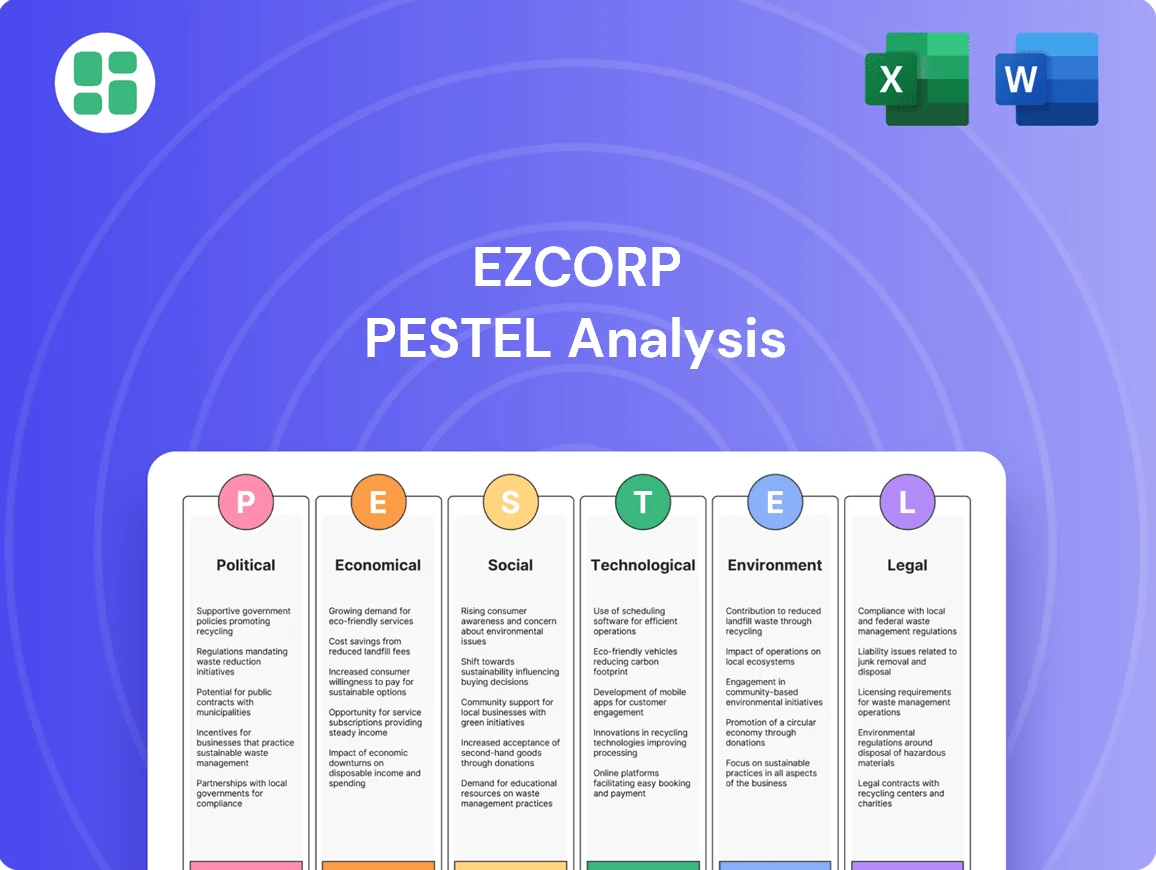
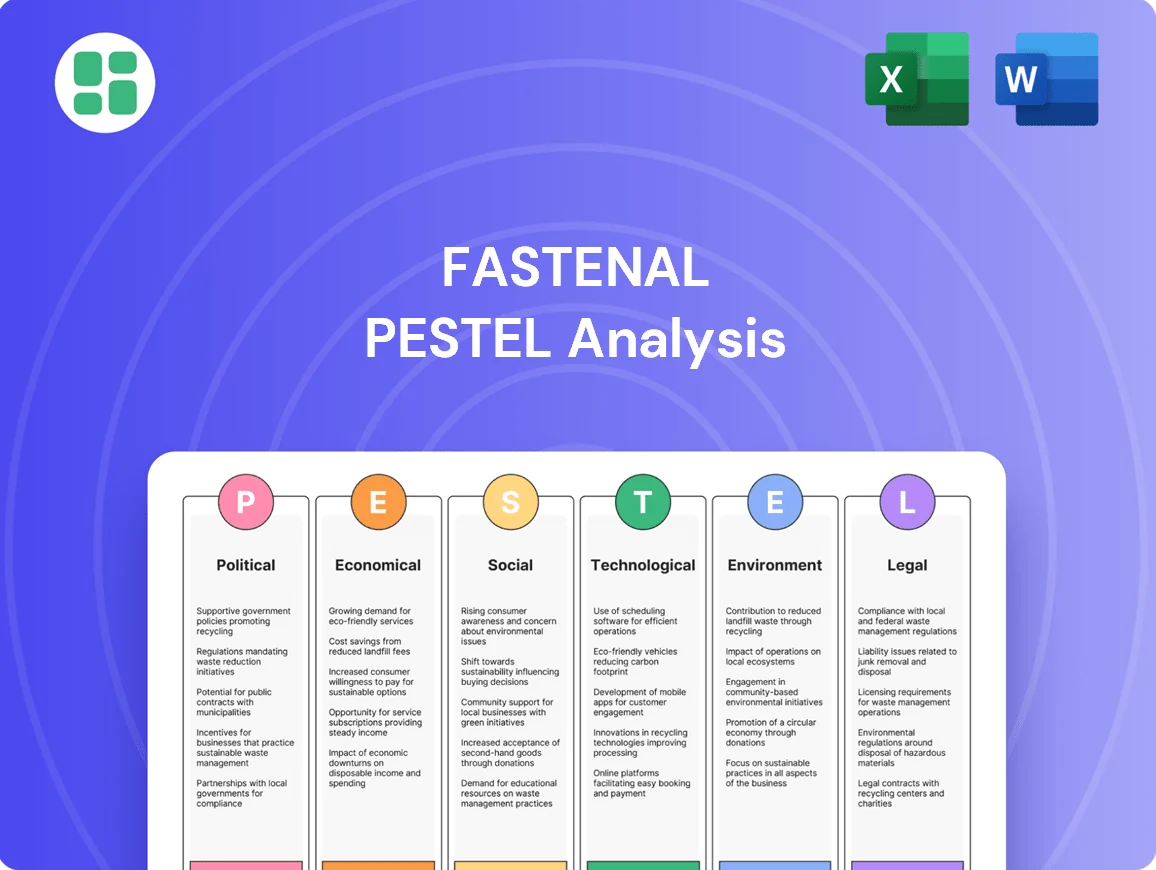
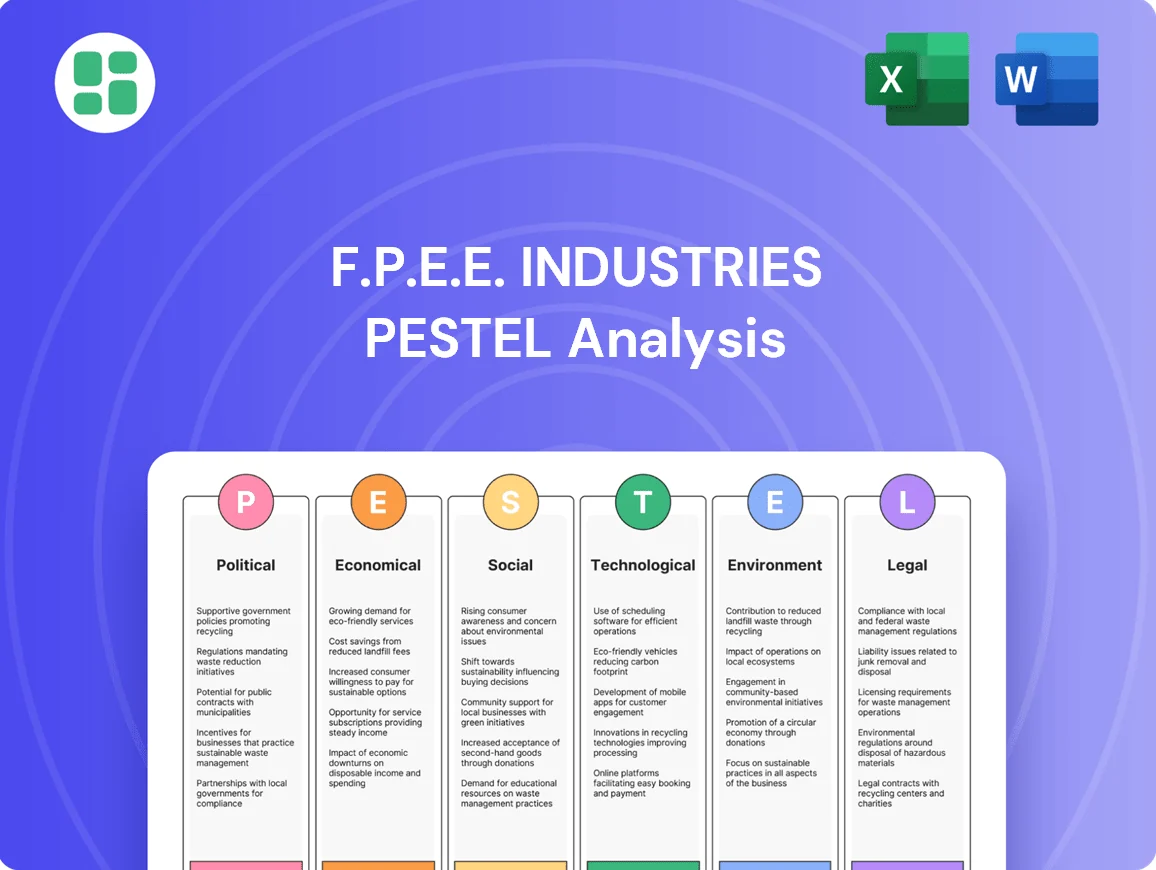
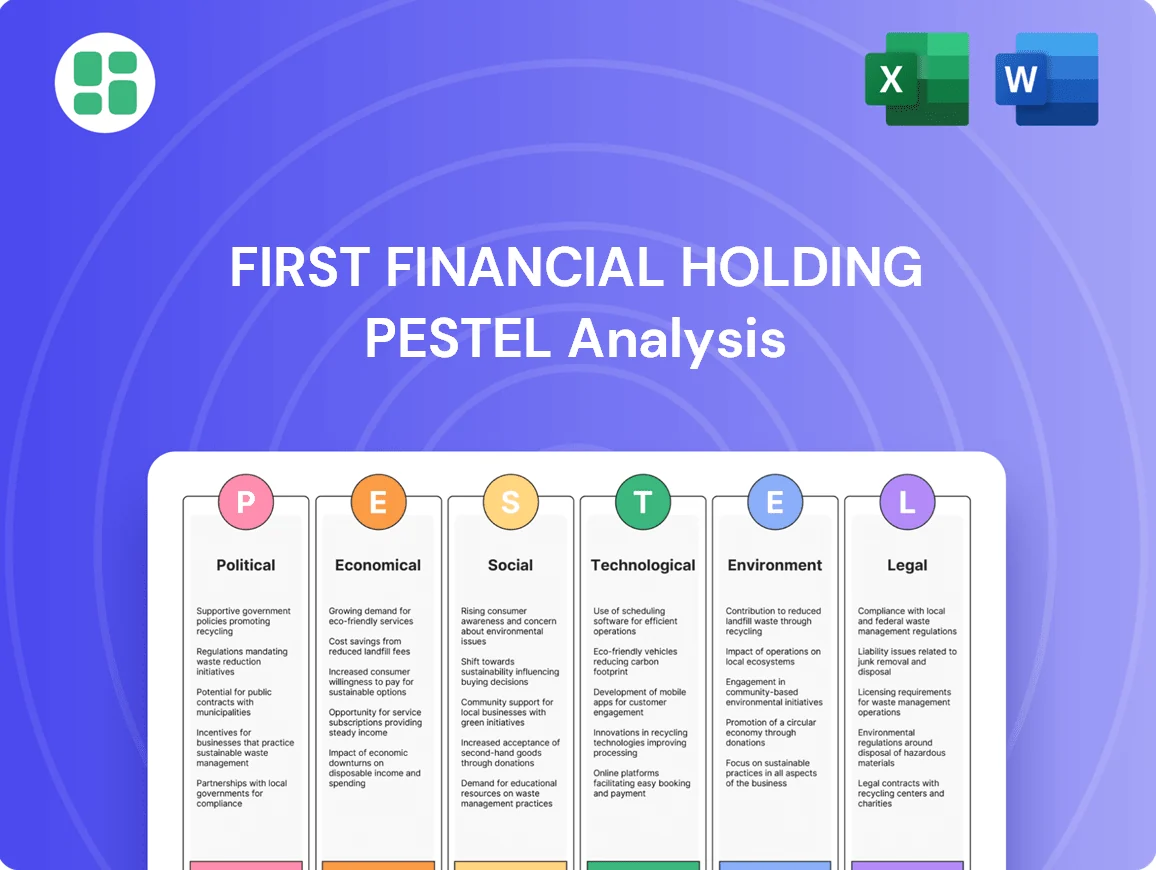
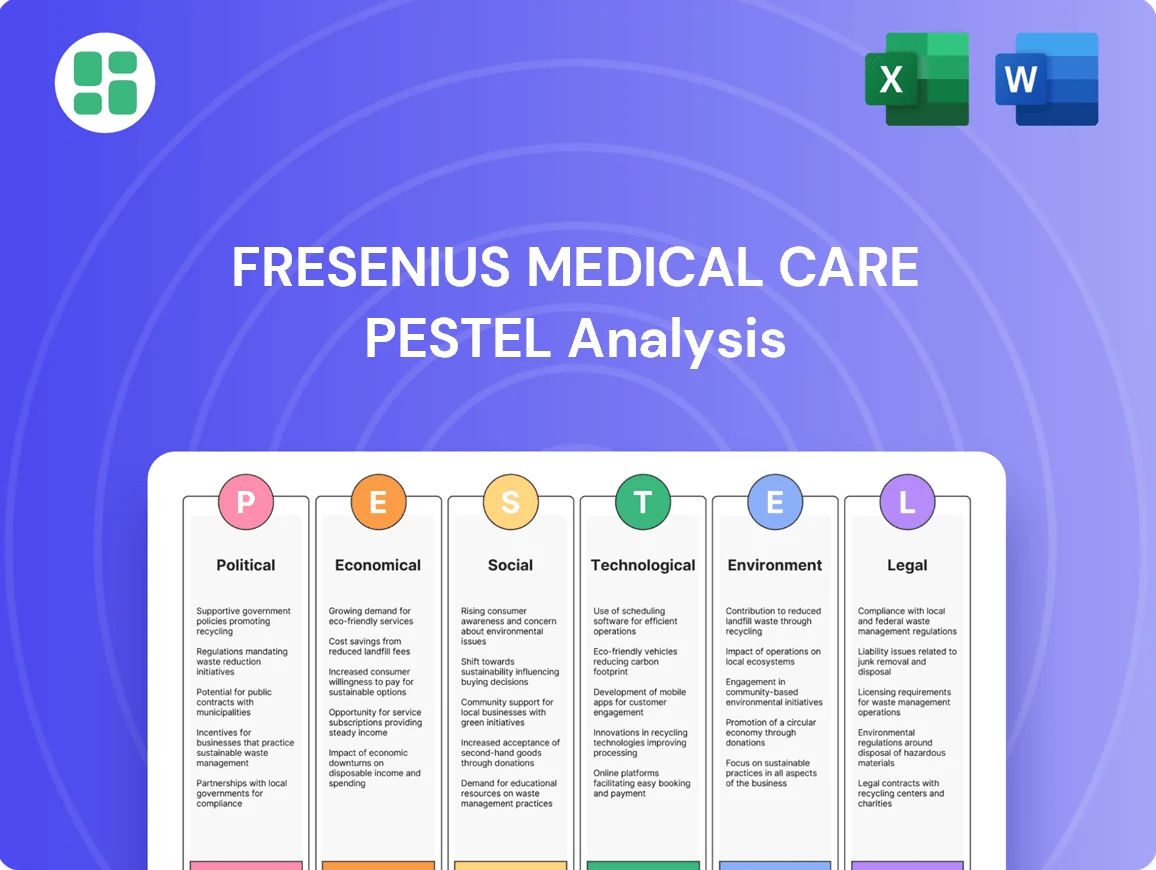
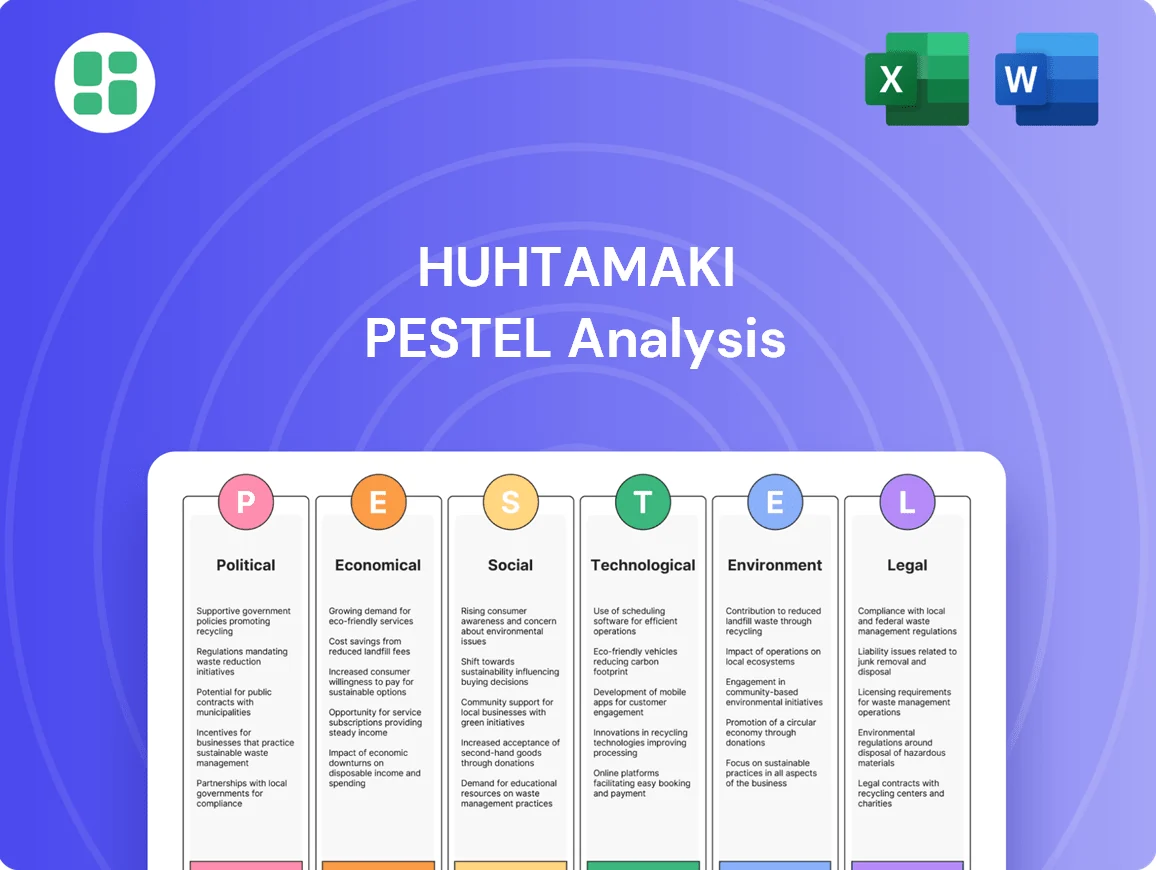
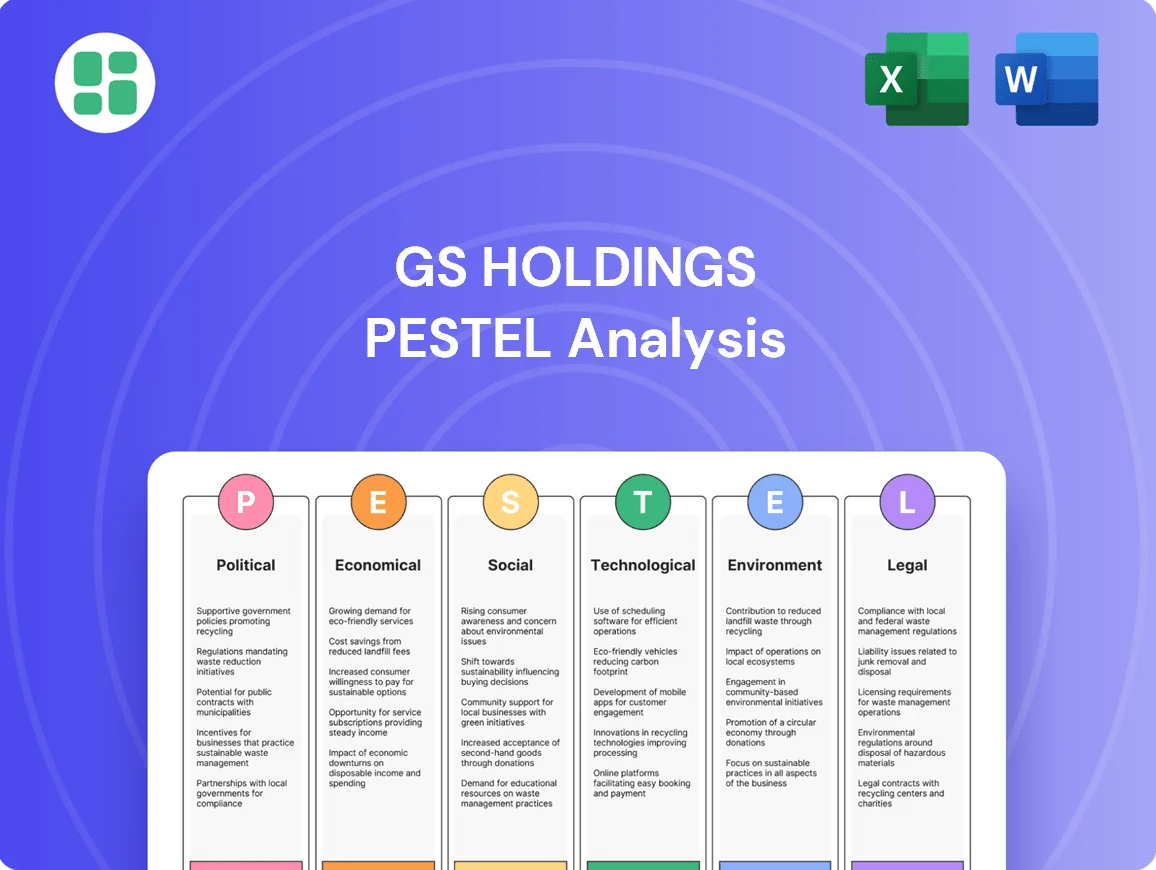
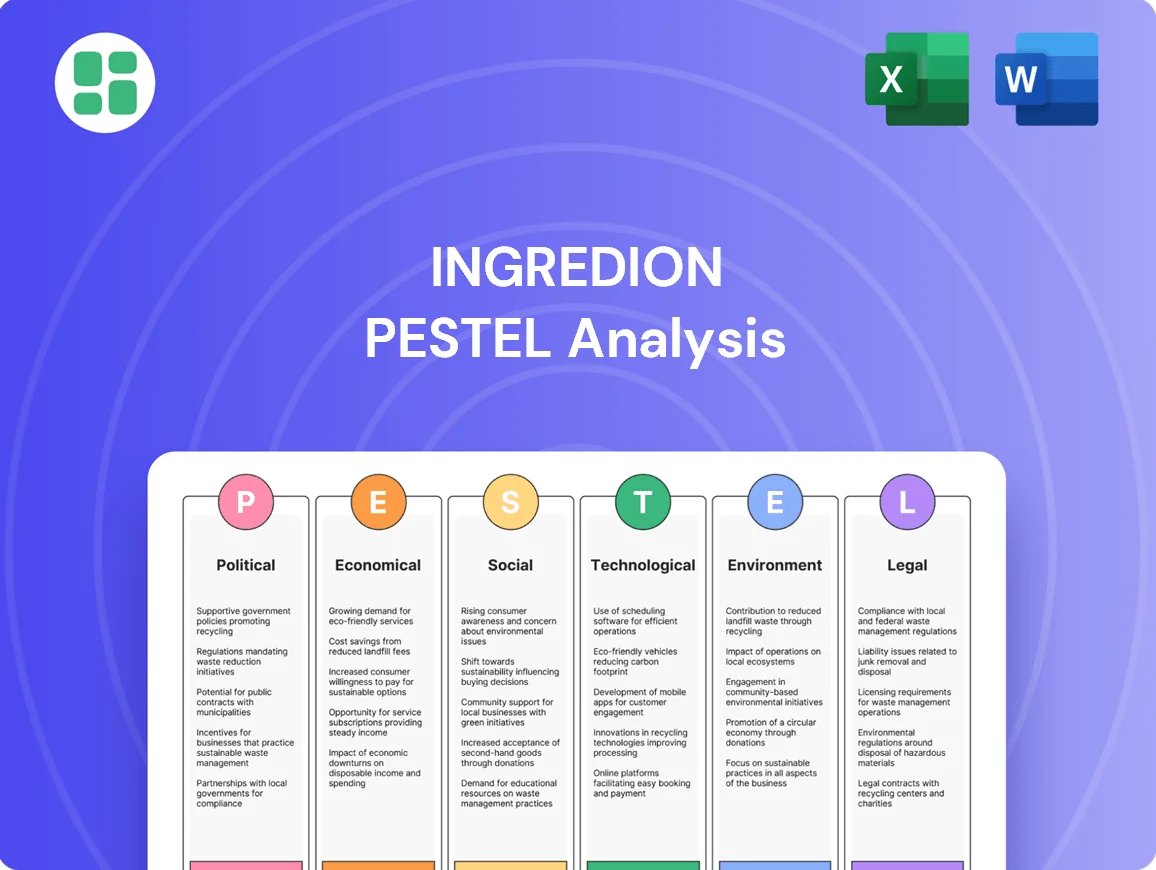
The preview shown here is the exact document you’ll receive after purchase—fully formatted and ready to use for your Odlo PESTLE analysis. This comprehensive report delves into the Political, Economic, Social, Technological, Legal, and Environmental factors impacting Odlo's business strategy. You'll gain valuable insights into market dynamics and potential challenges.

Product Information
Product Information
Shipping & Returns
Shipping & Returns

Odlo PESTLE Analysis
Odlo PESTLE Analysis
Plan Smarter. Present Sharper. Compete Stronger.
Discover the critical political, economic, social, technological, environmental, and legal factors shaping Odlo's future. Our PESTLE analysis provides a strategic roadmap, highlighting opportunities and threats you can leverage. Download the full version now to gain a competitive edge and make informed decisions.
Political factors
Government Regulations on Sustainability
Governments, particularly in the European Union, are tightening regulations on textile waste, with mandates for separate collection and Extended Producer Responsibility (EPR) schemes set to be in place by 2025. These initiatives are designed to curb the environmental impact of the fashion sector by promoting reuse and recycling.
These evolving policies directly influence Odlo's operational strategies, requiring adjustments in product lifecycle management and compliance with new waste disposal and material sourcing standards. For instance, the EU's Circular Economy Action Plan, updated in 2023, emphasizes sustainable textiles, pushing brands towards greater accountability for their products' end-of-life.
International Trade Policies and Tariffs
Odlo's operational costs and market competitiveness are directly influenced by international trade policies. For instance, the European Union, a key market for Odlo, has maintained various trade agreements, but potential shifts in global trade dynamics, such as increased protectionism or new tariffs on performance apparel or its synthetic materials, could raise import expenses for raw materials or export duties on finished products, impacting profitability.
The company must remain agile in its sourcing and distribution to navigate the complexities of international trade. In 2024, global trade saw continued adjustments, with some nations exploring more localized supply chains. Odlo's ability to adapt its manufacturing locations and sales channels in response to evolving trade relations between Asia (a major production hub) and Europe or North America will be crucial in managing financial risks and ensuring consistent market access.
Labor Laws and Ethical Sourcing Compliance
Global supply chains are facing increasing scrutiny regarding labor practices and human rights. Brands like Odlo must ensure fair working conditions and ethical sourcing to maintain their reputation and avoid legal issues. For instance, in 2024, reports highlighted that 70% of consumers are more likely to purchase from brands with transparent and ethical supply chains.
Adherence to international standards, such as those advocated by organizations like the Fair Wear Foundation, is paramount. This commitment is vital for maintaining brand integrity and mitigating risks associated with non-compliance, which can lead to significant financial penalties and reputational damage.
Consumer Protection and Product Safety Regulations
Consumer protection and product safety regulations significantly shape Odlo's operations. Strict laws regarding product safety, quality, and clear labeling directly impact design, manufacturing, and marketing strategies. For instance, compliance with evolving directives, such as those promoting circular economy principles and transparency on substances, is crucial for market access and maintaining consumer confidence in 2024 and beyond.
These regulations necessitate rigorous adherence to standards. Odlo must ensure its apparel meets safety benchmarks and provides accurate information to consumers. This includes detailed labeling on recyclability and the presence of any potentially harmful substances, a requirement becoming increasingly common across major European markets.
- Product Safety Compliance: Odlo must adhere to international and regional safety standards for all its apparel, ensuring no harmful chemicals are used.
- Labeling Requirements: Clear and informative labeling regarding material composition, care instructions, and end-of-life recyclability is mandated by many consumer protection laws.
- Circular Economy Directives: Regulations like France's Anti-waste and Circular Economy Law (AGEC Law) influence product design and material sourcing, pushing for more sustainable and traceable supply chains.
Geopolitical Stability and Supply Chain Resilience
Geopolitical instability, particularly in regions crucial for textile manufacturing and sourcing, poses a significant risk to Odlo's supply chain. For instance, ongoing tensions in Eastern Europe and parts of Asia, major hubs for apparel production, could lead to production halts or significant shipping delays. Odlo must proactively assess these risks by diversifying its manufacturing base, potentially exploring partnerships in more stable regions to mitigate the impact of localized conflicts or trade disputes on its operations and product availability.
Ensuring supply chain resilience is paramount. Odlo's strategy should involve strengthening relationships with key suppliers in politically stable environments and potentially increasing inventory levels for critical components. For example, as of early 2025, many apparel companies are re-evaluating their reliance on single-source suppliers in politically volatile areas, a trend Odlo is likely observing and adapting to. This proactive approach helps maintain consistent product flow and manage cost fluctuations stemming from geopolitical disruptions.
Key considerations for Odlo include:
- Diversification of Sourcing: Reducing dependence on any single country or region for raw materials and finished goods.
- Supplier Relationship Management: Building strong, long-term partnerships with suppliers in stable geopolitical zones.
- Contingency Planning: Developing robust plans to address potential disruptions, including alternative logistics and production sites.
- Market Intelligence: Continuously monitoring geopolitical developments that could impact global trade and supply routes.
Business Agility: Navigating 2025 Regulations, Trade, and Geopolitical Risks
Government regulations are increasingly focused on sustainability and circular economy principles, impacting Odlo's material sourcing and waste management strategies, with new EU mandates for textile waste expected by 2025.
International trade policies and potential protectionist measures could affect Odlo's import costs for raw materials and export duties, necessitating agile supply chain adjustments as global trade dynamics evolve in 2024.
Consumer protection laws demand rigorous adherence to product safety, quality, and transparent labeling, with directives promoting circularity influencing design and sourcing decisions for market access and consumer trust.
Geopolitical instability in key manufacturing regions presents supply chain risks, prompting companies like Odlo to diversify sourcing and strengthen partnerships in more stable environments as of early 2025.
What is included in the product
Detailed Word Document
This Odlo PESTLE analysis thoroughly examines the Political, Economic, Social, Technological, Environmental, and Legal factors impacting the brand, offering a comprehensive understanding of its external operating landscape.
Customizable Excel Spreadsheet
A clear, actionable summary of Odlo's PESTLE factors, designed to streamline strategic discussions and proactively address potential market challenges.
Economic factors
Global Sportswear Market Growth
The global sportswear market is on a strong upward trajectory. By 2025, the activewear segment alone is anticipated to hit USD 412.14 billion, with continued growth expected beyond that. This expansion signals a fertile ground for companies like Odlo to capture a larger slice of the market.
This growth is largely fueled by increasing global health consciousness and a widespread adoption of active lifestyles. As more people prioritize fitness and well-being, the demand for high-quality, functional sportswear naturally rises, directly benefiting brands that can meet these evolving consumer needs.
Consumer Disposable Income and Spending Habits
Rising inflation in 2024 and early 2025 is a significant economic pressure, potentially curbing consumer spending on non-essential goods like premium sportswear. For instance, the US Consumer Price Index (CPI) saw a notable increase throughout 2023 and into 2024, impacting discretionary budgets.
Despite these pressures, Odlo's strategic focus on high-quality, performance-driven apparel is likely to buffer its sales. Consumers often prioritize durability and functionality in their sportswear purchases, even during economic downturns, suggesting that Odlo's innovative product lines can maintain their appeal and market share.
Currency Exchange Rate Fluctuations
Currency exchange rate fluctuations significantly impact Odlo's profitability as an international sportswear company. For instance, a strengthening Swiss Franc (CHF) against major currencies like the Euro (EUR) or US Dollar (USD) can increase the cost of imported raw materials and manufacturing, while simultaneously reducing the value of revenues earned in those foreign currencies when converted back to CHF. In 2024, the EUR/CHF exchange rate has seen volatility, with the Euro trading around 0.95 CHF for much of the year, presenting ongoing challenges for companies like Odlo that operate across multiple currency zones.
To mitigate these risks, Odlo may employ strategic financial instruments such as currency hedging to lock in exchange rates for future transactions, thereby stabilizing costs and revenues. Alternatively, implementing localized pricing strategies in different markets can help to absorb some of the impact of currency movements, ensuring competitive pricing while protecting profit margins. For example, if the USD weakens against the CHF, Odlo might adjust USD-denominated prices upwards to maintain its CHF revenue targets.
E-commerce and Direct-to-Consumer (D2C) Channel Expansion
The expansion of e-commerce and direct-to-consumer (D2C) channels presents significant opportunities for sportswear brands like Odlo. These digital avenues allow for direct engagement with customers, fostering brand loyalty and providing valuable data. In 2024, global e-commerce sales are projected to reach $7.5 trillion, underscoring the immense potential for brands to bypass traditional retail intermediaries. Odlo's investment in its digital infrastructure is key to capturing this growth and offering a more personalized customer journey.
Leveraging D2C models allows Odlo to control the brand narrative and customer experience from start to finish. This direct relationship can lead to higher profit margins by cutting out wholesale markups. The sportswear market, in particular, has seen a strong shift towards online purchasing, with digital channels becoming increasingly dominant for many consumers seeking convenience and a wider selection.
- Global E-commerce Growth: Projected to reach $7.5 trillion in 2024, indicating a substantial market for D2C expansion.
- Digital Investment: Brands are prioritizing robust online platforms and digital marketing to enhance customer reach and personalization.
- D2C Advantages: Offers improved profit margins and direct customer data collection for targeted strategies.
- Consumer Shift: Increasing preference for online channels in the sportswear sector for convenience and product variety.
Intensified Competitive Landscape
The sportswear market is experiencing a significant surge in competition, with emerging brands effectively challenging established players through innovative products and precise marketing strategies. Odlo faces the imperative to consistently develop unique offerings and clearly define its brand identity to preserve its market position against both major industry leaders and nimble new entrants.
This intensified rivalry means Odlo needs to stay ahead of trends and consumer demands. For instance, the global sportswear market was valued at approximately $200 billion in 2023 and is projected to grow substantially in the coming years, indicating ample opportunity but also heightened pressure. Brands that excel in areas like sustainability, digital engagement, and performance technology are likely to capture a larger share.
- Market Saturation: The sheer number of brands, from global giants to niche specialists, makes it harder to stand out.
- Challenger Brand Agility: Newer companies often pivot quickly, leveraging social media and direct-to-consumer models to build loyal followings.
- Innovation Imperative: Continuous investment in new materials, designs, and sustainable practices is crucial for differentiation.
- Price Sensitivity: While quality is key, consumers are also increasingly price-conscious, forcing brands to balance premium offerings with accessible options.
Navigating Economic Headwinds Amidst Sportswear Market Growth
Economic headwinds like inflation in 2024 and early 2025 are a key concern, potentially impacting consumer discretionary spending on premium sportswear. For example, persistent inflation in major markets can reduce the purchasing power for items like high-performance apparel. Currency exchange rate volatility also significantly affects Odlo's international operations, as seen with the fluctuating EUR/CHF rate impacting raw material costs and revenue conversion.
Despite these economic pressures, the overall sportswear market continues its strong growth trajectory, with the activewear segment alone projected to reach USD 412.14 billion by 2025. This expansion, driven by increasing global health consciousness, offers Odlo opportunities to capitalize on demand for quality, performance-oriented products. Strategic financial management, including currency hedging and localized pricing, is vital for Odlo to navigate these economic complexities.
Full Version Awaits
Odlo PESTLE Analysis
The preview shown here is the exact document you’ll receive after purchase—fully formatted and ready to use for your Odlo PESTLE analysis. This comprehensive report delves into the Political, Economic, Social, Technological, Legal, and Environmental factors impacting Odlo's business strategy. You'll gain valuable insights into market dynamics and potential challenges.
Original: $10.00
-65%$10.00
$3.50Product Information
Product Information
Shipping & Returns
Shipping & Returns
Description
Plan Smarter. Present Sharper. Compete Stronger.
Discover the critical political, economic, social, technological, environmental, and legal factors shaping Odlo's future. Our PESTLE analysis provides a strategic roadmap, highlighting opportunities and threats you can leverage. Download the full version now to gain a competitive edge and make informed decisions.
Political factors
Government Regulations on Sustainability
Governments, particularly in the European Union, are tightening regulations on textile waste, with mandates for separate collection and Extended Producer Responsibility (EPR) schemes set to be in place by 2025. These initiatives are designed to curb the environmental impact of the fashion sector by promoting reuse and recycling.
These evolving policies directly influence Odlo's operational strategies, requiring adjustments in product lifecycle management and compliance with new waste disposal and material sourcing standards. For instance, the EU's Circular Economy Action Plan, updated in 2023, emphasizes sustainable textiles, pushing brands towards greater accountability for their products' end-of-life.
International Trade Policies and Tariffs
Odlo's operational costs and market competitiveness are directly influenced by international trade policies. For instance, the European Union, a key market for Odlo, has maintained various trade agreements, but potential shifts in global trade dynamics, such as increased protectionism or new tariffs on performance apparel or its synthetic materials, could raise import expenses for raw materials or export duties on finished products, impacting profitability.
The company must remain agile in its sourcing and distribution to navigate the complexities of international trade. In 2024, global trade saw continued adjustments, with some nations exploring more localized supply chains. Odlo's ability to adapt its manufacturing locations and sales channels in response to evolving trade relations between Asia (a major production hub) and Europe or North America will be crucial in managing financial risks and ensuring consistent market access.
Labor Laws and Ethical Sourcing Compliance
Global supply chains are facing increasing scrutiny regarding labor practices and human rights. Brands like Odlo must ensure fair working conditions and ethical sourcing to maintain their reputation and avoid legal issues. For instance, in 2024, reports highlighted that 70% of consumers are more likely to purchase from brands with transparent and ethical supply chains.
Adherence to international standards, such as those advocated by organizations like the Fair Wear Foundation, is paramount. This commitment is vital for maintaining brand integrity and mitigating risks associated with non-compliance, which can lead to significant financial penalties and reputational damage.
Consumer Protection and Product Safety Regulations
Consumer protection and product safety regulations significantly shape Odlo's operations. Strict laws regarding product safety, quality, and clear labeling directly impact design, manufacturing, and marketing strategies. For instance, compliance with evolving directives, such as those promoting circular economy principles and transparency on substances, is crucial for market access and maintaining consumer confidence in 2024 and beyond.
These regulations necessitate rigorous adherence to standards. Odlo must ensure its apparel meets safety benchmarks and provides accurate information to consumers. This includes detailed labeling on recyclability and the presence of any potentially harmful substances, a requirement becoming increasingly common across major European markets.
- Product Safety Compliance: Odlo must adhere to international and regional safety standards for all its apparel, ensuring no harmful chemicals are used.
- Labeling Requirements: Clear and informative labeling regarding material composition, care instructions, and end-of-life recyclability is mandated by many consumer protection laws.
- Circular Economy Directives: Regulations like France's Anti-waste and Circular Economy Law (AGEC Law) influence product design and material sourcing, pushing for more sustainable and traceable supply chains.
Geopolitical Stability and Supply Chain Resilience
Geopolitical instability, particularly in regions crucial for textile manufacturing and sourcing, poses a significant risk to Odlo's supply chain. For instance, ongoing tensions in Eastern Europe and parts of Asia, major hubs for apparel production, could lead to production halts or significant shipping delays. Odlo must proactively assess these risks by diversifying its manufacturing base, potentially exploring partnerships in more stable regions to mitigate the impact of localized conflicts or trade disputes on its operations and product availability.
Ensuring supply chain resilience is paramount. Odlo's strategy should involve strengthening relationships with key suppliers in politically stable environments and potentially increasing inventory levels for critical components. For example, as of early 2025, many apparel companies are re-evaluating their reliance on single-source suppliers in politically volatile areas, a trend Odlo is likely observing and adapting to. This proactive approach helps maintain consistent product flow and manage cost fluctuations stemming from geopolitical disruptions.
Key considerations for Odlo include:
- Diversification of Sourcing: Reducing dependence on any single country or region for raw materials and finished goods.
- Supplier Relationship Management: Building strong, long-term partnerships with suppliers in stable geopolitical zones.
- Contingency Planning: Developing robust plans to address potential disruptions, including alternative logistics and production sites.
- Market Intelligence: Continuously monitoring geopolitical developments that could impact global trade and supply routes.
Business Agility: Navigating 2025 Regulations, Trade, and Geopolitical Risks
Government regulations are increasingly focused on sustainability and circular economy principles, impacting Odlo's material sourcing and waste management strategies, with new EU mandates for textile waste expected by 2025.
International trade policies and potential protectionist measures could affect Odlo's import costs for raw materials and export duties, necessitating agile supply chain adjustments as global trade dynamics evolve in 2024.
Consumer protection laws demand rigorous adherence to product safety, quality, and transparent labeling, with directives promoting circularity influencing design and sourcing decisions for market access and consumer trust.
Geopolitical instability in key manufacturing regions presents supply chain risks, prompting companies like Odlo to diversify sourcing and strengthen partnerships in more stable environments as of early 2025.
What is included in the product
Detailed Word Document
This Odlo PESTLE analysis thoroughly examines the Political, Economic, Social, Technological, Environmental, and Legal factors impacting the brand, offering a comprehensive understanding of its external operating landscape.
Customizable Excel Spreadsheet
A clear, actionable summary of Odlo's PESTLE factors, designed to streamline strategic discussions and proactively address potential market challenges.
Economic factors
Global Sportswear Market Growth
The global sportswear market is on a strong upward trajectory. By 2025, the activewear segment alone is anticipated to hit USD 412.14 billion, with continued growth expected beyond that. This expansion signals a fertile ground for companies like Odlo to capture a larger slice of the market.
This growth is largely fueled by increasing global health consciousness and a widespread adoption of active lifestyles. As more people prioritize fitness and well-being, the demand for high-quality, functional sportswear naturally rises, directly benefiting brands that can meet these evolving consumer needs.
Consumer Disposable Income and Spending Habits
Rising inflation in 2024 and early 2025 is a significant economic pressure, potentially curbing consumer spending on non-essential goods like premium sportswear. For instance, the US Consumer Price Index (CPI) saw a notable increase throughout 2023 and into 2024, impacting discretionary budgets.
Despite these pressures, Odlo's strategic focus on high-quality, performance-driven apparel is likely to buffer its sales. Consumers often prioritize durability and functionality in their sportswear purchases, even during economic downturns, suggesting that Odlo's innovative product lines can maintain their appeal and market share.
Currency Exchange Rate Fluctuations
Currency exchange rate fluctuations significantly impact Odlo's profitability as an international sportswear company. For instance, a strengthening Swiss Franc (CHF) against major currencies like the Euro (EUR) or US Dollar (USD) can increase the cost of imported raw materials and manufacturing, while simultaneously reducing the value of revenues earned in those foreign currencies when converted back to CHF. In 2024, the EUR/CHF exchange rate has seen volatility, with the Euro trading around 0.95 CHF for much of the year, presenting ongoing challenges for companies like Odlo that operate across multiple currency zones.
To mitigate these risks, Odlo may employ strategic financial instruments such as currency hedging to lock in exchange rates for future transactions, thereby stabilizing costs and revenues. Alternatively, implementing localized pricing strategies in different markets can help to absorb some of the impact of currency movements, ensuring competitive pricing while protecting profit margins. For example, if the USD weakens against the CHF, Odlo might adjust USD-denominated prices upwards to maintain its CHF revenue targets.
E-commerce and Direct-to-Consumer (D2C) Channel Expansion
The expansion of e-commerce and direct-to-consumer (D2C) channels presents significant opportunities for sportswear brands like Odlo. These digital avenues allow for direct engagement with customers, fostering brand loyalty and providing valuable data. In 2024, global e-commerce sales are projected to reach $7.5 trillion, underscoring the immense potential for brands to bypass traditional retail intermediaries. Odlo's investment in its digital infrastructure is key to capturing this growth and offering a more personalized customer journey.
Leveraging D2C models allows Odlo to control the brand narrative and customer experience from start to finish. This direct relationship can lead to higher profit margins by cutting out wholesale markups. The sportswear market, in particular, has seen a strong shift towards online purchasing, with digital channels becoming increasingly dominant for many consumers seeking convenience and a wider selection.
- Global E-commerce Growth: Projected to reach $7.5 trillion in 2024, indicating a substantial market for D2C expansion.
- Digital Investment: Brands are prioritizing robust online platforms and digital marketing to enhance customer reach and personalization.
- D2C Advantages: Offers improved profit margins and direct customer data collection for targeted strategies.
- Consumer Shift: Increasing preference for online channels in the sportswear sector for convenience and product variety.
Intensified Competitive Landscape
The sportswear market is experiencing a significant surge in competition, with emerging brands effectively challenging established players through innovative products and precise marketing strategies. Odlo faces the imperative to consistently develop unique offerings and clearly define its brand identity to preserve its market position against both major industry leaders and nimble new entrants.
This intensified rivalry means Odlo needs to stay ahead of trends and consumer demands. For instance, the global sportswear market was valued at approximately $200 billion in 2023 and is projected to grow substantially in the coming years, indicating ample opportunity but also heightened pressure. Brands that excel in areas like sustainability, digital engagement, and performance technology are likely to capture a larger share.
- Market Saturation: The sheer number of brands, from global giants to niche specialists, makes it harder to stand out.
- Challenger Brand Agility: Newer companies often pivot quickly, leveraging social media and direct-to-consumer models to build loyal followings.
- Innovation Imperative: Continuous investment in new materials, designs, and sustainable practices is crucial for differentiation.
- Price Sensitivity: While quality is key, consumers are also increasingly price-conscious, forcing brands to balance premium offerings with accessible options.
Navigating Economic Headwinds Amidst Sportswear Market Growth
Economic headwinds like inflation in 2024 and early 2025 are a key concern, potentially impacting consumer discretionary spending on premium sportswear. For example, persistent inflation in major markets can reduce the purchasing power for items like high-performance apparel. Currency exchange rate volatility also significantly affects Odlo's international operations, as seen with the fluctuating EUR/CHF rate impacting raw material costs and revenue conversion.
Despite these economic pressures, the overall sportswear market continues its strong growth trajectory, with the activewear segment alone projected to reach USD 412.14 billion by 2025. This expansion, driven by increasing global health consciousness, offers Odlo opportunities to capitalize on demand for quality, performance-oriented products. Strategic financial management, including currency hedging and localized pricing, is vital for Odlo to navigate these economic complexities.
Full Version Awaits
Odlo PESTLE Analysis
The preview shown here is the exact document you’ll receive after purchase—fully formatted and ready to use for your Odlo PESTLE analysis. This comprehensive report delves into the Political, Economic, Social, Technological, Legal, and Environmental factors impacting Odlo's business strategy. You'll gain valuable insights into market dynamics and potential challenges.