New Balance PESTLE Analysis

Make Smarter Strategic Decisions with a Complete PESTEL View
Navigate the dynamic landscape of the athletic footwear industry with our comprehensive PESTLE analysis of New Balance. Uncover how political shifts, economic fluctuations, social trends, technological advancements, environmental concerns, and legal frameworks are shaping the brand's future. Gain a competitive edge by understanding these critical external forces. Download the full analysis now for actionable intelligence to inform your strategy.
Political factors

Trade Policy and Tariffs
New Balance's manufacturing footprint in the US and Europe makes it sensitive to shifts in international trade agreements and import duties. For instance, the US International Trade Commission's ongoing reviews of tariffs on goods from various Asian countries, including those impacting footwear, could indirectly influence New Balance's operational costs and pricing, even with its domestic production.
Tariffs on raw materials or components sourced from countries subject to new duties can increase manufacturing expenses. For example, if key materials for athletic footwear become more expensive due to tariffs, New Balance might face higher production costs. This could necessitate adjustments to their pricing strategies to maintain profitability, potentially impacting consumer affordability.
Government Support for Domestic Manufacturing
New Balance's dedication to keeping manufacturing plants in the US and Europe directly benefits from evolving government policies that champion domestic production. For instance, the US government's focus on reshoring initiatives, as seen in various trade policies and potential future manufacturing incentives, could offer New Balance a tangible edge. This strategic alignment with governmental support for local jobs and production can translate into financial advantages and a stronger brand image among consumers who value goods made closer to home.

Labor Laws and Regulations
New Balance faces significant operational considerations due to varying labor laws across its US and European manufacturing bases. Adherence to minimum wage laws, such as the current federal minimum wage of $7.25 per hour in the US, though many states and cities have higher rates, and EU directives on working conditions, directly impacts labor costs and production expenses.
Potential increases in minimum wages, like the proposed federal minimum wage hike to $15 per hour in the US, could add substantial costs for New Balance's domestic operations. Similarly, new health and safety regulations implemented in Europe, such as those stemming from the EU's Strategic Framework on Health and Safety at Work 2021-2027, require ongoing investment in compliance and facility upgrades.
The company's proactive stance on ethical supply chains, including its 2024 Human Rights Report, demonstrates a commitment to navigating these complex legal environments. This focus on worker rights and fair labor practices is essential for maintaining brand reputation and ensuring long-term operational sustainability in a globally regulated industry.

Geopolitical Stability and Supply Chain Resilience
Global geopolitical events and regional instabilities pose significant risks to international supply chains, impacting everything from raw material procurement to final product delivery. New Balance, like many global brands, must navigate these complexities to ensure operational continuity. For instance, the ongoing tensions in Eastern Europe and the Middle East have led to increased shipping costs and transit times, with some reports indicating a 15-20% rise in freight rates for certain routes in early 2024. This underscores the critical need for adaptable sourcing and logistics strategies.
New Balance's approach to mitigating these political risks involves a strategic diversification of its production locations and a concerted effort to cultivate robust relationships with its suppliers. This dual strategy proved particularly valuable when the company, like many others, faced disruptions stemming from the Red Sea shipping crisis. By having alternative sourcing and distribution channels, New Balance demonstrated a degree of resilience that is crucial in today's volatile global landscape. Their ability to pivot and adapt quickly to unforeseen global events is a key political consideration for maintaining consistent and reliable operations.
- Geopolitical Risk Mitigation: Diversifying manufacturing across multiple countries reduces reliance on any single region vulnerable to political instability.
- Supply Chain Resilience: Maintaining strong, long-term relationships with key suppliers allows for better negotiation power and collaborative problem-solving during disruptions.
- Adaptability to Global Events: The capacity to quickly reroute shipments or shift production in response to political crises, like the Red Sea shipping challenges, is paramount for consistent operations.
- Trade Policy Awareness: Staying informed about evolving trade agreements and tariffs in key manufacturing and consumer markets is essential for cost management and market access.
Environmental Policy Advocacy
New Balance actively participates in government discussions, advocating for stronger climate policies. This proactive engagement demonstrates their commitment to shaping environmental regulations that impact the athletic footwear industry. For instance, in 2024, the company continued its efforts to align with Science Based Targets initiative (SBTi) approved emissions reduction pathways, aiming for a 50% reduction in Scope 1 and 2 emissions by 2030 against a 2019 baseline.
The company's strategic focus on transitioning to renewable energy sources directly supports governmental objectives for corporate sustainability. By 2025, New Balance aims to power 100% of its owned and operated facilities with renewable electricity, a move that aligns with global trends and national energy transition goals. This commitment can influence future regulatory frameworks, potentially positioning New Balance as a leader in responsible industry practices.
- Advocacy for Climate Policy: New Balance actively engages with policymakers on environmental issues.
- Emissions Reduction Targets: The company is working towards SBTi-approved targets, aiming for a 50% Scope 1 and 2 emissions reduction by 2030.
- Renewable Energy Transition: New Balance plans to source 100% renewable electricity for its facilities by 2025.
- Industry Leadership: These efforts position New Balance as a responsible player in the face of evolving environmental regulations.
Trade, Labor, & Geopolitics: Shaping Manufacturing Costs
New Balance's manufacturing presence in the US and Europe makes it susceptible to changes in trade agreements and import tariffs. For instance, ongoing reviews of tariffs on goods from Asian countries, impacting footwear, could indirectly raise New Balance's production costs and influence pricing strategies, even with its domestic production base.
Governmental support for domestic production, such as reshoring initiatives in the US, can offer New Balance a competitive advantage. This alignment with policies promoting local jobs and manufacturing can lead to financial benefits and enhance brand perception among consumers who prefer domestically produced goods.
Navigating diverse labor laws in the US and Europe, including minimum wage regulations and EU working condition directives, directly affects New Balance's labor expenses and overall production costs. Potential wage hikes, like the proposed $15 federal minimum wage in the US, could significantly increase operational costs for their domestic facilities.
Geopolitical events and regional instability pose risks to global supply chains, impacting raw material sourcing and product delivery. For example, tensions in Eastern Europe and the Middle East led to increased shipping costs and transit times, with freight rates reportedly rising 15-20% on certain routes in early 2024, highlighting the need for adaptable logistics.
What is included in the product
 Detailed Word Document
This PESTLE analysis provides a comprehensive examination of the external macro-environmental factors influencing New Balance, covering Political, Economic, Social, Technological, Environmental, and Legal dimensions.
It offers actionable insights and forward-looking perspectives to inform strategic decision-making and identify emerging opportunities and threats for the brand.

 Customizable Excel Spreadsheet
Provides a concise version that can be dropped into PowerPoints or used in group planning sessions, offering a clear understanding of the external factors impacting New Balance's strategy.
Economic factors

Consumer Spending and Disposable Income
Consumer spending and disposable income are critical drivers for athletic footwear and apparel demand. New Balance demonstrated robust performance, achieving record sales of $7.8 billion in 2024, marking a significant 20% increase. This growth suggests strong consumer appetite for their products, even with prevailing inflation concerns.
However, the economic landscape remains a key consideration. Persistent economic uncertainties or a downturn could lead consumers to prioritize essential goods or opt for lower-priced alternatives. Such shifts could potentially temper New Balance's sales growth trajectory in the near future.
Inflationary Pressures and Cost of Goods
Rising inflation directly impacts New Balance by increasing the cost of essential inputs like raw materials, manufacturing processes, and logistics. This surge in operational expenses can squeeze profit margins if not effectively passed on to consumers.
For 2025, footwear executives are bracing for elevated landed and operating costs, a situation potentially worsened by tariffs. This forecast suggests that New Balance, like its industry peers, might need to consider price adjustments to maintain profitability.

Exchange Rate Fluctuations
New Balance, as a global entity with manufacturing hubs in the United States and Europe, faces direct exposure to the volatility of exchange rates. For instance, a strengthening US dollar in 2024 could make imported raw materials more expensive for their US-based production, while simultaneously reducing the value of revenue earned from sales in countries with weaker currencies.
Conversely, a robust euro could similarly affect their European manufacturing costs and international sales profitability. This dynamic necessitates proactive financial strategies, such as currency hedging, to mitigate potential losses and maintain competitive pricing across diverse global markets.

Market Growth in Athletic Wear Industry
The global athletic wear market is experiencing robust expansion, with forecasts pointing to continued strong performance through 2025 and beyond. This upward trend is fueled by a growing emphasis on health and wellness, the enduring popularity of athleisure, and ongoing advancements in product technology, creating a beneficial landscape for New Balance. Indeed, the sportswear market is anticipated to climb from an estimated $220.34 billion in 2025 to a substantial $350.45 billion by 2032.
This significant market growth translates into considerable opportunities for New Balance to capture a larger share. The increasing consumer demand for comfortable, versatile, and performance-oriented apparel supports the brand's core offerings. Key drivers include:
- Rising Global Health Consciousness: More individuals are adopting active lifestyles, increasing demand for specialized athletic apparel.
- Athleisure Trend Persistence: The blurring lines between athletic and casual wear continue to boost sales of versatile sportswear.
- Technological Innovations: New materials and design features enhance product performance and consumer appeal.
- Emerging Markets: Growing disposable incomes in developing economies are opening new avenues for market penetration.
Competition and Market Share Dynamics
New Balance navigates a fiercely competitive athletic wear landscape, facing off against giants like Nike and Adidas, alongside a growing number of agile challenger brands. This intense rivalry necessitates constant adaptation and strategic maneuvering to capture and retain consumer attention.
Despite the crowded market, New Balance demonstrated significant traction, reporting record sales in 2024. This growth was largely fueled by its success in appealing to younger demographics and attracting new customers, indicating a positive shift in market share dynamics for the brand.
- Market Share Growth: New Balance's efforts to connect with younger consumers in 2024 contributed to an increase in its market share within the athletic footwear and apparel sector.
- Competitive Landscape: Key competitors include Nike, Adidas, Puma, and emerging brands like Hoka and On Running, all vying for consumer spending in a dynamic market.
- Innovation Imperative: To sustain its growth trajectory, New Balance must continue to invest in product innovation, distinctive marketing campaigns, and strategic collaborations to differentiate itself.
Sportswear's Economic Tightrope: Growth Amidst Inflation & Currency Swings
Economic factors significantly shape New Balance's performance and strategic planning. While the company achieved a record $7.8 billion in sales in 2024, a 20% increase, ongoing economic uncertainties and inflation pose potential headwinds. Rising input costs for materials, manufacturing, and logistics are expected to continue into 2025, potentially impacting profit margins if not managed through price adjustments or operational efficiencies.
Currency fluctuations also present a challenge, as a strong US dollar can increase costs for US-based production and diminish the value of international earnings. Conversely, a weaker dollar can make exports more competitive. The company's global manufacturing footprint, including facilities in the US and Europe, necessitates careful currency risk management to maintain profitability and competitive pricing.
The sportswear market is projected for substantial growth, expected to reach $220.34 billion in 2025 and $350.45 billion by 2032, driven by health consciousness and the athleisure trend. This expanding market offers New Balance significant opportunities for further penetration and revenue growth, provided it can effectively navigate competitive pressures and economic volatility.
Preview Before You Purchase
New Balance PESTLE Analysis
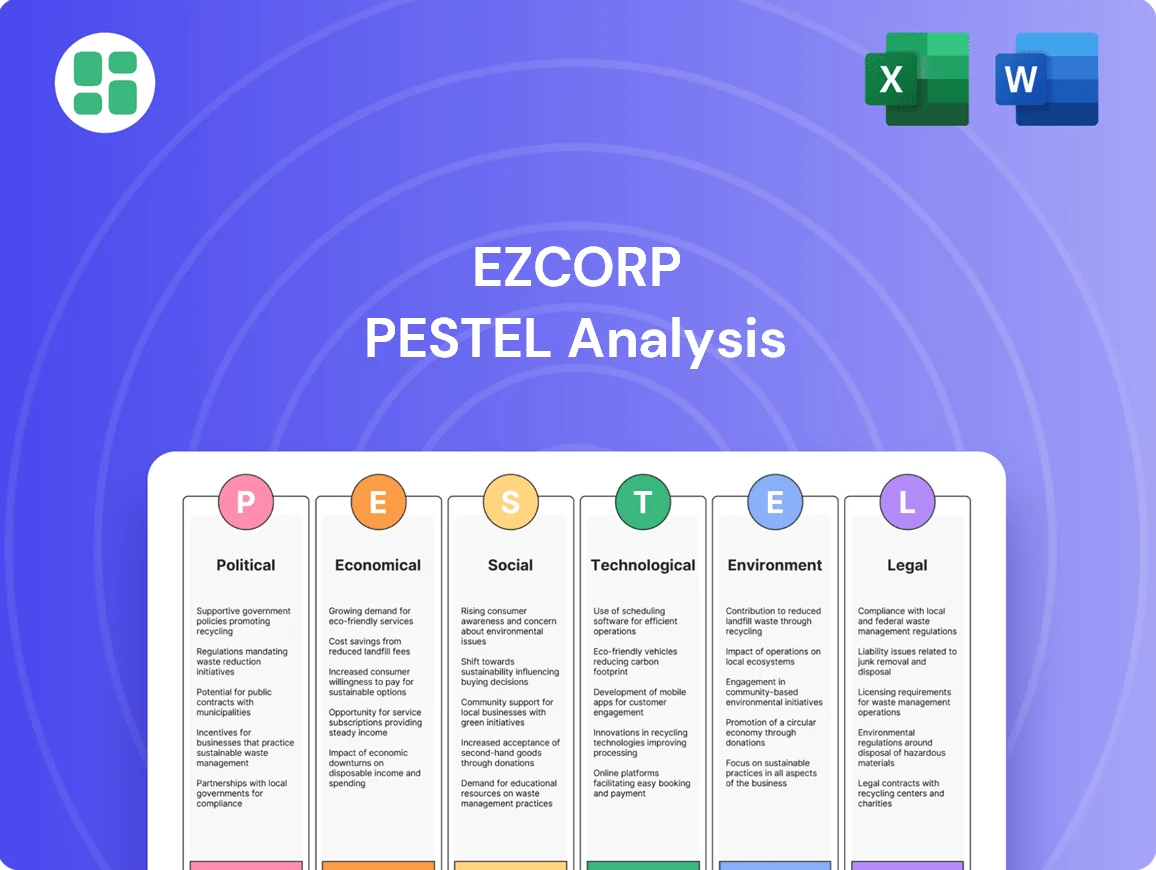
The New Balance PESTLE analysis preview you see here is the exact document you’ll receive after purchase—fully formatted and ready to use. This detailed breakdown covers Political, Economic, Social, Technological, Legal, and Environmental factors impacting New Balance, providing a comprehensive strategic overview.

Product Information
Product Information
Shipping & Returns
Shipping & Returns

New Balance PESTLE Analysis
New Balance PESTLE Analysis
Make Smarter Strategic Decisions with a Complete PESTEL View
Navigate the dynamic landscape of the athletic footwear industry with our comprehensive PESTLE analysis of New Balance. Uncover how political shifts, economic fluctuations, social trends, technological advancements, environmental concerns, and legal frameworks are shaping the brand's future. Gain a competitive edge by understanding these critical external forces. Download the full analysis now for actionable intelligence to inform your strategy.
Political factors
Trade Policy and Tariffs
New Balance's manufacturing footprint in the US and Europe makes it sensitive to shifts in international trade agreements and import duties. For instance, the US International Trade Commission's ongoing reviews of tariffs on goods from various Asian countries, including those impacting footwear, could indirectly influence New Balance's operational costs and pricing, even with its domestic production.
Tariffs on raw materials or components sourced from countries subject to new duties can increase manufacturing expenses. For example, if key materials for athletic footwear become more expensive due to tariffs, New Balance might face higher production costs. This could necessitate adjustments to their pricing strategies to maintain profitability, potentially impacting consumer affordability.
Government Support for Domestic Manufacturing
New Balance's dedication to keeping manufacturing plants in the US and Europe directly benefits from evolving government policies that champion domestic production. For instance, the US government's focus on reshoring initiatives, as seen in various trade policies and potential future manufacturing incentives, could offer New Balance a tangible edge. This strategic alignment with governmental support for local jobs and production can translate into financial advantages and a stronger brand image among consumers who value goods made closer to home.
Labor Laws and Regulations
New Balance faces significant operational considerations due to varying labor laws across its US and European manufacturing bases. Adherence to minimum wage laws, such as the current federal minimum wage of $7.25 per hour in the US, though many states and cities have higher rates, and EU directives on working conditions, directly impacts labor costs and production expenses.
Potential increases in minimum wages, like the proposed federal minimum wage hike to $15 per hour in the US, could add substantial costs for New Balance's domestic operations. Similarly, new health and safety regulations implemented in Europe, such as those stemming from the EU's Strategic Framework on Health and Safety at Work 2021-2027, require ongoing investment in compliance and facility upgrades.
The company's proactive stance on ethical supply chains, including its 2024 Human Rights Report, demonstrates a commitment to navigating these complex legal environments. This focus on worker rights and fair labor practices is essential for maintaining brand reputation and ensuring long-term operational sustainability in a globally regulated industry.
Geopolitical Stability and Supply Chain Resilience
Global geopolitical events and regional instabilities pose significant risks to international supply chains, impacting everything from raw material procurement to final product delivery. New Balance, like many global brands, must navigate these complexities to ensure operational continuity. For instance, the ongoing tensions in Eastern Europe and the Middle East have led to increased shipping costs and transit times, with some reports indicating a 15-20% rise in freight rates for certain routes in early 2024. This underscores the critical need for adaptable sourcing and logistics strategies.
New Balance's approach to mitigating these political risks involves a strategic diversification of its production locations and a concerted effort to cultivate robust relationships with its suppliers. This dual strategy proved particularly valuable when the company, like many others, faced disruptions stemming from the Red Sea shipping crisis. By having alternative sourcing and distribution channels, New Balance demonstrated a degree of resilience that is crucial in today's volatile global landscape. Their ability to pivot and adapt quickly to unforeseen global events is a key political consideration for maintaining consistent and reliable operations.
- Geopolitical Risk Mitigation: Diversifying manufacturing across multiple countries reduces reliance on any single region vulnerable to political instability.
- Supply Chain Resilience: Maintaining strong, long-term relationships with key suppliers allows for better negotiation power and collaborative problem-solving during disruptions.
- Adaptability to Global Events: The capacity to quickly reroute shipments or shift production in response to political crises, like the Red Sea shipping challenges, is paramount for consistent operations.
- Trade Policy Awareness: Staying informed about evolving trade agreements and tariffs in key manufacturing and consumer markets is essential for cost management and market access.
Environmental Policy Advocacy
New Balance actively participates in government discussions, advocating for stronger climate policies. This proactive engagement demonstrates their commitment to shaping environmental regulations that impact the athletic footwear industry. For instance, in 2024, the company continued its efforts to align with Science Based Targets initiative (SBTi) approved emissions reduction pathways, aiming for a 50% reduction in Scope 1 and 2 emissions by 2030 against a 2019 baseline.
The company's strategic focus on transitioning to renewable energy sources directly supports governmental objectives for corporate sustainability. By 2025, New Balance aims to power 100% of its owned and operated facilities with renewable electricity, a move that aligns with global trends and national energy transition goals. This commitment can influence future regulatory frameworks, potentially positioning New Balance as a leader in responsible industry practices.
- Advocacy for Climate Policy: New Balance actively engages with policymakers on environmental issues.
- Emissions Reduction Targets: The company is working towards SBTi-approved targets, aiming for a 50% Scope 1 and 2 emissions reduction by 2030.
- Renewable Energy Transition: New Balance plans to source 100% renewable electricity for its facilities by 2025.
- Industry Leadership: These efforts position New Balance as a responsible player in the face of evolving environmental regulations.
Trade, Labor, & Geopolitics: Shaping Manufacturing Costs
New Balance's manufacturing presence in the US and Europe makes it susceptible to changes in trade agreements and import tariffs. For instance, ongoing reviews of tariffs on goods from Asian countries, impacting footwear, could indirectly raise New Balance's production costs and influence pricing strategies, even with its domestic production base.
Governmental support for domestic production, such as reshoring initiatives in the US, can offer New Balance a competitive advantage. This alignment with policies promoting local jobs and manufacturing can lead to financial benefits and enhance brand perception among consumers who prefer domestically produced goods.
Navigating diverse labor laws in the US and Europe, including minimum wage regulations and EU working condition directives, directly affects New Balance's labor expenses and overall production costs. Potential wage hikes, like the proposed $15 federal minimum wage in the US, could significantly increase operational costs for their domestic facilities.
Geopolitical events and regional instability pose risks to global supply chains, impacting raw material sourcing and product delivery. For example, tensions in Eastern Europe and the Middle East led to increased shipping costs and transit times, with freight rates reportedly rising 15-20% on certain routes in early 2024, highlighting the need for adaptable logistics.
What is included in the product
Detailed Word Document
This PESTLE analysis provides a comprehensive examination of the external macro-environmental factors influencing New Balance, covering Political, Economic, Social, Technological, Environmental, and Legal dimensions.
It offers actionable insights and forward-looking perspectives to inform strategic decision-making and identify emerging opportunities and threats for the brand.
Customizable Excel Spreadsheet
Provides a concise version that can be dropped into PowerPoints or used in group planning sessions, offering a clear understanding of the external factors impacting New Balance's strategy.
Economic factors
Consumer Spending and Disposable Income
Consumer spending and disposable income are critical drivers for athletic footwear and apparel demand. New Balance demonstrated robust performance, achieving record sales of $7.8 billion in 2024, marking a significant 20% increase. This growth suggests strong consumer appetite for their products, even with prevailing inflation concerns.
However, the economic landscape remains a key consideration. Persistent economic uncertainties or a downturn could lead consumers to prioritize essential goods or opt for lower-priced alternatives. Such shifts could potentially temper New Balance's sales growth trajectory in the near future.
Inflationary Pressures and Cost of Goods
Rising inflation directly impacts New Balance by increasing the cost of essential inputs like raw materials, manufacturing processes, and logistics. This surge in operational expenses can squeeze profit margins if not effectively passed on to consumers.
For 2025, footwear executives are bracing for elevated landed and operating costs, a situation potentially worsened by tariffs. This forecast suggests that New Balance, like its industry peers, might need to consider price adjustments to maintain profitability.
Exchange Rate Fluctuations
New Balance, as a global entity with manufacturing hubs in the United States and Europe, faces direct exposure to the volatility of exchange rates. For instance, a strengthening US dollar in 2024 could make imported raw materials more expensive for their US-based production, while simultaneously reducing the value of revenue earned from sales in countries with weaker currencies.
Conversely, a robust euro could similarly affect their European manufacturing costs and international sales profitability. This dynamic necessitates proactive financial strategies, such as currency hedging, to mitigate potential losses and maintain competitive pricing across diverse global markets.
Market Growth in Athletic Wear Industry
The global athletic wear market is experiencing robust expansion, with forecasts pointing to continued strong performance through 2025 and beyond. This upward trend is fueled by a growing emphasis on health and wellness, the enduring popularity of athleisure, and ongoing advancements in product technology, creating a beneficial landscape for New Balance. Indeed, the sportswear market is anticipated to climb from an estimated $220.34 billion in 2025 to a substantial $350.45 billion by 2032.
This significant market growth translates into considerable opportunities for New Balance to capture a larger share. The increasing consumer demand for comfortable, versatile, and performance-oriented apparel supports the brand's core offerings. Key drivers include:
- Rising Global Health Consciousness: More individuals are adopting active lifestyles, increasing demand for specialized athletic apparel.
- Athleisure Trend Persistence: The blurring lines between athletic and casual wear continue to boost sales of versatile sportswear.
- Technological Innovations: New materials and design features enhance product performance and consumer appeal.
- Emerging Markets: Growing disposable incomes in developing economies are opening new avenues for market penetration.
Competition and Market Share Dynamics
New Balance navigates a fiercely competitive athletic wear landscape, facing off against giants like Nike and Adidas, alongside a growing number of agile challenger brands. This intense rivalry necessitates constant adaptation and strategic maneuvering to capture and retain consumer attention.
Despite the crowded market, New Balance demonstrated significant traction, reporting record sales in 2024. This growth was largely fueled by its success in appealing to younger demographics and attracting new customers, indicating a positive shift in market share dynamics for the brand.
- Market Share Growth: New Balance's efforts to connect with younger consumers in 2024 contributed to an increase in its market share within the athletic footwear and apparel sector.
- Competitive Landscape: Key competitors include Nike, Adidas, Puma, and emerging brands like Hoka and On Running, all vying for consumer spending in a dynamic market.
- Innovation Imperative: To sustain its growth trajectory, New Balance must continue to invest in product innovation, distinctive marketing campaigns, and strategic collaborations to differentiate itself.
Sportswear's Economic Tightrope: Growth Amidst Inflation & Currency Swings
Economic factors significantly shape New Balance's performance and strategic planning. While the company achieved a record $7.8 billion in sales in 2024, a 20% increase, ongoing economic uncertainties and inflation pose potential headwinds. Rising input costs for materials, manufacturing, and logistics are expected to continue into 2025, potentially impacting profit margins if not managed through price adjustments or operational efficiencies.
Currency fluctuations also present a challenge, as a strong US dollar can increase costs for US-based production and diminish the value of international earnings. Conversely, a weaker dollar can make exports more competitive. The company's global manufacturing footprint, including facilities in the US and Europe, necessitates careful currency risk management to maintain profitability and competitive pricing.
The sportswear market is projected for substantial growth, expected to reach $220.34 billion in 2025 and $350.45 billion by 2032, driven by health consciousness and the athleisure trend. This expanding market offers New Balance significant opportunities for further penetration and revenue growth, provided it can effectively navigate competitive pressures and economic volatility.
Preview Before You Purchase
New Balance PESTLE Analysis
The New Balance PESTLE analysis preview you see here is the exact document you’ll receive after purchase—fully formatted and ready to use. This detailed breakdown covers Political, Economic, Social, Technological, Legal, and Environmental factors impacting New Balance, providing a comprehensive strategic overview.
Product Information
Product Information
Shipping & Returns
Shipping & Returns
Description
Make Smarter Strategic Decisions with a Complete PESTEL View
Navigate the dynamic landscape of the athletic footwear industry with our comprehensive PESTLE analysis of New Balance. Uncover how political shifts, economic fluctuations, social trends, technological advancements, environmental concerns, and legal frameworks are shaping the brand's future. Gain a competitive edge by understanding these critical external forces. Download the full analysis now for actionable intelligence to inform your strategy.
Political factors
Trade Policy and Tariffs
New Balance's manufacturing footprint in the US and Europe makes it sensitive to shifts in international trade agreements and import duties. For instance, the US International Trade Commission's ongoing reviews of tariffs on goods from various Asian countries, including those impacting footwear, could indirectly influence New Balance's operational costs and pricing, even with its domestic production.
Tariffs on raw materials or components sourced from countries subject to new duties can increase manufacturing expenses. For example, if key materials for athletic footwear become more expensive due to tariffs, New Balance might face higher production costs. This could necessitate adjustments to their pricing strategies to maintain profitability, potentially impacting consumer affordability.
Government Support for Domestic Manufacturing
New Balance's dedication to keeping manufacturing plants in the US and Europe directly benefits from evolving government policies that champion domestic production. For instance, the US government's focus on reshoring initiatives, as seen in various trade policies and potential future manufacturing incentives, could offer New Balance a tangible edge. This strategic alignment with governmental support for local jobs and production can translate into financial advantages and a stronger brand image among consumers who value goods made closer to home.
Labor Laws and Regulations
New Balance faces significant operational considerations due to varying labor laws across its US and European manufacturing bases. Adherence to minimum wage laws, such as the current federal minimum wage of $7.25 per hour in the US, though many states and cities have higher rates, and EU directives on working conditions, directly impacts labor costs and production expenses.
Potential increases in minimum wages, like the proposed federal minimum wage hike to $15 per hour in the US, could add substantial costs for New Balance's domestic operations. Similarly, new health and safety regulations implemented in Europe, such as those stemming from the EU's Strategic Framework on Health and Safety at Work 2021-2027, require ongoing investment in compliance and facility upgrades.
The company's proactive stance on ethical supply chains, including its 2024 Human Rights Report, demonstrates a commitment to navigating these complex legal environments. This focus on worker rights and fair labor practices is essential for maintaining brand reputation and ensuring long-term operational sustainability in a globally regulated industry.
Geopolitical Stability and Supply Chain Resilience
Global geopolitical events and regional instabilities pose significant risks to international supply chains, impacting everything from raw material procurement to final product delivery. New Balance, like many global brands, must navigate these complexities to ensure operational continuity. For instance, the ongoing tensions in Eastern Europe and the Middle East have led to increased shipping costs and transit times, with some reports indicating a 15-20% rise in freight rates for certain routes in early 2024. This underscores the critical need for adaptable sourcing and logistics strategies.
New Balance's approach to mitigating these political risks involves a strategic diversification of its production locations and a concerted effort to cultivate robust relationships with its suppliers. This dual strategy proved particularly valuable when the company, like many others, faced disruptions stemming from the Red Sea shipping crisis. By having alternative sourcing and distribution channels, New Balance demonstrated a degree of resilience that is crucial in today's volatile global landscape. Their ability to pivot and adapt quickly to unforeseen global events is a key political consideration for maintaining consistent and reliable operations.
- Geopolitical Risk Mitigation: Diversifying manufacturing across multiple countries reduces reliance on any single region vulnerable to political instability.
- Supply Chain Resilience: Maintaining strong, long-term relationships with key suppliers allows for better negotiation power and collaborative problem-solving during disruptions.
- Adaptability to Global Events: The capacity to quickly reroute shipments or shift production in response to political crises, like the Red Sea shipping challenges, is paramount for consistent operations.
- Trade Policy Awareness: Staying informed about evolving trade agreements and tariffs in key manufacturing and consumer markets is essential for cost management and market access.
Environmental Policy Advocacy
New Balance actively participates in government discussions, advocating for stronger climate policies. This proactive engagement demonstrates their commitment to shaping environmental regulations that impact the athletic footwear industry. For instance, in 2024, the company continued its efforts to align with Science Based Targets initiative (SBTi) approved emissions reduction pathways, aiming for a 50% reduction in Scope 1 and 2 emissions by 2030 against a 2019 baseline.
The company's strategic focus on transitioning to renewable energy sources directly supports governmental objectives for corporate sustainability. By 2025, New Balance aims to power 100% of its owned and operated facilities with renewable electricity, a move that aligns with global trends and national energy transition goals. This commitment can influence future regulatory frameworks, potentially positioning New Balance as a leader in responsible industry practices.
- Advocacy for Climate Policy: New Balance actively engages with policymakers on environmental issues.
- Emissions Reduction Targets: The company is working towards SBTi-approved targets, aiming for a 50% Scope 1 and 2 emissions reduction by 2030.
- Renewable Energy Transition: New Balance plans to source 100% renewable electricity for its facilities by 2025.
- Industry Leadership: These efforts position New Balance as a responsible player in the face of evolving environmental regulations.
Trade, Labor, & Geopolitics: Shaping Manufacturing Costs
New Balance's manufacturing presence in the US and Europe makes it susceptible to changes in trade agreements and import tariffs. For instance, ongoing reviews of tariffs on goods from Asian countries, impacting footwear, could indirectly raise New Balance's production costs and influence pricing strategies, even with its domestic production base.
Governmental support for domestic production, such as reshoring initiatives in the US, can offer New Balance a competitive advantage. This alignment with policies promoting local jobs and manufacturing can lead to financial benefits and enhance brand perception among consumers who prefer domestically produced goods.
Navigating diverse labor laws in the US and Europe, including minimum wage regulations and EU working condition directives, directly affects New Balance's labor expenses and overall production costs. Potential wage hikes, like the proposed $15 federal minimum wage in the US, could significantly increase operational costs for their domestic facilities.
Geopolitical events and regional instability pose risks to global supply chains, impacting raw material sourcing and product delivery. For example, tensions in Eastern Europe and the Middle East led to increased shipping costs and transit times, with freight rates reportedly rising 15-20% on certain routes in early 2024, highlighting the need for adaptable logistics.
What is included in the product
Detailed Word Document
This PESTLE analysis provides a comprehensive examination of the external macro-environmental factors influencing New Balance, covering Political, Economic, Social, Technological, Environmental, and Legal dimensions.
It offers actionable insights and forward-looking perspectives to inform strategic decision-making and identify emerging opportunities and threats for the brand.
Customizable Excel Spreadsheet
Provides a concise version that can be dropped into PowerPoints or used in group planning sessions, offering a clear understanding of the external factors impacting New Balance's strategy.
Economic factors
Consumer Spending and Disposable Income
Consumer spending and disposable income are critical drivers for athletic footwear and apparel demand. New Balance demonstrated robust performance, achieving record sales of $7.8 billion in 2024, marking a significant 20% increase. This growth suggests strong consumer appetite for their products, even with prevailing inflation concerns.
However, the economic landscape remains a key consideration. Persistent economic uncertainties or a downturn could lead consumers to prioritize essential goods or opt for lower-priced alternatives. Such shifts could potentially temper New Balance's sales growth trajectory in the near future.
Inflationary Pressures and Cost of Goods
Rising inflation directly impacts New Balance by increasing the cost of essential inputs like raw materials, manufacturing processes, and logistics. This surge in operational expenses can squeeze profit margins if not effectively passed on to consumers.
For 2025, footwear executives are bracing for elevated landed and operating costs, a situation potentially worsened by tariffs. This forecast suggests that New Balance, like its industry peers, might need to consider price adjustments to maintain profitability.
Exchange Rate Fluctuations
New Balance, as a global entity with manufacturing hubs in the United States and Europe, faces direct exposure to the volatility of exchange rates. For instance, a strengthening US dollar in 2024 could make imported raw materials more expensive for their US-based production, while simultaneously reducing the value of revenue earned from sales in countries with weaker currencies.
Conversely, a robust euro could similarly affect their European manufacturing costs and international sales profitability. This dynamic necessitates proactive financial strategies, such as currency hedging, to mitigate potential losses and maintain competitive pricing across diverse global markets.
Market Growth in Athletic Wear Industry
The global athletic wear market is experiencing robust expansion, with forecasts pointing to continued strong performance through 2025 and beyond. This upward trend is fueled by a growing emphasis on health and wellness, the enduring popularity of athleisure, and ongoing advancements in product technology, creating a beneficial landscape for New Balance. Indeed, the sportswear market is anticipated to climb from an estimated $220.34 billion in 2025 to a substantial $350.45 billion by 2032.
This significant market growth translates into considerable opportunities for New Balance to capture a larger share. The increasing consumer demand for comfortable, versatile, and performance-oriented apparel supports the brand's core offerings. Key drivers include:
- Rising Global Health Consciousness: More individuals are adopting active lifestyles, increasing demand for specialized athletic apparel.
- Athleisure Trend Persistence: The blurring lines between athletic and casual wear continue to boost sales of versatile sportswear.
- Technological Innovations: New materials and design features enhance product performance and consumer appeal.
- Emerging Markets: Growing disposable incomes in developing economies are opening new avenues for market penetration.
Competition and Market Share Dynamics
New Balance navigates a fiercely competitive athletic wear landscape, facing off against giants like Nike and Adidas, alongside a growing number of agile challenger brands. This intense rivalry necessitates constant adaptation and strategic maneuvering to capture and retain consumer attention.
Despite the crowded market, New Balance demonstrated significant traction, reporting record sales in 2024. This growth was largely fueled by its success in appealing to younger demographics and attracting new customers, indicating a positive shift in market share dynamics for the brand.
- Market Share Growth: New Balance's efforts to connect with younger consumers in 2024 contributed to an increase in its market share within the athletic footwear and apparel sector.
- Competitive Landscape: Key competitors include Nike, Adidas, Puma, and emerging brands like Hoka and On Running, all vying for consumer spending in a dynamic market.
- Innovation Imperative: To sustain its growth trajectory, New Balance must continue to invest in product innovation, distinctive marketing campaigns, and strategic collaborations to differentiate itself.
Sportswear's Economic Tightrope: Growth Amidst Inflation & Currency Swings
Economic factors significantly shape New Balance's performance and strategic planning. While the company achieved a record $7.8 billion in sales in 2024, a 20% increase, ongoing economic uncertainties and inflation pose potential headwinds. Rising input costs for materials, manufacturing, and logistics are expected to continue into 2025, potentially impacting profit margins if not managed through price adjustments or operational efficiencies.
Currency fluctuations also present a challenge, as a strong US dollar can increase costs for US-based production and diminish the value of international earnings. Conversely, a weaker dollar can make exports more competitive. The company's global manufacturing footprint, including facilities in the US and Europe, necessitates careful currency risk management to maintain profitability and competitive pricing.
The sportswear market is projected for substantial growth, expected to reach $220.34 billion in 2025 and $350.45 billion by 2032, driven by health consciousness and the athleisure trend. This expanding market offers New Balance significant opportunities for further penetration and revenue growth, provided it can effectively navigate competitive pressures and economic volatility.
Preview Before You Purchase
New Balance PESTLE Analysis
The New Balance PESTLE analysis preview you see here is the exact document you’ll receive after purchase—fully formatted and ready to use. This detailed breakdown covers Political, Economic, Social, Technological, Legal, and Environmental factors impacting New Balance, providing a comprehensive strategic overview.