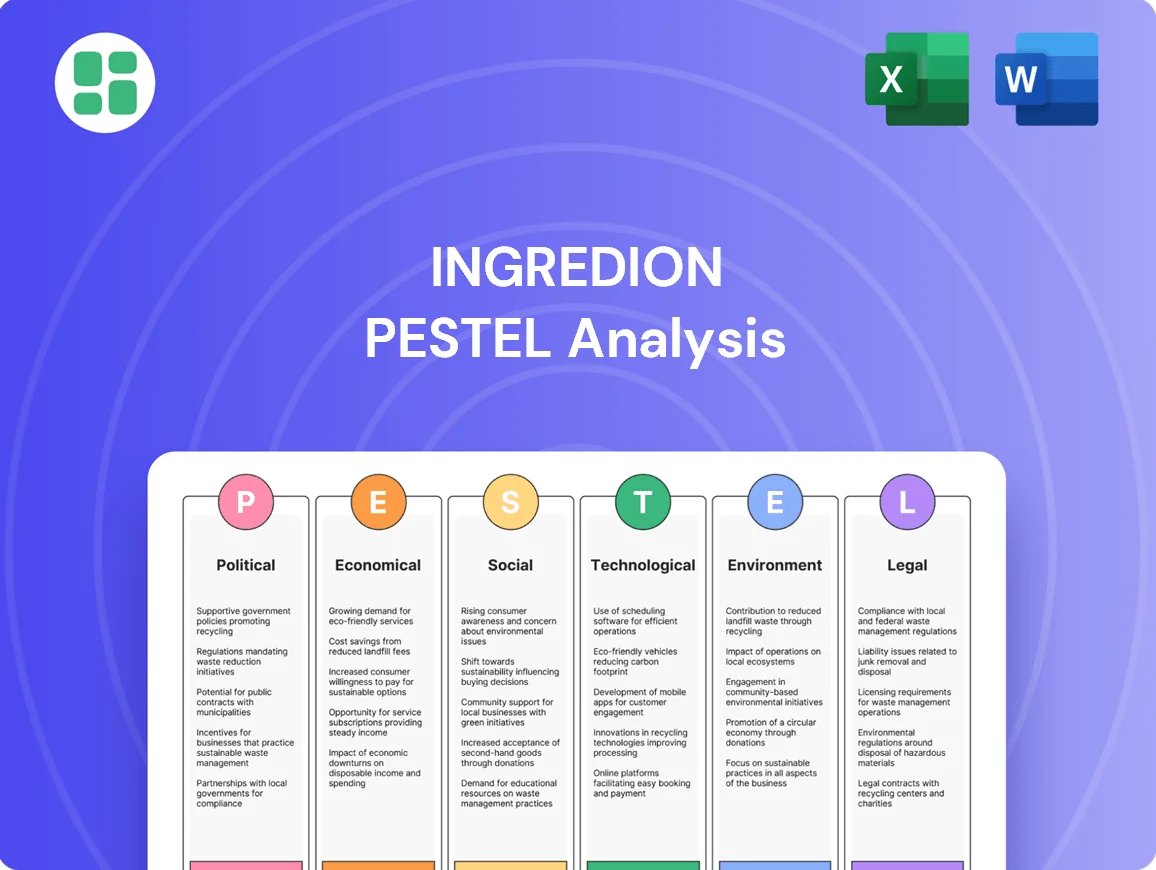
Tong Yang Life Insurance PESTLE Analysis

Your Shortcut to Market Insight Starts Here
Navigate the complex external environment impacting Tong Yang Life Insurance with our comprehensive PESTLE analysis. Understand how political stability, economic fluctuations, and evolving social attitudes are shaping the insurance landscape. Equip yourself with critical insights to anticipate challenges and capitalize on opportunities. Download the full PESTLE analysis now and gain a strategic advantage.
Political factors

Government Regulatory Influence
The South Korean government, primarily through the Financial Services Commission (FSC) and the Financial Supervisory Service (FSS), wields considerable power over the insurance industry. These regulatory bodies establish the operational guidelines and consumer protection standards that companies like Tong Yang Life Insurance must adhere to. For instance, in 2024, the FSC continued to emphasize robust solvency requirements for insurers, aiming to bolster market stability.
Policy Support for Global Expansion
The South Korean government actively supports its domestic insurers' global ambitions. This policy backing, which includes streamlining regulatory processes, is crucial for companies like Tong Yang Life Insurance aiming to expand internationally. For instance, in 2023, the Financial Services Commission (FSC) announced measures to facilitate cross-border M&A for financial institutions, potentially reducing approval times for overseas acquisitions.

Foreign Investment Policy
South Korea's insurance market remains largely open to foreign investment, with policies generally permitting up to 100% foreign direct investment (FDI). This openness is designed to attract international capital and expertise, fostering a more competitive and innovative domestic industry. For Tong Yang Life Insurance, this translates into both potential opportunities for strategic partnerships or acquisitions involving foreign entities, and a dynamic competitive environment shaped by global players.

Acquisition by Woori Financial Group
The acquisition of a majority stake in Tong Yang Life Insurance by Woori Financial Group Inc. in late 2023 represents a significant political-economic shift. This move integrates Tong Yang Life into a larger financial conglomerate, potentially enhancing its financial flexibility and unlocking strategic synergies. The integration aligns Tong Yang Life with Woori Financial Group's broader strategies for the financial sector, aiming for increased stability and growth.
This acquisition is poised to position Tong Yang Life Insurance as a crucial component of Woori Financial Group's non-interest revenue streams. As of the first quarter of 2024, Woori Financial Group reported total assets of approximately 673 trillion Korean won (KRW), underscoring the scale of the integration. This consolidation is expected to bolster Tong Yang Life's market standing and operational capabilities.
- Increased Financial Backing: Woori Financial Group's substantial capital base provides Tong Yang Life with enhanced financial stability and resources for expansion.
- Strategic Synergies: The integration allows for the leveraging of shared resources and expertise, potentially leading to improved operational efficiency and product development.
- Alignment with National Financial Policy: The consolidation aligns with broader governmental aims to strengthen the financial sector through strategic mergers and acquisitions, promoting stability.
- Market Position Enhancement: Becoming part of a major financial group is expected to improve Tong Yang Life's competitive edge and market reach.
ESG Disclosure Roadmap Adjustments
The South Korean government has adjusted its timeline for mandatory ESG disclosures, pushing the requirement for large KOSPI-listed firms from 2025 to after 2026. This means insurers like Tong Yang Life Insurance have more breathing room to align their reporting practices. Voluntary ESG reporting will continue during this interim period, allowing companies to build capacity and refine their strategies.
Despite the delay in the mandatory aspect, the government's commitment to promoting sustainable business practices remains strong. This ongoing emphasis influences corporate decision-making and investment trends within the financial sector. For Tong Yang Life Insurance, this means continuing to integrate ESG considerations into its operations and investment portfolio, even without immediate regulatory compulsion.
- Mandatory ESG Disclosure Postponement: South Korea's initial 2025 deadline for large KOSPI firms is now set for post-2026.
- Interim Voluntary Disclosures: Companies can continue voluntary ESG reporting to prepare for future mandates.
- Sustained Government Push: The overall drive for sustainable business practices remains a key policy direction.
South Korea's Insurance Sector Navigates Regulatory Evolution & Strategic Growth
The South Korean government's regulatory framework, managed by the Financial Services Commission (FSC), continues to shape the insurance landscape. In 2024, the FSC maintained a focus on ensuring adequate solvency margins for insurers, a critical factor for market stability. This regulatory oversight directly impacts how companies like Tong Yang Life Insurance operate and manage their capital.
Government policies also encourage domestic insurers to expand globally, as seen in 2023 when the FSC introduced measures to simplify cross-border mergers and acquisitions for financial institutions. This support aims to reduce bureaucratic hurdles for companies like Tong Yang Life seeking international growth opportunities.
The acquisition of Tong Yang Life Insurance by Woori Financial Group in late 2023 is a significant political-economic development. This integration aligns Tong Yang Life with national financial sector consolidation strategies, enhancing its stability and market position within a larger financial conglomerate.
South Korea's commitment to environmental, social, and governance (ESG) principles is evolving, with the mandatory ESG disclosure deadline for large KOSPI-listed firms, including insurers, now deferred from 2025 to post-2026. While voluntary reporting continues, this shift provides companies like Tong Yang Life more time to adapt their reporting practices to the government's ongoing push for sustainable business.
What is included in the product
 Detailed Word Document
This PESTLE analysis comprehensively examines the Political, Economic, Social, Technological, Environmental, and Legal factors impacting Tong Yang Life Insurance, providing a strategic overview of its external operating landscape.

 Customizable Excel Spreadsheet
Tong Yang Life Insurance's PESTLE analysis offers a clear, summarized version of external factors, relieving the pain of sifting through complex data for easy referencing during meetings or presentations.
Economic factors

Industry Growth and Economic Recovery
The South Korean life insurance sector is poised for a comeback, with projections showing a rebound in 2024 and 2025 following a dip in 2023. This upswing is closely tied to an anticipated economic recovery, which is expected to boost consumer purchasing power and increase demand for Tong Yang Life Insurance's long-term insurance and pension offerings.
A strengthening economy directly benefits companies like Tong Yang Life Insurance by increasing disposable income. This means consumers are more likely to allocate funds towards financial products such as life insurance and retirement plans, driving sales and revenue for the company.
Impact of Interest Rate Fluctuations
Interest rate shifts are a major concern for life insurers like Tong Yang Life Insurance, especially with new accounting rules such as IFRS 17. When rates fall, the value of future payouts on insurance policies, known as liabilities, tends to go up. This, combined with lower earnings from investments, can strain the company's financial strength and capital reserves.
For instance, if benchmark rates like the Bank of Korea's policy rate were to drop by 0.5% in 2024, it could significantly increase the present value of Tong Yang's long-term obligations. This would directly impact its solvency ratios, requiring careful management of its investment portfolio to mitigate the negative effects.
On the flip side, lower interest rates can sometimes be a boon for specific insurance products. In a low-yield environment, products like endowment policies, which offer guaranteed returns, can become more appealing to customers looking for alternatives to low-interest savings accounts. This could potentially boost sales for Tong Yang Life Insurance in certain segments during 2024-2025.

Investment Income Volatility
Investment income is a cornerstone of profitability for insurers like Tong Yang Life Insurance. In 2024, the South Korean insurance industry saw a boost in net income, with a significant portion attributed to enhanced investment returns, indicating a positive trend for the sector.
However, the inherent volatility of financial markets presents a challenge. Fluctuations in investment performance can directly impact an insurer's earnings, creating uncertainty. For instance, unexpected market downturns can erode the value of an insurer's holdings, leading to reduced investment income and potentially affecting financial stability.
Tong Yang Life Insurance's strategic management of its investment portfolio is therefore paramount. Successfully navigating these market swings requires a robust approach to asset allocation and risk management to ensure consistent and stable profits amidst economic uncertainties.

Demand for Pension and Long-Term Products
The economic environment, particularly in South Korea, alongside evolving demographics, is fueling a robust demand for pension and long-term care solutions. As people live longer and become more conscious of securing their financial futures, the appeal of retirement planning and lifelong coverage is growing. This presents a prime opportunity for Tong Yang Life Insurance to capitalize on these expanding market segments.
Several factors underscore this demand:
- Aging Population: South Korea's rapidly aging population, with the proportion of citizens aged 65 and over projected to reach 25.7% by 2025, directly increases the need for long-term care and retirement income.
- Low Interest Rate Environment: Persistent low interest rates make traditional savings less attractive, pushing individuals towards products offering guaranteed returns or long-term growth potential, such as pensions.
- Increased Financial Literacy: Growing awareness of the inadequacy of public pension systems and the importance of private savings is driving uptake of pension and whole-life insurance policies.
Tong Yang Life Insurance is well-positioned to meet this surging demand by enhancing its portfolio of pension and long-term care products, tapping into a market segment poised for sustained growth through 2025 and beyond.
Consumer Spending and Disposable Income
Consumer spending is a critical driver for Tong Yang Life Insurance. In 2023, a period of slower economic growth in South Korea, consumer demand for insurance products experienced a noticeable slowdown. This is because when people feel less secure about their finances, they tend to cut back on non-essential spending, and insurance, especially certain types, can be perceived as such.
However, the outlook for 2024 and into 2025 suggests a potential economic rebound. An improving economy typically translates to increased disposable income for households. As people have more money left over after covering essential expenses, they are more likely to consider investments in life insurance, savings plans, and other financial protection products offered by companies like Tong Yang Life Insurance. This increased financial capacity directly fuels the market for insurance.
Tong Yang Life Insurance's sales performance is intrinsically linked to the broader economic climate and the public's purchasing power. For instance, if disposable income rises, consumers are better positioned to afford the premiums associated with various insurance policies. Conversely, economic downturns that erode disposable income will likely lead to reduced sales volumes for the company.
Key economic indicators to watch for Tong Yang Life Insurance include:
- South Korea's GDP growth rate: Projections for 2024 and 2025 will indicate the overall economic expansion and its potential impact on consumer confidence.
- Household disposable income trends: Data showing increases in disposable income will signal a greater ability for consumers to purchase insurance.
- Consumer confidence indices: Higher confidence levels correlate with increased willingness to spend on financial products.
- Inflation rates: While not directly disposable income, high inflation can erode purchasing power, indirectly affecting spending on insurance.
South Korea's Economic Pulse: Shaping Insurance Sector Fortunes
The South Korean economic landscape is a significant influencer on Tong Yang Life Insurance. Projections for 2024 and 2025 indicate a recovery, which is expected to bolster consumer spending and demand for financial products. A healthy GDP growth rate and rising household disposable income are crucial for increasing insurance penetration and premium volumes.
Interest rate fluctuations directly impact Tong Yang Life Insurance's profitability and solvency, especially under new accounting standards like IFRS 17. Lower rates can increase liability values and reduce investment yields, while higher rates can make certain products more attractive to consumers. The Bank of Korea's policy rate movements in 2024-2025 will be closely monitored.
Investment income is a vital profit driver for insurers. The South Korean insurance sector saw improved net income in 2024, partly due to better investment returns, suggesting a positive trend. However, market volatility remains a risk, necessitating robust asset management to ensure stable earnings.
| Economic Indicator | 2023 (Actual/Estimate) | 2024 (Projection) | 2025 (Projection) |
|---|---|---|---|
| South Korea GDP Growth (%) | 1.4 | 2.2 | 2.3 |
| Household Disposable Income Growth (%) | 1.1 | 1.8 | 2.0 |
| Bank of Korea Policy Rate (%) | 3.50 | 3.50 - 3.75 | 3.50 - 3.75 |
Full Version Awaits
Tong Yang Life Insurance PESTLE Analysis
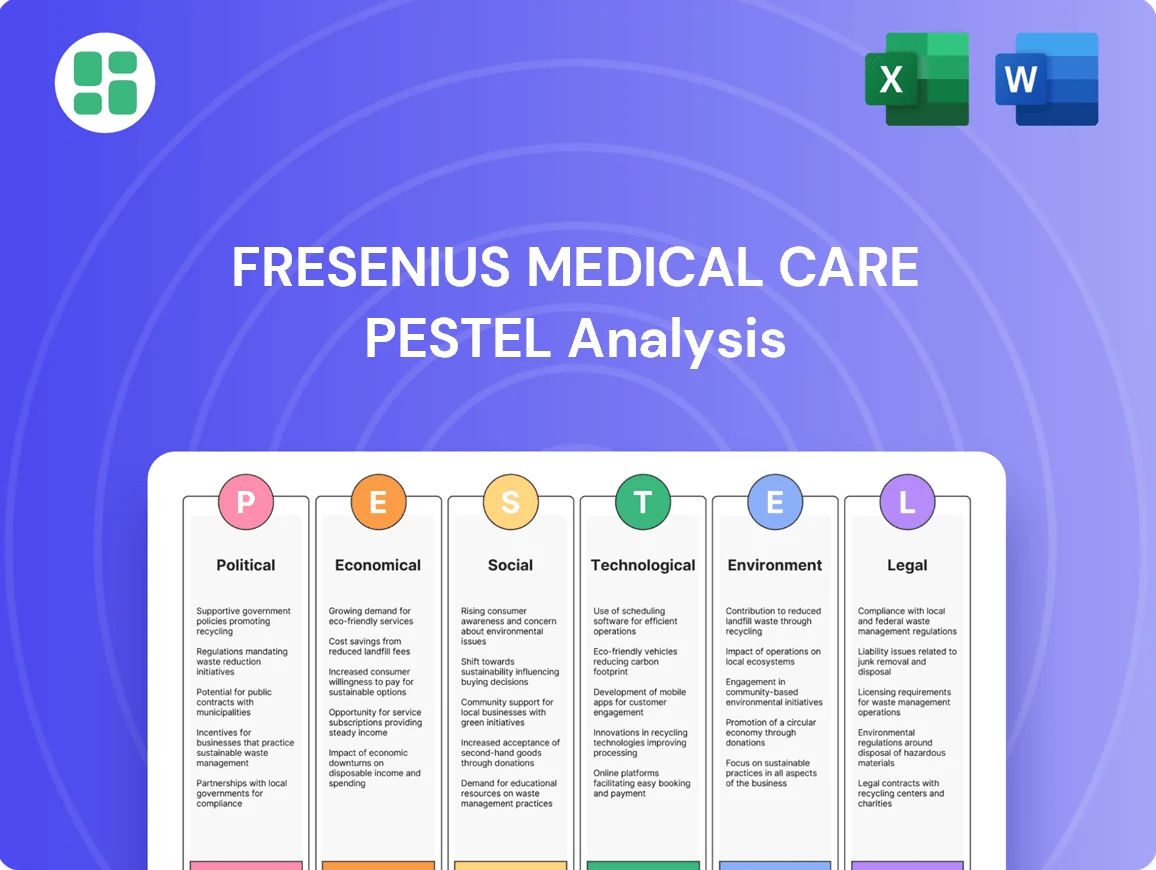
The preview shown here is the exact document you’ll receive after purchase—fully formatted and ready to use. This comprehensive PESTLE analysis of Tong Yang Life Insurance breaks down the Political, Economic, Social, Technological, Legal, and Environmental factors impacting its operations. Gain immediate access to this detailed report upon purchase.

Product Information
Product Information
Shipping & Returns
Shipping & Returns

Tong Yang Life Insurance PESTLE Analysis
Tong Yang Life Insurance PESTLE Analysis
Your Shortcut to Market Insight Starts Here
Navigate the complex external environment impacting Tong Yang Life Insurance with our comprehensive PESTLE analysis. Understand how political stability, economic fluctuations, and evolving social attitudes are shaping the insurance landscape. Equip yourself with critical insights to anticipate challenges and capitalize on opportunities. Download the full PESTLE analysis now and gain a strategic advantage.
Political factors
Government Regulatory Influence
The South Korean government, primarily through the Financial Services Commission (FSC) and the Financial Supervisory Service (FSS), wields considerable power over the insurance industry. These regulatory bodies establish the operational guidelines and consumer protection standards that companies like Tong Yang Life Insurance must adhere to. For instance, in 2024, the FSC continued to emphasize robust solvency requirements for insurers, aiming to bolster market stability.
Policy Support for Global Expansion
The South Korean government actively supports its domestic insurers' global ambitions. This policy backing, which includes streamlining regulatory processes, is crucial for companies like Tong Yang Life Insurance aiming to expand internationally. For instance, in 2023, the Financial Services Commission (FSC) announced measures to facilitate cross-border M&A for financial institutions, potentially reducing approval times for overseas acquisitions.
Foreign Investment Policy
South Korea's insurance market remains largely open to foreign investment, with policies generally permitting up to 100% foreign direct investment (FDI). This openness is designed to attract international capital and expertise, fostering a more competitive and innovative domestic industry. For Tong Yang Life Insurance, this translates into both potential opportunities for strategic partnerships or acquisitions involving foreign entities, and a dynamic competitive environment shaped by global players.
Acquisition by Woori Financial Group
The acquisition of a majority stake in Tong Yang Life Insurance by Woori Financial Group Inc. in late 2023 represents a significant political-economic shift. This move integrates Tong Yang Life into a larger financial conglomerate, potentially enhancing its financial flexibility and unlocking strategic synergies. The integration aligns Tong Yang Life with Woori Financial Group's broader strategies for the financial sector, aiming for increased stability and growth.
This acquisition is poised to position Tong Yang Life Insurance as a crucial component of Woori Financial Group's non-interest revenue streams. As of the first quarter of 2024, Woori Financial Group reported total assets of approximately 673 trillion Korean won (KRW), underscoring the scale of the integration. This consolidation is expected to bolster Tong Yang Life's market standing and operational capabilities.
- Increased Financial Backing: Woori Financial Group's substantial capital base provides Tong Yang Life with enhanced financial stability and resources for expansion.
- Strategic Synergies: The integration allows for the leveraging of shared resources and expertise, potentially leading to improved operational efficiency and product development.
- Alignment with National Financial Policy: The consolidation aligns with broader governmental aims to strengthen the financial sector through strategic mergers and acquisitions, promoting stability.
- Market Position Enhancement: Becoming part of a major financial group is expected to improve Tong Yang Life's competitive edge and market reach.
ESG Disclosure Roadmap Adjustments
The South Korean government has adjusted its timeline for mandatory ESG disclosures, pushing the requirement for large KOSPI-listed firms from 2025 to after 2026. This means insurers like Tong Yang Life Insurance have more breathing room to align their reporting practices. Voluntary ESG reporting will continue during this interim period, allowing companies to build capacity and refine their strategies.
Despite the delay in the mandatory aspect, the government's commitment to promoting sustainable business practices remains strong. This ongoing emphasis influences corporate decision-making and investment trends within the financial sector. For Tong Yang Life Insurance, this means continuing to integrate ESG considerations into its operations and investment portfolio, even without immediate regulatory compulsion.
- Mandatory ESG Disclosure Postponement: South Korea's initial 2025 deadline for large KOSPI firms is now set for post-2026.
- Interim Voluntary Disclosures: Companies can continue voluntary ESG reporting to prepare for future mandates.
- Sustained Government Push: The overall drive for sustainable business practices remains a key policy direction.
South Korea's Insurance Sector Navigates Regulatory Evolution & Strategic Growth
The South Korean government's regulatory framework, managed by the Financial Services Commission (FSC), continues to shape the insurance landscape. In 2024, the FSC maintained a focus on ensuring adequate solvency margins for insurers, a critical factor for market stability. This regulatory oversight directly impacts how companies like Tong Yang Life Insurance operate and manage their capital.
Government policies also encourage domestic insurers to expand globally, as seen in 2023 when the FSC introduced measures to simplify cross-border mergers and acquisitions for financial institutions. This support aims to reduce bureaucratic hurdles for companies like Tong Yang Life seeking international growth opportunities.
The acquisition of Tong Yang Life Insurance by Woori Financial Group in late 2023 is a significant political-economic development. This integration aligns Tong Yang Life with national financial sector consolidation strategies, enhancing its stability and market position within a larger financial conglomerate.
South Korea's commitment to environmental, social, and governance (ESG) principles is evolving, with the mandatory ESG disclosure deadline for large KOSPI-listed firms, including insurers, now deferred from 2025 to post-2026. While voluntary reporting continues, this shift provides companies like Tong Yang Life more time to adapt their reporting practices to the government's ongoing push for sustainable business.
What is included in the product
Detailed Word Document
This PESTLE analysis comprehensively examines the Political, Economic, Social, Technological, Environmental, and Legal factors impacting Tong Yang Life Insurance, providing a strategic overview of its external operating landscape.
Customizable Excel Spreadsheet
Tong Yang Life Insurance's PESTLE analysis offers a clear, summarized version of external factors, relieving the pain of sifting through complex data for easy referencing during meetings or presentations.
Economic factors
Industry Growth and Economic Recovery
The South Korean life insurance sector is poised for a comeback, with projections showing a rebound in 2024 and 2025 following a dip in 2023. This upswing is closely tied to an anticipated economic recovery, which is expected to boost consumer purchasing power and increase demand for Tong Yang Life Insurance's long-term insurance and pension offerings.
A strengthening economy directly benefits companies like Tong Yang Life Insurance by increasing disposable income. This means consumers are more likely to allocate funds towards financial products such as life insurance and retirement plans, driving sales and revenue for the company.
Impact of Interest Rate Fluctuations
Interest rate shifts are a major concern for life insurers like Tong Yang Life Insurance, especially with new accounting rules such as IFRS 17. When rates fall, the value of future payouts on insurance policies, known as liabilities, tends to go up. This, combined with lower earnings from investments, can strain the company's financial strength and capital reserves.
For instance, if benchmark rates like the Bank of Korea's policy rate were to drop by 0.5% in 2024, it could significantly increase the present value of Tong Yang's long-term obligations. This would directly impact its solvency ratios, requiring careful management of its investment portfolio to mitigate the negative effects.
On the flip side, lower interest rates can sometimes be a boon for specific insurance products. In a low-yield environment, products like endowment policies, which offer guaranteed returns, can become more appealing to customers looking for alternatives to low-interest savings accounts. This could potentially boost sales for Tong Yang Life Insurance in certain segments during 2024-2025.
Investment Income Volatility
Investment income is a cornerstone of profitability for insurers like Tong Yang Life Insurance. In 2024, the South Korean insurance industry saw a boost in net income, with a significant portion attributed to enhanced investment returns, indicating a positive trend for the sector.
However, the inherent volatility of financial markets presents a challenge. Fluctuations in investment performance can directly impact an insurer's earnings, creating uncertainty. For instance, unexpected market downturns can erode the value of an insurer's holdings, leading to reduced investment income and potentially affecting financial stability.
Tong Yang Life Insurance's strategic management of its investment portfolio is therefore paramount. Successfully navigating these market swings requires a robust approach to asset allocation and risk management to ensure consistent and stable profits amidst economic uncertainties.
Demand for Pension and Long-Term Products
The economic environment, particularly in South Korea, alongside evolving demographics, is fueling a robust demand for pension and long-term care solutions. As people live longer and become more conscious of securing their financial futures, the appeal of retirement planning and lifelong coverage is growing. This presents a prime opportunity for Tong Yang Life Insurance to capitalize on these expanding market segments.
Several factors underscore this demand:
- Aging Population: South Korea's rapidly aging population, with the proportion of citizens aged 65 and over projected to reach 25.7% by 2025, directly increases the need for long-term care and retirement income.
- Low Interest Rate Environment: Persistent low interest rates make traditional savings less attractive, pushing individuals towards products offering guaranteed returns or long-term growth potential, such as pensions.
- Increased Financial Literacy: Growing awareness of the inadequacy of public pension systems and the importance of private savings is driving uptake of pension and whole-life insurance policies.
Tong Yang Life Insurance is well-positioned to meet this surging demand by enhancing its portfolio of pension and long-term care products, tapping into a market segment poised for sustained growth through 2025 and beyond.
Consumer Spending and Disposable Income
Consumer spending is a critical driver for Tong Yang Life Insurance. In 2023, a period of slower economic growth in South Korea, consumer demand for insurance products experienced a noticeable slowdown. This is because when people feel less secure about their finances, they tend to cut back on non-essential spending, and insurance, especially certain types, can be perceived as such.
However, the outlook for 2024 and into 2025 suggests a potential economic rebound. An improving economy typically translates to increased disposable income for households. As people have more money left over after covering essential expenses, they are more likely to consider investments in life insurance, savings plans, and other financial protection products offered by companies like Tong Yang Life Insurance. This increased financial capacity directly fuels the market for insurance.
Tong Yang Life Insurance's sales performance is intrinsically linked to the broader economic climate and the public's purchasing power. For instance, if disposable income rises, consumers are better positioned to afford the premiums associated with various insurance policies. Conversely, economic downturns that erode disposable income will likely lead to reduced sales volumes for the company.
Key economic indicators to watch for Tong Yang Life Insurance include:
- South Korea's GDP growth rate: Projections for 2024 and 2025 will indicate the overall economic expansion and its potential impact on consumer confidence.
- Household disposable income trends: Data showing increases in disposable income will signal a greater ability for consumers to purchase insurance.
- Consumer confidence indices: Higher confidence levels correlate with increased willingness to spend on financial products.
- Inflation rates: While not directly disposable income, high inflation can erode purchasing power, indirectly affecting spending on insurance.
South Korea's Economic Pulse: Shaping Insurance Sector Fortunes
The South Korean economic landscape is a significant influencer on Tong Yang Life Insurance. Projections for 2024 and 2025 indicate a recovery, which is expected to bolster consumer spending and demand for financial products. A healthy GDP growth rate and rising household disposable income are crucial for increasing insurance penetration and premium volumes.
Interest rate fluctuations directly impact Tong Yang Life Insurance's profitability and solvency, especially under new accounting standards like IFRS 17. Lower rates can increase liability values and reduce investment yields, while higher rates can make certain products more attractive to consumers. The Bank of Korea's policy rate movements in 2024-2025 will be closely monitored.
Investment income is a vital profit driver for insurers. The South Korean insurance sector saw improved net income in 2024, partly due to better investment returns, suggesting a positive trend. However, market volatility remains a risk, necessitating robust asset management to ensure stable earnings.
| Economic Indicator | 2023 (Actual/Estimate) | 2024 (Projection) | 2025 (Projection) |
|---|---|---|---|
| South Korea GDP Growth (%) | 1.4 | 2.2 | 2.3 |
| Household Disposable Income Growth (%) | 1.1 | 1.8 | 2.0 |
| Bank of Korea Policy Rate (%) | 3.50 | 3.50 - 3.75 | 3.50 - 3.75 |
Full Version Awaits
Tong Yang Life Insurance PESTLE Analysis
The preview shown here is the exact document you’ll receive after purchase—fully formatted and ready to use. This comprehensive PESTLE analysis of Tong Yang Life Insurance breaks down the Political, Economic, Social, Technological, Legal, and Environmental factors impacting its operations. Gain immediate access to this detailed report upon purchase.
Product Information
Product Information
Shipping & Returns
Shipping & Returns
Description
Your Shortcut to Market Insight Starts Here
Navigate the complex external environment impacting Tong Yang Life Insurance with our comprehensive PESTLE analysis. Understand how political stability, economic fluctuations, and evolving social attitudes are shaping the insurance landscape. Equip yourself with critical insights to anticipate challenges and capitalize on opportunities. Download the full PESTLE analysis now and gain a strategic advantage.
Political factors
Government Regulatory Influence
The South Korean government, primarily through the Financial Services Commission (FSC) and the Financial Supervisory Service (FSS), wields considerable power over the insurance industry. These regulatory bodies establish the operational guidelines and consumer protection standards that companies like Tong Yang Life Insurance must adhere to. For instance, in 2024, the FSC continued to emphasize robust solvency requirements for insurers, aiming to bolster market stability.
Policy Support for Global Expansion
The South Korean government actively supports its domestic insurers' global ambitions. This policy backing, which includes streamlining regulatory processes, is crucial for companies like Tong Yang Life Insurance aiming to expand internationally. For instance, in 2023, the Financial Services Commission (FSC) announced measures to facilitate cross-border M&A for financial institutions, potentially reducing approval times for overseas acquisitions.
Foreign Investment Policy
South Korea's insurance market remains largely open to foreign investment, with policies generally permitting up to 100% foreign direct investment (FDI). This openness is designed to attract international capital and expertise, fostering a more competitive and innovative domestic industry. For Tong Yang Life Insurance, this translates into both potential opportunities for strategic partnerships or acquisitions involving foreign entities, and a dynamic competitive environment shaped by global players.
Acquisition by Woori Financial Group
The acquisition of a majority stake in Tong Yang Life Insurance by Woori Financial Group Inc. in late 2023 represents a significant political-economic shift. This move integrates Tong Yang Life into a larger financial conglomerate, potentially enhancing its financial flexibility and unlocking strategic synergies. The integration aligns Tong Yang Life with Woori Financial Group's broader strategies for the financial sector, aiming for increased stability and growth.
This acquisition is poised to position Tong Yang Life Insurance as a crucial component of Woori Financial Group's non-interest revenue streams. As of the first quarter of 2024, Woori Financial Group reported total assets of approximately 673 trillion Korean won (KRW), underscoring the scale of the integration. This consolidation is expected to bolster Tong Yang Life's market standing and operational capabilities.
- Increased Financial Backing: Woori Financial Group's substantial capital base provides Tong Yang Life with enhanced financial stability and resources for expansion.
- Strategic Synergies: The integration allows for the leveraging of shared resources and expertise, potentially leading to improved operational efficiency and product development.
- Alignment with National Financial Policy: The consolidation aligns with broader governmental aims to strengthen the financial sector through strategic mergers and acquisitions, promoting stability.
- Market Position Enhancement: Becoming part of a major financial group is expected to improve Tong Yang Life's competitive edge and market reach.
ESG Disclosure Roadmap Adjustments
The South Korean government has adjusted its timeline for mandatory ESG disclosures, pushing the requirement for large KOSPI-listed firms from 2025 to after 2026. This means insurers like Tong Yang Life Insurance have more breathing room to align their reporting practices. Voluntary ESG reporting will continue during this interim period, allowing companies to build capacity and refine their strategies.
Despite the delay in the mandatory aspect, the government's commitment to promoting sustainable business practices remains strong. This ongoing emphasis influences corporate decision-making and investment trends within the financial sector. For Tong Yang Life Insurance, this means continuing to integrate ESG considerations into its operations and investment portfolio, even without immediate regulatory compulsion.
- Mandatory ESG Disclosure Postponement: South Korea's initial 2025 deadline for large KOSPI firms is now set for post-2026.
- Interim Voluntary Disclosures: Companies can continue voluntary ESG reporting to prepare for future mandates.
- Sustained Government Push: The overall drive for sustainable business practices remains a key policy direction.
South Korea's Insurance Sector Navigates Regulatory Evolution & Strategic Growth
The South Korean government's regulatory framework, managed by the Financial Services Commission (FSC), continues to shape the insurance landscape. In 2024, the FSC maintained a focus on ensuring adequate solvency margins for insurers, a critical factor for market stability. This regulatory oversight directly impacts how companies like Tong Yang Life Insurance operate and manage their capital.
Government policies also encourage domestic insurers to expand globally, as seen in 2023 when the FSC introduced measures to simplify cross-border mergers and acquisitions for financial institutions. This support aims to reduce bureaucratic hurdles for companies like Tong Yang Life seeking international growth opportunities.
The acquisition of Tong Yang Life Insurance by Woori Financial Group in late 2023 is a significant political-economic development. This integration aligns Tong Yang Life with national financial sector consolidation strategies, enhancing its stability and market position within a larger financial conglomerate.
South Korea's commitment to environmental, social, and governance (ESG) principles is evolving, with the mandatory ESG disclosure deadline for large KOSPI-listed firms, including insurers, now deferred from 2025 to post-2026. While voluntary reporting continues, this shift provides companies like Tong Yang Life more time to adapt their reporting practices to the government's ongoing push for sustainable business.
What is included in the product
Detailed Word Document
This PESTLE analysis comprehensively examines the Political, Economic, Social, Technological, Environmental, and Legal factors impacting Tong Yang Life Insurance, providing a strategic overview of its external operating landscape.
Customizable Excel Spreadsheet
Tong Yang Life Insurance's PESTLE analysis offers a clear, summarized version of external factors, relieving the pain of sifting through complex data for easy referencing during meetings or presentations.
Economic factors
Industry Growth and Economic Recovery
The South Korean life insurance sector is poised for a comeback, with projections showing a rebound in 2024 and 2025 following a dip in 2023. This upswing is closely tied to an anticipated economic recovery, which is expected to boost consumer purchasing power and increase demand for Tong Yang Life Insurance's long-term insurance and pension offerings.
A strengthening economy directly benefits companies like Tong Yang Life Insurance by increasing disposable income. This means consumers are more likely to allocate funds towards financial products such as life insurance and retirement plans, driving sales and revenue for the company.
Impact of Interest Rate Fluctuations
Interest rate shifts are a major concern for life insurers like Tong Yang Life Insurance, especially with new accounting rules such as IFRS 17. When rates fall, the value of future payouts on insurance policies, known as liabilities, tends to go up. This, combined with lower earnings from investments, can strain the company's financial strength and capital reserves.
For instance, if benchmark rates like the Bank of Korea's policy rate were to drop by 0.5% in 2024, it could significantly increase the present value of Tong Yang's long-term obligations. This would directly impact its solvency ratios, requiring careful management of its investment portfolio to mitigate the negative effects.
On the flip side, lower interest rates can sometimes be a boon for specific insurance products. In a low-yield environment, products like endowment policies, which offer guaranteed returns, can become more appealing to customers looking for alternatives to low-interest savings accounts. This could potentially boost sales for Tong Yang Life Insurance in certain segments during 2024-2025.
Investment Income Volatility
Investment income is a cornerstone of profitability for insurers like Tong Yang Life Insurance. In 2024, the South Korean insurance industry saw a boost in net income, with a significant portion attributed to enhanced investment returns, indicating a positive trend for the sector.
However, the inherent volatility of financial markets presents a challenge. Fluctuations in investment performance can directly impact an insurer's earnings, creating uncertainty. For instance, unexpected market downturns can erode the value of an insurer's holdings, leading to reduced investment income and potentially affecting financial stability.
Tong Yang Life Insurance's strategic management of its investment portfolio is therefore paramount. Successfully navigating these market swings requires a robust approach to asset allocation and risk management to ensure consistent and stable profits amidst economic uncertainties.
Demand for Pension and Long-Term Products
The economic environment, particularly in South Korea, alongside evolving demographics, is fueling a robust demand for pension and long-term care solutions. As people live longer and become more conscious of securing their financial futures, the appeal of retirement planning and lifelong coverage is growing. This presents a prime opportunity for Tong Yang Life Insurance to capitalize on these expanding market segments.
Several factors underscore this demand:
- Aging Population: South Korea's rapidly aging population, with the proportion of citizens aged 65 and over projected to reach 25.7% by 2025, directly increases the need for long-term care and retirement income.
- Low Interest Rate Environment: Persistent low interest rates make traditional savings less attractive, pushing individuals towards products offering guaranteed returns or long-term growth potential, such as pensions.
- Increased Financial Literacy: Growing awareness of the inadequacy of public pension systems and the importance of private savings is driving uptake of pension and whole-life insurance policies.
Tong Yang Life Insurance is well-positioned to meet this surging demand by enhancing its portfolio of pension and long-term care products, tapping into a market segment poised for sustained growth through 2025 and beyond.
Consumer Spending and Disposable Income
Consumer spending is a critical driver for Tong Yang Life Insurance. In 2023, a period of slower economic growth in South Korea, consumer demand for insurance products experienced a noticeable slowdown. This is because when people feel less secure about their finances, they tend to cut back on non-essential spending, and insurance, especially certain types, can be perceived as such.
However, the outlook for 2024 and into 2025 suggests a potential economic rebound. An improving economy typically translates to increased disposable income for households. As people have more money left over after covering essential expenses, they are more likely to consider investments in life insurance, savings plans, and other financial protection products offered by companies like Tong Yang Life Insurance. This increased financial capacity directly fuels the market for insurance.
Tong Yang Life Insurance's sales performance is intrinsically linked to the broader economic climate and the public's purchasing power. For instance, if disposable income rises, consumers are better positioned to afford the premiums associated with various insurance policies. Conversely, economic downturns that erode disposable income will likely lead to reduced sales volumes for the company.
Key economic indicators to watch for Tong Yang Life Insurance include:
- South Korea's GDP growth rate: Projections for 2024 and 2025 will indicate the overall economic expansion and its potential impact on consumer confidence.
- Household disposable income trends: Data showing increases in disposable income will signal a greater ability for consumers to purchase insurance.
- Consumer confidence indices: Higher confidence levels correlate with increased willingness to spend on financial products.
- Inflation rates: While not directly disposable income, high inflation can erode purchasing power, indirectly affecting spending on insurance.
South Korea's Economic Pulse: Shaping Insurance Sector Fortunes
The South Korean economic landscape is a significant influencer on Tong Yang Life Insurance. Projections for 2024 and 2025 indicate a recovery, which is expected to bolster consumer spending and demand for financial products. A healthy GDP growth rate and rising household disposable income are crucial for increasing insurance penetration and premium volumes.
Interest rate fluctuations directly impact Tong Yang Life Insurance's profitability and solvency, especially under new accounting standards like IFRS 17. Lower rates can increase liability values and reduce investment yields, while higher rates can make certain products more attractive to consumers. The Bank of Korea's policy rate movements in 2024-2025 will be closely monitored.
Investment income is a vital profit driver for insurers. The South Korean insurance sector saw improved net income in 2024, partly due to better investment returns, suggesting a positive trend. However, market volatility remains a risk, necessitating robust asset management to ensure stable earnings.
| Economic Indicator | 2023 (Actual/Estimate) | 2024 (Projection) | 2025 (Projection) |
|---|---|---|---|
| South Korea GDP Growth (%) | 1.4 | 2.2 | 2.3 |
| Household Disposable Income Growth (%) | 1.1 | 1.8 | 2.0 |
| Bank of Korea Policy Rate (%) | 3.50 | 3.50 - 3.75 | 3.50 - 3.75 |
Full Version Awaits
Tong Yang Life Insurance PESTLE Analysis
The preview shown here is the exact document you’ll receive after purchase—fully formatted and ready to use. This comprehensive PESTLE analysis of Tong Yang Life Insurance breaks down the Political, Economic, Social, Technological, Legal, and Environmental factors impacting its operations. Gain immediate access to this detailed report upon purchase.