IHH Healthcare PESTLE Analysis

Make Smarter Strategic Decisions with a Complete PESTEL View
Navigate the complex global landscape affecting IHH Healthcare. Our PESTLE analysis dissects the political, economic, social, technological, legal, and environmental factors shaping its trajectory. Gain a crucial understanding of these external forces to inform your strategic decisions and identify potential opportunities or threats. Download the full analysis now for actionable intelligence.
Political factors

Government Healthcare Policies and Reforms
Government healthcare policies are a major driver for IHH Healthcare. Initiatives like Singapore's 'Healthier SG' push for preventive care, prompting IHH to bolster its out-of-hospital services. This strategic shift aligns with a broader trend of governments focusing on wellness rather than just treatment.
Increased government healthcare spending in key markets like Malaysia and Turkey offers significant growth avenues for private players such as IHH. For example, Malaysia's healthcare expenditure grew by an estimated 7.5% in 2024, reaching approximately RM 35 billion, signaling a positive environment for expanding private healthcare capacity.
Political Stability in Operating Regions
Political stability across IHH Healthcare's diverse operating regions, spanning Asia and Europe, is a critical determinant of its ongoing business success and future growth initiatives. Regions experiencing political upheaval or frequent policy shifts can introduce significant regulatory uncertainty and potential disruptions to healthcare service delivery, directly impacting IHH's market penetration and financial performance.
For instance, in 2024, IHH's presence in markets like Malaysia, Singapore, and Turkey means it must continually monitor and adapt to evolving governmental healthcare policies and economic development plans. The company's strategy involves localized approaches to navigate these varying political landscapes, ensuring continued access and operational efficiency.

Healthcare Accessibility and Affordability Initiatives
Governments across IHH Healthcare's operating regions are prioritizing healthcare accessibility and affordability. This focus often translates into potential pricing regulations or the development of public-private partnerships, impacting how healthcare services are delivered and financed. For instance, in Malaysia, the government's Health White Paper aims to reform the healthcare system, potentially influencing private sector involvement and pricing structures.
IHH Healthcare is proactively aligning with these national health objectives by embracing value-based care models. This strategic shift supports government efforts to manage rising healthcare expenditures and enhance patient outcomes. By focusing on value, IHH aims to demonstrate cost-effectiveness and improved quality of care, which is increasingly a benchmark for public and private healthcare collaborations.

International Medical Tourism Policies
Policies governing medical tourism in key IHH Healthcare markets like Singapore and Malaysia significantly influence its international patient revenue. For instance, Singapore's government has actively promoted medical tourism, aiming to attract a substantial share of the global market. In 2023, Singapore's healthcare sector, buoyed by medical tourism, saw continued growth, with medical tourism receipts contributing significantly to the nation's economy, though specific figures for IHH's direct benefit are proprietary.
Favorable government initiatives, such as streamlined visa processes and investment in advanced medical infrastructure, directly benefit IHH's specialized tertiary care services by increasing patient inflow. Malaysia also actively supports medical tourism, with initiatives aimed at enhancing its appeal as a destination for quality and affordable healthcare. These policies are crucial for IHH's strategy to attract and retain foreign patients seeking specialized treatments.
Conversely, any shift towards restrictive policies, such as increased visa complexities or new taxation on medical tourism services, could negatively impact patient volume and IHH's revenue streams. Geopolitical tensions or global health crises can also disrupt international travel, directly affecting the number of foreign patients seeking treatment at IHH facilities.
- Government Support: Policies promoting medical tourism in Singapore and Malaysia boost IHH Healthcare's international patient numbers.
- Revenue Impact: Favorable policies enhance revenue from specialized tertiary care services, while restrictive ones can reduce patient flow.
- Geopolitical Sensitivity: International patient volume is susceptible to global health events and geopolitical stability.
Regulatory Oversight and Compliance
Government scrutiny in healthcare is intensifying, with a focus on quality of care, patient safety, and operational standards. This requires IHH Healthcare to maintain robust compliance frameworks across its diverse markets. Failure to adhere to these evolving regulations in 2024 and beyond could lead to significant penalties and damage its reputation.
IHH Healthcare actively addresses these challenges. For instance, the company held a dedicated Risk and Compliance Forum in 2024, underscoring its commitment to strengthening governance and ensuring adherence to regulatory requirements across its global operations. This proactive approach is vital for maintaining its standing as a trusted healthcare provider.
- Increased Regulatory Scrutiny: Healthcare sectors globally are experiencing heightened government oversight.
- Focus Areas: Key concerns include quality of care, patient safety, and adherence to operational standards.
- Compliance Imperative: Robust frameworks are essential for IHH to navigate these evolving regulations.
- Risk Mitigation: The 2024 Risk and Compliance Forum highlights IHH's focus on governance and regulatory adherence.
Government Policies Drive Healthcare Evolution
Government healthcare policies significantly shape IHH Healthcare's operational landscape, influencing everything from service delivery to revenue streams. For example, Singapore's 'Healthier SG' initiative, promoting preventive care, drives IHH to expand its out-of-hospital services, aligning with national health priorities.
Increased government healthcare spending in markets like Malaysia, where expenditure was projected to reach approximately RM 35 billion in 2024, presents growth opportunities for private providers. IHH's strategy involves adapting to diverse political landscapes and evolving healthcare reforms, such as Malaysia's Health White Paper, which aims to reshape the sector.
Policies supporting medical tourism, a key revenue driver for IHH in Singapore and Malaysia, are crucial. While specific figures for IHH's benefit are proprietary, Singapore's continued promotion of medical tourism in 2023, contributing significantly to its economy, underscores the positive impact of such government backing.
Heightened government scrutiny on quality of care and patient safety necessitates robust compliance frameworks. IHH's 2024 Risk and Compliance Forum demonstrates a commitment to navigating these evolving regulations and maintaining operational integrity across its global network.
| Factor | Impact on IHH Healthcare | Supporting Data/Example |
|---|---|---|
| Government Health Policies | Drives expansion into preventive and out-of-hospital services. | Singapore's 'Healthier SG' initiative. |
| Healthcare Spending | Creates growth opportunities in key markets. | Malaysia's projected RM 35 billion healthcare expenditure in 2024. |
| Medical Tourism Policies | Boosts international patient revenue and specialized care demand. | Singapore's continued promotion of medical tourism in 2023. |
| Regulatory Scrutiny | Requires strong compliance and governance. | IHH's 2024 Risk and Compliance Forum. |
What is included in the product
 Detailed Word Document
This PESTLE analysis provides a comprehensive examination of the external macro-environmental factors impacting IHH Healthcare, covering Political, Economic, Social, Technological, Environmental, and Legal dimensions.
It offers actionable insights for strategic decision-making by identifying key opportunities and threats within IHH Healthcare's operating landscape.

 Customizable Excel Spreadsheet
A clear, actionable PESTLE analysis for IHH Healthcare, transforming complex external factors into easily digestible insights for strategic decision-making.
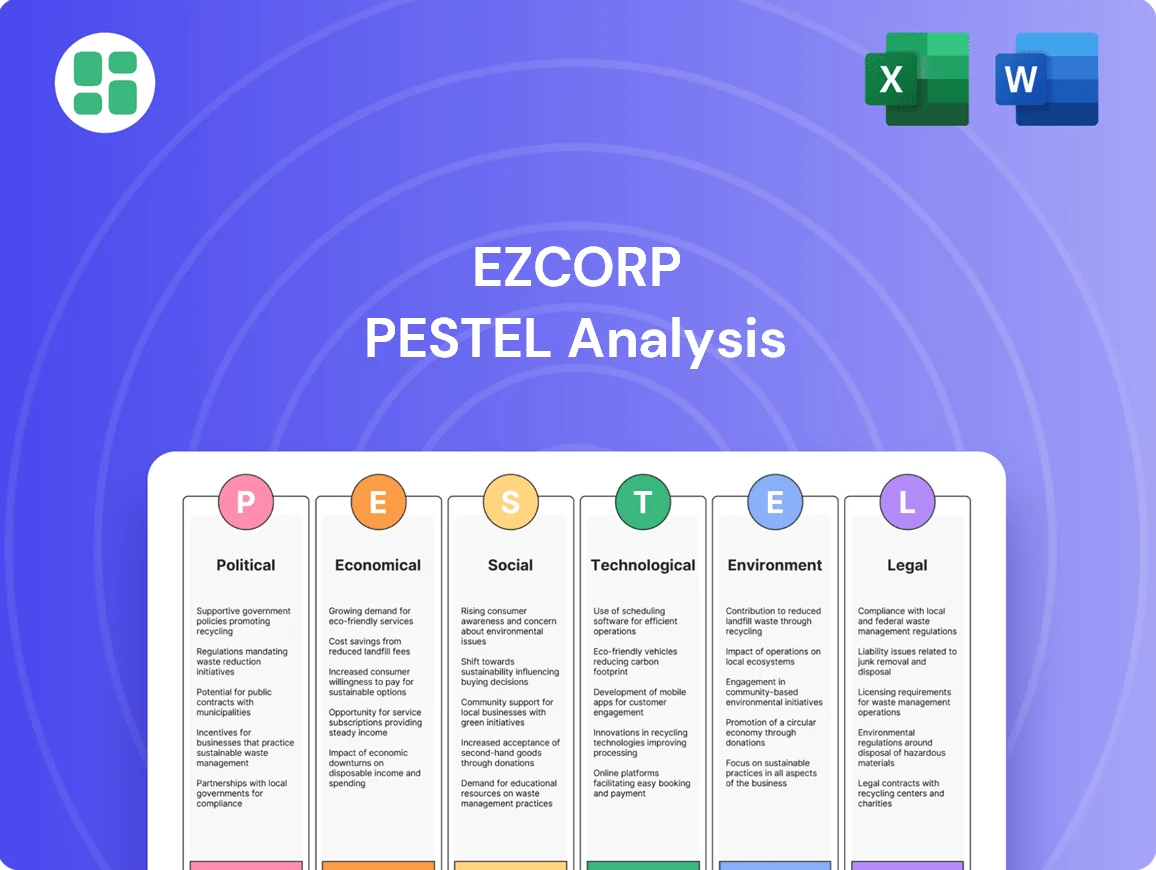
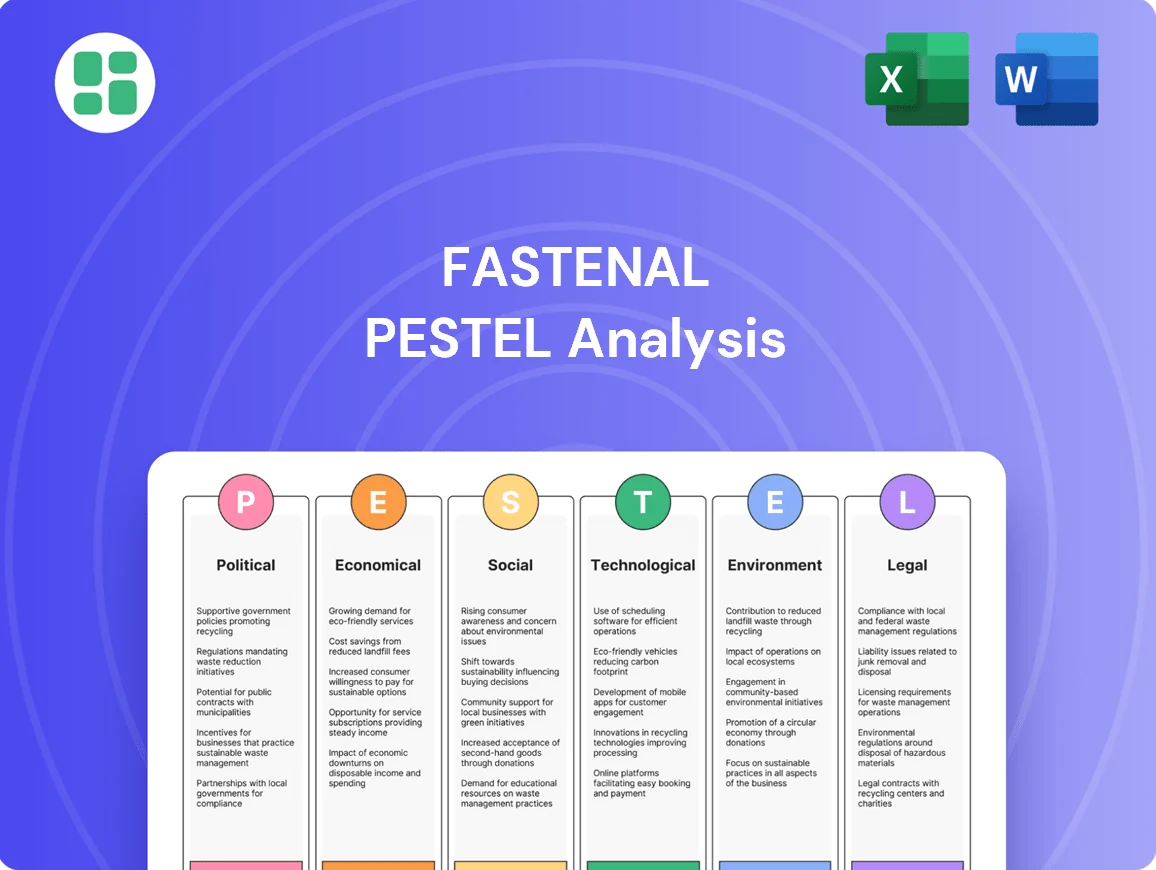
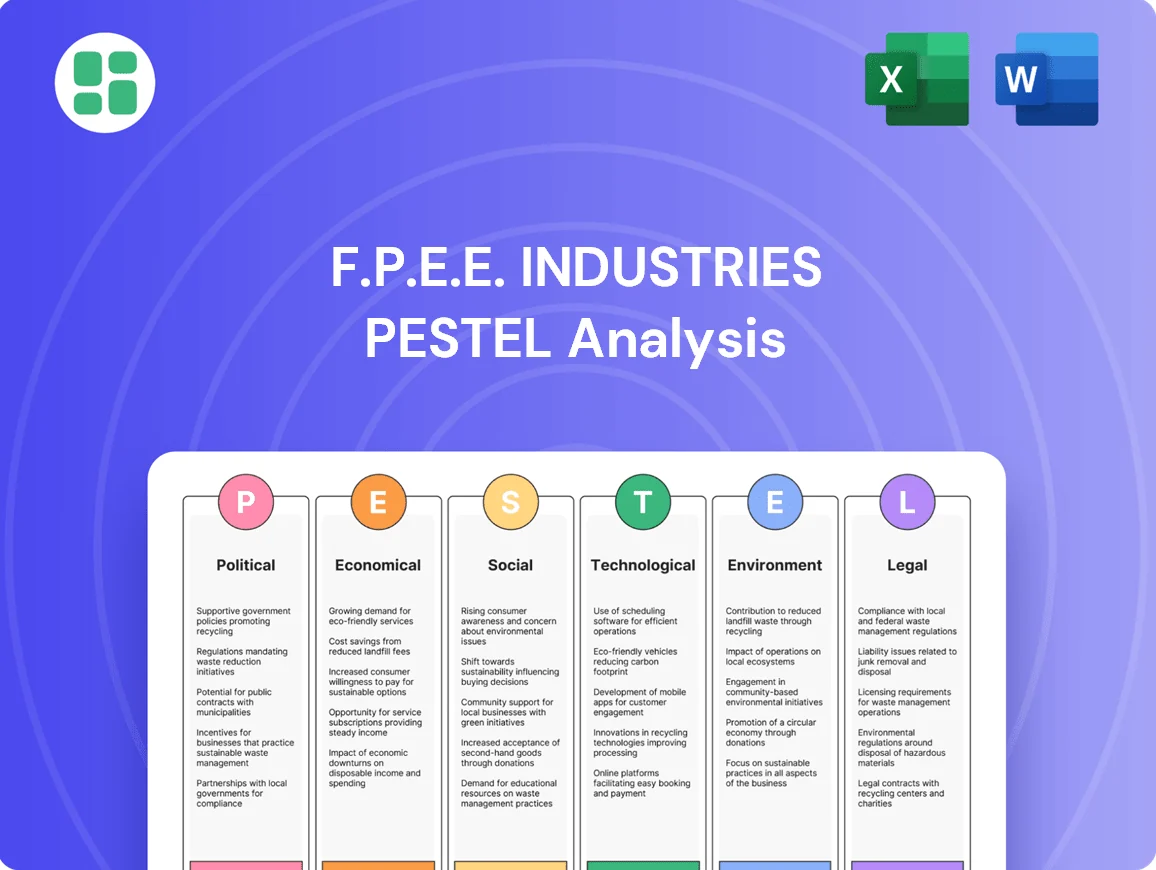
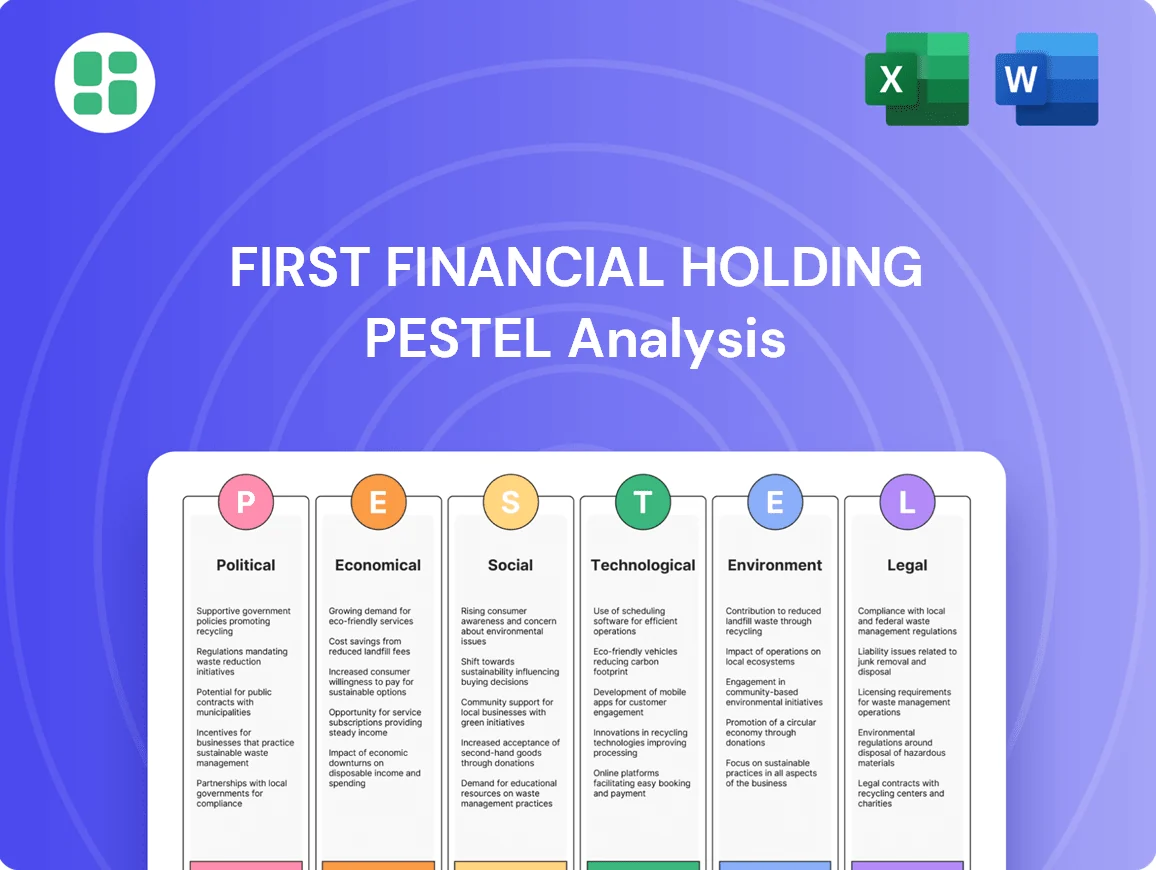
This PESTLE analysis for IHH Healthcare offers a concise, visually segmented overview of external influences, simplifying risk assessment and market opportunity identification for enhanced strategic planning.
Economic factors

Global and Regional Healthcare Expenditure Growth
Global healthcare expenditure is on a strong upward trajectory, with forecasts indicating continued growth through 2025 and beyond. This expansion is fueled by demographic shifts, particularly aging populations, and the constant innovation in medical technologies, leading to higher demand for advanced treatments and services.
IHH Healthcare's key operating regions, including Singapore, India, and Malaysia, are all experiencing this rise in healthcare spending. For instance, India's healthcare market alone is projected to reach $372 billion by 2022, and is expected to continue its rapid expansion. This robust market environment directly benefits IHH by creating a substantial and growing customer base for its extensive range of medical offerings.
This secular trend of increasing healthcare expenditure translates into tangible benefits for IHH. The company is well-positioned to capitalize on this, expecting higher inpatient admissions and an improved revenue intensity per patient as demand for its sophisticated medical services escalates across its operational footprint.
Inflation and Rising Operating Costs
IHH Healthcare, like many in the healthcare sector, is navigating significant inflationary pressures. These include escalating energy expenses and increased staffing costs, which directly impact operational budgets. Furthermore, medical inflation, the rise in healthcare service and supply costs, presents a persistent challenge.
To counter these headwinds, IHH Healthcare is actively implementing strategic price adjustments across its services. Simultaneously, a strong emphasis on operational efficiencies, driven by its ACE Framework, is crucial for cost management. For instance, in 2023, IHH reported that its focus on operational efficiencies contributed to improved margins despite these cost pressures.

Disposable Income and Healthcare Spending Patterns
Disposable income is a huge driver for private healthcare demand. In 2023, for instance, countries like Malaysia and Singapore, key markets for IHH Healthcare, saw their GDP per capita grow, indicating a potential rise in disposable income. This increased affluence often translates to greater spending on premium healthcare services and elective procedures, which directly benefits providers like IHH.
However, economic downturns can quickly change this. If disposable incomes shrink, as seen in some emerging markets experiencing inflation in late 2024, consumers might defer non-essential medical treatments or opt for more cost-effective public healthcare options. IHH's diversified geographic footprint, spanning Southeast Asia and beyond, helps mitigate the impact of localized economic slowdowns by balancing performance across different regional economies.

Currency Fluctuations and Exchange Rate Risks
IHH Healthcare's international operations, especially in markets like Turkey, mean it's directly affected by currency fluctuations. These shifts can significantly alter the value of revenue earned and costs incurred in different countries, impacting overall profitability. For instance, a weakening Turkish Lira against stronger currencies could reduce the reported value of IHH's Turkish earnings when consolidated.
To manage this, IHH Healthcare employs financial strategies to hedge against currency risks. This involves using financial instruments to lock in exchange rates, thereby creating more predictable financial outcomes. The company actively works to minimize its exposure to the volatility of foreign exchange markets.
- Exposure: IHH Healthcare's revenue and costs are subject to exchange rate volatility across its global operations.
- Impact: Fluctuations can affect reported earnings, particularly in markets like Turkey where currencies may experience significant swings.
- Mitigation: The company utilizes financial hedging strategies to protect against adverse currency movements.
- Objective: To ensure stable financial performance and predictable revenue streams despite global economic uncertainties.
Strategic Acquisitions and Capacity Expansion
IHH Healthcare's economic strategy centers on aggressive capacity expansion and strategic acquisitions to capitalize on rising healthcare demand. For instance, their acquisition of Island Hospital in Penang exemplifies this approach, aiming to bolster their presence in key markets. This growth is further evidenced by significant expansion plans in rapidly developing economies like India and Turkey.
This strategic investment in infrastructure and market consolidation is underpinned by robust financial performance. In 2024, IHH Healthcare reported strong revenue growth, demonstrating the effectiveness of their expansionary economic policies. This financial health provides the necessary capital for continued strategic acquisitions and capacity enhancements, positioning IHH to benefit from favorable economic trends in the healthcare sector.
- Strategic Acquisitions: IHH Healthcare actively pursues acquisitions to expand its network and service offerings, as seen with Island Hospital in Penang.
- Capacity Expansion: Significant investments are being made in increasing hospital beds and facilities, particularly in high-growth markets like India and Turkey.
- Financial Performance: The company's strong financial results in 2024 provide the foundation for these ambitious growth initiatives.
- Market Position: These economic strategies are designed to strengthen IHH's competitive advantage and capture increasing healthcare demand.
Healthcare Growth Navigates Economic Headwinds
Global healthcare expenditure continues its upward trend, with projections indicating sustained growth through 2025, driven by aging populations and medical advancements. IHH Healthcare benefits from this, especially in markets like India, where the healthcare sector is expanding rapidly, projected to reach significant figures by the mid-2020s, creating a larger patient base.
Inflationary pressures, including rising energy, staffing, and medical costs, directly impact IHH's operational budgets. The company counters this through strategic price adjustments and a focus on operational efficiencies, as demonstrated by margin improvements in 2023 despite these cost increases.
Disposable income growth in key IHH markets like Malaysia and Singapore, evidenced by rising GDP per capita in 2023, fuels demand for premium healthcare services. However, economic downturns and inflation in emerging markets can lead consumers to defer elective treatments, a risk IHH mitigates through its diversified geographic presence.
Currency fluctuations, particularly in markets like Turkey, significantly affect IHH's reported earnings and costs. The company actively manages this risk through financial hedging strategies to ensure more predictable financial outcomes.
Full Version Awaits
IHH Healthcare PESTLE Analysis
The preview shown here is the exact document you’ll receive after purchase—fully formatted and ready to use. This comprehensive PESTLE analysis of IHH Healthcare delves into the Political, Economic, Social, Technological, Legal, and Environmental factors impacting its operations. Understand the critical external forces shaping the global healthcare landscape for IHH.

Product Information
Product Information
Shipping & Returns
Shipping & Returns
IHH Healthcare PESTLE Analysis
IHH Healthcare PESTLE Analysis
Make Smarter Strategic Decisions with a Complete PESTEL View
Navigate the complex global landscape affecting IHH Healthcare. Our PESTLE analysis dissects the political, economic, social, technological, legal, and environmental factors shaping its trajectory. Gain a crucial understanding of these external forces to inform your strategic decisions and identify potential opportunities or threats. Download the full analysis now for actionable intelligence.
Political factors
Government Healthcare Policies and Reforms
Government healthcare policies are a major driver for IHH Healthcare. Initiatives like Singapore's 'Healthier SG' push for preventive care, prompting IHH to bolster its out-of-hospital services. This strategic shift aligns with a broader trend of governments focusing on wellness rather than just treatment.
Increased government healthcare spending in key markets like Malaysia and Turkey offers significant growth avenues for private players such as IHH. For example, Malaysia's healthcare expenditure grew by an estimated 7.5% in 2024, reaching approximately RM 35 billion, signaling a positive environment for expanding private healthcare capacity.
Political Stability in Operating Regions
Political stability across IHH Healthcare's diverse operating regions, spanning Asia and Europe, is a critical determinant of its ongoing business success and future growth initiatives. Regions experiencing political upheaval or frequent policy shifts can introduce significant regulatory uncertainty and potential disruptions to healthcare service delivery, directly impacting IHH's market penetration and financial performance.
For instance, in 2024, IHH's presence in markets like Malaysia, Singapore, and Turkey means it must continually monitor and adapt to evolving governmental healthcare policies and economic development plans. The company's strategy involves localized approaches to navigate these varying political landscapes, ensuring continued access and operational efficiency.
Healthcare Accessibility and Affordability Initiatives
Governments across IHH Healthcare's operating regions are prioritizing healthcare accessibility and affordability. This focus often translates into potential pricing regulations or the development of public-private partnerships, impacting how healthcare services are delivered and financed. For instance, in Malaysia, the government's Health White Paper aims to reform the healthcare system, potentially influencing private sector involvement and pricing structures.
IHH Healthcare is proactively aligning with these national health objectives by embracing value-based care models. This strategic shift supports government efforts to manage rising healthcare expenditures and enhance patient outcomes. By focusing on value, IHH aims to demonstrate cost-effectiveness and improved quality of care, which is increasingly a benchmark for public and private healthcare collaborations.
International Medical Tourism Policies
Policies governing medical tourism in key IHH Healthcare markets like Singapore and Malaysia significantly influence its international patient revenue. For instance, Singapore's government has actively promoted medical tourism, aiming to attract a substantial share of the global market. In 2023, Singapore's healthcare sector, buoyed by medical tourism, saw continued growth, with medical tourism receipts contributing significantly to the nation's economy, though specific figures for IHH's direct benefit are proprietary.
Favorable government initiatives, such as streamlined visa processes and investment in advanced medical infrastructure, directly benefit IHH's specialized tertiary care services by increasing patient inflow. Malaysia also actively supports medical tourism, with initiatives aimed at enhancing its appeal as a destination for quality and affordable healthcare. These policies are crucial for IHH's strategy to attract and retain foreign patients seeking specialized treatments.
Conversely, any shift towards restrictive policies, such as increased visa complexities or new taxation on medical tourism services, could negatively impact patient volume and IHH's revenue streams. Geopolitical tensions or global health crises can also disrupt international travel, directly affecting the number of foreign patients seeking treatment at IHH facilities.
- Government Support: Policies promoting medical tourism in Singapore and Malaysia boost IHH Healthcare's international patient numbers.
- Revenue Impact: Favorable policies enhance revenue from specialized tertiary care services, while restrictive ones can reduce patient flow.
- Geopolitical Sensitivity: International patient volume is susceptible to global health events and geopolitical stability.
Regulatory Oversight and Compliance
Government scrutiny in healthcare is intensifying, with a focus on quality of care, patient safety, and operational standards. This requires IHH Healthcare to maintain robust compliance frameworks across its diverse markets. Failure to adhere to these evolving regulations in 2024 and beyond could lead to significant penalties and damage its reputation.
IHH Healthcare actively addresses these challenges. For instance, the company held a dedicated Risk and Compliance Forum in 2024, underscoring its commitment to strengthening governance and ensuring adherence to regulatory requirements across its global operations. This proactive approach is vital for maintaining its standing as a trusted healthcare provider.
- Increased Regulatory Scrutiny: Healthcare sectors globally are experiencing heightened government oversight.
- Focus Areas: Key concerns include quality of care, patient safety, and adherence to operational standards.
- Compliance Imperative: Robust frameworks are essential for IHH to navigate these evolving regulations.
- Risk Mitigation: The 2024 Risk and Compliance Forum highlights IHH's focus on governance and regulatory adherence.
Government Policies Drive Healthcare Evolution
Government healthcare policies significantly shape IHH Healthcare's operational landscape, influencing everything from service delivery to revenue streams. For example, Singapore's 'Healthier SG' initiative, promoting preventive care, drives IHH to expand its out-of-hospital services, aligning with national health priorities.
Increased government healthcare spending in markets like Malaysia, where expenditure was projected to reach approximately RM 35 billion in 2024, presents growth opportunities for private providers. IHH's strategy involves adapting to diverse political landscapes and evolving healthcare reforms, such as Malaysia's Health White Paper, which aims to reshape the sector.
Policies supporting medical tourism, a key revenue driver for IHH in Singapore and Malaysia, are crucial. While specific figures for IHH's benefit are proprietary, Singapore's continued promotion of medical tourism in 2023, contributing significantly to its economy, underscores the positive impact of such government backing.
Heightened government scrutiny on quality of care and patient safety necessitates robust compliance frameworks. IHH's 2024 Risk and Compliance Forum demonstrates a commitment to navigating these evolving regulations and maintaining operational integrity across its global network.
| Factor | Impact on IHH Healthcare | Supporting Data/Example |
|---|---|---|
| Government Health Policies | Drives expansion into preventive and out-of-hospital services. | Singapore's 'Healthier SG' initiative. |
| Healthcare Spending | Creates growth opportunities in key markets. | Malaysia's projected RM 35 billion healthcare expenditure in 2024. |
| Medical Tourism Policies | Boosts international patient revenue and specialized care demand. | Singapore's continued promotion of medical tourism in 2023. |
| Regulatory Scrutiny | Requires strong compliance and governance. | IHH's 2024 Risk and Compliance Forum. |
What is included in the product
Detailed Word Document
This PESTLE analysis provides a comprehensive examination of the external macro-environmental factors impacting IHH Healthcare, covering Political, Economic, Social, Technological, Environmental, and Legal dimensions.
It offers actionable insights for strategic decision-making by identifying key opportunities and threats within IHH Healthcare's operating landscape.
Customizable Excel Spreadsheet
A clear, actionable PESTLE analysis for IHH Healthcare, transforming complex external factors into easily digestible insights for strategic decision-making.
This PESTLE analysis for IHH Healthcare offers a concise, visually segmented overview of external influences, simplifying risk assessment and market opportunity identification for enhanced strategic planning.
Economic factors
Global and Regional Healthcare Expenditure Growth
Global healthcare expenditure is on a strong upward trajectory, with forecasts indicating continued growth through 2025 and beyond. This expansion is fueled by demographic shifts, particularly aging populations, and the constant innovation in medical technologies, leading to higher demand for advanced treatments and services.
IHH Healthcare's key operating regions, including Singapore, India, and Malaysia, are all experiencing this rise in healthcare spending. For instance, India's healthcare market alone is projected to reach $372 billion by 2022, and is expected to continue its rapid expansion. This robust market environment directly benefits IHH by creating a substantial and growing customer base for its extensive range of medical offerings.
This secular trend of increasing healthcare expenditure translates into tangible benefits for IHH. The company is well-positioned to capitalize on this, expecting higher inpatient admissions and an improved revenue intensity per patient as demand for its sophisticated medical services escalates across its operational footprint.
Inflation and Rising Operating Costs
IHH Healthcare, like many in the healthcare sector, is navigating significant inflationary pressures. These include escalating energy expenses and increased staffing costs, which directly impact operational budgets. Furthermore, medical inflation, the rise in healthcare service and supply costs, presents a persistent challenge.
To counter these headwinds, IHH Healthcare is actively implementing strategic price adjustments across its services. Simultaneously, a strong emphasis on operational efficiencies, driven by its ACE Framework, is crucial for cost management. For instance, in 2023, IHH reported that its focus on operational efficiencies contributed to improved margins despite these cost pressures.
Disposable Income and Healthcare Spending Patterns
Disposable income is a huge driver for private healthcare demand. In 2023, for instance, countries like Malaysia and Singapore, key markets for IHH Healthcare, saw their GDP per capita grow, indicating a potential rise in disposable income. This increased affluence often translates to greater spending on premium healthcare services and elective procedures, which directly benefits providers like IHH.
However, economic downturns can quickly change this. If disposable incomes shrink, as seen in some emerging markets experiencing inflation in late 2024, consumers might defer non-essential medical treatments or opt for more cost-effective public healthcare options. IHH's diversified geographic footprint, spanning Southeast Asia and beyond, helps mitigate the impact of localized economic slowdowns by balancing performance across different regional economies.
Currency Fluctuations and Exchange Rate Risks
IHH Healthcare's international operations, especially in markets like Turkey, mean it's directly affected by currency fluctuations. These shifts can significantly alter the value of revenue earned and costs incurred in different countries, impacting overall profitability. For instance, a weakening Turkish Lira against stronger currencies could reduce the reported value of IHH's Turkish earnings when consolidated.
To manage this, IHH Healthcare employs financial strategies to hedge against currency risks. This involves using financial instruments to lock in exchange rates, thereby creating more predictable financial outcomes. The company actively works to minimize its exposure to the volatility of foreign exchange markets.
- Exposure: IHH Healthcare's revenue and costs are subject to exchange rate volatility across its global operations.
- Impact: Fluctuations can affect reported earnings, particularly in markets like Turkey where currencies may experience significant swings.
- Mitigation: The company utilizes financial hedging strategies to protect against adverse currency movements.
- Objective: To ensure stable financial performance and predictable revenue streams despite global economic uncertainties.
Strategic Acquisitions and Capacity Expansion
IHH Healthcare's economic strategy centers on aggressive capacity expansion and strategic acquisitions to capitalize on rising healthcare demand. For instance, their acquisition of Island Hospital in Penang exemplifies this approach, aiming to bolster their presence in key markets. This growth is further evidenced by significant expansion plans in rapidly developing economies like India and Turkey.
This strategic investment in infrastructure and market consolidation is underpinned by robust financial performance. In 2024, IHH Healthcare reported strong revenue growth, demonstrating the effectiveness of their expansionary economic policies. This financial health provides the necessary capital for continued strategic acquisitions and capacity enhancements, positioning IHH to benefit from favorable economic trends in the healthcare sector.
- Strategic Acquisitions: IHH Healthcare actively pursues acquisitions to expand its network and service offerings, as seen with Island Hospital in Penang.
- Capacity Expansion: Significant investments are being made in increasing hospital beds and facilities, particularly in high-growth markets like India and Turkey.
- Financial Performance: The company's strong financial results in 2024 provide the foundation for these ambitious growth initiatives.
- Market Position: These economic strategies are designed to strengthen IHH's competitive advantage and capture increasing healthcare demand.
Healthcare Growth Navigates Economic Headwinds
Global healthcare expenditure continues its upward trend, with projections indicating sustained growth through 2025, driven by aging populations and medical advancements. IHH Healthcare benefits from this, especially in markets like India, where the healthcare sector is expanding rapidly, projected to reach significant figures by the mid-2020s, creating a larger patient base.
Inflationary pressures, including rising energy, staffing, and medical costs, directly impact IHH's operational budgets. The company counters this through strategic price adjustments and a focus on operational efficiencies, as demonstrated by margin improvements in 2023 despite these cost increases.
Disposable income growth in key IHH markets like Malaysia and Singapore, evidenced by rising GDP per capita in 2023, fuels demand for premium healthcare services. However, economic downturns and inflation in emerging markets can lead consumers to defer elective treatments, a risk IHH mitigates through its diversified geographic presence.
Currency fluctuations, particularly in markets like Turkey, significantly affect IHH's reported earnings and costs. The company actively manages this risk through financial hedging strategies to ensure more predictable financial outcomes.
Full Version Awaits
IHH Healthcare PESTLE Analysis
The preview shown here is the exact document you’ll receive after purchase—fully formatted and ready to use. This comprehensive PESTLE analysis of IHH Healthcare delves into the Political, Economic, Social, Technological, Legal, and Environmental factors impacting its operations. Understand the critical external forces shaping the global healthcare landscape for IHH.
Original: $10.00
-65%$10.00
$3.50Product Information
Product Information
Shipping & Returns
Shipping & Returns
Description
Make Smarter Strategic Decisions with a Complete PESTEL View
Navigate the complex global landscape affecting IHH Healthcare. Our PESTLE analysis dissects the political, economic, social, technological, legal, and environmental factors shaping its trajectory. Gain a crucial understanding of these external forces to inform your strategic decisions and identify potential opportunities or threats. Download the full analysis now for actionable intelligence.
Political factors
Government Healthcare Policies and Reforms
Government healthcare policies are a major driver for IHH Healthcare. Initiatives like Singapore's 'Healthier SG' push for preventive care, prompting IHH to bolster its out-of-hospital services. This strategic shift aligns with a broader trend of governments focusing on wellness rather than just treatment.
Increased government healthcare spending in key markets like Malaysia and Turkey offers significant growth avenues for private players such as IHH. For example, Malaysia's healthcare expenditure grew by an estimated 7.5% in 2024, reaching approximately RM 35 billion, signaling a positive environment for expanding private healthcare capacity.
Political Stability in Operating Regions
Political stability across IHH Healthcare's diverse operating regions, spanning Asia and Europe, is a critical determinant of its ongoing business success and future growth initiatives. Regions experiencing political upheaval or frequent policy shifts can introduce significant regulatory uncertainty and potential disruptions to healthcare service delivery, directly impacting IHH's market penetration and financial performance.
For instance, in 2024, IHH's presence in markets like Malaysia, Singapore, and Turkey means it must continually monitor and adapt to evolving governmental healthcare policies and economic development plans. The company's strategy involves localized approaches to navigate these varying political landscapes, ensuring continued access and operational efficiency.
Healthcare Accessibility and Affordability Initiatives
Governments across IHH Healthcare's operating regions are prioritizing healthcare accessibility and affordability. This focus often translates into potential pricing regulations or the development of public-private partnerships, impacting how healthcare services are delivered and financed. For instance, in Malaysia, the government's Health White Paper aims to reform the healthcare system, potentially influencing private sector involvement and pricing structures.
IHH Healthcare is proactively aligning with these national health objectives by embracing value-based care models. This strategic shift supports government efforts to manage rising healthcare expenditures and enhance patient outcomes. By focusing on value, IHH aims to demonstrate cost-effectiveness and improved quality of care, which is increasingly a benchmark for public and private healthcare collaborations.
International Medical Tourism Policies
Policies governing medical tourism in key IHH Healthcare markets like Singapore and Malaysia significantly influence its international patient revenue. For instance, Singapore's government has actively promoted medical tourism, aiming to attract a substantial share of the global market. In 2023, Singapore's healthcare sector, buoyed by medical tourism, saw continued growth, with medical tourism receipts contributing significantly to the nation's economy, though specific figures for IHH's direct benefit are proprietary.
Favorable government initiatives, such as streamlined visa processes and investment in advanced medical infrastructure, directly benefit IHH's specialized tertiary care services by increasing patient inflow. Malaysia also actively supports medical tourism, with initiatives aimed at enhancing its appeal as a destination for quality and affordable healthcare. These policies are crucial for IHH's strategy to attract and retain foreign patients seeking specialized treatments.
Conversely, any shift towards restrictive policies, such as increased visa complexities or new taxation on medical tourism services, could negatively impact patient volume and IHH's revenue streams. Geopolitical tensions or global health crises can also disrupt international travel, directly affecting the number of foreign patients seeking treatment at IHH facilities.
- Government Support: Policies promoting medical tourism in Singapore and Malaysia boost IHH Healthcare's international patient numbers.
- Revenue Impact: Favorable policies enhance revenue from specialized tertiary care services, while restrictive ones can reduce patient flow.
- Geopolitical Sensitivity: International patient volume is susceptible to global health events and geopolitical stability.
Regulatory Oversight and Compliance
Government scrutiny in healthcare is intensifying, with a focus on quality of care, patient safety, and operational standards. This requires IHH Healthcare to maintain robust compliance frameworks across its diverse markets. Failure to adhere to these evolving regulations in 2024 and beyond could lead to significant penalties and damage its reputation.
IHH Healthcare actively addresses these challenges. For instance, the company held a dedicated Risk and Compliance Forum in 2024, underscoring its commitment to strengthening governance and ensuring adherence to regulatory requirements across its global operations. This proactive approach is vital for maintaining its standing as a trusted healthcare provider.
- Increased Regulatory Scrutiny: Healthcare sectors globally are experiencing heightened government oversight.
- Focus Areas: Key concerns include quality of care, patient safety, and adherence to operational standards.
- Compliance Imperative: Robust frameworks are essential for IHH to navigate these evolving regulations.
- Risk Mitigation: The 2024 Risk and Compliance Forum highlights IHH's focus on governance and regulatory adherence.
Government Policies Drive Healthcare Evolution
Government healthcare policies significantly shape IHH Healthcare's operational landscape, influencing everything from service delivery to revenue streams. For example, Singapore's 'Healthier SG' initiative, promoting preventive care, drives IHH to expand its out-of-hospital services, aligning with national health priorities.
Increased government healthcare spending in markets like Malaysia, where expenditure was projected to reach approximately RM 35 billion in 2024, presents growth opportunities for private providers. IHH's strategy involves adapting to diverse political landscapes and evolving healthcare reforms, such as Malaysia's Health White Paper, which aims to reshape the sector.
Policies supporting medical tourism, a key revenue driver for IHH in Singapore and Malaysia, are crucial. While specific figures for IHH's benefit are proprietary, Singapore's continued promotion of medical tourism in 2023, contributing significantly to its economy, underscores the positive impact of such government backing.
Heightened government scrutiny on quality of care and patient safety necessitates robust compliance frameworks. IHH's 2024 Risk and Compliance Forum demonstrates a commitment to navigating these evolving regulations and maintaining operational integrity across its global network.
| Factor | Impact on IHH Healthcare | Supporting Data/Example |
|---|---|---|
| Government Health Policies | Drives expansion into preventive and out-of-hospital services. | Singapore's 'Healthier SG' initiative. |
| Healthcare Spending | Creates growth opportunities in key markets. | Malaysia's projected RM 35 billion healthcare expenditure in 2024. |
| Medical Tourism Policies | Boosts international patient revenue and specialized care demand. | Singapore's continued promotion of medical tourism in 2023. |
| Regulatory Scrutiny | Requires strong compliance and governance. | IHH's 2024 Risk and Compliance Forum. |
What is included in the product
Detailed Word Document
This PESTLE analysis provides a comprehensive examination of the external macro-environmental factors impacting IHH Healthcare, covering Political, Economic, Social, Technological, Environmental, and Legal dimensions.
It offers actionable insights for strategic decision-making by identifying key opportunities and threats within IHH Healthcare's operating landscape.
Customizable Excel Spreadsheet
A clear, actionable PESTLE analysis for IHH Healthcare, transforming complex external factors into easily digestible insights for strategic decision-making.
This PESTLE analysis for IHH Healthcare offers a concise, visually segmented overview of external influences, simplifying risk assessment and market opportunity identification for enhanced strategic planning.
Economic factors
Global and Regional Healthcare Expenditure Growth
Global healthcare expenditure is on a strong upward trajectory, with forecasts indicating continued growth through 2025 and beyond. This expansion is fueled by demographic shifts, particularly aging populations, and the constant innovation in medical technologies, leading to higher demand for advanced treatments and services.
IHH Healthcare's key operating regions, including Singapore, India, and Malaysia, are all experiencing this rise in healthcare spending. For instance, India's healthcare market alone is projected to reach $372 billion by 2022, and is expected to continue its rapid expansion. This robust market environment directly benefits IHH by creating a substantial and growing customer base for its extensive range of medical offerings.
This secular trend of increasing healthcare expenditure translates into tangible benefits for IHH. The company is well-positioned to capitalize on this, expecting higher inpatient admissions and an improved revenue intensity per patient as demand for its sophisticated medical services escalates across its operational footprint.
Inflation and Rising Operating Costs
IHH Healthcare, like many in the healthcare sector, is navigating significant inflationary pressures. These include escalating energy expenses and increased staffing costs, which directly impact operational budgets. Furthermore, medical inflation, the rise in healthcare service and supply costs, presents a persistent challenge.
To counter these headwinds, IHH Healthcare is actively implementing strategic price adjustments across its services. Simultaneously, a strong emphasis on operational efficiencies, driven by its ACE Framework, is crucial for cost management. For instance, in 2023, IHH reported that its focus on operational efficiencies contributed to improved margins despite these cost pressures.
Disposable Income and Healthcare Spending Patterns
Disposable income is a huge driver for private healthcare demand. In 2023, for instance, countries like Malaysia and Singapore, key markets for IHH Healthcare, saw their GDP per capita grow, indicating a potential rise in disposable income. This increased affluence often translates to greater spending on premium healthcare services and elective procedures, which directly benefits providers like IHH.
However, economic downturns can quickly change this. If disposable incomes shrink, as seen in some emerging markets experiencing inflation in late 2024, consumers might defer non-essential medical treatments or opt for more cost-effective public healthcare options. IHH's diversified geographic footprint, spanning Southeast Asia and beyond, helps mitigate the impact of localized economic slowdowns by balancing performance across different regional economies.
Currency Fluctuations and Exchange Rate Risks
IHH Healthcare's international operations, especially in markets like Turkey, mean it's directly affected by currency fluctuations. These shifts can significantly alter the value of revenue earned and costs incurred in different countries, impacting overall profitability. For instance, a weakening Turkish Lira against stronger currencies could reduce the reported value of IHH's Turkish earnings when consolidated.
To manage this, IHH Healthcare employs financial strategies to hedge against currency risks. This involves using financial instruments to lock in exchange rates, thereby creating more predictable financial outcomes. The company actively works to minimize its exposure to the volatility of foreign exchange markets.
- Exposure: IHH Healthcare's revenue and costs are subject to exchange rate volatility across its global operations.
- Impact: Fluctuations can affect reported earnings, particularly in markets like Turkey where currencies may experience significant swings.
- Mitigation: The company utilizes financial hedging strategies to protect against adverse currency movements.
- Objective: To ensure stable financial performance and predictable revenue streams despite global economic uncertainties.
Strategic Acquisitions and Capacity Expansion
IHH Healthcare's economic strategy centers on aggressive capacity expansion and strategic acquisitions to capitalize on rising healthcare demand. For instance, their acquisition of Island Hospital in Penang exemplifies this approach, aiming to bolster their presence in key markets. This growth is further evidenced by significant expansion plans in rapidly developing economies like India and Turkey.
This strategic investment in infrastructure and market consolidation is underpinned by robust financial performance. In 2024, IHH Healthcare reported strong revenue growth, demonstrating the effectiveness of their expansionary economic policies. This financial health provides the necessary capital for continued strategic acquisitions and capacity enhancements, positioning IHH to benefit from favorable economic trends in the healthcare sector.
- Strategic Acquisitions: IHH Healthcare actively pursues acquisitions to expand its network and service offerings, as seen with Island Hospital in Penang.
- Capacity Expansion: Significant investments are being made in increasing hospital beds and facilities, particularly in high-growth markets like India and Turkey.
- Financial Performance: The company's strong financial results in 2024 provide the foundation for these ambitious growth initiatives.
- Market Position: These economic strategies are designed to strengthen IHH's competitive advantage and capture increasing healthcare demand.
Healthcare Growth Navigates Economic Headwinds
Global healthcare expenditure continues its upward trend, with projections indicating sustained growth through 2025, driven by aging populations and medical advancements. IHH Healthcare benefits from this, especially in markets like India, where the healthcare sector is expanding rapidly, projected to reach significant figures by the mid-2020s, creating a larger patient base.
Inflationary pressures, including rising energy, staffing, and medical costs, directly impact IHH's operational budgets. The company counters this through strategic price adjustments and a focus on operational efficiencies, as demonstrated by margin improvements in 2023 despite these cost increases.
Disposable income growth in key IHH markets like Malaysia and Singapore, evidenced by rising GDP per capita in 2023, fuels demand for premium healthcare services. However, economic downturns and inflation in emerging markets can lead consumers to defer elective treatments, a risk IHH mitigates through its diversified geographic presence.
Currency fluctuations, particularly in markets like Turkey, significantly affect IHH's reported earnings and costs. The company actively manages this risk through financial hedging strategies to ensure more predictable financial outcomes.
Full Version Awaits
IHH Healthcare PESTLE Analysis
The preview shown here is the exact document you’ll receive after purchase—fully formatted and ready to use. This comprehensive PESTLE analysis of IHH Healthcare delves into the Political, Economic, Social, Technological, Legal, and Environmental factors impacting its operations. Understand the critical external forces shaping the global healthcare landscape for IHH.