GameStop PESTLE Analysis

Your Competitive Advantage Starts with This Report
GameStop faces a dynamic external environment, from evolving consumer preferences (Social) to the rise of digital gaming (Technological) and shifting economic conditions (Economic). Understanding these forces is crucial for navigating its future. Gain a competitive edge by exploring these critical factors.
Unlock actionable insights into GameStop's strategic landscape with our comprehensive PESTLE analysis. Discover how political, economic, social, technological, legal, and environmental trends are shaping its operations and market position. Download the full version now to arm yourself with the intelligence needed to make informed decisions.
Political factors

Regulatory Scrutiny on Trading Platforms
The 'meme stock' surge, particularly involving GameStop in early 2021, triggered intense scrutiny from financial regulators like the U.S. Securities and Exchange Commission (SEC). This attention has centered on practices such as short selling, potential market manipulation, and the operational frameworks of online trading platforms that facilitated such activity.
Future regulatory changes could impact how retail investors participate in the market, potentially influencing the volatility and composition of GameStop's shareholder base. For instance, proposals to increase margin requirements or alter payment for order flow could reshape the landscape for platforms and, by extension, the dynamics of stocks like GameStop.
Government Policies on Digital Economy
Government policies significantly shape GameStop's digital strategy. For instance, in 2024, the US Federal Trade Commission (FTC) continued its focus on online consumer protection, impacting how digital goods and services are marketed and sold. Regulations around data privacy, such as potential updates to state-level laws mirroring the GDPR, could also influence GameStop's e-commerce operations and customer data management.

Intellectual Property Rights Enforcement
The video game sector's reliance on intellectual property (IP) for software and merchandise makes IP enforcement a critical political factor for GameStop. Changes in copyright and trademark laws directly influence GameStop's sales of both new and used games, as well as its lucrative collectibles market.
Weakened IP protection could significantly harm GameStop by increasing the prevalence of piracy and counterfeit products, thereby eroding its revenue streams. For instance, the global video game market was valued at over $200 billion in 2023, with a substantial portion tied to licensed content and software sales, making IP a cornerstone of industry profitability.

International Trade Relations and Tariffs
GameStop's international presence, spanning the US, Canada, Australia, and Europe, makes it susceptible to shifts in global trade dynamics. Tariffs and import/export regulations directly affect the cost of consumer electronics and gaming hardware, potentially impacting GameStop's pricing strategies and profit margins. For instance, ongoing trade tensions between the US and China, a major manufacturing hub for electronics, could lead to supply chain disruptions and increased costs for essential inventory.
The company's reliance on imported goods means that changes in international trade policies can significantly influence its operational expenses. In 2024, global trade faced continued uncertainty, with various countries reviewing and adjusting their tariff structures. GameStop must navigate these complexities to maintain competitive pricing and ensure a stable supply of products.
- Global Operations: GameStop operates in key markets including the United States, Canada, Australia, and Europe, exposing it to diverse international trade regulations.
- Supply Chain Vulnerability: Tariffs and import/export rules on electronics and gaming hardware, often manufactured in Asia, can directly increase GameStop's cost of goods sold.
- Geopolitical Impact: Trade disputes, such as those involving major economies like the US and China, pose risks of supply chain interruptions and elevated import expenses for GameStop.
- 2024 Trade Climate: The evolving global trade landscape in 2024 presents ongoing challenges and opportunities for companies like GameStop to manage their international sourcing and distribution.
Data Privacy Regulations
Data privacy regulations significantly impact GameStop's operations, particularly its e-commerce and loyalty programs, by dictating how customer data is collected, stored, and utilized. Stricter laws like the California Consumer Privacy Act (CCPA) and the European Union's General Data Protection Regulation (GDPR) require robust compliance measures.
GameStop has faced scrutiny regarding data handling; for instance, a class-action lawsuit settlement in late 2023 addressed allegations of improper data sharing, underscoring the financial and reputational risks of non-compliance. This settlement, reportedly involving a payout of $4 million, highlights the direct costs associated with privacy breaches.
The evolving regulatory landscape means GameStop must continually invest in data security and privacy protocols. Future regulations or increased enforcement could necessitate substantial upgrades to their systems, potentially impacting operational costs and strategic data utilization.
- GDPR and CCPA Compliance: GameStop must adhere to stringent rules on consent, data access, and deletion for its customer base.
- Class-Action Settlements: Past legal challenges, like the $4 million settlement in late 2023, demonstrate the financial repercussions of data privacy violations.
- Investment in Security: Ongoing and future regulatory changes will likely require continuous investment in data protection technologies and personnel.
- Customer Trust: Maintaining robust data privacy practices is crucial for building and retaining customer trust in an increasingly data-sensitive market.
Political & Legal Impacts on Gaming Retail
The political environment significantly influences GameStop through regulatory oversight and legislative actions. The fallout from the 2021 meme stock event led to increased scrutiny from bodies like the SEC, focusing on short selling and market manipulation. Future regulations on margin requirements or payment for order flow could alter trading dynamics.
Government policies also shape GameStop's digital operations, with agencies like the FTC monitoring online consumer protection and data privacy. Evolving state-level data privacy laws, potentially mirroring GDPR, will continue to impact how GameStop handles customer information and e-commerce.
Intellectual property laws are crucial for GameStop's sales of new and used games, as well as collectibles. Weakened IP protection can fuel piracy and counterfeits, impacting a market valued at over $200 billion in 2023, where licensed content is a significant revenue driver.
GameStop's international operations are subject to global trade policies, with tariffs and import/export regulations affecting the cost of electronics. Ongoing trade tensions, particularly between the US and China, can disrupt supply chains and increase costs for essential inventory.
| Political Factor | Impact on GameStop | Example/Data Point |
| Regulatory Scrutiny | Increased compliance costs, potential operational changes | SEC investigations into meme stock trading practices. |
| Data Privacy Laws | Need for robust data security, risk of fines/lawsuits | $4 million settlement in late 2023 for alleged improper data sharing. |
| Intellectual Property Laws | Protection of software and merchandise sales | Global video game market exceeded $200 billion in 2023. |
| International Trade Policies | Impact on supply chain costs and pricing | US-China trade tensions affecting electronics manufacturing. |
What is included in the product
 Detailed Word Document
This PESTLE analysis delves into the Political, Economic, Social, Technological, Environmental, and Legal factors impacting GameStop, offering a comprehensive view of its external operating landscape.
It provides actionable insights for strategic decision-making, highlighting potential challenges and growth avenues for the company.

 Customizable Excel Spreadsheet
A PESTLE analysis of GameStop's situation provides a clear, summarized version of external factors, acting as a pain point reliever for strategic planning by highlighting key political, economic, social, technological, legal, and environmental influences impacting the company.
Economic factors

Declining Physical Game Sales
The global gaming market is increasingly favoring digital downloads over physical copies. Projections indicate that by 2025, physical game sales will represent a mere fraction of the overall industry's revenue, a stark contrast to previous decades.
This significant shift directly challenges GameStop's long-standing reliance on selling physical video games. The company's revenue has seen a notable downturn as a result, underscoring the urgent need to diversify its income sources beyond traditional disc-based sales.
Consumer Spending and Disposable Income
Consumer spending is a critical driver for GameStop, especially with inflation impacting discretionary budgets. As of Q1 2024, the U.S. Personal Consumption Expenditures (PCE) price index showed a 3.3% increase year-over-year, meaning consumers have less disposable income for non-essential items like video games and collectibles.
Consumer confidence also plays a significant role. The Conference Board's Consumer Confidence Index, which stood at 102.0 in April 2024, reflects a cautious outlook. When consumers feel less secure about their financial future, they tend to cut back on entertainment and hobby-related purchases, directly affecting GameStop's revenue streams.

Competition from Digital Marketplaces
GameStop faces formidable competition from digital marketplaces such as Steam, PlayStation Store, Xbox Live, and various mobile app stores. These platforms provide instant game downloads and often feature aggressive pricing strategies, directly challenging GameStop's traditional brick-and-mortar model.
The shift towards digital distribution has significantly impacted the gaming industry's landscape. For instance, in 2023, digital game sales accounted for a substantial majority of revenue, with physical sales continuing their decline, putting immense pressure on GameStop's physical retail footprint and its overall market share.

Investment in Bitcoin and Market Volatility
GameStop's decision to include Bitcoin as a treasury reserve asset, as updated in its investment policy, introduces a new layer of financial risk and potential reward. This strategic shift means the company's financial health is now directly tied to the notoriously volatile cryptocurrency market.
The price of Bitcoin experienced significant swings in 2024. For instance, after reaching an all-time high in March 2024, it saw considerable pullbacks later in the year, highlighting the inherent unpredictability. This volatility could lead to substantial gains or losses for GameStop's treasury, impacting its overall financial stability and cash reserves.
- Bitcoin's 2024 Performance: Bitcoin's price fluctuated dramatically throughout 2024, with periods of rapid ascent followed by sharp declines, demonstrating its high volatility.
- Impact on Treasury: These price swings directly affect the value of GameStop's Bitcoin holdings, potentially impacting its liquidity and balance sheet.
- Risk Management: The company's ability to manage this new asset class effectively will be crucial in mitigating potential negative impacts on its financial performance.
Store Optimization and Closures
GameStop has been strategically closing underperforming stores to streamline operations and reduce costs, a trend that intensified in recent years. For instance, by the end of fiscal year 2023, GameStop had closed approximately 140 stores, bringing its total store count down significantly from its peak. This move is a direct response to the evolving retail environment, where digital sales increasingly dominate.
While these closures enhance financial efficiency, they also shrink GameStop's physical presence. This reduction in brick-and-mortar locations could potentially affect customer engagement, particularly for those who value in-person browsing, community interaction, or the trade-in services that physical stores facilitate.
- Store Count Reduction: GameStop's total store count has been on a downward trend, reflecting a broader retail strategy of optimization.
- Cost Efficiency Focus: Closures are primarily driven by efforts to improve the company's overall cost structure and profitability.
- Digital Shift Adaptation: The strategy acknowledges the growing importance of e-commerce and the declining reliance on physical retail for many consumers.
- Impact on Physical Footprint: Reduced store numbers alter customer accessibility and the traditional in-store experience.
Economic Headwinds: Digital Shift, Consumer Spending, and Crypto Volatility
Economic factors significantly shape GameStop's operational landscape, particularly the ongoing shift towards digital game distribution. This trend, with digital sales dominating in 2023, directly challenges the company's traditional brick-and-mortar model. Consumer spending, influenced by inflation which saw a 3.3% increase in the U.S. PCE price index in Q1 2024, also plays a crucial role, impacting discretionary purchases like video games.
Consumer confidence, reflected in indices like the Conference Board's Consumer Confidence Index at 102.0 in April 2024, further influences GameStop's revenue. A cautious consumer outlook often leads to reduced spending on non-essential items. Additionally, GameStop's decision to hold Bitcoin as a treasury reserve asset introduces financial volatility, as seen with Bitcoin's significant price swings throughout 2024, impacting the company's financial stability.
| Economic Factor | Description | Impact on GameStop | Relevant Data Point |
|---|---|---|---|
| Digital Distribution Trend | Shift from physical to digital game sales | Challenges traditional retail model, reduces reliance on physical stores | Digital sales accounted for a substantial majority of revenue in 2023 |
| Consumer Spending Power | Impact of inflation on disposable income | Decreases consumer spending on non-essential items like games and collectibles | U.S. PCE price index increased 3.3% year-over-year in Q1 2024 |
| Consumer Confidence | Consumer sentiment about economic conditions | Cautious consumers reduce discretionary spending, affecting GameStop's sales | Conference Board Consumer Confidence Index at 102.0 in April 2024 |
| Cryptocurrency Volatility | Price fluctuations of assets like Bitcoin | Introduces financial risk and potential reward to treasury holdings | Bitcoin experienced significant price swings in 2024 |
Preview the Actual Deliverable
GameStop PESTLE Analysis
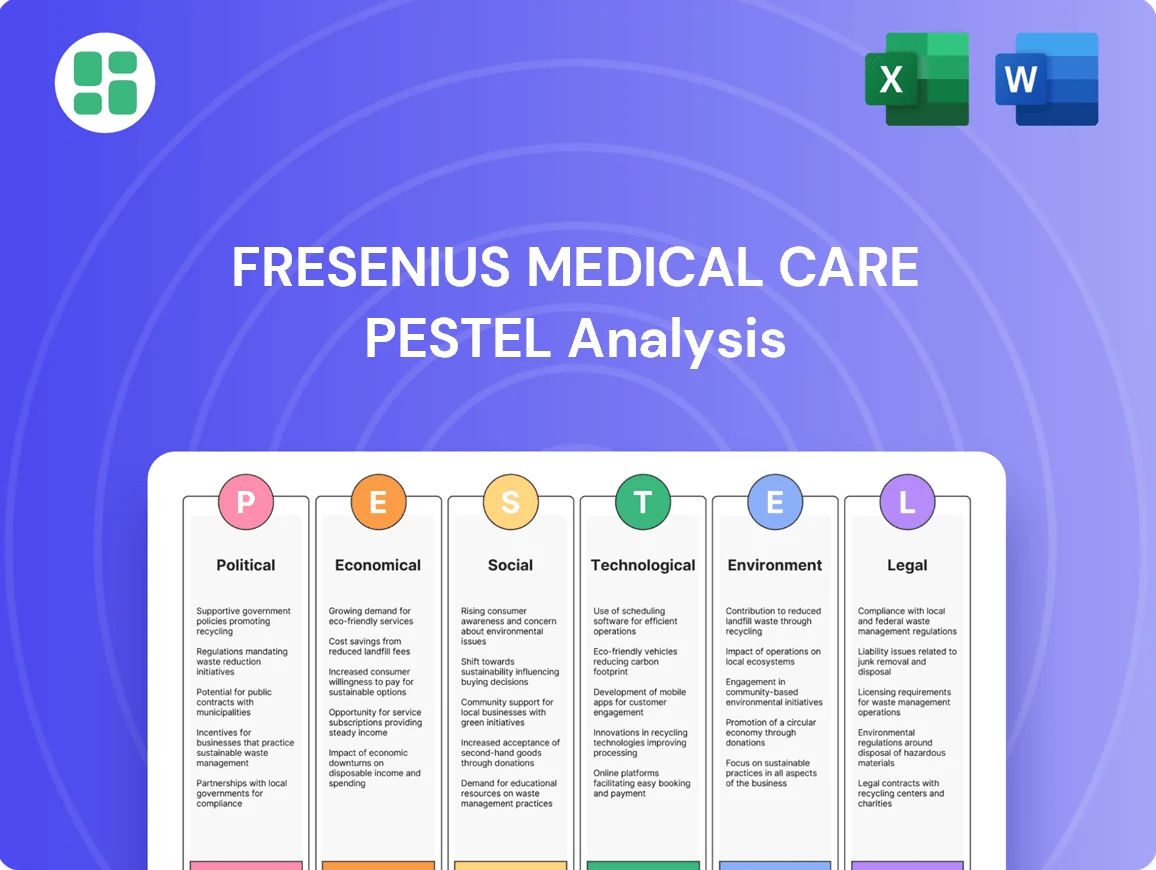
The preview shown here is the exact document you’ll receive after purchase—fully formatted and ready to use. This comprehensive PESTLE analysis of GameStop delves into the Political, Economic, Social, Technological, Legal, and Environmental factors impacting its business. You'll gain a deep understanding of the external forces shaping the company's strategy and future prospects.

Product Information
Product Information
Shipping & Returns
Shipping & Returns

GameStop PESTLE Analysis
GameStop PESTLE Analysis
Your Competitive Advantage Starts with This Report
GameStop faces a dynamic external environment, from evolving consumer preferences (Social) to the rise of digital gaming (Technological) and shifting economic conditions (Economic). Understanding these forces is crucial for navigating its future. Gain a competitive edge by exploring these critical factors.
Unlock actionable insights into GameStop's strategic landscape with our comprehensive PESTLE analysis. Discover how political, economic, social, technological, legal, and environmental trends are shaping its operations and market position. Download the full version now to arm yourself with the intelligence needed to make informed decisions.
Political factors
Regulatory Scrutiny on Trading Platforms
The 'meme stock' surge, particularly involving GameStop in early 2021, triggered intense scrutiny from financial regulators like the U.S. Securities and Exchange Commission (SEC). This attention has centered on practices such as short selling, potential market manipulation, and the operational frameworks of online trading platforms that facilitated such activity.
Future regulatory changes could impact how retail investors participate in the market, potentially influencing the volatility and composition of GameStop's shareholder base. For instance, proposals to increase margin requirements or alter payment for order flow could reshape the landscape for platforms and, by extension, the dynamics of stocks like GameStop.
Government Policies on Digital Economy
Government policies significantly shape GameStop's digital strategy. For instance, in 2024, the US Federal Trade Commission (FTC) continued its focus on online consumer protection, impacting how digital goods and services are marketed and sold. Regulations around data privacy, such as potential updates to state-level laws mirroring the GDPR, could also influence GameStop's e-commerce operations and customer data management.
Intellectual Property Rights Enforcement
The video game sector's reliance on intellectual property (IP) for software and merchandise makes IP enforcement a critical political factor for GameStop. Changes in copyright and trademark laws directly influence GameStop's sales of both new and used games, as well as its lucrative collectibles market.
Weakened IP protection could significantly harm GameStop by increasing the prevalence of piracy and counterfeit products, thereby eroding its revenue streams. For instance, the global video game market was valued at over $200 billion in 2023, with a substantial portion tied to licensed content and software sales, making IP a cornerstone of industry profitability.
International Trade Relations and Tariffs
GameStop's international presence, spanning the US, Canada, Australia, and Europe, makes it susceptible to shifts in global trade dynamics. Tariffs and import/export regulations directly affect the cost of consumer electronics and gaming hardware, potentially impacting GameStop's pricing strategies and profit margins. For instance, ongoing trade tensions between the US and China, a major manufacturing hub for electronics, could lead to supply chain disruptions and increased costs for essential inventory.
The company's reliance on imported goods means that changes in international trade policies can significantly influence its operational expenses. In 2024, global trade faced continued uncertainty, with various countries reviewing and adjusting their tariff structures. GameStop must navigate these complexities to maintain competitive pricing and ensure a stable supply of products.
- Global Operations: GameStop operates in key markets including the United States, Canada, Australia, and Europe, exposing it to diverse international trade regulations.
- Supply Chain Vulnerability: Tariffs and import/export rules on electronics and gaming hardware, often manufactured in Asia, can directly increase GameStop's cost of goods sold.
- Geopolitical Impact: Trade disputes, such as those involving major economies like the US and China, pose risks of supply chain interruptions and elevated import expenses for GameStop.
- 2024 Trade Climate: The evolving global trade landscape in 2024 presents ongoing challenges and opportunities for companies like GameStop to manage their international sourcing and distribution.
Data Privacy Regulations
Data privacy regulations significantly impact GameStop's operations, particularly its e-commerce and loyalty programs, by dictating how customer data is collected, stored, and utilized. Stricter laws like the California Consumer Privacy Act (CCPA) and the European Union's General Data Protection Regulation (GDPR) require robust compliance measures.
GameStop has faced scrutiny regarding data handling; for instance, a class-action lawsuit settlement in late 2023 addressed allegations of improper data sharing, underscoring the financial and reputational risks of non-compliance. This settlement, reportedly involving a payout of $4 million, highlights the direct costs associated with privacy breaches.
The evolving regulatory landscape means GameStop must continually invest in data security and privacy protocols. Future regulations or increased enforcement could necessitate substantial upgrades to their systems, potentially impacting operational costs and strategic data utilization.
- GDPR and CCPA Compliance: GameStop must adhere to stringent rules on consent, data access, and deletion for its customer base.
- Class-Action Settlements: Past legal challenges, like the $4 million settlement in late 2023, demonstrate the financial repercussions of data privacy violations.
- Investment in Security: Ongoing and future regulatory changes will likely require continuous investment in data protection technologies and personnel.
- Customer Trust: Maintaining robust data privacy practices is crucial for building and retaining customer trust in an increasingly data-sensitive market.
Political & Legal Impacts on Gaming Retail
The political environment significantly influences GameStop through regulatory oversight and legislative actions. The fallout from the 2021 meme stock event led to increased scrutiny from bodies like the SEC, focusing on short selling and market manipulation. Future regulations on margin requirements or payment for order flow could alter trading dynamics.
Government policies also shape GameStop's digital operations, with agencies like the FTC monitoring online consumer protection and data privacy. Evolving state-level data privacy laws, potentially mirroring GDPR, will continue to impact how GameStop handles customer information and e-commerce.
Intellectual property laws are crucial for GameStop's sales of new and used games, as well as collectibles. Weakened IP protection can fuel piracy and counterfeits, impacting a market valued at over $200 billion in 2023, where licensed content is a significant revenue driver.
GameStop's international operations are subject to global trade policies, with tariffs and import/export regulations affecting the cost of electronics. Ongoing trade tensions, particularly between the US and China, can disrupt supply chains and increase costs for essential inventory.
| Political Factor | Impact on GameStop | Example/Data Point |
| Regulatory Scrutiny | Increased compliance costs, potential operational changes | SEC investigations into meme stock trading practices. |
| Data Privacy Laws | Need for robust data security, risk of fines/lawsuits | $4 million settlement in late 2023 for alleged improper data sharing. |
| Intellectual Property Laws | Protection of software and merchandise sales | Global video game market exceeded $200 billion in 2023. |
| International Trade Policies | Impact on supply chain costs and pricing | US-China trade tensions affecting electronics manufacturing. |
What is included in the product
Detailed Word Document
This PESTLE analysis delves into the Political, Economic, Social, Technological, Environmental, and Legal factors impacting GameStop, offering a comprehensive view of its external operating landscape.
It provides actionable insights for strategic decision-making, highlighting potential challenges and growth avenues for the company.
Customizable Excel Spreadsheet
A PESTLE analysis of GameStop's situation provides a clear, summarized version of external factors, acting as a pain point reliever for strategic planning by highlighting key political, economic, social, technological, legal, and environmental influences impacting the company.
Economic factors
Declining Physical Game Sales
The global gaming market is increasingly favoring digital downloads over physical copies. Projections indicate that by 2025, physical game sales will represent a mere fraction of the overall industry's revenue, a stark contrast to previous decades.
This significant shift directly challenges GameStop's long-standing reliance on selling physical video games. The company's revenue has seen a notable downturn as a result, underscoring the urgent need to diversify its income sources beyond traditional disc-based sales.
Consumer Spending and Disposable Income
Consumer spending is a critical driver for GameStop, especially with inflation impacting discretionary budgets. As of Q1 2024, the U.S. Personal Consumption Expenditures (PCE) price index showed a 3.3% increase year-over-year, meaning consumers have less disposable income for non-essential items like video games and collectibles.
Consumer confidence also plays a significant role. The Conference Board's Consumer Confidence Index, which stood at 102.0 in April 2024, reflects a cautious outlook. When consumers feel less secure about their financial future, they tend to cut back on entertainment and hobby-related purchases, directly affecting GameStop's revenue streams.
Competition from Digital Marketplaces
GameStop faces formidable competition from digital marketplaces such as Steam, PlayStation Store, Xbox Live, and various mobile app stores. These platforms provide instant game downloads and often feature aggressive pricing strategies, directly challenging GameStop's traditional brick-and-mortar model.
The shift towards digital distribution has significantly impacted the gaming industry's landscape. For instance, in 2023, digital game sales accounted for a substantial majority of revenue, with physical sales continuing their decline, putting immense pressure on GameStop's physical retail footprint and its overall market share.
Investment in Bitcoin and Market Volatility
GameStop's decision to include Bitcoin as a treasury reserve asset, as updated in its investment policy, introduces a new layer of financial risk and potential reward. This strategic shift means the company's financial health is now directly tied to the notoriously volatile cryptocurrency market.
The price of Bitcoin experienced significant swings in 2024. For instance, after reaching an all-time high in March 2024, it saw considerable pullbacks later in the year, highlighting the inherent unpredictability. This volatility could lead to substantial gains or losses for GameStop's treasury, impacting its overall financial stability and cash reserves.
- Bitcoin's 2024 Performance: Bitcoin's price fluctuated dramatically throughout 2024, with periods of rapid ascent followed by sharp declines, demonstrating its high volatility.
- Impact on Treasury: These price swings directly affect the value of GameStop's Bitcoin holdings, potentially impacting its liquidity and balance sheet.
- Risk Management: The company's ability to manage this new asset class effectively will be crucial in mitigating potential negative impacts on its financial performance.
Store Optimization and Closures
GameStop has been strategically closing underperforming stores to streamline operations and reduce costs, a trend that intensified in recent years. For instance, by the end of fiscal year 2023, GameStop had closed approximately 140 stores, bringing its total store count down significantly from its peak. This move is a direct response to the evolving retail environment, where digital sales increasingly dominate.
While these closures enhance financial efficiency, they also shrink GameStop's physical presence. This reduction in brick-and-mortar locations could potentially affect customer engagement, particularly for those who value in-person browsing, community interaction, or the trade-in services that physical stores facilitate.
- Store Count Reduction: GameStop's total store count has been on a downward trend, reflecting a broader retail strategy of optimization.
- Cost Efficiency Focus: Closures are primarily driven by efforts to improve the company's overall cost structure and profitability.
- Digital Shift Adaptation: The strategy acknowledges the growing importance of e-commerce and the declining reliance on physical retail for many consumers.
- Impact on Physical Footprint: Reduced store numbers alter customer accessibility and the traditional in-store experience.
Economic Headwinds: Digital Shift, Consumer Spending, and Crypto Volatility
Economic factors significantly shape GameStop's operational landscape, particularly the ongoing shift towards digital game distribution. This trend, with digital sales dominating in 2023, directly challenges the company's traditional brick-and-mortar model. Consumer spending, influenced by inflation which saw a 3.3% increase in the U.S. PCE price index in Q1 2024, also plays a crucial role, impacting discretionary purchases like video games.
Consumer confidence, reflected in indices like the Conference Board's Consumer Confidence Index at 102.0 in April 2024, further influences GameStop's revenue. A cautious consumer outlook often leads to reduced spending on non-essential items. Additionally, GameStop's decision to hold Bitcoin as a treasury reserve asset introduces financial volatility, as seen with Bitcoin's significant price swings throughout 2024, impacting the company's financial stability.
| Economic Factor | Description | Impact on GameStop | Relevant Data Point |
|---|---|---|---|
| Digital Distribution Trend | Shift from physical to digital game sales | Challenges traditional retail model, reduces reliance on physical stores | Digital sales accounted for a substantial majority of revenue in 2023 |
| Consumer Spending Power | Impact of inflation on disposable income | Decreases consumer spending on non-essential items like games and collectibles | U.S. PCE price index increased 3.3% year-over-year in Q1 2024 |
| Consumer Confidence | Consumer sentiment about economic conditions | Cautious consumers reduce discretionary spending, affecting GameStop's sales | Conference Board Consumer Confidence Index at 102.0 in April 2024 |
| Cryptocurrency Volatility | Price fluctuations of assets like Bitcoin | Introduces financial risk and potential reward to treasury holdings | Bitcoin experienced significant price swings in 2024 |
Preview the Actual Deliverable
GameStop PESTLE Analysis
The preview shown here is the exact document you’ll receive after purchase—fully formatted and ready to use. This comprehensive PESTLE analysis of GameStop delves into the Political, Economic, Social, Technological, Legal, and Environmental factors impacting its business. You'll gain a deep understanding of the external forces shaping the company's strategy and future prospects.
Original: $10.00
-65%$10.00
$3.50Product Information
Product Information
Shipping & Returns
Shipping & Returns
Description
Your Competitive Advantage Starts with This Report
GameStop faces a dynamic external environment, from evolving consumer preferences (Social) to the rise of digital gaming (Technological) and shifting economic conditions (Economic). Understanding these forces is crucial for navigating its future. Gain a competitive edge by exploring these critical factors.
Unlock actionable insights into GameStop's strategic landscape with our comprehensive PESTLE analysis. Discover how political, economic, social, technological, legal, and environmental trends are shaping its operations and market position. Download the full version now to arm yourself with the intelligence needed to make informed decisions.
Political factors
Regulatory Scrutiny on Trading Platforms
The 'meme stock' surge, particularly involving GameStop in early 2021, triggered intense scrutiny from financial regulators like the U.S. Securities and Exchange Commission (SEC). This attention has centered on practices such as short selling, potential market manipulation, and the operational frameworks of online trading platforms that facilitated such activity.
Future regulatory changes could impact how retail investors participate in the market, potentially influencing the volatility and composition of GameStop's shareholder base. For instance, proposals to increase margin requirements or alter payment for order flow could reshape the landscape for platforms and, by extension, the dynamics of stocks like GameStop.
Government Policies on Digital Economy
Government policies significantly shape GameStop's digital strategy. For instance, in 2024, the US Federal Trade Commission (FTC) continued its focus on online consumer protection, impacting how digital goods and services are marketed and sold. Regulations around data privacy, such as potential updates to state-level laws mirroring the GDPR, could also influence GameStop's e-commerce operations and customer data management.
Intellectual Property Rights Enforcement
The video game sector's reliance on intellectual property (IP) for software and merchandise makes IP enforcement a critical political factor for GameStop. Changes in copyright and trademark laws directly influence GameStop's sales of both new and used games, as well as its lucrative collectibles market.
Weakened IP protection could significantly harm GameStop by increasing the prevalence of piracy and counterfeit products, thereby eroding its revenue streams. For instance, the global video game market was valued at over $200 billion in 2023, with a substantial portion tied to licensed content and software sales, making IP a cornerstone of industry profitability.
International Trade Relations and Tariffs
GameStop's international presence, spanning the US, Canada, Australia, and Europe, makes it susceptible to shifts in global trade dynamics. Tariffs and import/export regulations directly affect the cost of consumer electronics and gaming hardware, potentially impacting GameStop's pricing strategies and profit margins. For instance, ongoing trade tensions between the US and China, a major manufacturing hub for electronics, could lead to supply chain disruptions and increased costs for essential inventory.
The company's reliance on imported goods means that changes in international trade policies can significantly influence its operational expenses. In 2024, global trade faced continued uncertainty, with various countries reviewing and adjusting their tariff structures. GameStop must navigate these complexities to maintain competitive pricing and ensure a stable supply of products.
- Global Operations: GameStop operates in key markets including the United States, Canada, Australia, and Europe, exposing it to diverse international trade regulations.
- Supply Chain Vulnerability: Tariffs and import/export rules on electronics and gaming hardware, often manufactured in Asia, can directly increase GameStop's cost of goods sold.
- Geopolitical Impact: Trade disputes, such as those involving major economies like the US and China, pose risks of supply chain interruptions and elevated import expenses for GameStop.
- 2024 Trade Climate: The evolving global trade landscape in 2024 presents ongoing challenges and opportunities for companies like GameStop to manage their international sourcing and distribution.
Data Privacy Regulations
Data privacy regulations significantly impact GameStop's operations, particularly its e-commerce and loyalty programs, by dictating how customer data is collected, stored, and utilized. Stricter laws like the California Consumer Privacy Act (CCPA) and the European Union's General Data Protection Regulation (GDPR) require robust compliance measures.
GameStop has faced scrutiny regarding data handling; for instance, a class-action lawsuit settlement in late 2023 addressed allegations of improper data sharing, underscoring the financial and reputational risks of non-compliance. This settlement, reportedly involving a payout of $4 million, highlights the direct costs associated with privacy breaches.
The evolving regulatory landscape means GameStop must continually invest in data security and privacy protocols. Future regulations or increased enforcement could necessitate substantial upgrades to their systems, potentially impacting operational costs and strategic data utilization.
- GDPR and CCPA Compliance: GameStop must adhere to stringent rules on consent, data access, and deletion for its customer base.
- Class-Action Settlements: Past legal challenges, like the $4 million settlement in late 2023, demonstrate the financial repercussions of data privacy violations.
- Investment in Security: Ongoing and future regulatory changes will likely require continuous investment in data protection technologies and personnel.
- Customer Trust: Maintaining robust data privacy practices is crucial for building and retaining customer trust in an increasingly data-sensitive market.
Political & Legal Impacts on Gaming Retail
The political environment significantly influences GameStop through regulatory oversight and legislative actions. The fallout from the 2021 meme stock event led to increased scrutiny from bodies like the SEC, focusing on short selling and market manipulation. Future regulations on margin requirements or payment for order flow could alter trading dynamics.
Government policies also shape GameStop's digital operations, with agencies like the FTC monitoring online consumer protection and data privacy. Evolving state-level data privacy laws, potentially mirroring GDPR, will continue to impact how GameStop handles customer information and e-commerce.
Intellectual property laws are crucial for GameStop's sales of new and used games, as well as collectibles. Weakened IP protection can fuel piracy and counterfeits, impacting a market valued at over $200 billion in 2023, where licensed content is a significant revenue driver.
GameStop's international operations are subject to global trade policies, with tariffs and import/export regulations affecting the cost of electronics. Ongoing trade tensions, particularly between the US and China, can disrupt supply chains and increase costs for essential inventory.
| Political Factor | Impact on GameStop | Example/Data Point |
| Regulatory Scrutiny | Increased compliance costs, potential operational changes | SEC investigations into meme stock trading practices. |
| Data Privacy Laws | Need for robust data security, risk of fines/lawsuits | $4 million settlement in late 2023 for alleged improper data sharing. |
| Intellectual Property Laws | Protection of software and merchandise sales | Global video game market exceeded $200 billion in 2023. |
| International Trade Policies | Impact on supply chain costs and pricing | US-China trade tensions affecting electronics manufacturing. |
What is included in the product
Detailed Word Document
This PESTLE analysis delves into the Political, Economic, Social, Technological, Environmental, and Legal factors impacting GameStop, offering a comprehensive view of its external operating landscape.
It provides actionable insights for strategic decision-making, highlighting potential challenges and growth avenues for the company.
Customizable Excel Spreadsheet
A PESTLE analysis of GameStop's situation provides a clear, summarized version of external factors, acting as a pain point reliever for strategic planning by highlighting key political, economic, social, technological, legal, and environmental influences impacting the company.
Economic factors
Declining Physical Game Sales
The global gaming market is increasingly favoring digital downloads over physical copies. Projections indicate that by 2025, physical game sales will represent a mere fraction of the overall industry's revenue, a stark contrast to previous decades.
This significant shift directly challenges GameStop's long-standing reliance on selling physical video games. The company's revenue has seen a notable downturn as a result, underscoring the urgent need to diversify its income sources beyond traditional disc-based sales.
Consumer Spending and Disposable Income
Consumer spending is a critical driver for GameStop, especially with inflation impacting discretionary budgets. As of Q1 2024, the U.S. Personal Consumption Expenditures (PCE) price index showed a 3.3% increase year-over-year, meaning consumers have less disposable income for non-essential items like video games and collectibles.
Consumer confidence also plays a significant role. The Conference Board's Consumer Confidence Index, which stood at 102.0 in April 2024, reflects a cautious outlook. When consumers feel less secure about their financial future, they tend to cut back on entertainment and hobby-related purchases, directly affecting GameStop's revenue streams.
Competition from Digital Marketplaces
GameStop faces formidable competition from digital marketplaces such as Steam, PlayStation Store, Xbox Live, and various mobile app stores. These platforms provide instant game downloads and often feature aggressive pricing strategies, directly challenging GameStop's traditional brick-and-mortar model.
The shift towards digital distribution has significantly impacted the gaming industry's landscape. For instance, in 2023, digital game sales accounted for a substantial majority of revenue, with physical sales continuing their decline, putting immense pressure on GameStop's physical retail footprint and its overall market share.
Investment in Bitcoin and Market Volatility
GameStop's decision to include Bitcoin as a treasury reserve asset, as updated in its investment policy, introduces a new layer of financial risk and potential reward. This strategic shift means the company's financial health is now directly tied to the notoriously volatile cryptocurrency market.
The price of Bitcoin experienced significant swings in 2024. For instance, after reaching an all-time high in March 2024, it saw considerable pullbacks later in the year, highlighting the inherent unpredictability. This volatility could lead to substantial gains or losses for GameStop's treasury, impacting its overall financial stability and cash reserves.
- Bitcoin's 2024 Performance: Bitcoin's price fluctuated dramatically throughout 2024, with periods of rapid ascent followed by sharp declines, demonstrating its high volatility.
- Impact on Treasury: These price swings directly affect the value of GameStop's Bitcoin holdings, potentially impacting its liquidity and balance sheet.
- Risk Management: The company's ability to manage this new asset class effectively will be crucial in mitigating potential negative impacts on its financial performance.
Store Optimization and Closures
GameStop has been strategically closing underperforming stores to streamline operations and reduce costs, a trend that intensified in recent years. For instance, by the end of fiscal year 2023, GameStop had closed approximately 140 stores, bringing its total store count down significantly from its peak. This move is a direct response to the evolving retail environment, where digital sales increasingly dominate.
While these closures enhance financial efficiency, they also shrink GameStop's physical presence. This reduction in brick-and-mortar locations could potentially affect customer engagement, particularly for those who value in-person browsing, community interaction, or the trade-in services that physical stores facilitate.
- Store Count Reduction: GameStop's total store count has been on a downward trend, reflecting a broader retail strategy of optimization.
- Cost Efficiency Focus: Closures are primarily driven by efforts to improve the company's overall cost structure and profitability.
- Digital Shift Adaptation: The strategy acknowledges the growing importance of e-commerce and the declining reliance on physical retail for many consumers.
- Impact on Physical Footprint: Reduced store numbers alter customer accessibility and the traditional in-store experience.
Economic Headwinds: Digital Shift, Consumer Spending, and Crypto Volatility
Economic factors significantly shape GameStop's operational landscape, particularly the ongoing shift towards digital game distribution. This trend, with digital sales dominating in 2023, directly challenges the company's traditional brick-and-mortar model. Consumer spending, influenced by inflation which saw a 3.3% increase in the U.S. PCE price index in Q1 2024, also plays a crucial role, impacting discretionary purchases like video games.
Consumer confidence, reflected in indices like the Conference Board's Consumer Confidence Index at 102.0 in April 2024, further influences GameStop's revenue. A cautious consumer outlook often leads to reduced spending on non-essential items. Additionally, GameStop's decision to hold Bitcoin as a treasury reserve asset introduces financial volatility, as seen with Bitcoin's significant price swings throughout 2024, impacting the company's financial stability.
| Economic Factor | Description | Impact on GameStop | Relevant Data Point |
|---|---|---|---|
| Digital Distribution Trend | Shift from physical to digital game sales | Challenges traditional retail model, reduces reliance on physical stores | Digital sales accounted for a substantial majority of revenue in 2023 |
| Consumer Spending Power | Impact of inflation on disposable income | Decreases consumer spending on non-essential items like games and collectibles | U.S. PCE price index increased 3.3% year-over-year in Q1 2024 |
| Consumer Confidence | Consumer sentiment about economic conditions | Cautious consumers reduce discretionary spending, affecting GameStop's sales | Conference Board Consumer Confidence Index at 102.0 in April 2024 |
| Cryptocurrency Volatility | Price fluctuations of assets like Bitcoin | Introduces financial risk and potential reward to treasury holdings | Bitcoin experienced significant price swings in 2024 |
Preview the Actual Deliverable
GameStop PESTLE Analysis
The preview shown here is the exact document you’ll receive after purchase—fully formatted and ready to use. This comprehensive PESTLE analysis of GameStop delves into the Political, Economic, Social, Technological, Legal, and Environmental factors impacting its business. You'll gain a deep understanding of the external forces shaping the company's strategy and future prospects.