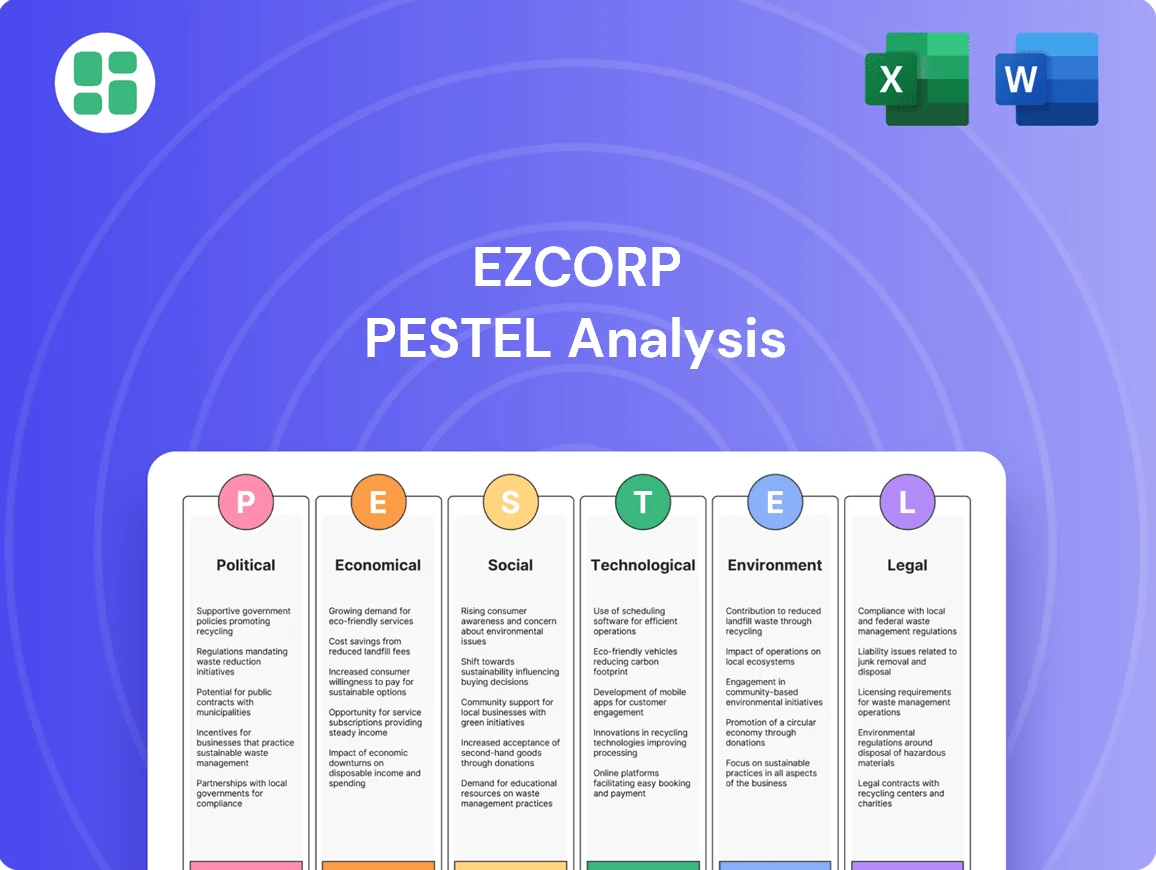
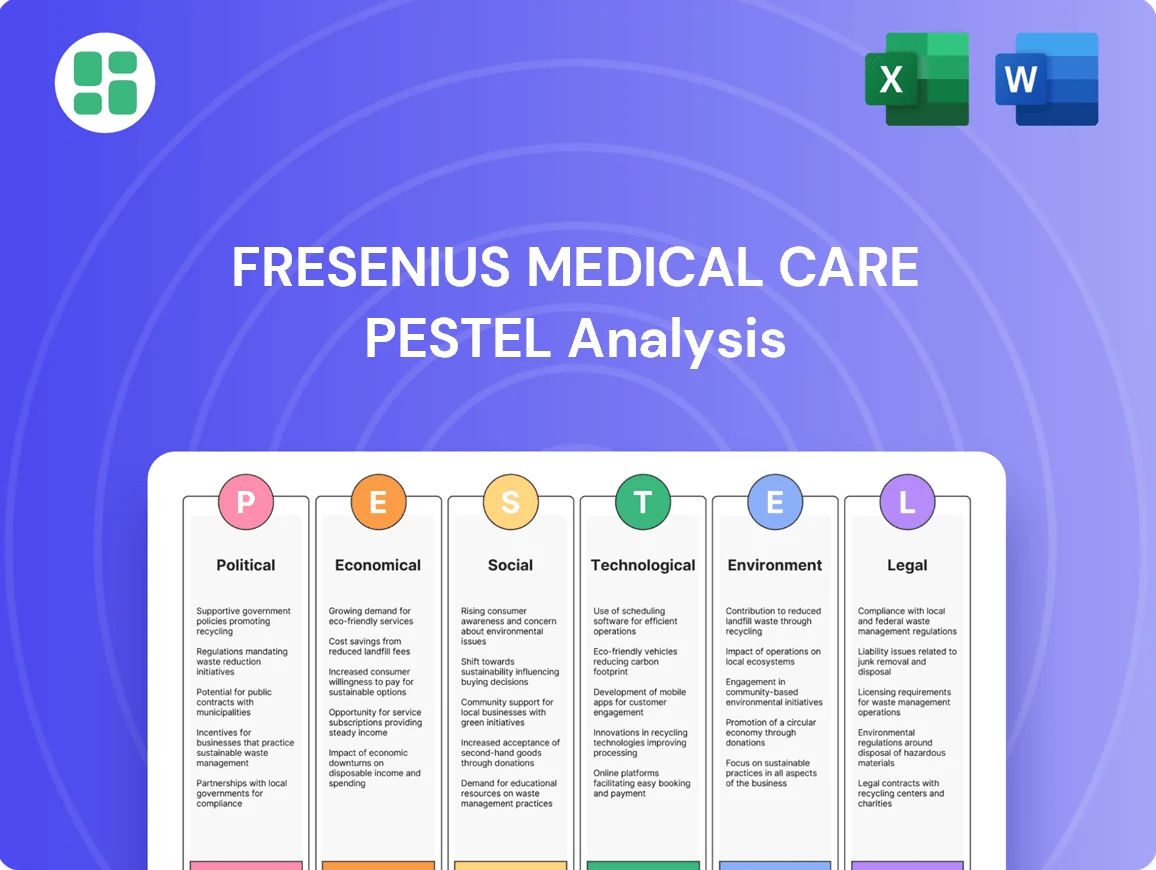
Evergreen Marine Corp. (Taiwan) PESTLE Analysis

Plan Smarter. Present Sharper. Compete Stronger.
Evergreen Marine Corp. (Taiwan) operates within a dynamic global landscape shaped by political shifts, economic volatility, and evolving social expectations. Understanding these external forces is crucial for strategic planning and risk mitigation in the competitive shipping industry. Our PESTLE analysis dives deep into these critical factors, offering actionable intelligence.
Gain an edge with our in-depth PESTEL Analysis—crafted specifically for Evergreen Marine Corp. (Taiwan). Discover how external forces are shaping the company’s future, and use these insights to strengthen your own market strategy. Download the full version now and get actionable intelligence at your fingertips.
Political factors

Geopolitical Tensions and Trade Routes
Geopolitical instability, particularly the ongoing Red Sea crisis and heightened tensions in the Taiwan Strait, directly disrupts major shipping lanes. This forces companies like Evergreen to reroute, as seen with vessels diverting around the Cape of Good Hope, adding significant transit time and escalating fuel and operational expenses. For example, rerouting around Africa can add 10-14 days to a voyage compared to the Suez Canal.
Furthermore, persistent US-China trade friction, including potential tariffs on Chinese-built vessels, poses a threat to supply chain resilience. Such measures could inflate shipping costs and encourage businesses to seek more diversified sourcing and logistics strategies, impacting Evergreen's route planning and pricing.
Government Trade Policies and Tariffs
Changes in government trade policies and the imposition of tariffs significantly impact Evergreen Marine Corp. For instance, the US tariffs on Chinese goods, which saw various rounds and adjustments throughout 2023 and into early 2024, directly influence cargo volumes and freight rates. This creates a dynamic environment where Evergreen must adapt its routes and services to navigate these shifts.
As a global carrier, Evergreen is particularly sensitive to fluctuating trade environments. Shifts in traditional shipping patterns, driven by policies like those seen with US-China trade tensions, can increase logistical complexities and require strategic adjustments to vessel deployment and capacity management. The ongoing evolution of these policies necessitates continuous monitoring and adaptation.
Furthermore, government trade policies can actively encourage trends such as 'friendshoring' or supply chain diversification. This movement, gaining traction in 2024 as nations seek to build more resilient supply chains, can lead to the development of new, albeit potentially smaller, trade lanes and a re-evaluation of established routes, impacting Evergreen's long-term strategic planning.

International Maritime Regulations and Compliance
International maritime regulations, particularly from the International Maritime Organization (IMO) and the European Union, are increasingly shaping shipping operations. These frameworks, focusing on emissions, safety, and environmental protection, demand substantial investment and strategic adjustments from carriers like Evergreen Marine Corp. For instance, the IMO's Ballast Water Management Convention, fully effective since September 2017, requires all ships to manage their ballast water to prevent the transfer of invasive aquatic species, a significant operational and capital expenditure.
Evergreen must navigate these evolving global and regional legal landscapes to maintain operational integrity and market access. Failure to comply with standards such as the IMO's 2020 sulfur cap, which mandated a reduction in sulfur content in fuel oil to 0.5% m/m, could result in substantial fines and reputational damage. The ongoing development of the EU's Emissions Trading System (ETS) for shipping, set to include maritime transport from 2024, will further necessitate investments in greener technologies and operational efficiencies to manage carbon costs, with initial estimates suggesting significant compliance expenses for the sector.

Alliance Restructuring and Competition Policy
The shipping industry is in constant flux due to alliance restructuring. For instance, the dissolution of the 2M alliance (Maersk and MSC) in early 2025 signals a significant shift. Evergreen, as a member of the Ocean Alliance, will likely see its competitive positioning and operational strategies influenced by these broader industry realignments. This can affect everything from how ships are deployed to which routes are prioritized, impacting market share.
Global regulatory bodies are increasingly scrutinizing these large shipping alliances. Concerns about antitrust and fair competition mean that the flexibility and scope of cooperation within alliances are under review. This regulatory oversight can shape the terms of engagement for carriers like Evergreen, influencing their ability to collaborate on capacity and pricing.
- Ocean Alliance Membership: Evergreen remains a key member of the Ocean Alliance, alongside CMA CGM and COSCO.
- Market Share Impact: Shifts in major alliances, like the 2M dissolution, can redistribute market share and alter competitive dynamics on key trade lanes.
- Regulatory Scrutiny: Antitrust concerns are a constant factor, with regulators in regions like the EU and US monitoring alliance activities.
- Capacity Management: Alliance members coordinate vessel deployment, and changes in alliances can lead to adjustments in overall industry capacity.
Political Stability in Taiwan
Political stability in Taiwan is a critical factor for Evergreen Marine Corp. As a Taiwan-based entity, the company’s operations are intrinsically linked to the geopolitical landscape, particularly the relationship between Taiwan and mainland China. Any significant shifts in cross-strait relations can directly impact its business environment.
Escalating geopolitical tensions in the region pose a substantial risk. These tensions can disrupt global supply chains, affecting Evergreen’s shipping routes and the overall demand for its services. For instance, in early 2024, heightened military exercises by China around Taiwan led to temporary shipping diversions and increased insurance premiums for vessels operating in the area, impacting operational costs.
- Geopolitical Risk: Increased military activity or political disputes between Taiwan and China can lead to shipping disruptions and higher operational costs.
- Market Access: Political instability can affect Evergreen's access to key markets, especially those reliant on stable trade routes through the Taiwan Strait.
- Investment Climate: A volatile political environment can deter foreign and domestic investment, potentially limiting Evergreen's ability to fund expansion or upgrades.
Political Tides Shape Shipping Routes and Costs
Political factors significantly influence Evergreen Marine Corp.'s operations through trade policies and geopolitical stability. For example, US tariffs on Chinese goods, which saw adjustments throughout 2023 and into early 2024, directly impact cargo volumes and freight rates, requiring Evergreen to adapt its routes and services. Additionally, geopolitical instability, such as the Red Sea crisis in late 2023 and early 2024, forces rerouting, adding considerable transit time and costs, with diversions around Africa potentially adding 10-14 days to voyages.
What is included in the product
 Detailed Word Document
This PESTLE analysis of Evergreen Marine Corp. (Taiwan) examines the Political, Economic, Social, Technological, Environmental, and Legal forces shaping its operational landscape.
It provides a comprehensive understanding of external influences, offering strategic insights for navigating opportunities and mitigating risks within the global shipping industry.

 Customizable Excel Spreadsheet
This PESTLE analysis for Evergreen Marine Corp. (Taiwan) acts as a pain point reliever by providing a structured overview of external factors, enabling proactive strategy development and mitigating potential risks.
It offers a concise, easily digestible format perfect for quick alignment across teams and supports informed decision-making regarding market positioning and external challenges.
Economic factors

Global Freight Rates and Market Volatility
Global freight rates have been on a rollercoaster. The Red Sea crisis in late 2023 and early 2024 significantly boosted container shipping costs, with spot rates for major East-West trade lanes soaring. For instance, the Shanghai Containerized Freight Index (SCFI) saw substantial increases during this period.
This surge translated into strong profitability for companies like Evergreen Marine Corp. in 2024. However, the market is shifting. Projections for 2025 indicate a potential easing of freight rates as new vessel capacity comes online and demand growth remains moderate, creating a more balanced market dynamic.
Evergreen's financial performance is intrinsically linked to these freight rate fluctuations. The company's profitability in 2025 will heavily depend on its ability to navigate this evolving market equilibrium and manage the impact of increased supply against demand.
Fuel Price Fluctuations and Operational Costs
Fuel costs are a significant operational expense for Evergreen Marine Corp., directly influencing their profitability. Global oil price volatility, a persistent factor in 2024 and projected into 2025, directly impacts the cost of traditional bunker fuels, which remain a primary energy source for their fleet. For instance, crude oil prices have seen considerable swings, with Brent crude averaging around $80-$85 per barrel in early 2024, a key benchmark for bunker fuel costs.
The ongoing transition to alternative fuels presents a dual challenge for Evergreen. While crucial for environmental compliance and sustainability goals, these greener options often come with a price premium. Sourcing these fuels and developing the necessary infrastructure are also new cost considerations that will shape operational expenditures through 2025, potentially adding to the already volatile fuel expense landscape.

Global Economic Growth and Consumer Demand
The global economic outlook significantly shapes Evergreen Marine Corp.'s operational volume. Forecasts suggest a moderate global GDP growth of around 2.7% for 2025, a figure that, while positive, could be constrained by lingering inflationary pressures and geopolitical uncertainties.
Consumer demand is a critical driver for shipping, as it dictates the flow of goods. However, potential headwinds such as persistent inflation impacting purchasing power and the imposition of increased import tariffs in major trading blocs like the European Union or the United States could dampen consumer spending and, consequently, reduce the demand for containerized freight.
Evergreen's financial performance is therefore closely tied to these macroeconomic trends. For instance, a slowdown in consumer spending in key markets, which account for a substantial portion of global trade, could directly translate into lower cargo volumes for Evergreen, impacting their revenue and profitability.

Supply Chain Disruptions and Resilience Investments
Ongoing supply chain challenges, including port congestion and container shortages, continue to affect shipping efficiency and costs for companies like Evergreen Marine Corp. For instance, the ongoing labor negotiations with the International Longshoremen's Association (ILA) in late 2024 could introduce further volatility and potential disruptions at key North American ports.
To navigate these persistent issues, Evergreen must prioritize investments in supply chain resilience. This includes strategies such as diversifying port calls and developing more flexible routing options to mitigate the impact of unforeseen delays and maintain service reliability.
- Port Congestion: Global port congestion remained a significant factor in 2024, with average vessel waiting times fluctuating but generally elevated compared to pre-pandemic levels.
- Container Availability: While the severe container shortages of 2021-2022 eased, imbalances and regional shortages still occurred throughout 2024, impacting Evergreen's operational fluidity.
- Labor Relations: The ILA's contract negotiations, set to conclude by September 30, 2024, represent a critical juncture for East Coast US ports, with potential for work stoppages impacting Evergreen's operations.
- Resilience Investment: Companies are increasing spending on supply chain visibility tools and alternative logistics providers, with global spending on supply chain management software projected to grow significantly in the coming years.
Investment in Fleet Capacity and Modernization
Evergreen Marine Corp. (Taiwan) is significantly investing in fleet capacity and modernization to stay competitive and meet evolving environmental standards. This includes the acquisition of new, larger vessels designed for greater fuel efficiency. For instance, Evergreen ordered six 24,000-TEU LNG dual-fuel container ships from Hanwha Ocean, a move that underscores their commitment to sustainability and operational excellence.
These substantial capital expenditures, while crucial for maintaining a modern and efficient fleet, directly influence Evergreen's financial leverage and future operational cost structures. The introduction of these advanced vessels aims to reduce fuel consumption and emissions, aligning with stricter global environmental regulations and enhancing their market position.
Key aspects of Evergreen's investment strategy include:
- Fleet Expansion: Acquiring larger capacity vessels to capitalize on economies of scale.
- Fuel Efficiency: Prioritizing LNG dual-fuel technology to lower operating costs and environmental impact.
- Modernization: Replacing older, less efficient ships with state-of-the-art tonnage.
- Financial Impact: Managing the significant capital outlay and its effect on debt and future expenses.
2025 Shipping Outlook: Navigating Economic Headwinds and Cost Pressures
Global economic growth forecasts for 2025 point to a moderate expansion, around 2.7%, but this could be tempered by ongoing inflation and geopolitical tensions. Consumer demand, a key driver for shipping volumes, might face headwinds from reduced purchasing power due to persistent inflation and potential import tariffs in major economies.
Evergreen's profitability in 2025 will be closely watched as freight rates are expected to stabilize after the 2024 surge, influenced by new vessel capacity entering the market. Fuel costs remain a significant variable, with oil price volatility impacting bunker fuel expenses, while the adoption of pricier alternative fuels adds another layer of cost consideration.
Preview the Actual Deliverable
Evergreen Marine Corp. (Taiwan) PESTLE Analysis
The preview shown here is the exact document you’ll receive after purchase—fully formatted and ready to use. This comprehensive PESTLE analysis of Evergreen Marine Corp. (Taiwan) delves into the Political, Economic, Social, Technological, Legal, and Environmental factors impacting the global shipping industry. Understand the key drivers and challenges shaping Evergreen's strategic landscape.

Product Information
Product Information
Shipping & Returns
Shipping & Returns

Evergreen Marine Corp. (Taiwan) PESTLE Analysis
Evergreen Marine Corp. (Taiwan) PESTLE Analysis
Plan Smarter. Present Sharper. Compete Stronger.
Evergreen Marine Corp. (Taiwan) operates within a dynamic global landscape shaped by political shifts, economic volatility, and evolving social expectations. Understanding these external forces is crucial for strategic planning and risk mitigation in the competitive shipping industry. Our PESTLE analysis dives deep into these critical factors, offering actionable intelligence.
Gain an edge with our in-depth PESTEL Analysis—crafted specifically for Evergreen Marine Corp. (Taiwan). Discover how external forces are shaping the company’s future, and use these insights to strengthen your own market strategy. Download the full version now and get actionable intelligence at your fingertips.
Political factors
Geopolitical Tensions and Trade Routes
Geopolitical instability, particularly the ongoing Red Sea crisis and heightened tensions in the Taiwan Strait, directly disrupts major shipping lanes. This forces companies like Evergreen to reroute, as seen with vessels diverting around the Cape of Good Hope, adding significant transit time and escalating fuel and operational expenses. For example, rerouting around Africa can add 10-14 days to a voyage compared to the Suez Canal.
Furthermore, persistent US-China trade friction, including potential tariffs on Chinese-built vessels, poses a threat to supply chain resilience. Such measures could inflate shipping costs and encourage businesses to seek more diversified sourcing and logistics strategies, impacting Evergreen's route planning and pricing.
Government Trade Policies and Tariffs
Changes in government trade policies and the imposition of tariffs significantly impact Evergreen Marine Corp. For instance, the US tariffs on Chinese goods, which saw various rounds and adjustments throughout 2023 and into early 2024, directly influence cargo volumes and freight rates. This creates a dynamic environment where Evergreen must adapt its routes and services to navigate these shifts.
As a global carrier, Evergreen is particularly sensitive to fluctuating trade environments. Shifts in traditional shipping patterns, driven by policies like those seen with US-China trade tensions, can increase logistical complexities and require strategic adjustments to vessel deployment and capacity management. The ongoing evolution of these policies necessitates continuous monitoring and adaptation.
Furthermore, government trade policies can actively encourage trends such as 'friendshoring' or supply chain diversification. This movement, gaining traction in 2024 as nations seek to build more resilient supply chains, can lead to the development of new, albeit potentially smaller, trade lanes and a re-evaluation of established routes, impacting Evergreen's long-term strategic planning.
International Maritime Regulations and Compliance
International maritime regulations, particularly from the International Maritime Organization (IMO) and the European Union, are increasingly shaping shipping operations. These frameworks, focusing on emissions, safety, and environmental protection, demand substantial investment and strategic adjustments from carriers like Evergreen Marine Corp. For instance, the IMO's Ballast Water Management Convention, fully effective since September 2017, requires all ships to manage their ballast water to prevent the transfer of invasive aquatic species, a significant operational and capital expenditure.
Evergreen must navigate these evolving global and regional legal landscapes to maintain operational integrity and market access. Failure to comply with standards such as the IMO's 2020 sulfur cap, which mandated a reduction in sulfur content in fuel oil to 0.5% m/m, could result in substantial fines and reputational damage. The ongoing development of the EU's Emissions Trading System (ETS) for shipping, set to include maritime transport from 2024, will further necessitate investments in greener technologies and operational efficiencies to manage carbon costs, with initial estimates suggesting significant compliance expenses for the sector.
Alliance Restructuring and Competition Policy
The shipping industry is in constant flux due to alliance restructuring. For instance, the dissolution of the 2M alliance (Maersk and MSC) in early 2025 signals a significant shift. Evergreen, as a member of the Ocean Alliance, will likely see its competitive positioning and operational strategies influenced by these broader industry realignments. This can affect everything from how ships are deployed to which routes are prioritized, impacting market share.
Global regulatory bodies are increasingly scrutinizing these large shipping alliances. Concerns about antitrust and fair competition mean that the flexibility and scope of cooperation within alliances are under review. This regulatory oversight can shape the terms of engagement for carriers like Evergreen, influencing their ability to collaborate on capacity and pricing.
- Ocean Alliance Membership: Evergreen remains a key member of the Ocean Alliance, alongside CMA CGM and COSCO.
- Market Share Impact: Shifts in major alliances, like the 2M dissolution, can redistribute market share and alter competitive dynamics on key trade lanes.
- Regulatory Scrutiny: Antitrust concerns are a constant factor, with regulators in regions like the EU and US monitoring alliance activities.
- Capacity Management: Alliance members coordinate vessel deployment, and changes in alliances can lead to adjustments in overall industry capacity.
Political Stability in Taiwan
Political stability in Taiwan is a critical factor for Evergreen Marine Corp. As a Taiwan-based entity, the company’s operations are intrinsically linked to the geopolitical landscape, particularly the relationship between Taiwan and mainland China. Any significant shifts in cross-strait relations can directly impact its business environment.
Escalating geopolitical tensions in the region pose a substantial risk. These tensions can disrupt global supply chains, affecting Evergreen’s shipping routes and the overall demand for its services. For instance, in early 2024, heightened military exercises by China around Taiwan led to temporary shipping diversions and increased insurance premiums for vessels operating in the area, impacting operational costs.
- Geopolitical Risk: Increased military activity or political disputes between Taiwan and China can lead to shipping disruptions and higher operational costs.
- Market Access: Political instability can affect Evergreen's access to key markets, especially those reliant on stable trade routes through the Taiwan Strait.
- Investment Climate: A volatile political environment can deter foreign and domestic investment, potentially limiting Evergreen's ability to fund expansion or upgrades.
Political Tides Shape Shipping Routes and Costs
Political factors significantly influence Evergreen Marine Corp.'s operations through trade policies and geopolitical stability. For example, US tariffs on Chinese goods, which saw adjustments throughout 2023 and into early 2024, directly impact cargo volumes and freight rates, requiring Evergreen to adapt its routes and services. Additionally, geopolitical instability, such as the Red Sea crisis in late 2023 and early 2024, forces rerouting, adding considerable transit time and costs, with diversions around Africa potentially adding 10-14 days to voyages.
What is included in the product
Detailed Word Document
This PESTLE analysis of Evergreen Marine Corp. (Taiwan) examines the Political, Economic, Social, Technological, Environmental, and Legal forces shaping its operational landscape.
It provides a comprehensive understanding of external influences, offering strategic insights for navigating opportunities and mitigating risks within the global shipping industry.
Customizable Excel Spreadsheet
This PESTLE analysis for Evergreen Marine Corp. (Taiwan) acts as a pain point reliever by providing a structured overview of external factors, enabling proactive strategy development and mitigating potential risks.
It offers a concise, easily digestible format perfect for quick alignment across teams and supports informed decision-making regarding market positioning and external challenges.
Economic factors
Global Freight Rates and Market Volatility
Global freight rates have been on a rollercoaster. The Red Sea crisis in late 2023 and early 2024 significantly boosted container shipping costs, with spot rates for major East-West trade lanes soaring. For instance, the Shanghai Containerized Freight Index (SCFI) saw substantial increases during this period.
This surge translated into strong profitability for companies like Evergreen Marine Corp. in 2024. However, the market is shifting. Projections for 2025 indicate a potential easing of freight rates as new vessel capacity comes online and demand growth remains moderate, creating a more balanced market dynamic.
Evergreen's financial performance is intrinsically linked to these freight rate fluctuations. The company's profitability in 2025 will heavily depend on its ability to navigate this evolving market equilibrium and manage the impact of increased supply against demand.
Fuel Price Fluctuations and Operational Costs
Fuel costs are a significant operational expense for Evergreen Marine Corp., directly influencing their profitability. Global oil price volatility, a persistent factor in 2024 and projected into 2025, directly impacts the cost of traditional bunker fuels, which remain a primary energy source for their fleet. For instance, crude oil prices have seen considerable swings, with Brent crude averaging around $80-$85 per barrel in early 2024, a key benchmark for bunker fuel costs.
The ongoing transition to alternative fuels presents a dual challenge for Evergreen. While crucial for environmental compliance and sustainability goals, these greener options often come with a price premium. Sourcing these fuels and developing the necessary infrastructure are also new cost considerations that will shape operational expenditures through 2025, potentially adding to the already volatile fuel expense landscape.
Global Economic Growth and Consumer Demand
The global economic outlook significantly shapes Evergreen Marine Corp.'s operational volume. Forecasts suggest a moderate global GDP growth of around 2.7% for 2025, a figure that, while positive, could be constrained by lingering inflationary pressures and geopolitical uncertainties.
Consumer demand is a critical driver for shipping, as it dictates the flow of goods. However, potential headwinds such as persistent inflation impacting purchasing power and the imposition of increased import tariffs in major trading blocs like the European Union or the United States could dampen consumer spending and, consequently, reduce the demand for containerized freight.
Evergreen's financial performance is therefore closely tied to these macroeconomic trends. For instance, a slowdown in consumer spending in key markets, which account for a substantial portion of global trade, could directly translate into lower cargo volumes for Evergreen, impacting their revenue and profitability.
Supply Chain Disruptions and Resilience Investments
Ongoing supply chain challenges, including port congestion and container shortages, continue to affect shipping efficiency and costs for companies like Evergreen Marine Corp. For instance, the ongoing labor negotiations with the International Longshoremen's Association (ILA) in late 2024 could introduce further volatility and potential disruptions at key North American ports.
To navigate these persistent issues, Evergreen must prioritize investments in supply chain resilience. This includes strategies such as diversifying port calls and developing more flexible routing options to mitigate the impact of unforeseen delays and maintain service reliability.
- Port Congestion: Global port congestion remained a significant factor in 2024, with average vessel waiting times fluctuating but generally elevated compared to pre-pandemic levels.
- Container Availability: While the severe container shortages of 2021-2022 eased, imbalances and regional shortages still occurred throughout 2024, impacting Evergreen's operational fluidity.
- Labor Relations: The ILA's contract negotiations, set to conclude by September 30, 2024, represent a critical juncture for East Coast US ports, with potential for work stoppages impacting Evergreen's operations.
- Resilience Investment: Companies are increasing spending on supply chain visibility tools and alternative logistics providers, with global spending on supply chain management software projected to grow significantly in the coming years.
Investment in Fleet Capacity and Modernization
Evergreen Marine Corp. (Taiwan) is significantly investing in fleet capacity and modernization to stay competitive and meet evolving environmental standards. This includes the acquisition of new, larger vessels designed for greater fuel efficiency. For instance, Evergreen ordered six 24,000-TEU LNG dual-fuel container ships from Hanwha Ocean, a move that underscores their commitment to sustainability and operational excellence.
These substantial capital expenditures, while crucial for maintaining a modern and efficient fleet, directly influence Evergreen's financial leverage and future operational cost structures. The introduction of these advanced vessels aims to reduce fuel consumption and emissions, aligning with stricter global environmental regulations and enhancing their market position.
Key aspects of Evergreen's investment strategy include:
- Fleet Expansion: Acquiring larger capacity vessels to capitalize on economies of scale.
- Fuel Efficiency: Prioritizing LNG dual-fuel technology to lower operating costs and environmental impact.
- Modernization: Replacing older, less efficient ships with state-of-the-art tonnage.
- Financial Impact: Managing the significant capital outlay and its effect on debt and future expenses.
2025 Shipping Outlook: Navigating Economic Headwinds and Cost Pressures
Global economic growth forecasts for 2025 point to a moderate expansion, around 2.7%, but this could be tempered by ongoing inflation and geopolitical tensions. Consumer demand, a key driver for shipping volumes, might face headwinds from reduced purchasing power due to persistent inflation and potential import tariffs in major economies.
Evergreen's profitability in 2025 will be closely watched as freight rates are expected to stabilize after the 2024 surge, influenced by new vessel capacity entering the market. Fuel costs remain a significant variable, with oil price volatility impacting bunker fuel expenses, while the adoption of pricier alternative fuels adds another layer of cost consideration.
Preview the Actual Deliverable
Evergreen Marine Corp. (Taiwan) PESTLE Analysis
The preview shown here is the exact document you’ll receive after purchase—fully formatted and ready to use. This comprehensive PESTLE analysis of Evergreen Marine Corp. (Taiwan) delves into the Political, Economic, Social, Technological, Legal, and Environmental factors impacting the global shipping industry. Understand the key drivers and challenges shaping Evergreen's strategic landscape.
Original: $10.00
-65%$10.00
$3.50Product Information
Product Information
Shipping & Returns
Shipping & Returns
Description
Plan Smarter. Present Sharper. Compete Stronger.
Evergreen Marine Corp. (Taiwan) operates within a dynamic global landscape shaped by political shifts, economic volatility, and evolving social expectations. Understanding these external forces is crucial for strategic planning and risk mitigation in the competitive shipping industry. Our PESTLE analysis dives deep into these critical factors, offering actionable intelligence.
Gain an edge with our in-depth PESTEL Analysis—crafted specifically for Evergreen Marine Corp. (Taiwan). Discover how external forces are shaping the company’s future, and use these insights to strengthen your own market strategy. Download the full version now and get actionable intelligence at your fingertips.
Political factors
Geopolitical Tensions and Trade Routes
Geopolitical instability, particularly the ongoing Red Sea crisis and heightened tensions in the Taiwan Strait, directly disrupts major shipping lanes. This forces companies like Evergreen to reroute, as seen with vessels diverting around the Cape of Good Hope, adding significant transit time and escalating fuel and operational expenses. For example, rerouting around Africa can add 10-14 days to a voyage compared to the Suez Canal.
Furthermore, persistent US-China trade friction, including potential tariffs on Chinese-built vessels, poses a threat to supply chain resilience. Such measures could inflate shipping costs and encourage businesses to seek more diversified sourcing and logistics strategies, impacting Evergreen's route planning and pricing.
Government Trade Policies and Tariffs
Changes in government trade policies and the imposition of tariffs significantly impact Evergreen Marine Corp. For instance, the US tariffs on Chinese goods, which saw various rounds and adjustments throughout 2023 and into early 2024, directly influence cargo volumes and freight rates. This creates a dynamic environment where Evergreen must adapt its routes and services to navigate these shifts.
As a global carrier, Evergreen is particularly sensitive to fluctuating trade environments. Shifts in traditional shipping patterns, driven by policies like those seen with US-China trade tensions, can increase logistical complexities and require strategic adjustments to vessel deployment and capacity management. The ongoing evolution of these policies necessitates continuous monitoring and adaptation.
Furthermore, government trade policies can actively encourage trends such as 'friendshoring' or supply chain diversification. This movement, gaining traction in 2024 as nations seek to build more resilient supply chains, can lead to the development of new, albeit potentially smaller, trade lanes and a re-evaluation of established routes, impacting Evergreen's long-term strategic planning.
International Maritime Regulations and Compliance
International maritime regulations, particularly from the International Maritime Organization (IMO) and the European Union, are increasingly shaping shipping operations. These frameworks, focusing on emissions, safety, and environmental protection, demand substantial investment and strategic adjustments from carriers like Evergreen Marine Corp. For instance, the IMO's Ballast Water Management Convention, fully effective since September 2017, requires all ships to manage their ballast water to prevent the transfer of invasive aquatic species, a significant operational and capital expenditure.
Evergreen must navigate these evolving global and regional legal landscapes to maintain operational integrity and market access. Failure to comply with standards such as the IMO's 2020 sulfur cap, which mandated a reduction in sulfur content in fuel oil to 0.5% m/m, could result in substantial fines and reputational damage. The ongoing development of the EU's Emissions Trading System (ETS) for shipping, set to include maritime transport from 2024, will further necessitate investments in greener technologies and operational efficiencies to manage carbon costs, with initial estimates suggesting significant compliance expenses for the sector.
Alliance Restructuring and Competition Policy
The shipping industry is in constant flux due to alliance restructuring. For instance, the dissolution of the 2M alliance (Maersk and MSC) in early 2025 signals a significant shift. Evergreen, as a member of the Ocean Alliance, will likely see its competitive positioning and operational strategies influenced by these broader industry realignments. This can affect everything from how ships are deployed to which routes are prioritized, impacting market share.
Global regulatory bodies are increasingly scrutinizing these large shipping alliances. Concerns about antitrust and fair competition mean that the flexibility and scope of cooperation within alliances are under review. This regulatory oversight can shape the terms of engagement for carriers like Evergreen, influencing their ability to collaborate on capacity and pricing.
- Ocean Alliance Membership: Evergreen remains a key member of the Ocean Alliance, alongside CMA CGM and COSCO.
- Market Share Impact: Shifts in major alliances, like the 2M dissolution, can redistribute market share and alter competitive dynamics on key trade lanes.
- Regulatory Scrutiny: Antitrust concerns are a constant factor, with regulators in regions like the EU and US monitoring alliance activities.
- Capacity Management: Alliance members coordinate vessel deployment, and changes in alliances can lead to adjustments in overall industry capacity.
Political Stability in Taiwan
Political stability in Taiwan is a critical factor for Evergreen Marine Corp. As a Taiwan-based entity, the company’s operations are intrinsically linked to the geopolitical landscape, particularly the relationship between Taiwan and mainland China. Any significant shifts in cross-strait relations can directly impact its business environment.
Escalating geopolitical tensions in the region pose a substantial risk. These tensions can disrupt global supply chains, affecting Evergreen’s shipping routes and the overall demand for its services. For instance, in early 2024, heightened military exercises by China around Taiwan led to temporary shipping diversions and increased insurance premiums for vessels operating in the area, impacting operational costs.
- Geopolitical Risk: Increased military activity or political disputes between Taiwan and China can lead to shipping disruptions and higher operational costs.
- Market Access: Political instability can affect Evergreen's access to key markets, especially those reliant on stable trade routes through the Taiwan Strait.
- Investment Climate: A volatile political environment can deter foreign and domestic investment, potentially limiting Evergreen's ability to fund expansion or upgrades.
Political Tides Shape Shipping Routes and Costs
Political factors significantly influence Evergreen Marine Corp.'s operations through trade policies and geopolitical stability. For example, US tariffs on Chinese goods, which saw adjustments throughout 2023 and into early 2024, directly impact cargo volumes and freight rates, requiring Evergreen to adapt its routes and services. Additionally, geopolitical instability, such as the Red Sea crisis in late 2023 and early 2024, forces rerouting, adding considerable transit time and costs, with diversions around Africa potentially adding 10-14 days to voyages.
What is included in the product
Detailed Word Document
This PESTLE analysis of Evergreen Marine Corp. (Taiwan) examines the Political, Economic, Social, Technological, Environmental, and Legal forces shaping its operational landscape.
It provides a comprehensive understanding of external influences, offering strategic insights for navigating opportunities and mitigating risks within the global shipping industry.
Customizable Excel Spreadsheet
This PESTLE analysis for Evergreen Marine Corp. (Taiwan) acts as a pain point reliever by providing a structured overview of external factors, enabling proactive strategy development and mitigating potential risks.
It offers a concise, easily digestible format perfect for quick alignment across teams and supports informed decision-making regarding market positioning and external challenges.
Economic factors
Global Freight Rates and Market Volatility
Global freight rates have been on a rollercoaster. The Red Sea crisis in late 2023 and early 2024 significantly boosted container shipping costs, with spot rates for major East-West trade lanes soaring. For instance, the Shanghai Containerized Freight Index (SCFI) saw substantial increases during this period.
This surge translated into strong profitability for companies like Evergreen Marine Corp. in 2024. However, the market is shifting. Projections for 2025 indicate a potential easing of freight rates as new vessel capacity comes online and demand growth remains moderate, creating a more balanced market dynamic.
Evergreen's financial performance is intrinsically linked to these freight rate fluctuations. The company's profitability in 2025 will heavily depend on its ability to navigate this evolving market equilibrium and manage the impact of increased supply against demand.
Fuel Price Fluctuations and Operational Costs
Fuel costs are a significant operational expense for Evergreen Marine Corp., directly influencing their profitability. Global oil price volatility, a persistent factor in 2024 and projected into 2025, directly impacts the cost of traditional bunker fuels, which remain a primary energy source for their fleet. For instance, crude oil prices have seen considerable swings, with Brent crude averaging around $80-$85 per barrel in early 2024, a key benchmark for bunker fuel costs.
The ongoing transition to alternative fuels presents a dual challenge for Evergreen. While crucial for environmental compliance and sustainability goals, these greener options often come with a price premium. Sourcing these fuels and developing the necessary infrastructure are also new cost considerations that will shape operational expenditures through 2025, potentially adding to the already volatile fuel expense landscape.
Global Economic Growth and Consumer Demand
The global economic outlook significantly shapes Evergreen Marine Corp.'s operational volume. Forecasts suggest a moderate global GDP growth of around 2.7% for 2025, a figure that, while positive, could be constrained by lingering inflationary pressures and geopolitical uncertainties.
Consumer demand is a critical driver for shipping, as it dictates the flow of goods. However, potential headwinds such as persistent inflation impacting purchasing power and the imposition of increased import tariffs in major trading blocs like the European Union or the United States could dampen consumer spending and, consequently, reduce the demand for containerized freight.
Evergreen's financial performance is therefore closely tied to these macroeconomic trends. For instance, a slowdown in consumer spending in key markets, which account for a substantial portion of global trade, could directly translate into lower cargo volumes for Evergreen, impacting their revenue and profitability.
Supply Chain Disruptions and Resilience Investments
Ongoing supply chain challenges, including port congestion and container shortages, continue to affect shipping efficiency and costs for companies like Evergreen Marine Corp. For instance, the ongoing labor negotiations with the International Longshoremen's Association (ILA) in late 2024 could introduce further volatility and potential disruptions at key North American ports.
To navigate these persistent issues, Evergreen must prioritize investments in supply chain resilience. This includes strategies such as diversifying port calls and developing more flexible routing options to mitigate the impact of unforeseen delays and maintain service reliability.
- Port Congestion: Global port congestion remained a significant factor in 2024, with average vessel waiting times fluctuating but generally elevated compared to pre-pandemic levels.
- Container Availability: While the severe container shortages of 2021-2022 eased, imbalances and regional shortages still occurred throughout 2024, impacting Evergreen's operational fluidity.
- Labor Relations: The ILA's contract negotiations, set to conclude by September 30, 2024, represent a critical juncture for East Coast US ports, with potential for work stoppages impacting Evergreen's operations.
- Resilience Investment: Companies are increasing spending on supply chain visibility tools and alternative logistics providers, with global spending on supply chain management software projected to grow significantly in the coming years.
Investment in Fleet Capacity and Modernization
Evergreen Marine Corp. (Taiwan) is significantly investing in fleet capacity and modernization to stay competitive and meet evolving environmental standards. This includes the acquisition of new, larger vessels designed for greater fuel efficiency. For instance, Evergreen ordered six 24,000-TEU LNG dual-fuel container ships from Hanwha Ocean, a move that underscores their commitment to sustainability and operational excellence.
These substantial capital expenditures, while crucial for maintaining a modern and efficient fleet, directly influence Evergreen's financial leverage and future operational cost structures. The introduction of these advanced vessels aims to reduce fuel consumption and emissions, aligning with stricter global environmental regulations and enhancing their market position.
Key aspects of Evergreen's investment strategy include:
- Fleet Expansion: Acquiring larger capacity vessels to capitalize on economies of scale.
- Fuel Efficiency: Prioritizing LNG dual-fuel technology to lower operating costs and environmental impact.
- Modernization: Replacing older, less efficient ships with state-of-the-art tonnage.
- Financial Impact: Managing the significant capital outlay and its effect on debt and future expenses.
2025 Shipping Outlook: Navigating Economic Headwinds and Cost Pressures
Global economic growth forecasts for 2025 point to a moderate expansion, around 2.7%, but this could be tempered by ongoing inflation and geopolitical tensions. Consumer demand, a key driver for shipping volumes, might face headwinds from reduced purchasing power due to persistent inflation and potential import tariffs in major economies.
Evergreen's profitability in 2025 will be closely watched as freight rates are expected to stabilize after the 2024 surge, influenced by new vessel capacity entering the market. Fuel costs remain a significant variable, with oil price volatility impacting bunker fuel expenses, while the adoption of pricier alternative fuels adds another layer of cost consideration.
Preview the Actual Deliverable
Evergreen Marine Corp. (Taiwan) PESTLE Analysis
The preview shown here is the exact document you’ll receive after purchase—fully formatted and ready to use. This comprehensive PESTLE analysis of Evergreen Marine Corp. (Taiwan) delves into the Political, Economic, Social, Technological, Legal, and Environmental factors impacting the global shipping industry. Understand the key drivers and challenges shaping Evergreen's strategic landscape.