DLF PESTLE Analysis

Skip the Research. Get the Strategy.
Navigate the complex external forces shaping DLF's future with our comprehensive PESTLE analysis. Understand how political stability, economic shifts, technological advancements, environmental concerns, and legal frameworks are impacting the company's operations and strategic direction. Equip yourself with actionable intelligence to make informed decisions and gain a competitive edge. Download the full PESTLE analysis now to unlock a deeper understanding of DLF's market landscape.
Political factors

Government Policies and Reforms
The Indian government's commitment to affordable housing, exemplified by schemes like the Pradhan Mantri Awas Yojana (PMAY), directly influences DLF's residential segment by boosting demand for mid-income housing. As of early 2024, PMAY has facilitated millions of homeownership opportunities, creating a sustained market for developers like DLF.
Furthermore, the ongoing emphasis on infrastructure development, including transportation networks and urban rejuvenation projects, creates favorable conditions for real estate growth. This focus on improving connectivity and urban amenities enhances the attractiveness of DLF's projects in key growth corridors.
Initiatives aimed at fostering smart city development and improving ease of doing business in the construction sector present further avenues for DLF's expansion. These policy shifts can streamline project approvals and encourage investment in large-scale, integrated urban developments.
Regulatory Environment and RERA
The Real Estate (Regulation and Development) Act, RERA, remains a cornerstone in shaping India's real estate sector. Its primary aim is to foster transparency, boost accountability, and safeguard the interests of homebuyers. DLF, like all developers, must meticulously follow RERA's directives concerning project registration, detailed financial disclosures, and adherence to delivery schedules. This regulatory framework directly impacts project execution timelines and incurs compliance-related expenses for the company.

Political Stability and Investment Climate
India's political landscape significantly shapes DLF's investment climate. A stable government and predictable policy environment are vital for attracting the substantial capital required for large-scale real estate projects, fostering investor confidence.
Government initiatives aimed at boosting Foreign Direct Investment (FDI) in real estate directly benefit DLF by opening avenues for crucial capital infusion. For instance, the relaxation of FDI norms in 2019, allowing 100% foreign investment in completed projects and development projects with conditions, has been a key enabler.
Furthermore, policies like the Real Estate (Regulation and Development) Act, 2016 (RERA) aim to enhance transparency and accountability, which, while creating compliance requirements, ultimately contribute to a more robust and trustworthy investment ecosystem for developers like DLF.

Urban Planning and Zoning Laws
Changes in urban planning and zoning laws significantly influence DLF's operational capacity. Evolving land use policies and development regulations directly impact DLF's land acquisition strategies, project approval timelines, and the feasibility of specific construction types. For instance, stricter zoning in metropolitan areas can increase land acquisition costs and lengthen project development cycles, potentially affecting DLF's revenue recognition and project pipeline. In 2023, India's urban population reached approximately 450 million, highlighting the growing importance of effective urban planning for real estate developers like DLF.
These regulatory shifts can either streamline or impede DLF's project execution. For example, the introduction of mixed-use zoning in key urban centers could open new development avenues for DLF, allowing for integrated residential, commercial, and retail spaces. Conversely, restrictive zoning that limits building heights or density in prime locations can constrain the scale and profitability of DLF's planned projects, impacting its market share and growth trajectory.
Key considerations for DLF include:
- Land Acquisition: Stricter zoning can limit the availability of suitable land parcels, driving up acquisition costs.
- Project Approvals: Changes in building codes and environmental regulations can delay or complicate the approval process for new developments.
- Development Potential: Zoning laws dictate the type and scale of projects DLF can undertake, influencing its portfolio diversification and revenue streams.
Infrastructure Development Initiatives
Government-led infrastructure projects significantly boost the value and accessibility of DLF's properties. For instance, the Indian government's National Infrastructure Pipeline (NIP) for 2024-2029, with an outlay of INR 111 lakh crore (approximately USD 1.3 trillion), includes substantial investments in roads, railways, and urban infrastructure. These developments directly benefit DLF by opening up new micro-markets and increasing demand for residential and commercial spaces in previously underserved areas.
These infrastructure enhancements are crucial for DLF's expansion strategies. New expressways and metro lines reduce commute times, making DLF's residential projects more attractive to a wider demographic. Similarly, improved logistics and connectivity from commercial infrastructure projects can draw businesses to DLF's office spaces, thereby driving rental yields and property appreciation. The ongoing focus on regional connectivity, such as the development of economic corridors, is expected to unlock further growth potential for DLF's land banks.
- Enhanced Accessibility: Projects like the Delhi-Mumbai Expressway, with a significant portion completed by early 2024, drastically cut travel times, making DLF's NCR properties more accessible and desirable.
- New Market Creation: Government investment in metro expansion, such as the ongoing phase IV of the Delhi Metro, is projected to add over 100 km of new lines by 2026, opening up new residential and commercial hubs where DLF can develop.
- Economic Corridor Development: Initiatives like the Bharatmala Pariyojana aim to develop 34,800 km of national highways by 2025-26, which will improve connectivity to DLF's projects in tier-2 and tier-3 cities.
- Increased Property Values: Proximity to enhanced public transport and road networks has historically correlated with a 10-20% increase in property values, a trend that benefits DLF's portfolio.
Policy & Infrastructure: Driving Property Growth
Government policies promoting affordable housing, such as the Pradhan Mantri Awas Yojana (PMAY), continue to stimulate demand in the mid-income housing segment, directly benefiting DLF's residential projects. The ongoing focus on infrastructure development, including expressways and metro expansions, enhances property accessibility and value, creating new growth corridors for DLF's developments.
Regulatory frameworks like RERA are crucial for market transparency and buyer confidence, impacting DLF's project execution and compliance costs. Government initiatives encouraging FDI in real estate, with relaxed norms in recent years, provide vital capital infusion opportunities for large-scale projects undertaken by DLF.
Changes in urban planning and zoning laws significantly influence DLF's land acquisition and development potential, affecting project feasibility and timelines. For instance, stricter zoning can increase land costs, while mixed-use zoning can unlock new development avenues.
What is included in the product
 Detailed Word Document
The DLF PESTLE analysis provides a comprehensive examination of the external macro-environmental factors influencing the company's operations and strategic decisions across Political, Economic, Social, Technological, Environmental, and Legal dimensions.

 Customizable Excel Spreadsheet
The DLF PESTLE Analysis offers a structured framework that simplifies complex external factors, alleviating the pain of information overload and enabling clearer strategic decision-making.
Economic factors

Economic Growth and GDP Contribution
India's economic expansion is a major driver for DLF, as a growing economy directly translates to increased demand in the real estate market. The sector is anticipated to boost its contribution to India's Gross Domestic Product (GDP), with projections indicating a significant uptick by 2025.
A robust economy means more people have higher disposable incomes and a greater capacity to invest. This financial health fuels demand across DLF's wide range of properties, from residential spaces to commercial developments.
Interest Rates and Credit Availability
Fluctuations in interest rates, particularly those set by the Reserve Bank of India (RBI), directly influence DLF's operational costs and the affordability of homes for its customers. For instance, in early 2024, the RBI maintained its repo rate at 6.5%, a level that has supported relatively stable borrowing costs for developers and mortgage rates for buyers.
When interest rates are low, as they have been for a significant period leading up to mid-2025, it generally translates to lower home loan EMIs, thereby boosting demand for residential properties. Conversely, any upward revision in interest rates can dampen buyer sentiment and increase the cost of capital for DLF's new project developments.
Increased availability of credit, both for individual homebuyers and for developers like DLF, is crucial for market liquidity and sales velocity. Banks and financial institutions' willingness to lend, influenced by regulatory policies and economic conditions, directly impacts the pace of property transactions and the financial health of real estate companies.

Inflation and Construction Costs
Persistent inflation in 2024 and 2025 continues to exert upward pressure on construction inputs for DLF. We've observed significant increases in the cost of key materials like steel and cement, with some reports indicating year-over-year hikes exceeding 10% in late 2024. This directly translates to higher project development expenses.
These rising costs challenge DLF's ability to maintain project profitability and necessitate careful adjustments to their pricing strategies for new developments. Effectively managing these escalating expenses is paramount for preserving healthy profit margins and ensuring competitive positioning within the real estate market.

Disposable Income and Consumer Spending
Increasing disposable incomes in India are a significant tailwind for DLF. As more households move into the affluent category, their capacity and willingness to spend on discretionary items, including premium housing, rises substantially. This trend directly benefits DLF's core residential business, particularly its luxury offerings.
The growth in disposable income also fuels consumer spending across various sectors, which positively impacts DLF's commercial and retail portfolios. A stronger retail environment means higher occupancy rates and rental income for DLF's shopping malls and office spaces.
- Rising Disposable Income: India's per capita disposable income is projected to grow significantly, with estimates suggesting a compound annual growth rate of over 6% in the coming years, reaching over $3,000 by 2027.
- Affluent Class Expansion: The number of high-net-worth individuals (HNIs) in India has seen robust growth, with projections indicating a continued upward trajectory, further bolstering demand for premium real estate.
- Consumer Spending Boost: Retail sales in India have been on an upward trend, with the sector expected to see continued expansion, driven by increased purchasing power and evolving consumer preferences.
- DLF's Premium Segment Performance: DLF has reported strong sales in its luxury and premium housing projects, indicating a direct correlation between rising disposable incomes and demand for its high-end properties.
Foreign and Domestic Investment
The Indian real estate market, particularly for large developers like DLF, benefits from a consistent flow of both foreign and domestic investment. This capital infusion, often in the form of foreign direct investment (FDI) and domestic private equity, fuels expansion and project development, signaling strong confidence in the sector's future. For instance, FDI in the real estate sector saw a notable increase, contributing significantly to the overall economic activity.
This sustained investment interest highlights the perceived stability and growth prospects of the Indian property market. It allows developers to undertake ambitious projects, knowing that capital is available to support their ventures. The confidence shown by institutional investors is a crucial indicator of the sector's health and its contribution to the broader economy.
- FDI Inflows: India's real estate sector has consistently attracted substantial FDI, with specific figures showing significant year-on-year growth in recent periods, reflecting international investor confidence. For example, in the fiscal year 2023-24, FDI equity inflows into the construction development sector (which includes real estate) reached a considerable amount, underscoring its attractiveness.
- Domestic Private Equity: Domestic private equity funds have also become increasingly active, deploying capital into Indian real estate projects, further bolstering the financial capacity of developers like DLF. These funds often focus on specific segments or geographies, seeking attractive risk-adjusted returns.
- Impact on Developers: Access to this capital is vital for large-scale developers, enabling them to finance large projects, acquire land, and manage cash flows effectively, thereby supporting their market position and growth strategies.
Economic Trends: Powering Real Estate Demand, Managing Costs
India's economic expansion directly fuels demand for DLF's real estate offerings, with projections showing the sector contributing significantly to GDP by 2025. Rising disposable incomes, exemplified by a projected over 6% CAGR in per capita disposable income, empower more consumers to invest in premium housing, benefiting DLF's luxury segment. This economic health also boosts DLF's commercial and retail portfolios through increased consumer spending, as evidenced by the consistent upward trend in retail sales.
Interest rate stability, with the RBI's repo rate at 6.5% in early 2024, supports borrowing affordability for homebuyers and manageable capital costs for DLF. However, persistent inflation in 2024-2025 has driven up construction material costs, with steel and cement prices seeing year-over-year hikes exceeding 10% in late 2024, impacting project profitability and requiring strategic pricing adjustments.
Significant FDI inflows into India's real estate sector, with substantial year-on-year growth in FY 2023-24 for construction development, alongside active domestic private equity, underscore investor confidence and provide crucial capital for DLF's large-scale projects and expansion plans.
| Economic Factor | 2024-2025 Data/Trend | Impact on DLF |
| GDP Growth | Projected significant contribution by 2025 | Increased demand for real estate |
| Disposable Income | Projected >6% CAGR | Boosts demand for premium housing and retail |
| Interest Rates (Repo Rate) | Maintained at 6.5% (early 2024) | Stable borrowing costs for buyers and developers |
| Inflation | Persistent upward pressure on inputs | Increased project development costs (e.g., steel, cement up >10% YoY late 2024) |
| FDI in Real Estate | Substantial inflows, significant growth FY23-24 | Provides capital for expansion and project financing |
Preview Before You Purchase
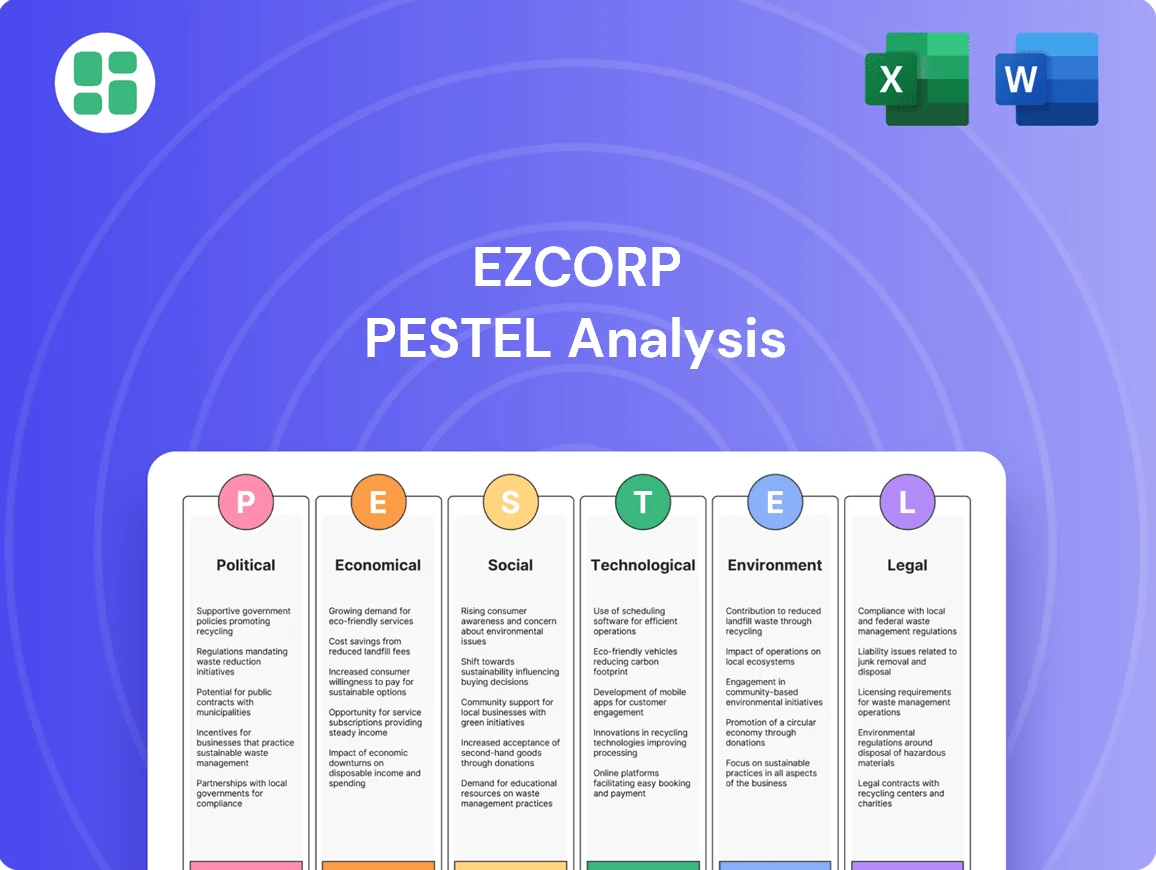
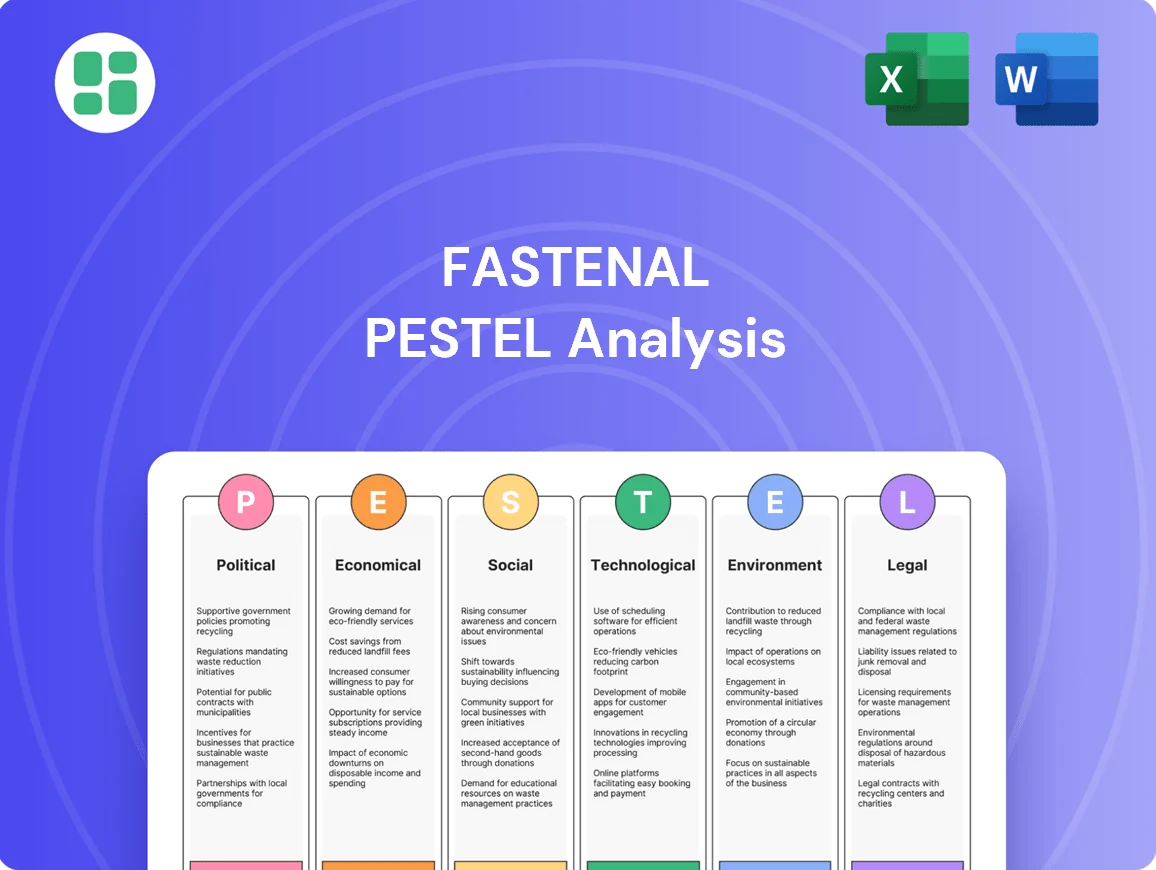
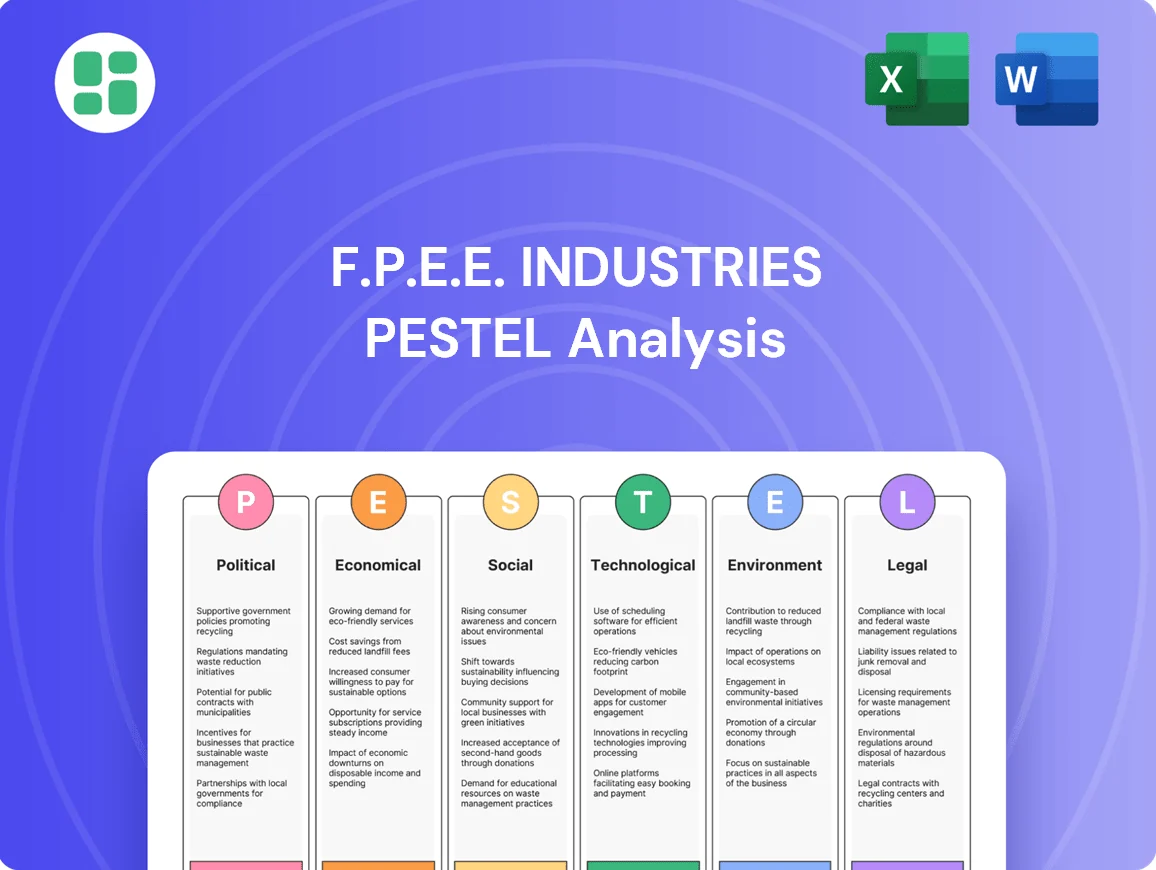
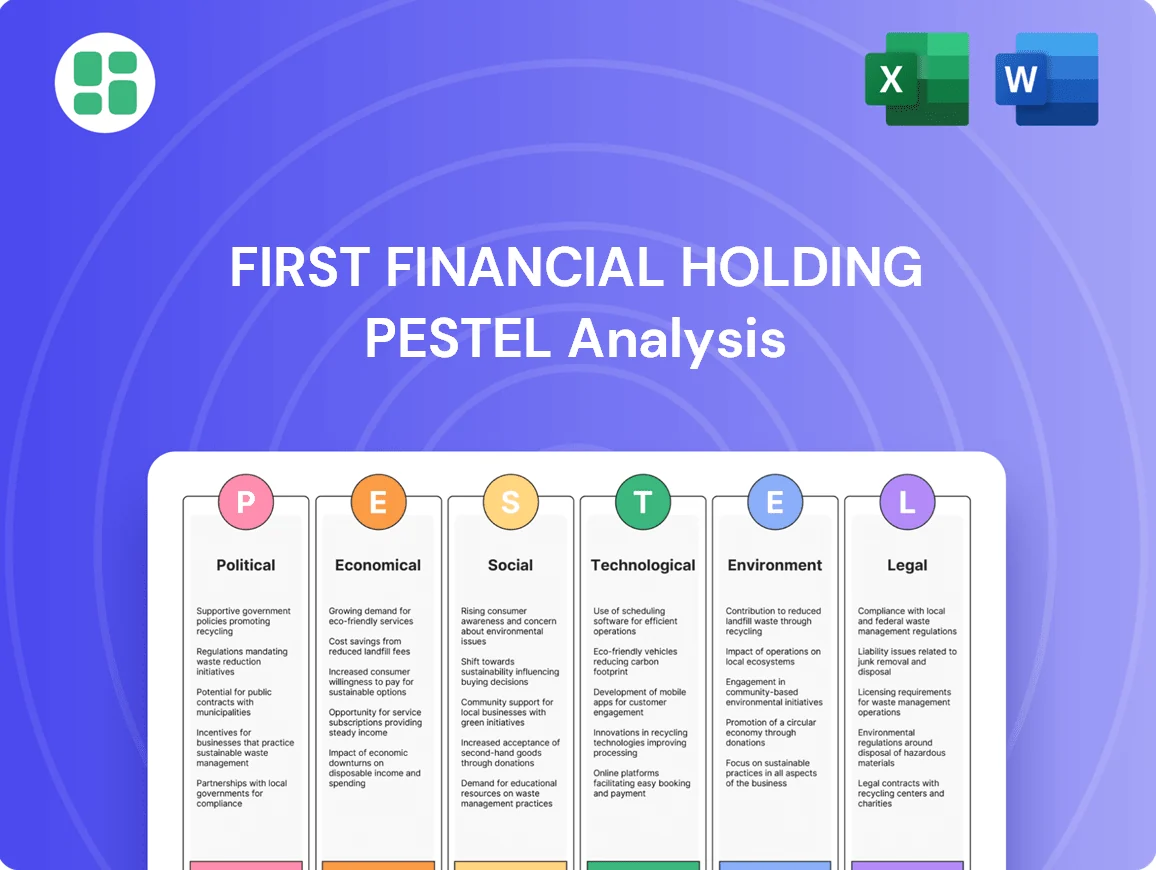
DLF PESTLE Analysis
The preview shown here is the exact DLF PESTLE Analysis document you’ll receive after purchase—fully formatted and ready to use.
This is a real screenshot of the product you’re buying—delivered exactly as shown, no surprises. You'll gain immediate access to this comprehensive analysis upon completing your purchase.
The content and structure shown in the preview is the same DLF PESTLE Analysis document you’ll download after payment, providing you with all the insights immediately.

Product Information
Product Information
Shipping & Returns
Shipping & Returns

DLF PESTLE Analysis
DLF PESTLE Analysis
Skip the Research. Get the Strategy.
Navigate the complex external forces shaping DLF's future with our comprehensive PESTLE analysis. Understand how political stability, economic shifts, technological advancements, environmental concerns, and legal frameworks are impacting the company's operations and strategic direction. Equip yourself with actionable intelligence to make informed decisions and gain a competitive edge. Download the full PESTLE analysis now to unlock a deeper understanding of DLF's market landscape.
Political factors
Government Policies and Reforms
The Indian government's commitment to affordable housing, exemplified by schemes like the Pradhan Mantri Awas Yojana (PMAY), directly influences DLF's residential segment by boosting demand for mid-income housing. As of early 2024, PMAY has facilitated millions of homeownership opportunities, creating a sustained market for developers like DLF.
Furthermore, the ongoing emphasis on infrastructure development, including transportation networks and urban rejuvenation projects, creates favorable conditions for real estate growth. This focus on improving connectivity and urban amenities enhances the attractiveness of DLF's projects in key growth corridors.
Initiatives aimed at fostering smart city development and improving ease of doing business in the construction sector present further avenues for DLF's expansion. These policy shifts can streamline project approvals and encourage investment in large-scale, integrated urban developments.
Regulatory Environment and RERA
The Real Estate (Regulation and Development) Act, RERA, remains a cornerstone in shaping India's real estate sector. Its primary aim is to foster transparency, boost accountability, and safeguard the interests of homebuyers. DLF, like all developers, must meticulously follow RERA's directives concerning project registration, detailed financial disclosures, and adherence to delivery schedules. This regulatory framework directly impacts project execution timelines and incurs compliance-related expenses for the company.
Political Stability and Investment Climate
India's political landscape significantly shapes DLF's investment climate. A stable government and predictable policy environment are vital for attracting the substantial capital required for large-scale real estate projects, fostering investor confidence.
Government initiatives aimed at boosting Foreign Direct Investment (FDI) in real estate directly benefit DLF by opening avenues for crucial capital infusion. For instance, the relaxation of FDI norms in 2019, allowing 100% foreign investment in completed projects and development projects with conditions, has been a key enabler.
Furthermore, policies like the Real Estate (Regulation and Development) Act, 2016 (RERA) aim to enhance transparency and accountability, which, while creating compliance requirements, ultimately contribute to a more robust and trustworthy investment ecosystem for developers like DLF.
Urban Planning and Zoning Laws
Changes in urban planning and zoning laws significantly influence DLF's operational capacity. Evolving land use policies and development regulations directly impact DLF's land acquisition strategies, project approval timelines, and the feasibility of specific construction types. For instance, stricter zoning in metropolitan areas can increase land acquisition costs and lengthen project development cycles, potentially affecting DLF's revenue recognition and project pipeline. In 2023, India's urban population reached approximately 450 million, highlighting the growing importance of effective urban planning for real estate developers like DLF.
These regulatory shifts can either streamline or impede DLF's project execution. For example, the introduction of mixed-use zoning in key urban centers could open new development avenues for DLF, allowing for integrated residential, commercial, and retail spaces. Conversely, restrictive zoning that limits building heights or density in prime locations can constrain the scale and profitability of DLF's planned projects, impacting its market share and growth trajectory.
Key considerations for DLF include:
- Land Acquisition: Stricter zoning can limit the availability of suitable land parcels, driving up acquisition costs.
- Project Approvals: Changes in building codes and environmental regulations can delay or complicate the approval process for new developments.
- Development Potential: Zoning laws dictate the type and scale of projects DLF can undertake, influencing its portfolio diversification and revenue streams.
Infrastructure Development Initiatives
Government-led infrastructure projects significantly boost the value and accessibility of DLF's properties. For instance, the Indian government's National Infrastructure Pipeline (NIP) for 2024-2029, with an outlay of INR 111 lakh crore (approximately USD 1.3 trillion), includes substantial investments in roads, railways, and urban infrastructure. These developments directly benefit DLF by opening up new micro-markets and increasing demand for residential and commercial spaces in previously underserved areas.
These infrastructure enhancements are crucial for DLF's expansion strategies. New expressways and metro lines reduce commute times, making DLF's residential projects more attractive to a wider demographic. Similarly, improved logistics and connectivity from commercial infrastructure projects can draw businesses to DLF's office spaces, thereby driving rental yields and property appreciation. The ongoing focus on regional connectivity, such as the development of economic corridors, is expected to unlock further growth potential for DLF's land banks.
- Enhanced Accessibility: Projects like the Delhi-Mumbai Expressway, with a significant portion completed by early 2024, drastically cut travel times, making DLF's NCR properties more accessible and desirable.
- New Market Creation: Government investment in metro expansion, such as the ongoing phase IV of the Delhi Metro, is projected to add over 100 km of new lines by 2026, opening up new residential and commercial hubs where DLF can develop.
- Economic Corridor Development: Initiatives like the Bharatmala Pariyojana aim to develop 34,800 km of national highways by 2025-26, which will improve connectivity to DLF's projects in tier-2 and tier-3 cities.
- Increased Property Values: Proximity to enhanced public transport and road networks has historically correlated with a 10-20% increase in property values, a trend that benefits DLF's portfolio.
Policy & Infrastructure: Driving Property Growth
Government policies promoting affordable housing, such as the Pradhan Mantri Awas Yojana (PMAY), continue to stimulate demand in the mid-income housing segment, directly benefiting DLF's residential projects. The ongoing focus on infrastructure development, including expressways and metro expansions, enhances property accessibility and value, creating new growth corridors for DLF's developments.
Regulatory frameworks like RERA are crucial for market transparency and buyer confidence, impacting DLF's project execution and compliance costs. Government initiatives encouraging FDI in real estate, with relaxed norms in recent years, provide vital capital infusion opportunities for large-scale projects undertaken by DLF.
Changes in urban planning and zoning laws significantly influence DLF's land acquisition and development potential, affecting project feasibility and timelines. For instance, stricter zoning can increase land costs, while mixed-use zoning can unlock new development avenues.
What is included in the product
Detailed Word Document
The DLF PESTLE analysis provides a comprehensive examination of the external macro-environmental factors influencing the company's operations and strategic decisions across Political, Economic, Social, Technological, Environmental, and Legal dimensions.
Customizable Excel Spreadsheet
The DLF PESTLE Analysis offers a structured framework that simplifies complex external factors, alleviating the pain of information overload and enabling clearer strategic decision-making.
Economic factors
Economic Growth and GDP Contribution
India's economic expansion is a major driver for DLF, as a growing economy directly translates to increased demand in the real estate market. The sector is anticipated to boost its contribution to India's Gross Domestic Product (GDP), with projections indicating a significant uptick by 2025.
A robust economy means more people have higher disposable incomes and a greater capacity to invest. This financial health fuels demand across DLF's wide range of properties, from residential spaces to commercial developments.
Interest Rates and Credit Availability
Fluctuations in interest rates, particularly those set by the Reserve Bank of India (RBI), directly influence DLF's operational costs and the affordability of homes for its customers. For instance, in early 2024, the RBI maintained its repo rate at 6.5%, a level that has supported relatively stable borrowing costs for developers and mortgage rates for buyers.
When interest rates are low, as they have been for a significant period leading up to mid-2025, it generally translates to lower home loan EMIs, thereby boosting demand for residential properties. Conversely, any upward revision in interest rates can dampen buyer sentiment and increase the cost of capital for DLF's new project developments.
Increased availability of credit, both for individual homebuyers and for developers like DLF, is crucial for market liquidity and sales velocity. Banks and financial institutions' willingness to lend, influenced by regulatory policies and economic conditions, directly impacts the pace of property transactions and the financial health of real estate companies.
Inflation and Construction Costs
Persistent inflation in 2024 and 2025 continues to exert upward pressure on construction inputs for DLF. We've observed significant increases in the cost of key materials like steel and cement, with some reports indicating year-over-year hikes exceeding 10% in late 2024. This directly translates to higher project development expenses.
These rising costs challenge DLF's ability to maintain project profitability and necessitate careful adjustments to their pricing strategies for new developments. Effectively managing these escalating expenses is paramount for preserving healthy profit margins and ensuring competitive positioning within the real estate market.
Disposable Income and Consumer Spending
Increasing disposable incomes in India are a significant tailwind for DLF. As more households move into the affluent category, their capacity and willingness to spend on discretionary items, including premium housing, rises substantially. This trend directly benefits DLF's core residential business, particularly its luxury offerings.
The growth in disposable income also fuels consumer spending across various sectors, which positively impacts DLF's commercial and retail portfolios. A stronger retail environment means higher occupancy rates and rental income for DLF's shopping malls and office spaces.
- Rising Disposable Income: India's per capita disposable income is projected to grow significantly, with estimates suggesting a compound annual growth rate of over 6% in the coming years, reaching over $3,000 by 2027.
- Affluent Class Expansion: The number of high-net-worth individuals (HNIs) in India has seen robust growth, with projections indicating a continued upward trajectory, further bolstering demand for premium real estate.
- Consumer Spending Boost: Retail sales in India have been on an upward trend, with the sector expected to see continued expansion, driven by increased purchasing power and evolving consumer preferences.
- DLF's Premium Segment Performance: DLF has reported strong sales in its luxury and premium housing projects, indicating a direct correlation between rising disposable incomes and demand for its high-end properties.
Foreign and Domestic Investment
The Indian real estate market, particularly for large developers like DLF, benefits from a consistent flow of both foreign and domestic investment. This capital infusion, often in the form of foreign direct investment (FDI) and domestic private equity, fuels expansion and project development, signaling strong confidence in the sector's future. For instance, FDI in the real estate sector saw a notable increase, contributing significantly to the overall economic activity.
This sustained investment interest highlights the perceived stability and growth prospects of the Indian property market. It allows developers to undertake ambitious projects, knowing that capital is available to support their ventures. The confidence shown by institutional investors is a crucial indicator of the sector's health and its contribution to the broader economy.
- FDI Inflows: India's real estate sector has consistently attracted substantial FDI, with specific figures showing significant year-on-year growth in recent periods, reflecting international investor confidence. For example, in the fiscal year 2023-24, FDI equity inflows into the construction development sector (which includes real estate) reached a considerable amount, underscoring its attractiveness.
- Domestic Private Equity: Domestic private equity funds have also become increasingly active, deploying capital into Indian real estate projects, further bolstering the financial capacity of developers like DLF. These funds often focus on specific segments or geographies, seeking attractive risk-adjusted returns.
- Impact on Developers: Access to this capital is vital for large-scale developers, enabling them to finance large projects, acquire land, and manage cash flows effectively, thereby supporting their market position and growth strategies.
Economic Trends: Powering Real Estate Demand, Managing Costs
India's economic expansion directly fuels demand for DLF's real estate offerings, with projections showing the sector contributing significantly to GDP by 2025. Rising disposable incomes, exemplified by a projected over 6% CAGR in per capita disposable income, empower more consumers to invest in premium housing, benefiting DLF's luxury segment. This economic health also boosts DLF's commercial and retail portfolios through increased consumer spending, as evidenced by the consistent upward trend in retail sales.
Interest rate stability, with the RBI's repo rate at 6.5% in early 2024, supports borrowing affordability for homebuyers and manageable capital costs for DLF. However, persistent inflation in 2024-2025 has driven up construction material costs, with steel and cement prices seeing year-over-year hikes exceeding 10% in late 2024, impacting project profitability and requiring strategic pricing adjustments.
Significant FDI inflows into India's real estate sector, with substantial year-on-year growth in FY 2023-24 for construction development, alongside active domestic private equity, underscore investor confidence and provide crucial capital for DLF's large-scale projects and expansion plans.
| Economic Factor | 2024-2025 Data/Trend | Impact on DLF |
| GDP Growth | Projected significant contribution by 2025 | Increased demand for real estate |
| Disposable Income | Projected >6% CAGR | Boosts demand for premium housing and retail |
| Interest Rates (Repo Rate) | Maintained at 6.5% (early 2024) | Stable borrowing costs for buyers and developers |
| Inflation | Persistent upward pressure on inputs | Increased project development costs (e.g., steel, cement up >10% YoY late 2024) |
| FDI in Real Estate | Substantial inflows, significant growth FY23-24 | Provides capital for expansion and project financing |
Preview Before You Purchase
DLF PESTLE Analysis
The preview shown here is the exact DLF PESTLE Analysis document you’ll receive after purchase—fully formatted and ready to use.
This is a real screenshot of the product you’re buying—delivered exactly as shown, no surprises. You'll gain immediate access to this comprehensive analysis upon completing your purchase.
The content and structure shown in the preview is the same DLF PESTLE Analysis document you’ll download after payment, providing you with all the insights immediately.
Product Information
Product Information
Shipping & Returns
Shipping & Returns
Description
Skip the Research. Get the Strategy.
Navigate the complex external forces shaping DLF's future with our comprehensive PESTLE analysis. Understand how political stability, economic shifts, technological advancements, environmental concerns, and legal frameworks are impacting the company's operations and strategic direction. Equip yourself with actionable intelligence to make informed decisions and gain a competitive edge. Download the full PESTLE analysis now to unlock a deeper understanding of DLF's market landscape.
Political factors
Government Policies and Reforms
The Indian government's commitment to affordable housing, exemplified by schemes like the Pradhan Mantri Awas Yojana (PMAY), directly influences DLF's residential segment by boosting demand for mid-income housing. As of early 2024, PMAY has facilitated millions of homeownership opportunities, creating a sustained market for developers like DLF.
Furthermore, the ongoing emphasis on infrastructure development, including transportation networks and urban rejuvenation projects, creates favorable conditions for real estate growth. This focus on improving connectivity and urban amenities enhances the attractiveness of DLF's projects in key growth corridors.
Initiatives aimed at fostering smart city development and improving ease of doing business in the construction sector present further avenues for DLF's expansion. These policy shifts can streamline project approvals and encourage investment in large-scale, integrated urban developments.
Regulatory Environment and RERA
The Real Estate (Regulation and Development) Act, RERA, remains a cornerstone in shaping India's real estate sector. Its primary aim is to foster transparency, boost accountability, and safeguard the interests of homebuyers. DLF, like all developers, must meticulously follow RERA's directives concerning project registration, detailed financial disclosures, and adherence to delivery schedules. This regulatory framework directly impacts project execution timelines and incurs compliance-related expenses for the company.
Political Stability and Investment Climate
India's political landscape significantly shapes DLF's investment climate. A stable government and predictable policy environment are vital for attracting the substantial capital required for large-scale real estate projects, fostering investor confidence.
Government initiatives aimed at boosting Foreign Direct Investment (FDI) in real estate directly benefit DLF by opening avenues for crucial capital infusion. For instance, the relaxation of FDI norms in 2019, allowing 100% foreign investment in completed projects and development projects with conditions, has been a key enabler.
Furthermore, policies like the Real Estate (Regulation and Development) Act, 2016 (RERA) aim to enhance transparency and accountability, which, while creating compliance requirements, ultimately contribute to a more robust and trustworthy investment ecosystem for developers like DLF.
Urban Planning and Zoning Laws
Changes in urban planning and zoning laws significantly influence DLF's operational capacity. Evolving land use policies and development regulations directly impact DLF's land acquisition strategies, project approval timelines, and the feasibility of specific construction types. For instance, stricter zoning in metropolitan areas can increase land acquisition costs and lengthen project development cycles, potentially affecting DLF's revenue recognition and project pipeline. In 2023, India's urban population reached approximately 450 million, highlighting the growing importance of effective urban planning for real estate developers like DLF.
These regulatory shifts can either streamline or impede DLF's project execution. For example, the introduction of mixed-use zoning in key urban centers could open new development avenues for DLF, allowing for integrated residential, commercial, and retail spaces. Conversely, restrictive zoning that limits building heights or density in prime locations can constrain the scale and profitability of DLF's planned projects, impacting its market share and growth trajectory.
Key considerations for DLF include:
- Land Acquisition: Stricter zoning can limit the availability of suitable land parcels, driving up acquisition costs.
- Project Approvals: Changes in building codes and environmental regulations can delay or complicate the approval process for new developments.
- Development Potential: Zoning laws dictate the type and scale of projects DLF can undertake, influencing its portfolio diversification and revenue streams.
Infrastructure Development Initiatives
Government-led infrastructure projects significantly boost the value and accessibility of DLF's properties. For instance, the Indian government's National Infrastructure Pipeline (NIP) for 2024-2029, with an outlay of INR 111 lakh crore (approximately USD 1.3 trillion), includes substantial investments in roads, railways, and urban infrastructure. These developments directly benefit DLF by opening up new micro-markets and increasing demand for residential and commercial spaces in previously underserved areas.
These infrastructure enhancements are crucial for DLF's expansion strategies. New expressways and metro lines reduce commute times, making DLF's residential projects more attractive to a wider demographic. Similarly, improved logistics and connectivity from commercial infrastructure projects can draw businesses to DLF's office spaces, thereby driving rental yields and property appreciation. The ongoing focus on regional connectivity, such as the development of economic corridors, is expected to unlock further growth potential for DLF's land banks.
- Enhanced Accessibility: Projects like the Delhi-Mumbai Expressway, with a significant portion completed by early 2024, drastically cut travel times, making DLF's NCR properties more accessible and desirable.
- New Market Creation: Government investment in metro expansion, such as the ongoing phase IV of the Delhi Metro, is projected to add over 100 km of new lines by 2026, opening up new residential and commercial hubs where DLF can develop.
- Economic Corridor Development: Initiatives like the Bharatmala Pariyojana aim to develop 34,800 km of national highways by 2025-26, which will improve connectivity to DLF's projects in tier-2 and tier-3 cities.
- Increased Property Values: Proximity to enhanced public transport and road networks has historically correlated with a 10-20% increase in property values, a trend that benefits DLF's portfolio.
Policy & Infrastructure: Driving Property Growth
Government policies promoting affordable housing, such as the Pradhan Mantri Awas Yojana (PMAY), continue to stimulate demand in the mid-income housing segment, directly benefiting DLF's residential projects. The ongoing focus on infrastructure development, including expressways and metro expansions, enhances property accessibility and value, creating new growth corridors for DLF's developments.
Regulatory frameworks like RERA are crucial for market transparency and buyer confidence, impacting DLF's project execution and compliance costs. Government initiatives encouraging FDI in real estate, with relaxed norms in recent years, provide vital capital infusion opportunities for large-scale projects undertaken by DLF.
Changes in urban planning and zoning laws significantly influence DLF's land acquisition and development potential, affecting project feasibility and timelines. For instance, stricter zoning can increase land costs, while mixed-use zoning can unlock new development avenues.
What is included in the product
Detailed Word Document
The DLF PESTLE analysis provides a comprehensive examination of the external macro-environmental factors influencing the company's operations and strategic decisions across Political, Economic, Social, Technological, Environmental, and Legal dimensions.
Customizable Excel Spreadsheet
The DLF PESTLE Analysis offers a structured framework that simplifies complex external factors, alleviating the pain of information overload and enabling clearer strategic decision-making.
Economic factors
Economic Growth and GDP Contribution
India's economic expansion is a major driver for DLF, as a growing economy directly translates to increased demand in the real estate market. The sector is anticipated to boost its contribution to India's Gross Domestic Product (GDP), with projections indicating a significant uptick by 2025.
A robust economy means more people have higher disposable incomes and a greater capacity to invest. This financial health fuels demand across DLF's wide range of properties, from residential spaces to commercial developments.
Interest Rates and Credit Availability
Fluctuations in interest rates, particularly those set by the Reserve Bank of India (RBI), directly influence DLF's operational costs and the affordability of homes for its customers. For instance, in early 2024, the RBI maintained its repo rate at 6.5%, a level that has supported relatively stable borrowing costs for developers and mortgage rates for buyers.
When interest rates are low, as they have been for a significant period leading up to mid-2025, it generally translates to lower home loan EMIs, thereby boosting demand for residential properties. Conversely, any upward revision in interest rates can dampen buyer sentiment and increase the cost of capital for DLF's new project developments.
Increased availability of credit, both for individual homebuyers and for developers like DLF, is crucial for market liquidity and sales velocity. Banks and financial institutions' willingness to lend, influenced by regulatory policies and economic conditions, directly impacts the pace of property transactions and the financial health of real estate companies.
Inflation and Construction Costs
Persistent inflation in 2024 and 2025 continues to exert upward pressure on construction inputs for DLF. We've observed significant increases in the cost of key materials like steel and cement, with some reports indicating year-over-year hikes exceeding 10% in late 2024. This directly translates to higher project development expenses.
These rising costs challenge DLF's ability to maintain project profitability and necessitate careful adjustments to their pricing strategies for new developments. Effectively managing these escalating expenses is paramount for preserving healthy profit margins and ensuring competitive positioning within the real estate market.
Disposable Income and Consumer Spending
Increasing disposable incomes in India are a significant tailwind for DLF. As more households move into the affluent category, their capacity and willingness to spend on discretionary items, including premium housing, rises substantially. This trend directly benefits DLF's core residential business, particularly its luxury offerings.
The growth in disposable income also fuels consumer spending across various sectors, which positively impacts DLF's commercial and retail portfolios. A stronger retail environment means higher occupancy rates and rental income for DLF's shopping malls and office spaces.
- Rising Disposable Income: India's per capita disposable income is projected to grow significantly, with estimates suggesting a compound annual growth rate of over 6% in the coming years, reaching over $3,000 by 2027.
- Affluent Class Expansion: The number of high-net-worth individuals (HNIs) in India has seen robust growth, with projections indicating a continued upward trajectory, further bolstering demand for premium real estate.
- Consumer Spending Boost: Retail sales in India have been on an upward trend, with the sector expected to see continued expansion, driven by increased purchasing power and evolving consumer preferences.
- DLF's Premium Segment Performance: DLF has reported strong sales in its luxury and premium housing projects, indicating a direct correlation between rising disposable incomes and demand for its high-end properties.
Foreign and Domestic Investment
The Indian real estate market, particularly for large developers like DLF, benefits from a consistent flow of both foreign and domestic investment. This capital infusion, often in the form of foreign direct investment (FDI) and domestic private equity, fuels expansion and project development, signaling strong confidence in the sector's future. For instance, FDI in the real estate sector saw a notable increase, contributing significantly to the overall economic activity.
This sustained investment interest highlights the perceived stability and growth prospects of the Indian property market. It allows developers to undertake ambitious projects, knowing that capital is available to support their ventures. The confidence shown by institutional investors is a crucial indicator of the sector's health and its contribution to the broader economy.
- FDI Inflows: India's real estate sector has consistently attracted substantial FDI, with specific figures showing significant year-on-year growth in recent periods, reflecting international investor confidence. For example, in the fiscal year 2023-24, FDI equity inflows into the construction development sector (which includes real estate) reached a considerable amount, underscoring its attractiveness.
- Domestic Private Equity: Domestic private equity funds have also become increasingly active, deploying capital into Indian real estate projects, further bolstering the financial capacity of developers like DLF. These funds often focus on specific segments or geographies, seeking attractive risk-adjusted returns.
- Impact on Developers: Access to this capital is vital for large-scale developers, enabling them to finance large projects, acquire land, and manage cash flows effectively, thereby supporting their market position and growth strategies.
Economic Trends: Powering Real Estate Demand, Managing Costs
India's economic expansion directly fuels demand for DLF's real estate offerings, with projections showing the sector contributing significantly to GDP by 2025. Rising disposable incomes, exemplified by a projected over 6% CAGR in per capita disposable income, empower more consumers to invest in premium housing, benefiting DLF's luxury segment. This economic health also boosts DLF's commercial and retail portfolios through increased consumer spending, as evidenced by the consistent upward trend in retail sales.
Interest rate stability, with the RBI's repo rate at 6.5% in early 2024, supports borrowing affordability for homebuyers and manageable capital costs for DLF. However, persistent inflation in 2024-2025 has driven up construction material costs, with steel and cement prices seeing year-over-year hikes exceeding 10% in late 2024, impacting project profitability and requiring strategic pricing adjustments.
Significant FDI inflows into India's real estate sector, with substantial year-on-year growth in FY 2023-24 for construction development, alongside active domestic private equity, underscore investor confidence and provide crucial capital for DLF's large-scale projects and expansion plans.
| Economic Factor | 2024-2025 Data/Trend | Impact on DLF |
| GDP Growth | Projected significant contribution by 2025 | Increased demand for real estate |
| Disposable Income | Projected >6% CAGR | Boosts demand for premium housing and retail |
| Interest Rates (Repo Rate) | Maintained at 6.5% (early 2024) | Stable borrowing costs for buyers and developers |
| Inflation | Persistent upward pressure on inputs | Increased project development costs (e.g., steel, cement up >10% YoY late 2024) |
| FDI in Real Estate | Substantial inflows, significant growth FY23-24 | Provides capital for expansion and project financing |
Preview Before You Purchase
DLF PESTLE Analysis
The preview shown here is the exact DLF PESTLE Analysis document you’ll receive after purchase—fully formatted and ready to use.
This is a real screenshot of the product you’re buying—delivered exactly as shown, no surprises. You'll gain immediate access to this comprehensive analysis upon completing your purchase.
The content and structure shown in the preview is the same DLF PESTLE Analysis document you’ll download after payment, providing you with all the insights immediately.