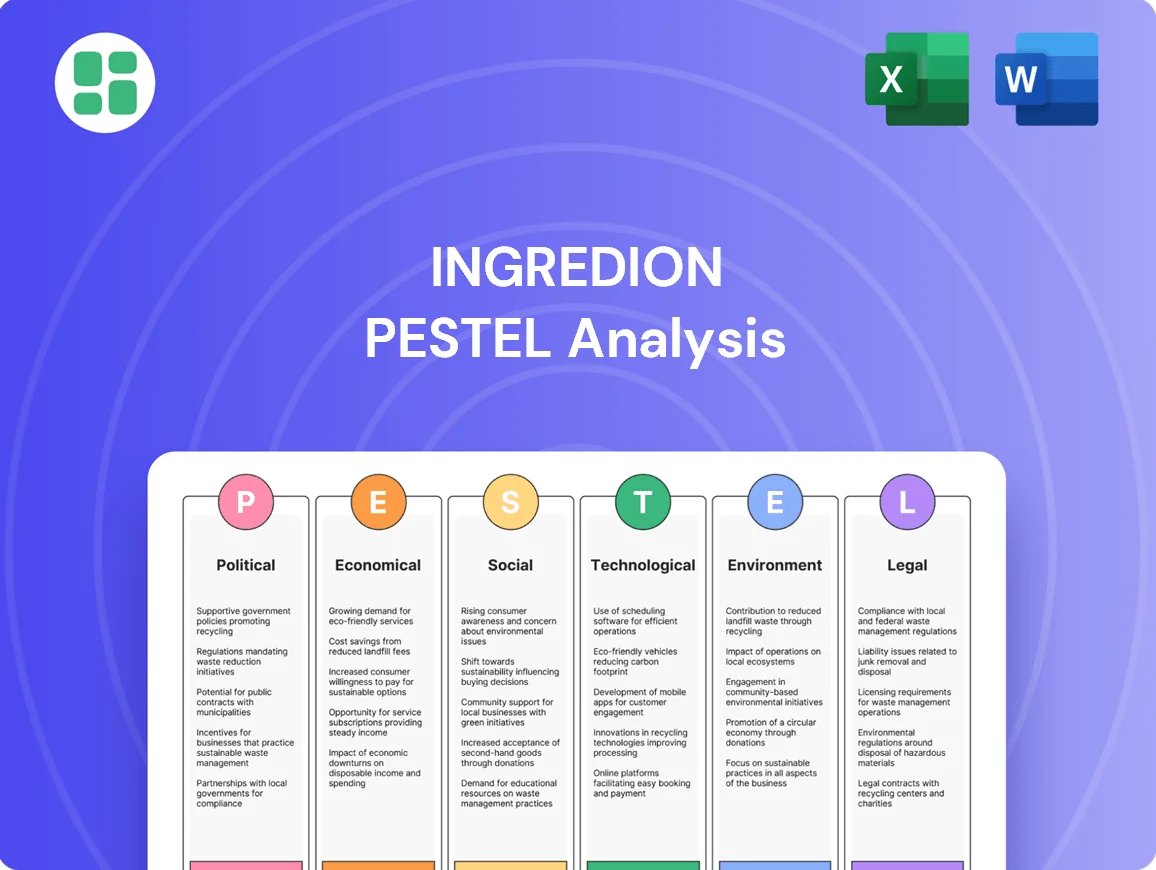
DATAGROUP PESTLE Analysis

Plan Smarter. Present Sharper. Compete Stronger.
Navigate the dynamic landscape of DATAGROUP with our comprehensive PESTLE analysis. Uncover critical insights into the political, economic, social, technological, legal, and environmental factors shaping its trajectory. Equip yourself with the knowledge to anticipate challenges and seize opportunities.
Gain a strategic advantage by understanding the external forces impacting DATAGROUP's operations and future growth. Our expertly crafted PESTLE analysis provides the deep-dive intelligence you need to make informed decisions and refine your market approach. Download the full version now for actionable insights.
Political factors

Government Digitalization Initiatives
The German government and the European Union are making substantial investments in digitalization, particularly within public administration and essential infrastructure. This focus directly translates into significant opportunities for IT service providers such as DATAGROUP, as public sector projects frequently entail extensive, multi-year IT outsourcing agreements.
Policies actively encouraging digital transformation are a direct driver of demand for integrated IT solutions and services. For instance, Germany's Digital Strategy 2025 aimed to accelerate digital public services, and ongoing EU initiatives like the Digital Decade target specific digital advancements, creating a robust market for DATAGROUP's expertise.
Data Sovereignty and EU Policy
The European Union's increasing focus on data sovereignty is a significant political factor, directly influencing how companies handle their digital information. This trend is particularly strong in Germany, where there's a growing demand for cloud solutions and data processing services that are located within the EU.
DATAGROUP's private cloud platform, CORBOX, is well-positioned to capitalize on this. Clients are increasingly opting for providers that guarantee their data remains within EU borders, complying with stringent national and European data protection laws like the GDPR. This preference directly supports local providers like DATAGROUP by reducing the appeal of non-EU hyperscalers.
In 2024, the digital sovereignty market within the EU is projected to see substantial growth, with estimates suggesting a market size in the tens of billions of euros. This demand is fueled by a combination of regulatory pressure and a desire for greater control over sensitive information, which DATAGROUP's localized approach effectively addresses.

Political Stability and Regulatory Environment
Germany's political stability, a cornerstone for business, means DATAGROUP benefits from a predictable regulatory landscape. This consistency in policy, particularly concerning digital infrastructure and data protection, fosters confidence for long-term investments. For instance, the German government's continued commitment to digital transformation initiatives, as evidenced by ongoing funding for broadband expansion and cybersecurity measures in 2024, directly supports DATAGROUP's service offerings.

Public Sector Outsourcing Policies
Government policies on outsourcing IT services significantly shape DATAGROUP's market. In 2024, many European governments continued to explore outsourcing to improve efficiency and reduce costs in public services. For instance, Germany's federal government has been actively reviewing its IT infrastructure, with a focus on modernizing digital services, which could present opportunities for experienced IT providers like DATAGROUP.
Favorable outsourcing policies directly expand DATAGROUP's potential client base within the public sector. A trend towards digital transformation in public administration across Europe, driven by a need for better citizen services and cybersecurity, often leads to increased reliance on external IT expertise. This is supported by reports indicating that public sector IT spending in the EU is projected to grow, with outsourcing forming a significant part of that growth.
Conversely, any shift towards insourcing IT functions or implementing protectionist measures that favor domestic providers over international ones could restrict DATAGROUP’s growth avenues. For example, if a particular country were to mandate that all public IT projects must be handled by in-house teams, it would directly reduce the addressable market for DATAGROUP in that specific region.
- Increased Public Sector IT Spending: European public sector IT spending was estimated to reach over €150 billion in 2024, with outsourcing expected to capture a substantial share as governments seek digital modernization.
- Digitalization Initiatives: Many national governments, including Germany and France, have launched ambitious digitalization agendas in 2024, prioritizing cloud adoption and cybersecurity, which often necessitate external IT partnerships.
- Potential for Protectionism: While outsourcing is generally favored, some national governments may introduce policies favoring local IT firms, potentially impacting market access for companies like DATAGROUP in specific tenders.
Geopolitical Tensions and Supply Chain Resilience
Heightened geopolitical tensions in 2024 and early 2025 continue to pose risks to global IT supply chains, potentially inflating costs and causing delivery disruptions for hardware and software. For instance, ongoing trade disputes and regional conflicts have already led to increased shipping costs, with some analysts projecting a 5-10% rise in logistics expenses for tech components throughout 2024.
Governments worldwide are actively implementing policies to bolster national supply chain resilience. These initiatives often favor domestic production and strategic partnerships, which could influence sourcing decisions for companies like DATAGROUP. A notable trend is the increased investment in semiconductor manufacturing within North America and Europe, aiming to reduce reliance on single-source regions.
- Increased Logistics Costs: Global shipping rates for electronics saw an average increase of 8% in late 2023, a trend expected to continue into 2024 due to geopolitical instability.
- Government Incentives for Domestic Production: The US CHIPS and Science Act, with its $52 billion in subsidies, and similar EU initiatives are actively encouraging local manufacturing of critical tech components.
- Supply Chain Diversification Efforts: Companies are increasingly exploring multi-region sourcing strategies, with reports indicating a 15% shift towards diversifying supplier bases away from single dominant countries in the past year.
- Impact on Service Continuity: Potential disruptions necessitate proactive monitoring of geopolitical events and supplier stability to ensure uninterrupted service delivery for DATAGROUP clients.
Government IT Spending Powers Digital Transformation
Government investment in digitalization continues to be a significant driver for DATAGROUP, with public sector IT spending in Europe projected to exceed €150 billion in 2024. This trend is bolstered by national digitalization agendas, such as those in Germany and France, which prioritize cloud adoption and cybersecurity, creating substantial opportunities for IT outsourcing providers.
The emphasis on data sovereignty within the EU, particularly in Germany, fuels demand for localized cloud solutions like DATAGROUP's CORBOX, as clients seek to comply with stringent data protection laws. This political push for EU-based data processing is expected to see the digital sovereignty market grow into tens of billions of euros in 2024.
Political stability in Germany provides a predictable regulatory environment, fostering confidence for long-term IT investments, with government initiatives supporting broadband expansion and cybersecurity in 2024 directly benefiting DATAGROUP's service offerings.
While outsourcing is generally favored, potential protectionist policies favoring local IT firms could impact market access in specific tenders, although the overall trend in 2024 points towards increased public sector IT outsourcing to drive digital modernization and efficiency.
What is included in the product
 Detailed Word Document
This DATAGROUP PESTLE analysis systematically examines the Political, Economic, Social, Technological, Environmental, and Legal forces impacting the organization, providing a comprehensive understanding of the external landscape.

 Customizable Excel Spreadsheet
Provides a concise version that can be dropped into PowerPoints or used in group planning sessions, ensuring everyone is aligned on external factors impacting strategic decisions.
Economic factors

Overall Economic Growth in Germany and EU
Germany's economic growth is a key driver for DATAGROUP. In 2023, the German economy experienced a slight contraction of 0.3%, according to preliminary data from Destatis. However, forecasts for 2024 suggest a modest recovery, with the Bundesbank projecting a 0.9% GDP increase.
The broader European Union economy also plays a crucial role. The EU economy grew by an estimated 0.5% in 2023, with projections for 2024 indicating a similar or slightly improved growth rate, potentially around 1.0% to 1.5% according to various EU economic outlook reports.
These growth trends directly impact IT spending. A recovering or growing economy typically translates to increased investment in digital transformation and IT infrastructure by German and EU businesses, benefiting companies like DATAGROUP that offer IT services.
Inflation, Interest Rates, and Investment Climate
Rising inflation and interest rates present a dual challenge for DATAGROUP. Increased operational costs, particularly for personnel and financing new ventures, are expected. For instance, the US Federal Reserve's benchmark interest rate, which influences borrowing costs across the economy, remained at a target range of 5.25%-5.50% as of early 2024, a level not seen in decades. This could impact DATAGROUP's ability to fund strategic acquisitions or investments cost-effectively.
Furthermore, higher borrowing costs can directly affect DATAGROUP's client base. Many IT projects, especially large-scale ones, are financed through loans. As interest rates climb, the cost of capital for these projects increases, potentially leading clients to delay or scale back their IT spending. This could translate into a slower acquisition rate for new contracts, impacting DATAGROUP's revenue growth trajectory.
Despite these headwinds, DATAGROUP's financial outlook remains cautiously optimistic. The company's guidance for 2024 and 2025 anticipates continued growth, signaling confidence in its ability to navigate the challenging economic environment. This suggests that DATAGROUP may have strategies in place to mitigate the impact of inflation and interest rate hikes, perhaps through enhanced operational efficiency or a strong pipeline of existing contracts.

Labor Market and IT Talent Availability
The ongoing shortage of skilled IT professionals in Germany presents a substantial hurdle for IT service providers like DATAGROUP. This scarcity directly contributes to rising personnel costs, potentially hindering the company's capacity to expand operations and successfully execute intricate projects.
In 2023, Germany faced a significant deficit of IT specialists, with estimates suggesting over 137,000 open positions in the sector, according to the German Economic Institute (IW). This trend is expected to continue, putting upward pressure on wages and benefits as companies compete for a limited pool of talent.
To counteract these challenges, DATAGROUP needs to prioritize robust investments in talent acquisition strategies, effective employee retention initiatives, and comprehensive training and development programs. Such measures are crucial for mitigating the risks associated with the IT talent gap and ensuring continued operational strength.

Client Investment in Digital Transformation
Businesses are channeling significant resources into digital transformation, aiming to boost operational efficiency and gain a competitive edge. This surge in investment directly fuels the demand for services that DATAGROUP specializes in, such as cloud infrastructure and managed IT services. For instance, the global IT spending on digital transformation was projected to reach $2.3 trillion in 2023 and is expected to grow further in 2024 and 2025, highlighting a robust economic tailwind.
This economic trend translates into a strong market opportunity for DATAGROUP. Companies are actively seeking dependable and advanced IT solutions to manage increasingly complex business environments and stay ahead of the curve. This strategic shift by clients is a key factor influencing DATAGROUP's business performance.
DATAGROUP has directly benefited from this client behavior, observing a substantial increase in order intake within its CORBOX segment. This core business, focused on cloud solutions and IT outsourcing, is a direct beneficiary of the widespread digital transformation initiatives across various industries.
- Increased IT Spending: Global digital transformation spending is a significant economic driver, with projections indicating continued growth through 2025.
- Demand for Core Services: Client investments in digitalization directly boost demand for cloud solutions and IT outsourcing, DATAGROUP's key offerings.
- CORBOX Performance: DATAGROUP's CORBOX business has experienced strong order intake, reflecting the positive impact of these economic trends.
- Competitive Advantage: Businesses investing in digital transformation are seeking to enhance their market competitiveness, creating a need for specialized IT partners like DATAGROUP.
Competitive Landscape and Pricing Pressure
The German IT services market is a dynamic arena, characterized by intense competition from both large international corporations and specialized domestic firms. This rivalry often translates into significant pricing pressure for service providers, compelling them to constantly innovate and clearly differentiate their offerings to stand out. For DATAGROUP, this environment underscores the strategic importance of its CORBOX platform, a key enabler for service delivery and innovation, alongside a disciplined approach to targeted acquisitions that bolster its market position and capabilities.
DATAGROUP's strategy aims to navigate this competitive terrain effectively. By focusing on its proprietary CORBOX platform, the company enhances its ability to deliver integrated and efficient IT solutions, a crucial factor in a market where service quality and technological advancement are paramount. Furthermore, strategic acquisitions in 2024 and early 2025 are designed to expand DATAGROUP's service portfolio and geographic reach, directly addressing the need for continuous adaptation and competitive differentiation.
- Market Share Dynamics: Global IT service providers often leverage economies of scale, while local specialists compete on agility and deep understanding of regional client needs.
- Pricing Strategies: Intense competition forces companies to offer competitive pricing, sometimes impacting profit margins, necessitating a focus on cost-efficiency and value-added services.
- Innovation Imperative: Continuous investment in R&D and the development of proprietary platforms like CORBOX are vital for maintaining a competitive edge and offering unique solutions.
- Acquisition as a Growth Lever: Targeted acquisitions allow companies like DATAGROUP to quickly gain new technologies, customer bases, and market access, thereby strengthening their competitive standing.
IT Services Face Economic Contraction and Digital Transformation Boom
Germany's economy contracted by 0.3% in 2023, with modest recovery projected at 0.9% for 2024, while the EU saw 0.5% growth in 2023, expecting similar or better in 2024. These trends directly influence IT spending, as economic recovery typically spurs business investment in digital transformation, benefiting IT service providers like DATAGROUP.
Rising inflation and interest rates, with the US Federal Reserve's rate at 5.25%-5.50% in early 2024, increase operational costs and financing expenses for DATAGROUP. Higher borrowing costs also affect clients, potentially delaying IT projects and impacting DATAGROUP's revenue growth.
The IT talent shortage in Germany, with over 137,000 open positions in 2023, drives up personnel costs and limits expansion for companies like DATAGROUP. Strategic investments in talent acquisition and retention are crucial to mitigate these challenges.
Global digital transformation spending, projected to exceed $2.3 trillion in 2023 and grow further through 2025, fuels demand for DATAGROUP's cloud and IT outsourcing services, boosting its CORBOX segment's order intake.
| Economic Indicator | 2023 (Actual/Estimate) | 2024 (Projection) | Impact on DATAGROUP |
|---|---|---|---|
| German GDP Growth | -0.3% | 0.9% | Supports increased IT investment |
| EU GDP Growth | 0.5% | ~1.0%-1.5% | Broadens market opportunities |
| US Federal Reserve Interest Rate | 5.25%-5.50% | (Uncertain, but elevated) | Increases financing costs, client project costs |
| German IT Specialist Shortage | >137,000 unfilled positions | (Expected to persist) | Drives up personnel costs |
| Global Digital Transformation Spending | ~$2.3 trillion | (Continued growth) | Boosts demand for core services |
Full Version Awaits
DATAGROUP PESTLE Analysis
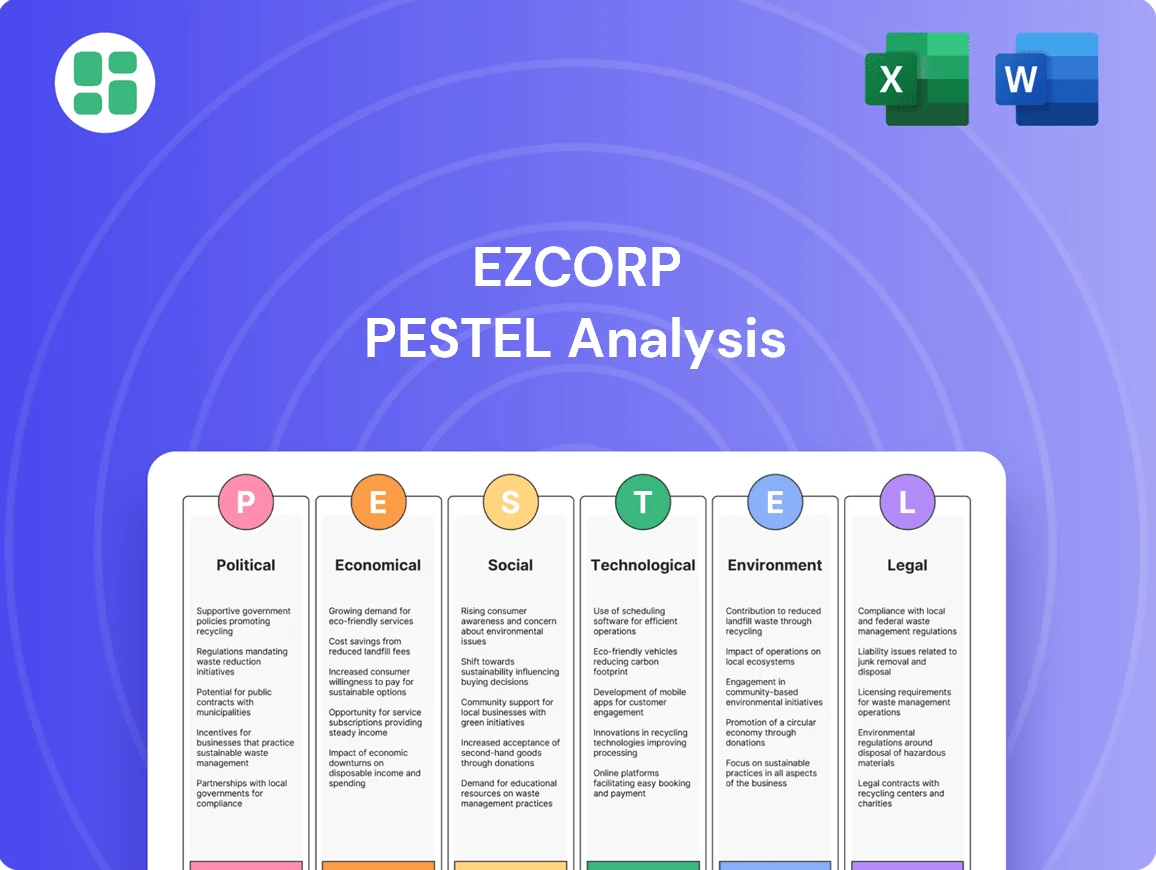
The preview you see here is the exact DATAGROUP PESTLE Analysis document you’ll receive after purchase. It's fully formatted and professionally structured, offering immediate usability for your strategic planning needs.

Product Information
Product Information
Shipping & Returns
Shipping & Returns

DATAGROUP PESTLE Analysis
DATAGROUP PESTLE Analysis
Plan Smarter. Present Sharper. Compete Stronger.
Navigate the dynamic landscape of DATAGROUP with our comprehensive PESTLE analysis. Uncover critical insights into the political, economic, social, technological, legal, and environmental factors shaping its trajectory. Equip yourself with the knowledge to anticipate challenges and seize opportunities.
Gain a strategic advantage by understanding the external forces impacting DATAGROUP's operations and future growth. Our expertly crafted PESTLE analysis provides the deep-dive intelligence you need to make informed decisions and refine your market approach. Download the full version now for actionable insights.
Political factors
Government Digitalization Initiatives
The German government and the European Union are making substantial investments in digitalization, particularly within public administration and essential infrastructure. This focus directly translates into significant opportunities for IT service providers such as DATAGROUP, as public sector projects frequently entail extensive, multi-year IT outsourcing agreements.
Policies actively encouraging digital transformation are a direct driver of demand for integrated IT solutions and services. For instance, Germany's Digital Strategy 2025 aimed to accelerate digital public services, and ongoing EU initiatives like the Digital Decade target specific digital advancements, creating a robust market for DATAGROUP's expertise.
Data Sovereignty and EU Policy
The European Union's increasing focus on data sovereignty is a significant political factor, directly influencing how companies handle their digital information. This trend is particularly strong in Germany, where there's a growing demand for cloud solutions and data processing services that are located within the EU.
DATAGROUP's private cloud platform, CORBOX, is well-positioned to capitalize on this. Clients are increasingly opting for providers that guarantee their data remains within EU borders, complying with stringent national and European data protection laws like the GDPR. This preference directly supports local providers like DATAGROUP by reducing the appeal of non-EU hyperscalers.
In 2024, the digital sovereignty market within the EU is projected to see substantial growth, with estimates suggesting a market size in the tens of billions of euros. This demand is fueled by a combination of regulatory pressure and a desire for greater control over sensitive information, which DATAGROUP's localized approach effectively addresses.
Political Stability and Regulatory Environment
Germany's political stability, a cornerstone for business, means DATAGROUP benefits from a predictable regulatory landscape. This consistency in policy, particularly concerning digital infrastructure and data protection, fosters confidence for long-term investments. For instance, the German government's continued commitment to digital transformation initiatives, as evidenced by ongoing funding for broadband expansion and cybersecurity measures in 2024, directly supports DATAGROUP's service offerings.
Public Sector Outsourcing Policies
Government policies on outsourcing IT services significantly shape DATAGROUP's market. In 2024, many European governments continued to explore outsourcing to improve efficiency and reduce costs in public services. For instance, Germany's federal government has been actively reviewing its IT infrastructure, with a focus on modernizing digital services, which could present opportunities for experienced IT providers like DATAGROUP.
Favorable outsourcing policies directly expand DATAGROUP's potential client base within the public sector. A trend towards digital transformation in public administration across Europe, driven by a need for better citizen services and cybersecurity, often leads to increased reliance on external IT expertise. This is supported by reports indicating that public sector IT spending in the EU is projected to grow, with outsourcing forming a significant part of that growth.
Conversely, any shift towards insourcing IT functions or implementing protectionist measures that favor domestic providers over international ones could restrict DATAGROUP’s growth avenues. For example, if a particular country were to mandate that all public IT projects must be handled by in-house teams, it would directly reduce the addressable market for DATAGROUP in that specific region.
- Increased Public Sector IT Spending: European public sector IT spending was estimated to reach over €150 billion in 2024, with outsourcing expected to capture a substantial share as governments seek digital modernization.
- Digitalization Initiatives: Many national governments, including Germany and France, have launched ambitious digitalization agendas in 2024, prioritizing cloud adoption and cybersecurity, which often necessitate external IT partnerships.
- Potential for Protectionism: While outsourcing is generally favored, some national governments may introduce policies favoring local IT firms, potentially impacting market access for companies like DATAGROUP in specific tenders.
Geopolitical Tensions and Supply Chain Resilience
Heightened geopolitical tensions in 2024 and early 2025 continue to pose risks to global IT supply chains, potentially inflating costs and causing delivery disruptions for hardware and software. For instance, ongoing trade disputes and regional conflicts have already led to increased shipping costs, with some analysts projecting a 5-10% rise in logistics expenses for tech components throughout 2024.
Governments worldwide are actively implementing policies to bolster national supply chain resilience. These initiatives often favor domestic production and strategic partnerships, which could influence sourcing decisions for companies like DATAGROUP. A notable trend is the increased investment in semiconductor manufacturing within North America and Europe, aiming to reduce reliance on single-source regions.
- Increased Logistics Costs: Global shipping rates for electronics saw an average increase of 8% in late 2023, a trend expected to continue into 2024 due to geopolitical instability.
- Government Incentives for Domestic Production: The US CHIPS and Science Act, with its $52 billion in subsidies, and similar EU initiatives are actively encouraging local manufacturing of critical tech components.
- Supply Chain Diversification Efforts: Companies are increasingly exploring multi-region sourcing strategies, with reports indicating a 15% shift towards diversifying supplier bases away from single dominant countries in the past year.
- Impact on Service Continuity: Potential disruptions necessitate proactive monitoring of geopolitical events and supplier stability to ensure uninterrupted service delivery for DATAGROUP clients.
Government IT Spending Powers Digital Transformation
Government investment in digitalization continues to be a significant driver for DATAGROUP, with public sector IT spending in Europe projected to exceed €150 billion in 2024. This trend is bolstered by national digitalization agendas, such as those in Germany and France, which prioritize cloud adoption and cybersecurity, creating substantial opportunities for IT outsourcing providers.
The emphasis on data sovereignty within the EU, particularly in Germany, fuels demand for localized cloud solutions like DATAGROUP's CORBOX, as clients seek to comply with stringent data protection laws. This political push for EU-based data processing is expected to see the digital sovereignty market grow into tens of billions of euros in 2024.
Political stability in Germany provides a predictable regulatory environment, fostering confidence for long-term IT investments, with government initiatives supporting broadband expansion and cybersecurity in 2024 directly benefiting DATAGROUP's service offerings.
While outsourcing is generally favored, potential protectionist policies favoring local IT firms could impact market access in specific tenders, although the overall trend in 2024 points towards increased public sector IT outsourcing to drive digital modernization and efficiency.
What is included in the product
Detailed Word Document
This DATAGROUP PESTLE analysis systematically examines the Political, Economic, Social, Technological, Environmental, and Legal forces impacting the organization, providing a comprehensive understanding of the external landscape.
Customizable Excel Spreadsheet
Provides a concise version that can be dropped into PowerPoints or used in group planning sessions, ensuring everyone is aligned on external factors impacting strategic decisions.
Economic factors
Overall Economic Growth in Germany and EU
Germany's economic growth is a key driver for DATAGROUP. In 2023, the German economy experienced a slight contraction of 0.3%, according to preliminary data from Destatis. However, forecasts for 2024 suggest a modest recovery, with the Bundesbank projecting a 0.9% GDP increase.
The broader European Union economy also plays a crucial role. The EU economy grew by an estimated 0.5% in 2023, with projections for 2024 indicating a similar or slightly improved growth rate, potentially around 1.0% to 1.5% according to various EU economic outlook reports.
These growth trends directly impact IT spending. A recovering or growing economy typically translates to increased investment in digital transformation and IT infrastructure by German and EU businesses, benefiting companies like DATAGROUP that offer IT services.
Inflation, Interest Rates, and Investment Climate
Rising inflation and interest rates present a dual challenge for DATAGROUP. Increased operational costs, particularly for personnel and financing new ventures, are expected. For instance, the US Federal Reserve's benchmark interest rate, which influences borrowing costs across the economy, remained at a target range of 5.25%-5.50% as of early 2024, a level not seen in decades. This could impact DATAGROUP's ability to fund strategic acquisitions or investments cost-effectively.
Furthermore, higher borrowing costs can directly affect DATAGROUP's client base. Many IT projects, especially large-scale ones, are financed through loans. As interest rates climb, the cost of capital for these projects increases, potentially leading clients to delay or scale back their IT spending. This could translate into a slower acquisition rate for new contracts, impacting DATAGROUP's revenue growth trajectory.
Despite these headwinds, DATAGROUP's financial outlook remains cautiously optimistic. The company's guidance for 2024 and 2025 anticipates continued growth, signaling confidence in its ability to navigate the challenging economic environment. This suggests that DATAGROUP may have strategies in place to mitigate the impact of inflation and interest rate hikes, perhaps through enhanced operational efficiency or a strong pipeline of existing contracts.
Labor Market and IT Talent Availability
The ongoing shortage of skilled IT professionals in Germany presents a substantial hurdle for IT service providers like DATAGROUP. This scarcity directly contributes to rising personnel costs, potentially hindering the company's capacity to expand operations and successfully execute intricate projects.
In 2023, Germany faced a significant deficit of IT specialists, with estimates suggesting over 137,000 open positions in the sector, according to the German Economic Institute (IW). This trend is expected to continue, putting upward pressure on wages and benefits as companies compete for a limited pool of talent.
To counteract these challenges, DATAGROUP needs to prioritize robust investments in talent acquisition strategies, effective employee retention initiatives, and comprehensive training and development programs. Such measures are crucial for mitigating the risks associated with the IT talent gap and ensuring continued operational strength.
Client Investment in Digital Transformation
Businesses are channeling significant resources into digital transformation, aiming to boost operational efficiency and gain a competitive edge. This surge in investment directly fuels the demand for services that DATAGROUP specializes in, such as cloud infrastructure and managed IT services. For instance, the global IT spending on digital transformation was projected to reach $2.3 trillion in 2023 and is expected to grow further in 2024 and 2025, highlighting a robust economic tailwind.
This economic trend translates into a strong market opportunity for DATAGROUP. Companies are actively seeking dependable and advanced IT solutions to manage increasingly complex business environments and stay ahead of the curve. This strategic shift by clients is a key factor influencing DATAGROUP's business performance.
DATAGROUP has directly benefited from this client behavior, observing a substantial increase in order intake within its CORBOX segment. This core business, focused on cloud solutions and IT outsourcing, is a direct beneficiary of the widespread digital transformation initiatives across various industries.
- Increased IT Spending: Global digital transformation spending is a significant economic driver, with projections indicating continued growth through 2025.
- Demand for Core Services: Client investments in digitalization directly boost demand for cloud solutions and IT outsourcing, DATAGROUP's key offerings.
- CORBOX Performance: DATAGROUP's CORBOX business has experienced strong order intake, reflecting the positive impact of these economic trends.
- Competitive Advantage: Businesses investing in digital transformation are seeking to enhance their market competitiveness, creating a need for specialized IT partners like DATAGROUP.
Competitive Landscape and Pricing Pressure
The German IT services market is a dynamic arena, characterized by intense competition from both large international corporations and specialized domestic firms. This rivalry often translates into significant pricing pressure for service providers, compelling them to constantly innovate and clearly differentiate their offerings to stand out. For DATAGROUP, this environment underscores the strategic importance of its CORBOX platform, a key enabler for service delivery and innovation, alongside a disciplined approach to targeted acquisitions that bolster its market position and capabilities.
DATAGROUP's strategy aims to navigate this competitive terrain effectively. By focusing on its proprietary CORBOX platform, the company enhances its ability to deliver integrated and efficient IT solutions, a crucial factor in a market where service quality and technological advancement are paramount. Furthermore, strategic acquisitions in 2024 and early 2025 are designed to expand DATAGROUP's service portfolio and geographic reach, directly addressing the need for continuous adaptation and competitive differentiation.
- Market Share Dynamics: Global IT service providers often leverage economies of scale, while local specialists compete on agility and deep understanding of regional client needs.
- Pricing Strategies: Intense competition forces companies to offer competitive pricing, sometimes impacting profit margins, necessitating a focus on cost-efficiency and value-added services.
- Innovation Imperative: Continuous investment in R&D and the development of proprietary platforms like CORBOX are vital for maintaining a competitive edge and offering unique solutions.
- Acquisition as a Growth Lever: Targeted acquisitions allow companies like DATAGROUP to quickly gain new technologies, customer bases, and market access, thereby strengthening their competitive standing.
IT Services Face Economic Contraction and Digital Transformation Boom
Germany's economy contracted by 0.3% in 2023, with modest recovery projected at 0.9% for 2024, while the EU saw 0.5% growth in 2023, expecting similar or better in 2024. These trends directly influence IT spending, as economic recovery typically spurs business investment in digital transformation, benefiting IT service providers like DATAGROUP.
Rising inflation and interest rates, with the US Federal Reserve's rate at 5.25%-5.50% in early 2024, increase operational costs and financing expenses for DATAGROUP. Higher borrowing costs also affect clients, potentially delaying IT projects and impacting DATAGROUP's revenue growth.
The IT talent shortage in Germany, with over 137,000 open positions in 2023, drives up personnel costs and limits expansion for companies like DATAGROUP. Strategic investments in talent acquisition and retention are crucial to mitigate these challenges.
Global digital transformation spending, projected to exceed $2.3 trillion in 2023 and grow further through 2025, fuels demand for DATAGROUP's cloud and IT outsourcing services, boosting its CORBOX segment's order intake.
| Economic Indicator | 2023 (Actual/Estimate) | 2024 (Projection) | Impact on DATAGROUP |
|---|---|---|---|
| German GDP Growth | -0.3% | 0.9% | Supports increased IT investment |
| EU GDP Growth | 0.5% | ~1.0%-1.5% | Broadens market opportunities |
| US Federal Reserve Interest Rate | 5.25%-5.50% | (Uncertain, but elevated) | Increases financing costs, client project costs |
| German IT Specialist Shortage | >137,000 unfilled positions | (Expected to persist) | Drives up personnel costs |
| Global Digital Transformation Spending | ~$2.3 trillion | (Continued growth) | Boosts demand for core services |
Full Version Awaits
DATAGROUP PESTLE Analysis
The preview you see here is the exact DATAGROUP PESTLE Analysis document you’ll receive after purchase. It's fully formatted and professionally structured, offering immediate usability for your strategic planning needs.
Product Information
Product Information
Shipping & Returns
Shipping & Returns
Description
Plan Smarter. Present Sharper. Compete Stronger.
Navigate the dynamic landscape of DATAGROUP with our comprehensive PESTLE analysis. Uncover critical insights into the political, economic, social, technological, legal, and environmental factors shaping its trajectory. Equip yourself with the knowledge to anticipate challenges and seize opportunities.
Gain a strategic advantage by understanding the external forces impacting DATAGROUP's operations and future growth. Our expertly crafted PESTLE analysis provides the deep-dive intelligence you need to make informed decisions and refine your market approach. Download the full version now for actionable insights.
Political factors
Government Digitalization Initiatives
The German government and the European Union are making substantial investments in digitalization, particularly within public administration and essential infrastructure. This focus directly translates into significant opportunities for IT service providers such as DATAGROUP, as public sector projects frequently entail extensive, multi-year IT outsourcing agreements.
Policies actively encouraging digital transformation are a direct driver of demand for integrated IT solutions and services. For instance, Germany's Digital Strategy 2025 aimed to accelerate digital public services, and ongoing EU initiatives like the Digital Decade target specific digital advancements, creating a robust market for DATAGROUP's expertise.
Data Sovereignty and EU Policy
The European Union's increasing focus on data sovereignty is a significant political factor, directly influencing how companies handle their digital information. This trend is particularly strong in Germany, where there's a growing demand for cloud solutions and data processing services that are located within the EU.
DATAGROUP's private cloud platform, CORBOX, is well-positioned to capitalize on this. Clients are increasingly opting for providers that guarantee their data remains within EU borders, complying with stringent national and European data protection laws like the GDPR. This preference directly supports local providers like DATAGROUP by reducing the appeal of non-EU hyperscalers.
In 2024, the digital sovereignty market within the EU is projected to see substantial growth, with estimates suggesting a market size in the tens of billions of euros. This demand is fueled by a combination of regulatory pressure and a desire for greater control over sensitive information, which DATAGROUP's localized approach effectively addresses.
Political Stability and Regulatory Environment
Germany's political stability, a cornerstone for business, means DATAGROUP benefits from a predictable regulatory landscape. This consistency in policy, particularly concerning digital infrastructure and data protection, fosters confidence for long-term investments. For instance, the German government's continued commitment to digital transformation initiatives, as evidenced by ongoing funding for broadband expansion and cybersecurity measures in 2024, directly supports DATAGROUP's service offerings.
Public Sector Outsourcing Policies
Government policies on outsourcing IT services significantly shape DATAGROUP's market. In 2024, many European governments continued to explore outsourcing to improve efficiency and reduce costs in public services. For instance, Germany's federal government has been actively reviewing its IT infrastructure, with a focus on modernizing digital services, which could present opportunities for experienced IT providers like DATAGROUP.
Favorable outsourcing policies directly expand DATAGROUP's potential client base within the public sector. A trend towards digital transformation in public administration across Europe, driven by a need for better citizen services and cybersecurity, often leads to increased reliance on external IT expertise. This is supported by reports indicating that public sector IT spending in the EU is projected to grow, with outsourcing forming a significant part of that growth.
Conversely, any shift towards insourcing IT functions or implementing protectionist measures that favor domestic providers over international ones could restrict DATAGROUP’s growth avenues. For example, if a particular country were to mandate that all public IT projects must be handled by in-house teams, it would directly reduce the addressable market for DATAGROUP in that specific region.
- Increased Public Sector IT Spending: European public sector IT spending was estimated to reach over €150 billion in 2024, with outsourcing expected to capture a substantial share as governments seek digital modernization.
- Digitalization Initiatives: Many national governments, including Germany and France, have launched ambitious digitalization agendas in 2024, prioritizing cloud adoption and cybersecurity, which often necessitate external IT partnerships.
- Potential for Protectionism: While outsourcing is generally favored, some national governments may introduce policies favoring local IT firms, potentially impacting market access for companies like DATAGROUP in specific tenders.
Geopolitical Tensions and Supply Chain Resilience
Heightened geopolitical tensions in 2024 and early 2025 continue to pose risks to global IT supply chains, potentially inflating costs and causing delivery disruptions for hardware and software. For instance, ongoing trade disputes and regional conflicts have already led to increased shipping costs, with some analysts projecting a 5-10% rise in logistics expenses for tech components throughout 2024.
Governments worldwide are actively implementing policies to bolster national supply chain resilience. These initiatives often favor domestic production and strategic partnerships, which could influence sourcing decisions for companies like DATAGROUP. A notable trend is the increased investment in semiconductor manufacturing within North America and Europe, aiming to reduce reliance on single-source regions.
- Increased Logistics Costs: Global shipping rates for electronics saw an average increase of 8% in late 2023, a trend expected to continue into 2024 due to geopolitical instability.
- Government Incentives for Domestic Production: The US CHIPS and Science Act, with its $52 billion in subsidies, and similar EU initiatives are actively encouraging local manufacturing of critical tech components.
- Supply Chain Diversification Efforts: Companies are increasingly exploring multi-region sourcing strategies, with reports indicating a 15% shift towards diversifying supplier bases away from single dominant countries in the past year.
- Impact on Service Continuity: Potential disruptions necessitate proactive monitoring of geopolitical events and supplier stability to ensure uninterrupted service delivery for DATAGROUP clients.
Government IT Spending Powers Digital Transformation
Government investment in digitalization continues to be a significant driver for DATAGROUP, with public sector IT spending in Europe projected to exceed €150 billion in 2024. This trend is bolstered by national digitalization agendas, such as those in Germany and France, which prioritize cloud adoption and cybersecurity, creating substantial opportunities for IT outsourcing providers.
The emphasis on data sovereignty within the EU, particularly in Germany, fuels demand for localized cloud solutions like DATAGROUP's CORBOX, as clients seek to comply with stringent data protection laws. This political push for EU-based data processing is expected to see the digital sovereignty market grow into tens of billions of euros in 2024.
Political stability in Germany provides a predictable regulatory environment, fostering confidence for long-term IT investments, with government initiatives supporting broadband expansion and cybersecurity in 2024 directly benefiting DATAGROUP's service offerings.
While outsourcing is generally favored, potential protectionist policies favoring local IT firms could impact market access in specific tenders, although the overall trend in 2024 points towards increased public sector IT outsourcing to drive digital modernization and efficiency.
What is included in the product
Detailed Word Document
This DATAGROUP PESTLE analysis systematically examines the Political, Economic, Social, Technological, Environmental, and Legal forces impacting the organization, providing a comprehensive understanding of the external landscape.
Customizable Excel Spreadsheet
Provides a concise version that can be dropped into PowerPoints or used in group planning sessions, ensuring everyone is aligned on external factors impacting strategic decisions.
Economic factors
Overall Economic Growth in Germany and EU
Germany's economic growth is a key driver for DATAGROUP. In 2023, the German economy experienced a slight contraction of 0.3%, according to preliminary data from Destatis. However, forecasts for 2024 suggest a modest recovery, with the Bundesbank projecting a 0.9% GDP increase.
The broader European Union economy also plays a crucial role. The EU economy grew by an estimated 0.5% in 2023, with projections for 2024 indicating a similar or slightly improved growth rate, potentially around 1.0% to 1.5% according to various EU economic outlook reports.
These growth trends directly impact IT spending. A recovering or growing economy typically translates to increased investment in digital transformation and IT infrastructure by German and EU businesses, benefiting companies like DATAGROUP that offer IT services.
Inflation, Interest Rates, and Investment Climate
Rising inflation and interest rates present a dual challenge for DATAGROUP. Increased operational costs, particularly for personnel and financing new ventures, are expected. For instance, the US Federal Reserve's benchmark interest rate, which influences borrowing costs across the economy, remained at a target range of 5.25%-5.50% as of early 2024, a level not seen in decades. This could impact DATAGROUP's ability to fund strategic acquisitions or investments cost-effectively.
Furthermore, higher borrowing costs can directly affect DATAGROUP's client base. Many IT projects, especially large-scale ones, are financed through loans. As interest rates climb, the cost of capital for these projects increases, potentially leading clients to delay or scale back their IT spending. This could translate into a slower acquisition rate for new contracts, impacting DATAGROUP's revenue growth trajectory.
Despite these headwinds, DATAGROUP's financial outlook remains cautiously optimistic. The company's guidance for 2024 and 2025 anticipates continued growth, signaling confidence in its ability to navigate the challenging economic environment. This suggests that DATAGROUP may have strategies in place to mitigate the impact of inflation and interest rate hikes, perhaps through enhanced operational efficiency or a strong pipeline of existing contracts.
Labor Market and IT Talent Availability
The ongoing shortage of skilled IT professionals in Germany presents a substantial hurdle for IT service providers like DATAGROUP. This scarcity directly contributes to rising personnel costs, potentially hindering the company's capacity to expand operations and successfully execute intricate projects.
In 2023, Germany faced a significant deficit of IT specialists, with estimates suggesting over 137,000 open positions in the sector, according to the German Economic Institute (IW). This trend is expected to continue, putting upward pressure on wages and benefits as companies compete for a limited pool of talent.
To counteract these challenges, DATAGROUP needs to prioritize robust investments in talent acquisition strategies, effective employee retention initiatives, and comprehensive training and development programs. Such measures are crucial for mitigating the risks associated with the IT talent gap and ensuring continued operational strength.
Client Investment in Digital Transformation
Businesses are channeling significant resources into digital transformation, aiming to boost operational efficiency and gain a competitive edge. This surge in investment directly fuels the demand for services that DATAGROUP specializes in, such as cloud infrastructure and managed IT services. For instance, the global IT spending on digital transformation was projected to reach $2.3 trillion in 2023 and is expected to grow further in 2024 and 2025, highlighting a robust economic tailwind.
This economic trend translates into a strong market opportunity for DATAGROUP. Companies are actively seeking dependable and advanced IT solutions to manage increasingly complex business environments and stay ahead of the curve. This strategic shift by clients is a key factor influencing DATAGROUP's business performance.
DATAGROUP has directly benefited from this client behavior, observing a substantial increase in order intake within its CORBOX segment. This core business, focused on cloud solutions and IT outsourcing, is a direct beneficiary of the widespread digital transformation initiatives across various industries.
- Increased IT Spending: Global digital transformation spending is a significant economic driver, with projections indicating continued growth through 2025.
- Demand for Core Services: Client investments in digitalization directly boost demand for cloud solutions and IT outsourcing, DATAGROUP's key offerings.
- CORBOX Performance: DATAGROUP's CORBOX business has experienced strong order intake, reflecting the positive impact of these economic trends.
- Competitive Advantage: Businesses investing in digital transformation are seeking to enhance their market competitiveness, creating a need for specialized IT partners like DATAGROUP.
Competitive Landscape and Pricing Pressure
The German IT services market is a dynamic arena, characterized by intense competition from both large international corporations and specialized domestic firms. This rivalry often translates into significant pricing pressure for service providers, compelling them to constantly innovate and clearly differentiate their offerings to stand out. For DATAGROUP, this environment underscores the strategic importance of its CORBOX platform, a key enabler for service delivery and innovation, alongside a disciplined approach to targeted acquisitions that bolster its market position and capabilities.
DATAGROUP's strategy aims to navigate this competitive terrain effectively. By focusing on its proprietary CORBOX platform, the company enhances its ability to deliver integrated and efficient IT solutions, a crucial factor in a market where service quality and technological advancement are paramount. Furthermore, strategic acquisitions in 2024 and early 2025 are designed to expand DATAGROUP's service portfolio and geographic reach, directly addressing the need for continuous adaptation and competitive differentiation.
- Market Share Dynamics: Global IT service providers often leverage economies of scale, while local specialists compete on agility and deep understanding of regional client needs.
- Pricing Strategies: Intense competition forces companies to offer competitive pricing, sometimes impacting profit margins, necessitating a focus on cost-efficiency and value-added services.
- Innovation Imperative: Continuous investment in R&D and the development of proprietary platforms like CORBOX are vital for maintaining a competitive edge and offering unique solutions.
- Acquisition as a Growth Lever: Targeted acquisitions allow companies like DATAGROUP to quickly gain new technologies, customer bases, and market access, thereby strengthening their competitive standing.
IT Services Face Economic Contraction and Digital Transformation Boom
Germany's economy contracted by 0.3% in 2023, with modest recovery projected at 0.9% for 2024, while the EU saw 0.5% growth in 2023, expecting similar or better in 2024. These trends directly influence IT spending, as economic recovery typically spurs business investment in digital transformation, benefiting IT service providers like DATAGROUP.
Rising inflation and interest rates, with the US Federal Reserve's rate at 5.25%-5.50% in early 2024, increase operational costs and financing expenses for DATAGROUP. Higher borrowing costs also affect clients, potentially delaying IT projects and impacting DATAGROUP's revenue growth.
The IT talent shortage in Germany, with over 137,000 open positions in 2023, drives up personnel costs and limits expansion for companies like DATAGROUP. Strategic investments in talent acquisition and retention are crucial to mitigate these challenges.
Global digital transformation spending, projected to exceed $2.3 trillion in 2023 and grow further through 2025, fuels demand for DATAGROUP's cloud and IT outsourcing services, boosting its CORBOX segment's order intake.
| Economic Indicator | 2023 (Actual/Estimate) | 2024 (Projection) | Impact on DATAGROUP |
|---|---|---|---|
| German GDP Growth | -0.3% | 0.9% | Supports increased IT investment |
| EU GDP Growth | 0.5% | ~1.0%-1.5% | Broadens market opportunities |
| US Federal Reserve Interest Rate | 5.25%-5.50% | (Uncertain, but elevated) | Increases financing costs, client project costs |
| German IT Specialist Shortage | >137,000 unfilled positions | (Expected to persist) | Drives up personnel costs |
| Global Digital Transformation Spending | ~$2.3 trillion | (Continued growth) | Boosts demand for core services |
Full Version Awaits
DATAGROUP PESTLE Analysis
The preview you see here is the exact DATAGROUP PESTLE Analysis document you’ll receive after purchase. It's fully formatted and professionally structured, offering immediate usability for your strategic planning needs.